How to Make a Bonsai Tree Bloom More Reliably
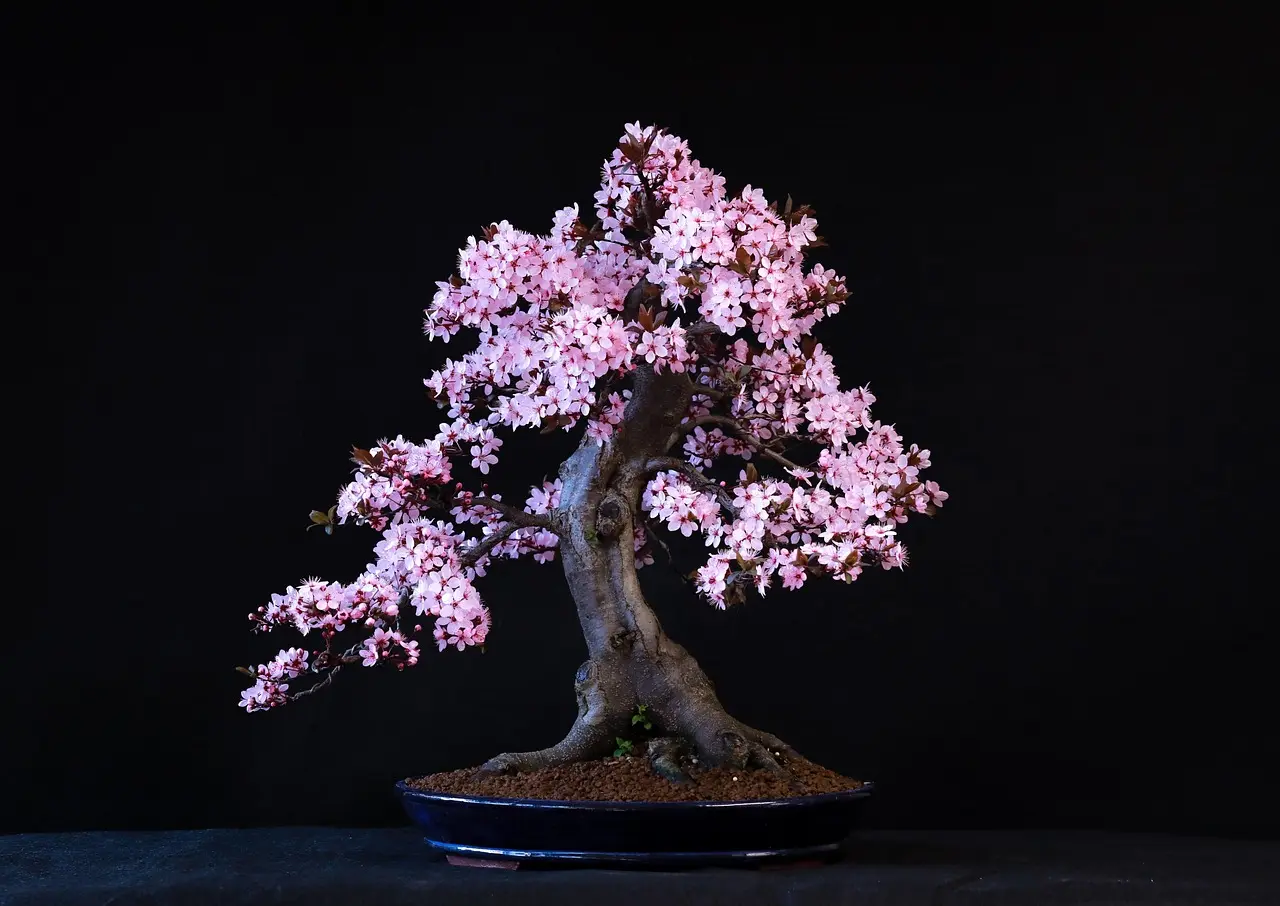
For most flowering bonsai, the fastest route to steadier blooms is more direct sun, pruning after flowering, and lighter feeding once buds should form. If a tree grows leaves well but skips flowers, the problem is often species choice, weak light, or pruning at the wrong time. Fix those first. Then adjust watering, humidity, temperature, and repotting.
Which bonsai species bloom most reliably?
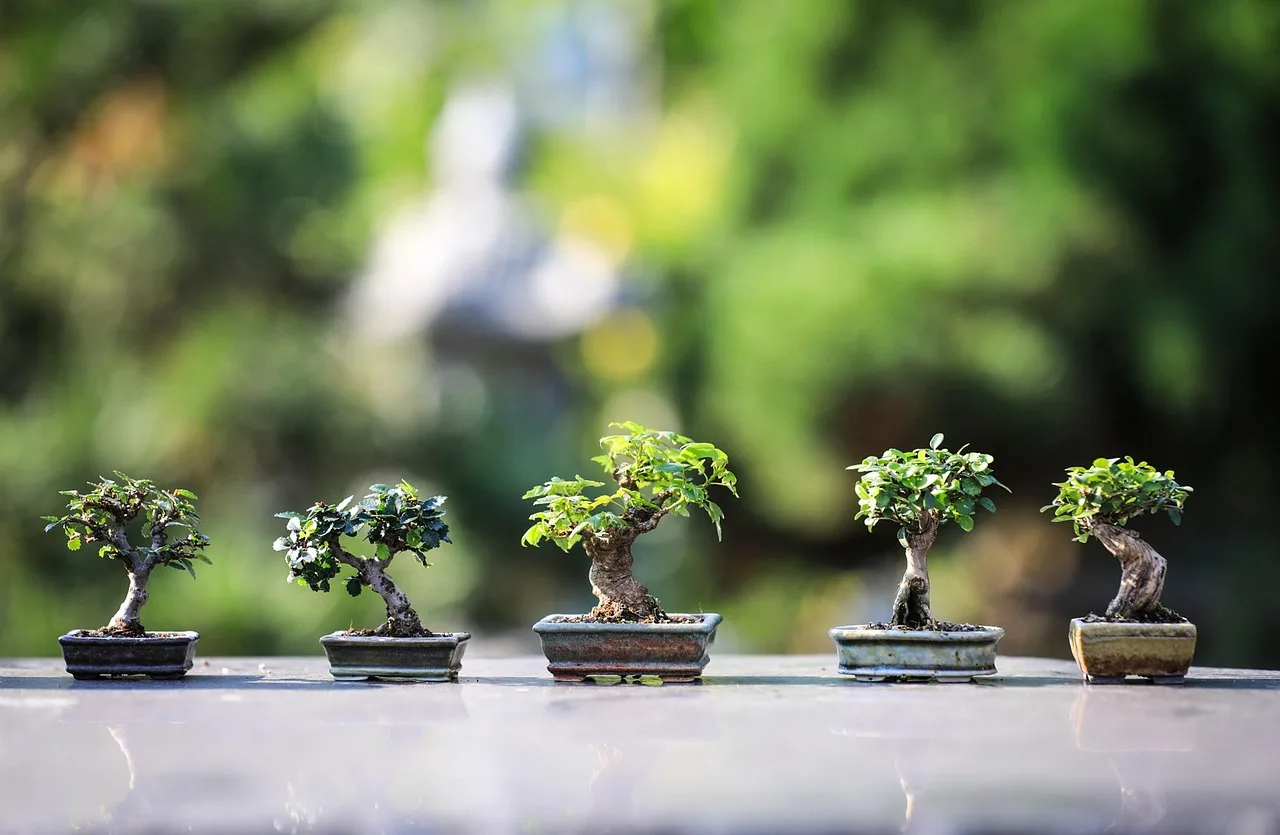


The most reliable bloomers are species that fit your growing space. Tropical bonsai can flower indoors if they get strong light, warm temperatures, and steady humidity. Temperate flowering bonsai usually need outdoor conditions and, for many species, a winter rest before they bloom again. For example, many subtropical and temperate flowering species need a cool season to reset buds, while indoor tropicals generally need warmth kept above chilling thresholds; extension and botanic garden guidance commonly places tropical comfort around 18–24°C indoors, with cold-sensitive species kept above about 10–15°C depending on genus and cultivar (University of Florida IFAS; Missouri Botanical Garden; Royal Horticultural Society).
Indoor flowering bonsai vs outdoor species
Indoor bloomers are usually tropical or subtropical genera such as Ficus, Serissa, Hibiscus, and some Carmona. They can stay active year-round, but they still need the brightest windowsill you have. Temperate species often bloom better outdoors because they need seasonal change, stronger sun, and a cooling period. In practical terms, a species that needs winter dormancy may bloom poorly if kept in a warm room all year, even if it looks healthy otherwise (Royal Horticultural Society; North Carolina Extension; Missouri Botanical Garden).
Why dormancy matters for repeat flowers
Some species set flower buds only after winter cooling. That is especially true for temperate bloomers, and some subtropical bonsai also respond to a seasonal dip in temperature. If a species needs dormancy and stays warm all year, it may leaf out without building the signals needed for bloom set. For dormancy-sensitive species, the safest approach is to match the species’ winter requirement rather than forcing year-round warmth; many extension sources describe cool-season rest as essential for flower initiation in these plants (University of Illinois Extension; Royal Horticultural Society; University of Minnesota Extension).
| Species group | Bloom season | Indoor/outdoor suitability | Dormancy need | Pruning window | Fertilizer shift |
|---|---|---|---|---|---|
| Hibiscus | Summer to fall, with repeated blooms in warm conditions | Best indoors in strong light; also outdoors in frost-free warm seasons | No true winter dormancy; prefers warmth and steady growth | Prune after a flush of bloom or in early spring before strong growth | Feed regularly in active growth; reduce nitrogen when buds are forming |
| Serissa | Late spring through summer, sometimes in waves | Often grown indoors; can go outside in warm, sheltered weather | No dormancy, but dislikes cold stress and abrupt moves | Light pruning after flowering or during active growth | Use light, steady feeding in growth; ease to lower nitrogen when bud set starts |
| Fukien tea / Carmona | Intermittent through warm months; strongest in bright light | Primarily indoor in temperate climates; outdoor only in frost-free warmth | No true dormancy; needs warmth and high light year-round | Prune after flowering or during active shoot extension | Balanced feed during growth; shift to leaner feeding before and during bloom |
| Jasmine | Late spring to summer, depending on species | Often outdoors in warm seasons; indoors only with very bright light | Many jasmine species benefit from a cooler, brighter winter rest | Prune after flowering for spring bloomers; species dependent | Feed during growth; switch to lower nitrogen as buds swell |
| Azalea | Spring | Usually outdoors or in cool bright spaces; can be overwintered protected | Cool-season rest helps bud set and flower quality | Prune immediately after flowering | Use bloom-friendly, lower nitrogen feeding after flowering and through shoot growth |
| Bougainvillea | Warm season, often triggered by strong sun and slight stress | Best outdoors in full sun; indoors only with exceptionally bright exposure | No dormancy, but cooler, drier, brighter conditions can trigger bloom | Prune after a bloom cycle; avoid heavy cuts right before flowering | Feed to support growth, then reduce nitrogen and avoid overwatering before bloom |
| Crabapple | Spring | Outdoor temperate species; not a true indoor bloomer | Requires winter dormancy | Prune after flowering; winter structure pruning is species dependent | Feed after bloom and through summer growth; reduce late-season nitrogen |
What you’ll need
- A brightest-window spot, ideally south- or southeast-facing
- A pot with drainage holes
- Fast-draining bonsai substrate
- Balanced fertilizer for active growth
- A humidity tray with pebbles
- A thermometer
- A clean pruner or scissors
How do you get a bonsai to flower again?
Start by checking whether the species blooms indoors or needs outdoor sun and a seasonal rest. Then give it the brightest suitable light, water deeply only when the surface begins to dry, and keep temperature and humidity steady. If the tree is healthy but still skips bloom, the issue is usually timing rather than survival.
- Confirm the species and its flowering cycle.
- Move it to the brightest suitable position.
- Water thoroughly, then wait for the top layer to dry.
- Hold humidity and temperature in the species range.
- Reduce nitrogen when buds should form.
Light is the first fix
Place the tree on the brightest windowsill available, ideally south- or southeast-facing. Direct sun is often needed for flower set, especially for summer species. Diffused light can keep foliage alive, but it often does not push enough energy into buds. A dim room is a common reason a tree stays leafy and never blooms. If you need a deeper guide, use the tree’s response to light as a light diagnosis: reaching internodes, pale leaves, and stalled buds point to insufficient intensity.
Water deeply, then back off
Water should go all the way through the root mass. Check the top layer first; when it begins to dry, water again. Frequency changes with species, pot size, soil mix, and climate, so a fixed schedule can fail fast. Overwatering can result in root rot, which usually shows up long before flowers do. Extension guidance consistently notes that saturated roots lose oxygen, reducing uptake and triggering decline; for flowering bonsai, that means bud drop or no bloom before obvious leaf loss (University of Minnesota Extension; Clemson Extension; Royal Horticultural Society).
Say a hibiscus bonsai sits in an about 15 cm pot near a bright window and leafs out every month but never opens buds. If the soil stays wet for days, the root zone can lose oxygen. Shifting to deeper but less frequent watering often helps more than adding fertilizer.
When you suspect lingering wet soil, the fastest check is the root zone itself: sour smell, slow drying, or blackened roots are classic warning signs of overwatering and root rot. A repot into a faster-draining mix can be the difference between steady growth and repeated bud failure.
Match humidity and temperature
Indoor bonsai need plenty of light, humidity, and consistent temperatures. Tropical indoor bonsai do best around 20ºC with lows no less than 15ºC, and many tropical houseplant references place the comfortable range closer to 18–24ºC. A humidity tray can help if the water stays below the top of the pebbles. Daily misting can support leaf comfort, but it does not replace proper humidity or light (Missouri Botanical Garden; University of Florida IFAS; Royal Horticultural Society).
How should you prune and feed for blooms?

Prune after flowering when possible, because spring pruning can remove buds that may already have set for the season. Feed during active growth, but avoid heavy nitrogen once flower formation should begin. Repot only when drainage drops, roots crowd the pot, or the soil no longer dries at the right pace. Species that bloom on old wood, such as azalea and many spring-flowering crabapples, should be pruned after bloom; species that bloom on new growth, such as hibiscus and many summer tropicals, can be shaped more flexibly during the growing period, but still benefit from not being cut back right before bud set (Royal Horticultural Society; university extension pruning guides).
Prune for shape without stripping buds
Pruning is essential for keeping bonsai miniature, but it can also cut off future flowers. The safest rule is simple: remove weak, crossing, or inward-growing shoots, and leave the branches that carry buds or the sites that will carry them next. For many bloomers, spring is the main pruning window, though timing varies by tree type. Old-wood bloomers should be pruned right after they finish flowering so the plant has time to build next year’s buds; new-wood bloomers can usually be pinched during active growth to encourage branching without sacrificing the whole bloom cycle.
Feed for bloom, not just leaf mass
Use a balanced fertilizer during active growth, then shift the blend and cadence as bud formation approaches. Too much nitrogen pushes foliage at the expense of flowers. For flowering bonsai, a bonsai-specific feeding cadence usually works better than a generic houseplant schedule. A practical example is: feed every 2 to 4 weeks during spring growth, move to a lower-nitrogen or bloom-leaning formula as buds appear, and pause heavy feeding once the plant is in full bloom or under stress. Hibiscus bonsai, for example, are commonly fed regularly through active growth and kept in a sunny, humid spot.
Repot only when the root zone asks for it
Repotting improves drainage and gives fine feeder roots room to recover, but it also interrupts flowering if done too often. The first repotting is an important milestone. After that, small pots need tighter attention because they dry and crowd faster. Use a fast-draining mix rather than water-retentive compost. Many bonsai references suggest repotting most flowering species every 1 to 3 years when root growth, drainage, and soil structure justify it, rather than by the calendar alone; species with faster root growth may need closer intervals, while slower growers can wait longer if the mix still performs well (Royal Horticultural Society; university extension bonsai guidance).
A common first-timer mistake is repotting a flowering species every spring because the canopy looks full. If the tree is still draining well and the roots are healthy, that can delay buds instead of helping them.
When the soil has compacted or water starts running down the sides instead of soaking in, use the repotting signs to decide if it is time to switch to a bonsai soil mix that drains quickly but still holds enough moisture for fine roots.
Bloom reliability scorecard
This scorecard helps you separate healthy growth from real flower set problems. Green means the condition supports bloom. Yellow means the tree may flower, but the setup is uneven. Red means the condition commonly blocks buds or weakens them.
Scoring guide: add up the best match in each row. 0–5 = urgent fixes needed before bloom is likely. 6–10 = bloom is possible with adjustments. 11–16 = conditions support repeat flowering if the species is suitable. A low score in species type or light can outweigh everything else, especially for temperate bloomers kept indoors.
| Check | Green | Yellow | Red | Recommended fix |
|---|---|---|---|---|
| Species type | Tropical bloomer suited to indoor culture | Subtropical species with partial outdoor time | Temperate species kept warm year-round | Match the species to the space or move it outdoors for the season |
| Light hours | Brightest window with strong daily sun | Bright indirect light with some direct sun | Dim room or long shade | Move to a south- or southeast-facing window |
| Window direction | South or southeast | East with strong reflected light | North-facing | Relocate to the brightest windowsill available |
| Watering cadence | Water after the top layer dries | Inconsistent wet-dry rhythm | Soil stays wet all the time | Water thoroughly, then wait; check pot size and climate |
| Humidity level | Warm, humid room; tray water below pebbles | Average room air with occasional misting | Dry air near heat or vents | Use a humidity tray and move away from dry airflow |
| Fertilizer balance | Balanced feed during active growth | Frequent feeding with some nitrogen excess | Heavy nitrogen through bud time | Shift to a lighter, balanced cadence |
| Pruning timing | After flowering or species-appropriate spring timing | Mixed cuts through the season | Bud-bearing branches removed | Prune only branches that do not carry current or forming buds |
| Repotting age | On schedule, with healthy roots and drainage | Borderline crowding | Repotted too often or soil stays compacted | Use a fast-draining bonsai substrate and repot only when needed |
Why is your bonsai not blooming?
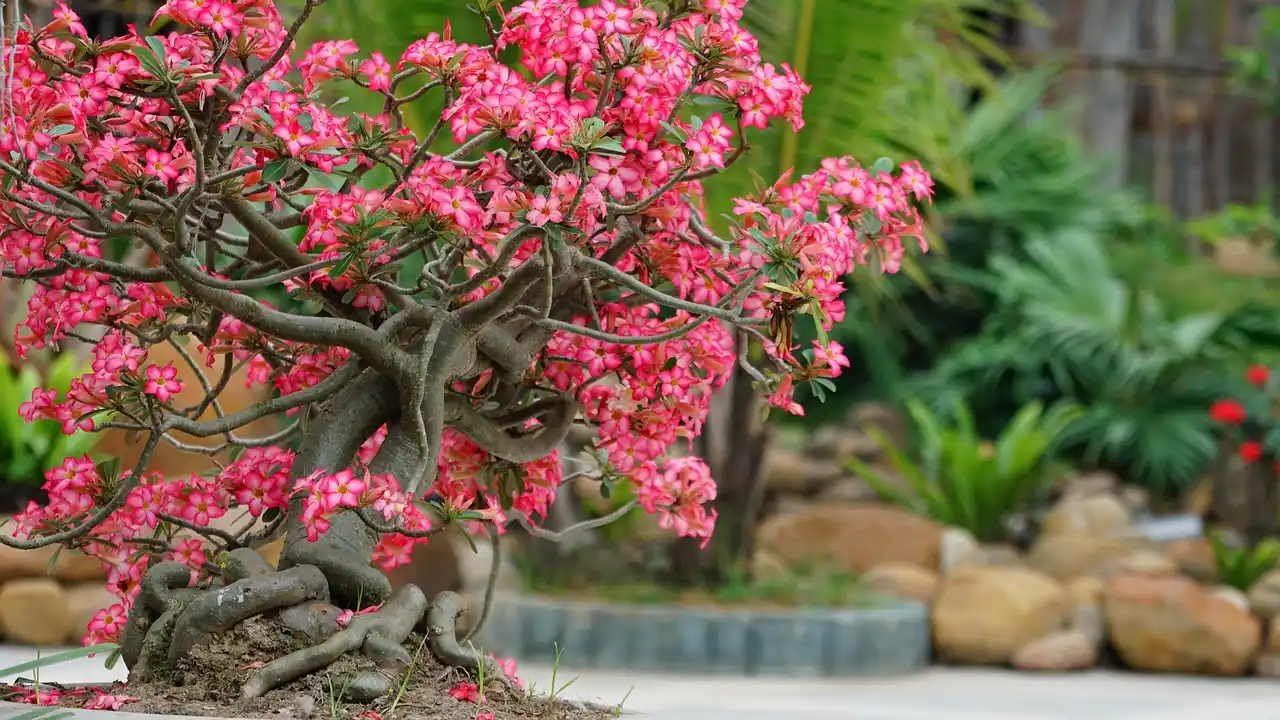
When a bonsai grows leaves but not flowers, the usual causes are weak light, wrong seasonal timing, pruning that removed buds, or roots that are too wet or crowded. If flowers appear and then drop, the tree is often reacting to temperature swings, dryness, or a shift in feeding and watering.
Healthy leaves but no flowers
This usually points to light or fertilizer. Move the tree closer to the brightest suitable window and reduce nitrogen once the plant has finished its main growth push. If the species needs outdoor sun or winter cooling, indoor comfort may be the real barrier. In many species, repeated leaf growth without bloom means the plant is getting enough energy to stay alive but not enough signal to transition to flowering.
Flowers that drop early
Early flower drop often follows sudden changes in temperature, low humidity, or inconsistent watering. Keep tropical types near 20ºC with lows no less than 15ºC. For subtropical species, a cooler winter can be useful, but the change should be gradual rather than abrupt. Rapid swings are especially hard on budded azalea, serissa, and other sensitive bloomers.
Weak buds after pruning or repotting
If buds look sparse after a cut, pruning likely removed the flowering wood. If the roots are fresh and the canopy still seems stalled, check the soil. Bonsai should be grown in special bonsai substrate because multi-purpose compost can hold too much water and slow root function.
Root problems that stop flowering
Fine feeder roots drive both growth and bloom. If the soil smells sour, stays wet, or the plant declines after watering, root rot is a strong possibility. Overwatering can result in root rot, and damaged roots usually stop flowering before they stop leafing. The quickest correction is to improve drainage, restore an airier mix, and water only after the surface begins to dry.
Common mistakes
Most bloom failures come from a few repeating errors. Fixing one is often not enough if the others stay in place.
- Using the wrong species for the space. A temperate bloomer in a warm room may grow well and still refuse to flower.
- Keeping the soil wet all the time. That starves roots of air and raises rot risk.
- Cutting off future buds during pruning. Prune after flowering when possible.
- Feeding for foliage instead of flowers. Too much nitrogen drives leaves.
- Repotting too often or with the wrong mix. Use a fast-draining blend, such as akadama, peat, and sand in a structure that still drains quickly.
Suppose an about 20 cm indoor jasmine bonsai gets bright light, but the pot is filled with dense compost and watered on a fixed schedule. The tree may look full and healthy for months. Once the mix stays wet too long, root function slips and flowering becomes unreliable.
Frequently asked questions
How do I get my bonsai to flower again?
Check whether the species needs stronger sun or seasonal cooling first. Then move it to a south- or southeast-facing window, water deeply only after the top layer dries, and reduce nitrogen during bud formation. If it is a temperate bloomer, outdoor growth and winter rest may be necessary.
What is the best fertilizer schedule for a flowering bonsai?
Feed during active growth, then shift as buds form. A monthly schedule suits some tropical species such as hibiscus, but many bonsai need lighter feeding than foliage plants. Use a balanced fertilizer and avoid high nitrogen late in the bloom cycle. For many flowering species, the most useful pattern is growth-phase feeding in spring, lighter or bloom-oriented feeding during bud set, and minimal push feeding during full bloom.
Should I prune a bonsai if I want more flowers?
Yes, but timing matters. Prune after flowering when possible, or use the species’ spring window if that is the correct pruning period. Remove weak and crossing growth, not the branches carrying buds or likely bloom sites.
Does more sun help a bonsai bloom?
Usually yes. The brightest windowsill is the starting point indoors, ideally south- or southeast-facing. Some summer species do best in full sun outdoors. Diffused light can keep growth alive, but direct sun is more dependable for flower set. For bloom-prone species, low light is one of the most common reasons buds fail to form.
Can overwatering stop a bonsai from blooming?
Yes. Watering should wet the entire root mass, then the top layer should dry before the next watering. If the mix stays soggy, roots lose oxygen and root rot can follow. That often blocks flowering before the plant shows obvious decline above the soil.
How often should I repot a flowering bonsai?
Repot when drainage slows, roots crowd the pot, or the soil no longer dries normally. Small pots usually need closer attention than larger ones. Use fast-draining bonsai substrate, and treat the first repotting as an important step rather than a routine annual task. For many species, repotting every 1 to 3 years is a reasonable range if the roots and soil condition justify it; the best timing is driven by root growth and drainage, not the calendar alone.