How to Make a Bonsai Tree Branch More Compact
To make a bonsai branch more compact, cut back to about 1–2 leaf pairs or a strong bud, then let the new shoot extend only about 2–4 nodes before pruning again; wire the fresh growth only after the cutback takes. If you ignore internode control, the branch stays long, coarse, and hard to pad out without weakening the tree. This guide shows how to shorten the branch, slow extension growth, and tighten the pad with pruning, vigor-based timing, and follow-up wiring.
How branch compaction works
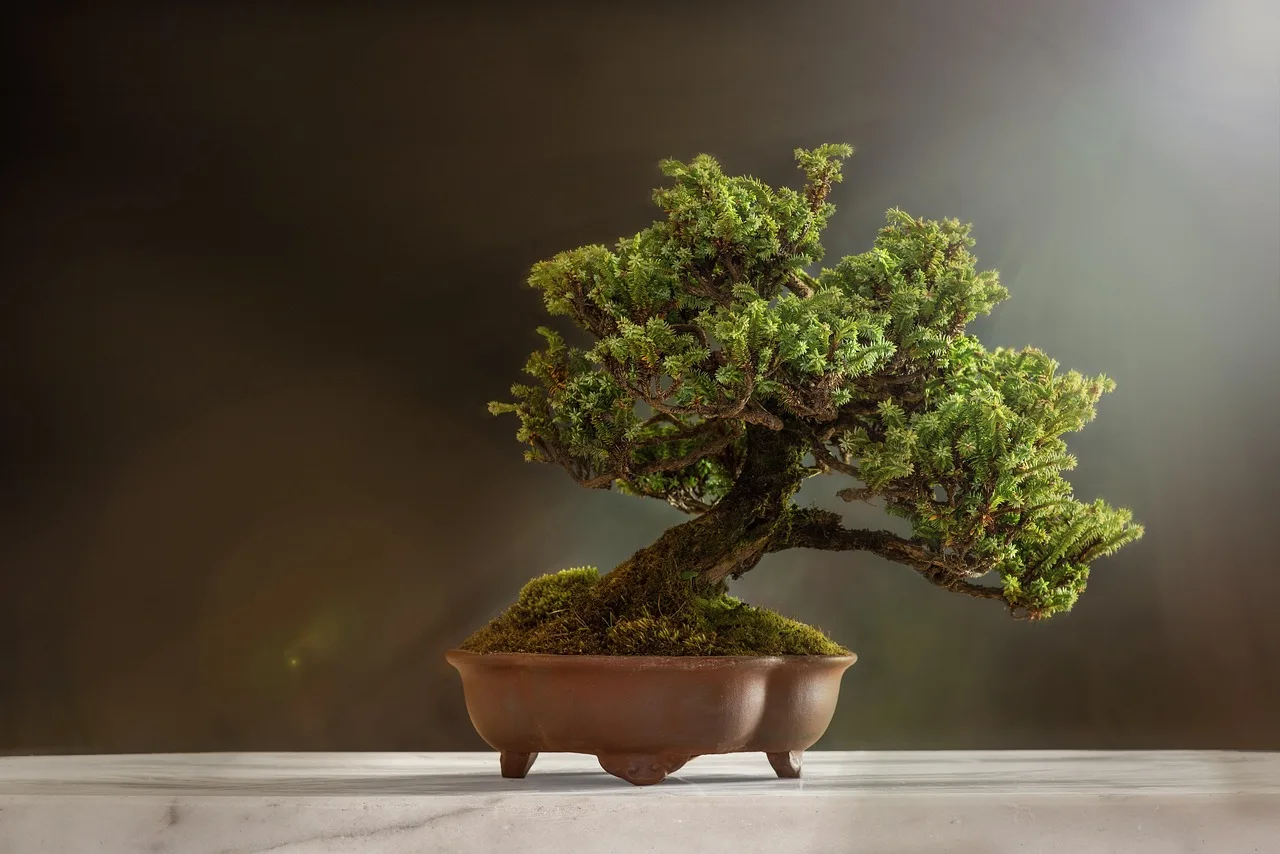


Branch compaction is not the same as simple size control. A bonsai needs repeated pruning to stay small, but tighter branch pads come from shortening internodes, keeping node spacing close, and prompting back budding behind the cut. Longer internodes usually mean the tree was stretching, often from low light or unchecked apical growth.
Bonsai maintenance pruning is the routine cutback used on actively growing trees to keep soft growth in check. It focuses on twig tips and repeated refinement. Structural pruning is different. It changes branch placement and silhouette, is more aggressive, and is typically done while the tree is dormant for many species.
Why light, vigor, internodes, and nodes matter
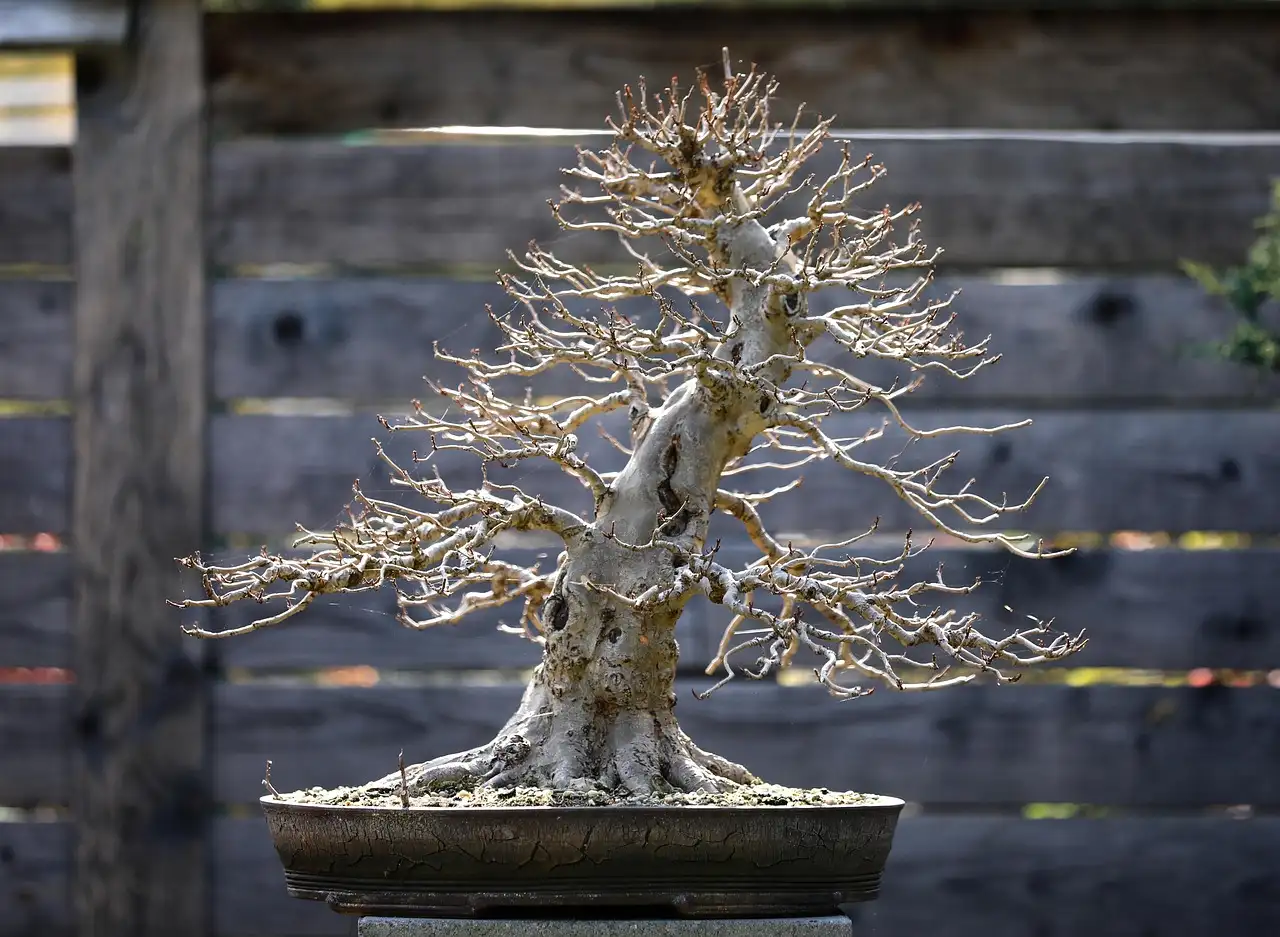
Strong growth can support compact refinement work. Weak growth usually cannot. If light is low, a branch often stretches, makes longer internodes, and leaves fewer useful buds close to the trunk or branch line. Shorter internodes create tighter, more compact ramification, while long internodes make a branch look coarse and bare between leaves.
When you cut, you are choosing where the next section of growth begins. Cuts are often made above a selected node, and leaving fewer nodes limits extension growth. For many twigs, a practical target is to cut back when they have 6-8 nodes, then leave only 3-4 nodes after the cut.
What you’ll need
- Bonsai branch cutters or knob cutters for clean branch cuts
- Training wire in a suitable gauge for the branch thickness
- Wire cutters for safe removal
- Alcohol or another cleaner for tool hygiene
- Watering and aftercare supplies
- Optional: tweezers or small scissors for soft tip work
Should you prune or wire first?
Prune first when the branch is too long, too upright, or carrying weakly placed extension growth. Reduction creates a shorter, more usable section, and wiring after that lets you set the new direction without fighting excess length. If the branch is already short and only needs a different angle, wiring can come first.
When pruning should come first
Use pruning first on leggy new shoots, strong apical extension, and coarse internodes. Those are length problems, not just angle problems. If you wire a long shoot before cutting it back, you may only bend the excess length into a worse shape.
When wiring can wait
Wait on wiring when the branch is weak or still recovering from a hard cut. Let new buds open and new tissue thicken before you add wire. Then check the wire often. Wire bite can scar the bark fast on fast-growing branches.
When to skip both and let the tree recover
Skip pruning and wiring if the branch is thin, pale, or losing leaves. A weak branch needs vigor before it can make short internodes or back bud reliably. Start with light and general care, then make compacting cuts later.
Compact-branch decision table
| Scenario | Recommended cut location | Wire now? | Expected response window | Main risk to avoid |
|---|---|---|---|---|
| Leggy new shoot | Back to 1–2 leaf pairs or a strong outward-facing bud | Yes, after cutback if direction is still off | 1–3 weeks for soft growth to stall, then a new flush | Leaving a long stub that dries back |
| Strong apical extension | To the first useful node that keeps the pad outline | Often yes, once shortened | Several days to a few weeks, depending on vigor | Letting the tip outrun the lower branch |
| Weak branch | Do not reduce hard; only remove dead tip tissue if needed | No | Recovery first, compaction later | Pushing dieback with heavy reduction |
| Coarse internodes | Cut back to the nearest node with usable bud placement | Yes, if the new angle needs correction | One growth cycle for shorter follow-up shoots | Expecting compact ramification from one cut alone |
| Wired but still stretching | Trim back to 3-4 nodes and reset the line | Check wire first, then adjust or remove if biting | Immediate shape change, then 2–4 nodes of new growth | Wire bite and swelling under old wire |
| Post-defoliation regrowth | Trim each flush back to a short node chain | Sometimes, only on strong wood | Faster secondary budding on vigorous trees | Using defoliation on a tree that lacks vigor |
When should you prune a bonsai branch to keep it compact?
Prune soft, actively growing shoots during maintenance work, not after the branch has already hardened into a long, coarse section. Heavy structural cuts are usually separated from refinement work and are often done during dormancy for many species. For maintenance, spring and summer are the common active-growth windows.
Many trees respond best to shortening soft growth while they are pushing. That is when tip management can stop the branch from extending too far. Dormant-season pruning is the better time for larger branch-placement cuts, especially when the goal is a new silhouette rather than finer ramification.
How do you encourage back budding on a bonsai branch?
Back budding comes from a mix of vigor, light, and species response. A branch that receives good light and has enough stored energy is more likely to push buds behind the cut or along older wood. Without that response, compacting cuts can leave empty sections.
Cut above a chosen node, keep the tree well lit, and avoid stripping a weak branch too hard. Broadleaf trees often respond more readily to refinement cuts than many conifers, but species differ a lot. If buds do not appear after reduction, do not keep cutting deeper. Wait for the next response cycle.
Defoliation and branch compaction
Defoliation can help a strong tree produce finer growth, but it is not for all trees or all seasons. Use it only on trees with established vigor, and only when the species and timing fit that response. It is a refinement tool, not a rescue tool for weak branches.
After defoliation, new growth often appears finer and closer together on strong wood. Even then, keep the follow-up cut conservative. Suppose a healthy broadleaf branch pushes a flush after partial defoliation. Remove only the longest tip growth first, then reassess the node spacing instead of stripping it again immediately.
Common mistakes
Cutting too hard on a weak branch is the fastest way to lose it. Weak wood should recover first. If the branch is pale, sparse, or stalled, leave it alone except for dead tissue.
Long stubs and torn cuts also ruin compaction. Use branch cutters or knob cutters for a clean finish. On fine work, a ragged stub often dries back farther than expected.
Another common error is using defoliation on a tree that lacks vigor. That can slow recovery instead of tightening growth. Also check wire bite often. A branch that swells under wire can scar before the shape holds.
A common prevention step is to inspect wired branches every 1-2 weeks during active growth, and remove or loosen wire before it bites.
Frequently asked questions
How do I make a bonsai branch shorter without killing it?
Do not remove everything at once. Cut back soft growth to 1–2 leaf pairs or a strong bud, and leave enough foliage to keep the branch fed. If the branch is weak, wait for stronger growth before shortening it further.
How many nodes should I leave on a bonsai branch?
For refinement, a common target is to cut twigs when they have 6-8 nodes and leave only 3-4 nodes after cutting back. That keeps the branch close and gives you a smaller section for the next flush. (Wikihow)
Should I wire or prune a bonsai branch to make it compact?
Prune first when the issue is length, then wire the reduced shoot if direction still needs fixing. Wiring alone will not shorten internodes. If the branch is already short and only needs repositioning, wiring can come before any further cut.
Why is my bonsai branch growing too long?
Long growth usually points to strong apical extension, too little light, or a branch that has not been trimmed back soon enough. When the tree keeps pushing past its useful nodes, the internodes lengthen and the pad opens up.
Can I defoliate a bonsai to make branches more compact?
Only on strong trees, and only when the species and season fit defoliation. It can trigger finer regrowth, but weak trees often respond badly. Use it as a refinement step after vigor is established, not as a way to force recovery.