How To Encourage Root Growth Further Up A Bonsai Trunk
Encouraging root growth further up a bonsai trunk, known as nebari development, is key for an aesthetically pleasing and stable tree. This involves specific techniques to promote surface root spread and health, transforming a basic trunk into a work of art.
Understanding Bonsai Root Growth
Bonsai trees are living sculptures. Their roots play a vital role. They anchor the tree.
They also take in water and food. For a beautiful bonsai, the roots visible above the soil are important. This area is called the nebari.
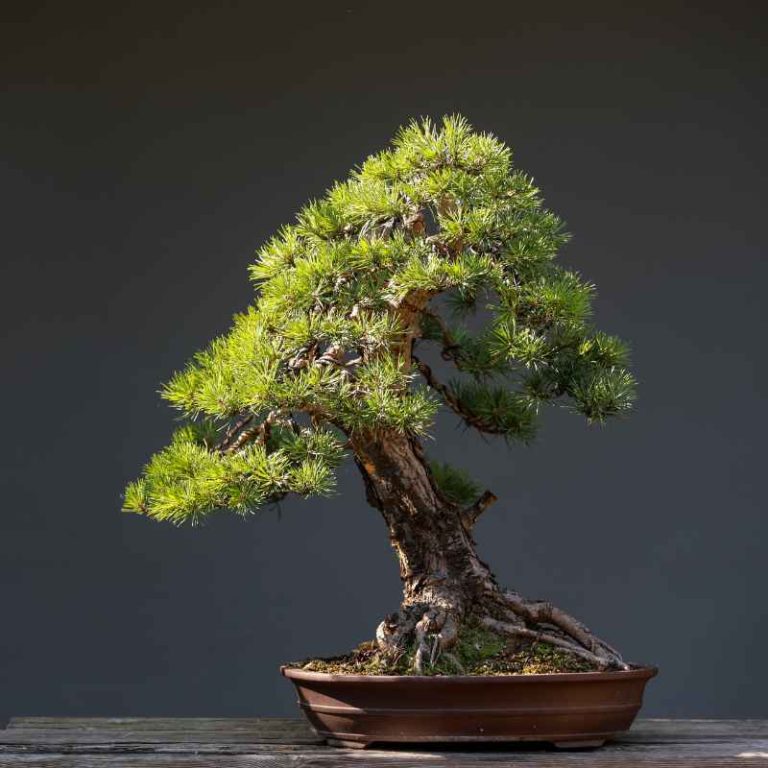
Good nebari makes the tree look old and strong. It makes the tree seem like it has been there for a long time. It gives the tree a sense of history.
Most trees naturally grow roots downwards. This is their survival instinct. They seek water deep in the soil.
In a pot, this is not always ideal. We want roots to spread outwards. We want them to look like they are radiating from the trunk base.
This gives the bonsai a natural, mature look. It makes the tree appear more grounded.
Sometimes, roots just grow down. They might circle the pot. They can become a tangled mess.
This is not good for the tree’s health. It also ruins the visual appeal. We need to encourage the roots to grow up and out.
This is a patient process. It requires understanding how roots behave. It also needs the right techniques.

Why Is Nebari So Important?
The nebari is like the foundation of your bonsai. It’s what makes the tree look stable and grounded. Think about a giant old tree in a forest.
Its roots spread out wide. They grip the earth. This gives it a powerful presence.
A bonsai with good nebari mimics this. It gives the tree a sense of age and character. It makes the tree look more realistic.
A well-developed nebari adds significant value. It’s a sign of skilled bonsai care. It shows the artist’s vision.
It’s not just about aesthetics, though. A good spread of surface roots helps the tree. It helps it take up water and nutrients more evenly.
It can also improve air circulation around the root collar. This is the area where roots meet the trunk.
When roots grow only downwards, the tree can look weak. It might seem top-heavy. It may not have that desired visual anchor.
This is why so many bonsai artists focus on root work. They spend time developing the nebari. It’s a crucial part of the bonsai journey.
It takes dedication and consistent effort.
My Own Struggle with Nebari
I remember my first decent-looking juniper bonsai. It was a gift. I loved it.
But looking at the base, I felt a pang of disappointment. The roots were just a tight little ball. They seemed to dive straight into the soil.
It looked unfinished. I wanted that classic, fanned-out root look. I had seen it in books and online.
My tree just didn’t have it.
I started reading everything I could. I watched videos. Many talked about wiring roots.
Others mentioned air pruning. I felt a bit overwhelmed. Was I going to harm my tree?
The thought of messing with the roots made me nervous. I pictured a delicate network of roots being damaged. I felt a real sense of anxiety about it.
One weekend, I decided to be brave. I carefully repotted the juniper. I gently teased out the roots.
I tried to comb them outwards. Some broke. I felt a small wave of panic.
But I kept going. I used chopsticks. I used tiny tools.
I worked slowly. It took me hours. The result wasn’t perfect.
But I could see a slight improvement. It was a small victory. That experience taught me patience.
It also showed me that it’s okay to try new things.
Starting Your Nebari Journey
When to Begin: It’s never too early to think about roots. For younger trees, you can start training them as soon as they have a decent trunk. Older trees might need more careful, gradual work.
What You’ll Need:
- Sharp, clean tools (root scissors, chopsticks)
- A suitable soil mix
- Patience!
First Steps: Don’t be afraid to repot. Gently untangle roots. Look for natural growth directions.
Techniques to Encourage Root Growth Upwards
There are several effective ways to encourage your bonsai’s roots to grow further up the trunk. These methods require care and understanding of your tree’s needs. They are about guiding, not forcing.
1. Repotting and Root Pruning
Repotting is a cornerstone of bonsai care. It’s not just about fresh soil. It’s a chance to inspect and shape the root ball.
When you repot, you can prune roots. This is especially important for downward-growing ones. You want to cut off thick, circling roots.
These often grow right from the trunk base. They can become a problem later.
When you prune, make clean cuts. Use sharp root scissors. Focus on removing roots that are growing straight down.
Or roots that are very thick and woody. These will not contribute to good nebari. Instead, try to encourage thinner, fibrous roots.
These tend to spread more horizontally. They are what you want for a beautiful base.
After pruning, gently comb the remaining roots outwards. Use a chopstick or a root hook. This helps spread them evenly.
It encourages them to grow in the direction you want. This step is critical. It sets the stage for future root development.
Make sure you are working with healthy roots. Avoid repotting a sick tree. Give it time to recover first.
2. Using Rooting Hormone
Rooting hormone can be a helpful tool. It encourages root formation. After pruning, you can apply rooting hormone to the cut surfaces.
Or you can dip the entire root ball in it. This can give the roots a boost. It encourages them to grow more actively.
It might help stimulate growth in desired directions. Use it according to product instructions. A little goes a long way.
3. Air Pruning Pots
Special pots designed for air pruning can make a big difference. These pots have holes along the sides. Or they have perforated walls.
When a root grows towards these holes, its tip is exposed to air. This causes the root tip to dry out and stop growing. The plant then responds by sending out new roots from behind the tip.
This process stops roots from circling the pot. It encourages the development of more fibrous roots. It also helps create a more compact root ball.
While not specifically designed to force roots upwards, this method leads to a healthier, more branched root system. This healthier system is more likely to produce good nebari. These pots are a great investment for serious bonsai growers.
4. Root Over Rock (Advanced)
This is a more advanced technique. It involves placing a pot or a form on top of a rock. The tree’s roots are then guided down.
They grow over the rock and into the soil below. As the roots grow, they conform to the rock’s shape. This can create a beautiful visual effect.
It makes the roots look like they are embracing the stone. It’s a way to naturally create interesting root structures. It needs careful planning and execution.
5. Strategic Wiring of Roots
For more direct control, you can use wire. After repotting, you can gently tie down individual roots. Use anodized aluminum or annealed copper wire.
Wrap the wire around the root. Then angle it outwards or upwards. This helps hold the root in the desired position.
As the root grows, it will tend to follow the wire. Over time, the wire can be removed. The root will hold its shape.
This is a powerful technique. It needs a delicate touch. You don’t want to damage the root.
Be careful not to constrict the root too much. You want it to grow, not be choked. Check the wire regularly.
Loosen it if it starts to bite into the root. This is best done on younger, more flexible roots. Older, woody roots are less forgiving.
This method is great for positioning specific roots. It helps create that radial spread you are looking for.
The Role of Soil
Why Soil Matters: A good bonsai soil mix is airy. It drains well. It also retains some moisture.
This is crucial for root health. It prevents root rot. It helps roots breathe.
Healthy roots are more likely to grow actively.
Ideal Mix: A common mix includes akadama, pumice, and lava rock. Ratios can vary. The goal is good drainage and aeration.
Avoid heavy, dense soils. They suffocate roots.
When to Perform These Techniques
Timing is everything in bonsai care. These root-shaping techniques are usually best done during repotting. This is typically done in early spring.
It’s when the tree is coming out of dormancy. New growth is about to start. This is the tree’s period of greatest vigor.
It can recover from root disturbance more easily.
For young trees, you might repot every year or two. As the tree matures, you might repot every 3-5 years. The frequency depends on the species.
It also depends on how fast the roots grow. Observe your tree. If it starts to dry out very quickly, or if roots are circling the pot heavily, it’s probably time to repot.
If you are just starting, focus on understanding the basics. Don’t feel pressured to do everything at once. Gentle root combing during repotting is a great first step.
As you gain confidence, you can explore more advanced techniques like wiring or air pruning. Always prioritize the tree’s overall health. Never compromise it for aesthetics.
Understanding Different Tree Species
Different tree species have different root growth habits. Some naturally develop better nebari than others. Pines and junipers are often favorites for developing dramatic nebari.
Their roots tend to be more fibrous. They respond well to shaping techniques. Maples also have good potential for nebari development.
Their roots are quite flexible when young.
Ficus trees are very forgiving. They produce aerial roots. These can be guided and trained to become part of the nebari.
This gives them a unique jungle-like appearance. Some deciduous trees, like elms, can be a bit trickier. Their roots can grow thicker and woodier faster.
They might require more aggressive pruning. Or more consistent wiring.
Always research your specific tree species. Learn about its natural growth patterns. Understand its tolerance for root disturbance.
This knowledge will guide your decisions. It will help you choose the best techniques. It will also tell you when to be more cautious.
What works for a pine might not be ideal for a beech.
Quick Scan: Nebari Development Factors
| Factor | Impact on Nebari | Action/Consideration |
| Repotting Frequency | More frequent allows for root pruning. | Adjust based on species and growth rate. |
| Root Pruning | Removes thick, downward roots. | Encourages finer, outward roots. |
| Wiring | Positions roots in desired directions. | Use carefully on younger roots. |
| Soil Type | Good drainage prevents rot. | Use airy, free-draining mixes. |
| Light & Water | Healthy tree = healthy roots. | Provide consistent care. |
What This Means for Your Bonsai
Developing good nebari is a long-term goal. It’s not something that happens overnight. It requires consistent effort over many years.
But the reward is significant. A bonsai with excellent nebari is a truly stunning piece of living art.
When your bonsai has well-developed surface roots, it looks more natural. It appears more mature. It gives the impression of stability.
It’s a sign that you understand the tree’s needs. You have cared for it deeply. It enhances the overall aesthetic appeal of the tree.
It makes it more impressive to look at.
You’ll also notice improvements in the tree’s health. A balanced root system is more efficient. It can take up water and nutrients better.
This leads to a stronger, more resilient tree. It’s better able to withstand stress. It’s more likely to thrive in its pot.
When to Worry About Root Growth
Most root issues are about aesthetics or long-term health. However, there are times when root growth can signal a serious problem. You should worry if you see:
- Extremely rapid decline: If the tree suddenly starts wilting or losing leaves, check the roots. This could indicate root rot. Root rot happens when soil stays too wet.
- Foul smell: When you repot, if the roots have a rotten, swampy smell, it’s a bad sign. This usually means anaerobic conditions.
- Fungal growth: White or fuzzy mold on the roots can be a problem. It often means the soil is not draining well enough.
- Massive root galls or tumors: While less common in bonsai, these can be caused by bacteria or nematodes. They need professional diagnosis.
If you notice any of these signs, act quickly. You might need to repot immediately. You may need to trim away affected roots.
You might also need to change your soil mix. Consider your watering habits too. Overwatering is a common cause of root problems.
Ensure your pot has good drainage holes.
Observational Flow: Developing Nebari
Year 1-3: Focus on trunk development. Basic repotting to remove circling roots. Gentle root combing.
Year 3-5: Begin intentional root selection. Prune thicker downward roots. Start guiding a few key roots outwards with gentle wiring.
Year 5-10: Continue refining the root spread. Add more roots to the desired pattern. Ensure all roots are healthy and growing.
Air pruning can be beneficial here.
Year 10+: Maintain the established nebari. Focus on ramification of the root structure. Occasional, light pruning as needed.
Enjoy the mature look!
Quick Tips for Better Nebari
Here are some simple, actionable tips to help you develop better nebari on your bonsai:
- Start with a good foundation: When buying or collecting a tree, look for good trunk taper. This is the natural narrowing of the trunk from base to tip. Also, check if there are any surface roots already visible.
- Repot at the right time: Always repot in early spring, just as buds begin to swell. This is when the tree has the most energy.
- Use the right tools: Invest in clean, sharp root scissors and a good chopstick or root hook. They make the job much easier and cleaner.
- Be patient: Developing great nebari takes years. Don’t get discouraged if you don’t see dramatic changes immediately.
- Observe nature: Look at old trees in parks or forests. See how their roots spread out. Try to mimic that natural look.
- Don’t over-prune: While pruning is important, remove only what’s necessary. You don’t want to shock the tree.
- Water wisely: Healthy roots need consistent moisture. But they also need air. Find the right balance for your tree and its soil.
- Consider your pot: Choose a pot that is proportional to the tree. A pot that is too deep can encourage downward root growth. Shallow pots often encourage more horizontal root spread.

Frequently Asked Questions About Bonsai Root Growth
What is the best soil for encouraging root growth in bonsai?
The best soil for bonsai is a mix that drains very well. It should also allow for good aeration. Common ingredients include akadama, pumice, lava rock, and sometimes a little organic material like pine bark.
This type of mix prevents waterlogging, which can lead to root rot. It encourages roots to seek out air and moisture, promoting healthier growth.
How often should I repot my bonsai to work on its roots?
Younger, fast-growing trees might need repotting every 1-2 years. Mature trees usually need repotting every 3-5 years. The exact timing depends on the tree species and how quickly its roots fill the pot.
Signs that it’s time to repot include water draining very slowly or roots circling the pot extensively.
Can I use heat to encourage faster root growth in my bonsai?
Applying heat directly to bonsai roots is generally not recommended. It can easily damage or kill the roots. Healthy root growth comes from proper soil, watering, and light.
Some growers might use a heated mat under the pots in cooler climates during the growing season to aid overall vigor, but this is not a direct root stimulation method.
What is the difference between nebari and surface roots?
Nebari is the term for the overall spread of surface roots at the base of a bonsai trunk. Surface roots are the individual roots that are visible above the soil. So, nebari is the collection and arrangement of these surface roots, creating the desired visual effect of stability and age.
How do I know if my bonsai’s roots are healthy?
Healthy bonsai roots are typically light in color, firm, and moist. They should smell fresh, not sour or rotten. When you repot, you should see a good network of fine, fibrous roots.
If roots are dark, mushy, brittle, or have a foul odor, they are likely unhealthy, possibly due to overwatering or poor soil drainage.
Is it okay to leave wires on bonsai roots for a long time?
It’s best to check wires on bonsai roots regularly. If the root grows and the wire starts to dig into it, you must remove or loosen the wire. Leaving wire on too long can cause permanent damage to the root.
The goal is to guide the root’s shape, not to strangle it. Remove wires once the root has set in its new position.
The Long Game of Bonsai Roots
Developing the root structure, or nebari, of your bonsai is a journey. It’s a journey that requires patience and dedication. But it is incredibly rewarding.
You are not just growing a tree; you are crafting a miniature landscape. You are creating a living piece of art.
Focus on understanding your tree. Learn its needs. Apply these techniques thoughtfully.
Celebrate the small victories. Enjoy the process. Your bonsai will thank you for it.
It will grow into a more beautiful and stable specimen. It will be a testament to your skill and care.