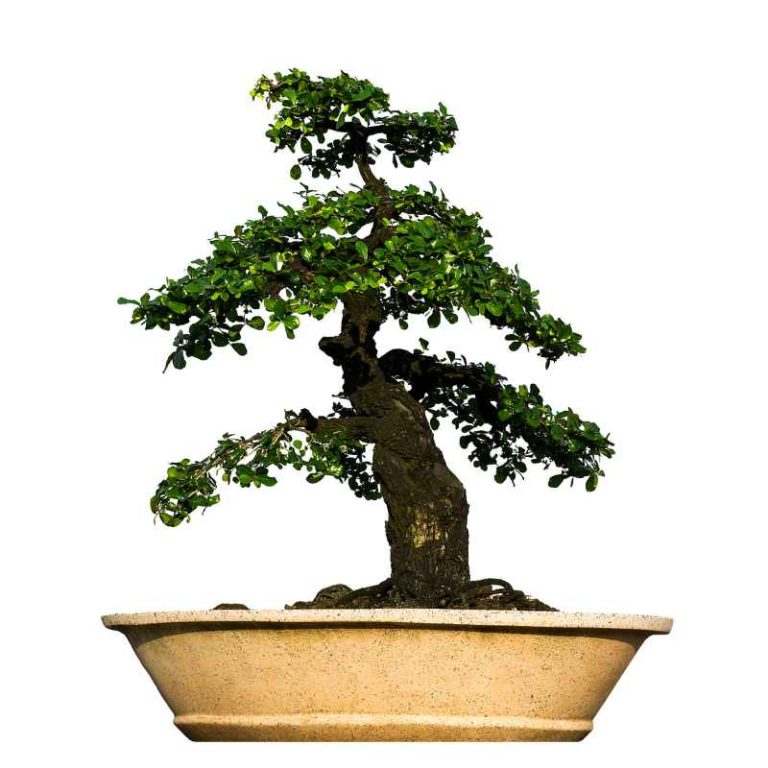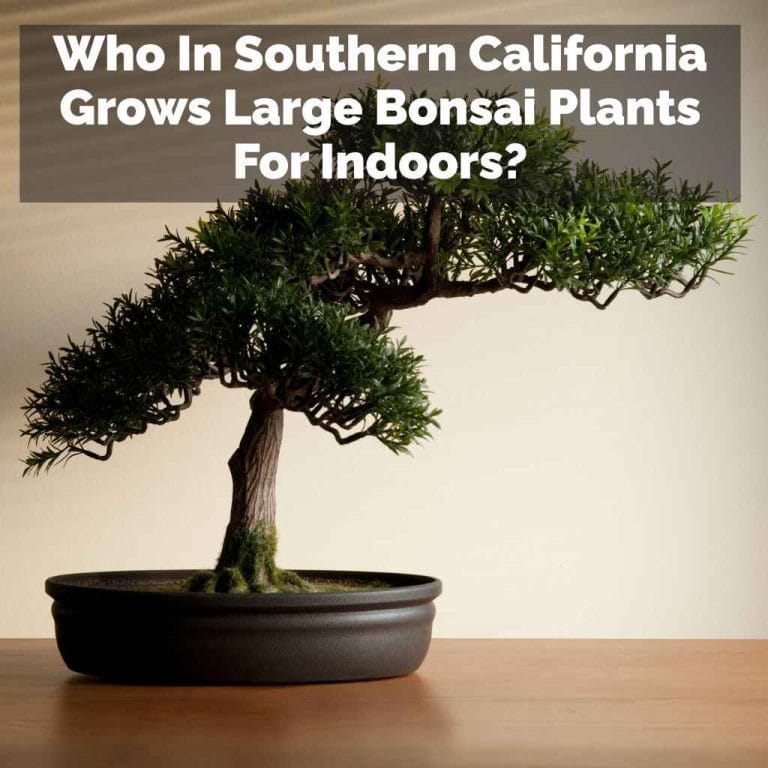
What Kind of Soil Does a Sago Palm Bonsai Really Need?
Knowing what kind of soil a sago palm bonsai tree needs is the difference between a thriving miniature specimen and a slow decline. This guide explains the ideal gritty, well-draining mix, how to prepare it yourself, and how to avoid common soil mistakes that cause root rot.
Simply put, a sago palm bonsai needs a coarse, fast-draining soil mix with excellent aeration. Combine one part perlite or pumice, one part coarse sand, and one part organic matter like pine bark or compost to mimic its natural sandy habitat and prevent waterlogged roots.
Key Takeaways
- Sago palm bonsai soil must drain quickly to avoid root rot, the #1 killer of indoor plants.
- A quality mix contains 50–70% inorganic particles like perlite, pumice, or coarse sand for aeration.
- Repot your sago palm bonsai every 2–3 years with fresh sago palm bonsai soil to keep nutrients balanced.
- All parts of the sago palm are toxic to pets, so always handle the soil and plant with care.
- Store-bought cactus mixes work if you add extra drainage, but a DIY mix gives you the best control.
bonsai soil mix with perlite, pumice, and coarse sand |title: Sago Palm Bonsai Soil Mix Components–>
What Makes a Good Sago Palm Bonsai Soil Mix?
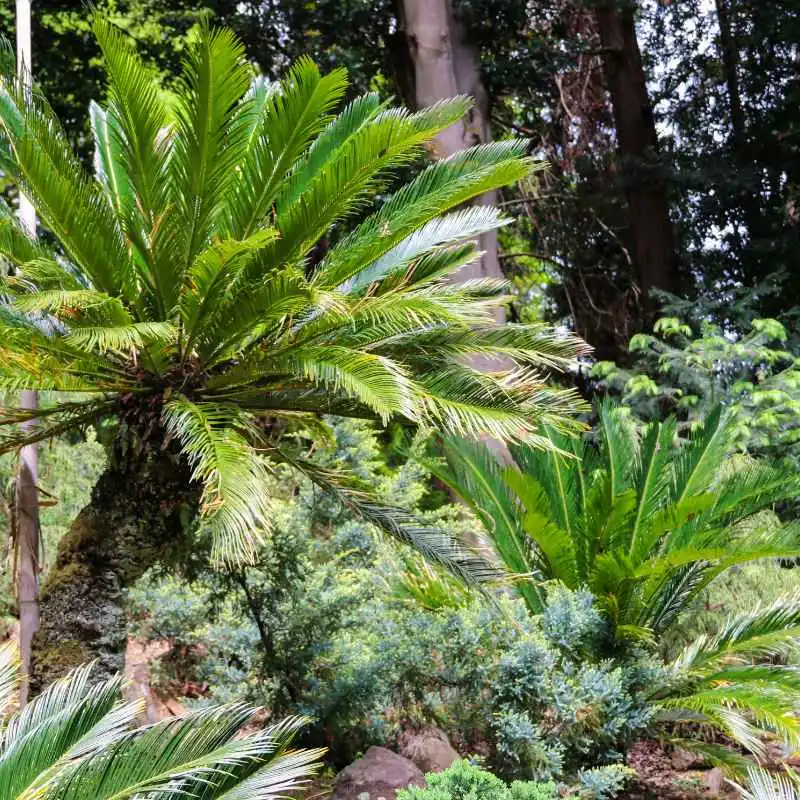
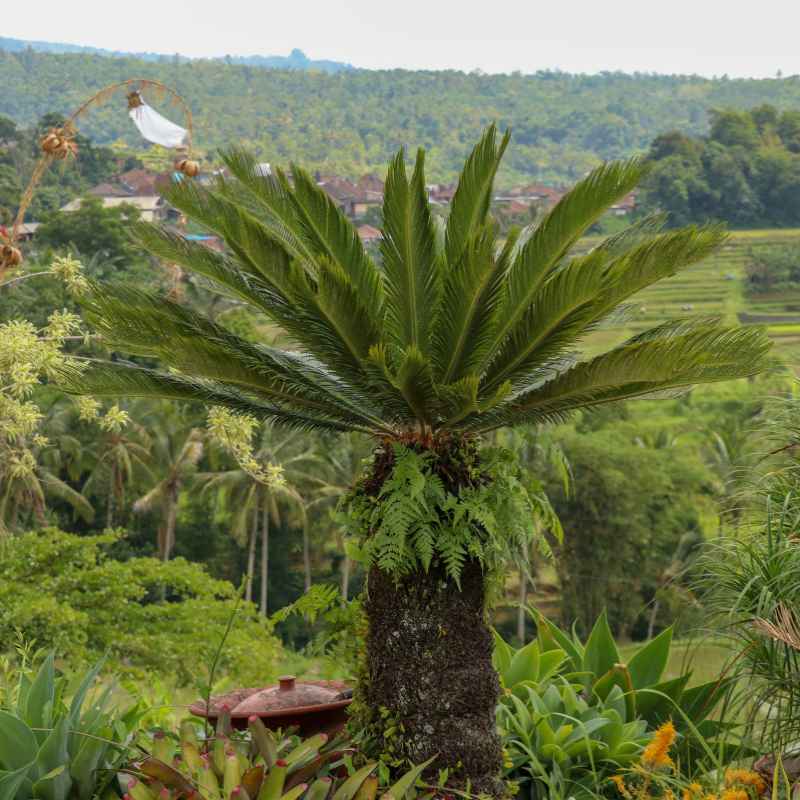
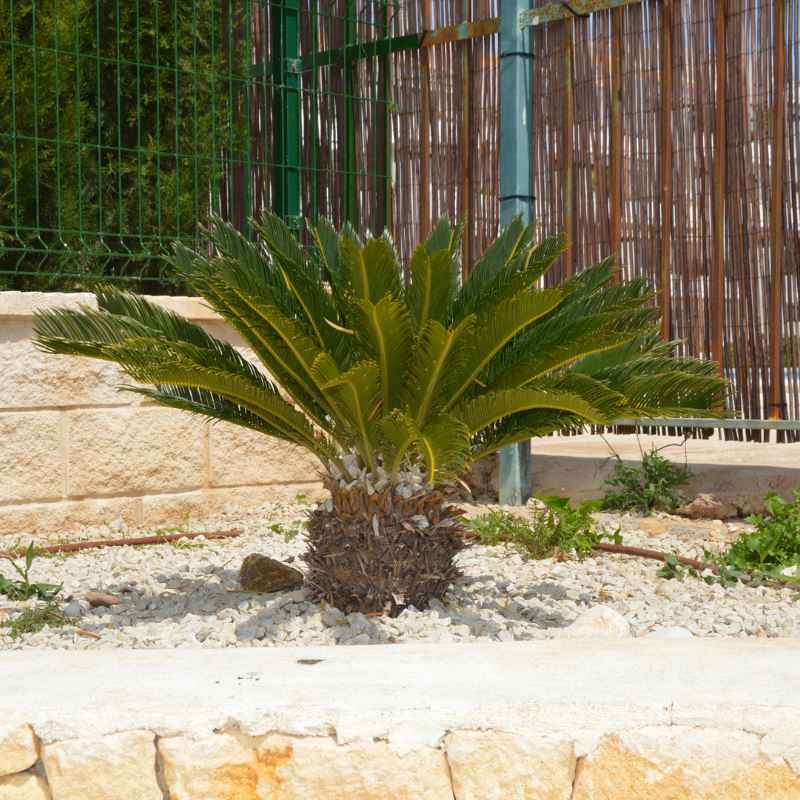
A sago palm (Cycas revoluta) is not a true palm. It is a cycad that naturally grows in rocky, sandy, well-drained locations. In the wild, these plants rarely sit in wet soil, so your bonsai mix needs to replicate those conditions.
The single most important characteristic of a sago palm bonsai soil mix is drainage. Water must flow through the pot within seconds, not pool on the surface. That means gritty, coarse particles should make up more than half of your mix.
Fine garden soil and clay hold too much moisture and will suffocate the roots.
Here are the qualities to look for in every ingredient:
- Fast drainage: Water should run out of the bottom of the pot quickly after watering.
- Aeration: Roots need oxygen. Large particles create pockets for air.
- Low organic content: Avoid heavy compost-based soils that degrade and compress over time.
- Slight acidity: Sago palms prefer a pH between 5.5 and 6.5.
- Stable structure: The mix should not fall apart or shrink after several waterings.
- Moisture retention: While the mix drains fast, it still needs to hold a little water around the roots.
- Weight: Soil should feel light and airy, not heavy and dense.
According to the University of Florida IFAS Extension, sago palms are hardy in USDA zones 9–11, but they can rot quickly in poorly drained containers. The right soil physically prevents water from clinging to the roots for too long.
Tip: Test drainage before planting. Water the dry mix in an empty pot. If water is still standing after 10 seconds, you need more perlite or coarse sand.
How to Choose the Best Soil for a Sago Palm Bonsai
Choosing the right soil starts with understanding the plant’s natural habitat. Cycas revoluta grows on slopes and coastal cliffs where water never lingers. For a bonsai grown in a shallow pot, your soil must act like that fast-draining terrain.
There are three routes you can take: buy a pre-blended bonsai soil, modify a store-bought cactus mix, or mix your own from raw ingredients. Each option has its own trade-offs in cost, convenience, and performance.
| Option | Pros | Cons |
|---|---|---|
| Pre-blended bonsai soil (e.g., akadama, pumice, lava rock) | Designed for woody bonsai; giant particles, minimal rot | Expensive; may dry out too fast for a sago palm |
| Store-bought cactus mix + 30% perlite/coarse sand | Affordable, easy to find, good starting point | Still too dense for many climates; organic fines compact |
| DIY mix (perlite + pumice + pine bark) | Fully customized drainage, aeration, and pH | Requires buying several separate components |
If you choose a generic cactus mix, always read the ingredients. Many commercial mixes contain peat moss or fine bark that breaks down into dust within six months. Add extra perlite or pumice to bring the inorganic content to at least 60%.
Sago palms root slowly, and their storage roots can sit in moisture for long periods, but they still need oxygen.
Bonsai Empire reports that most bonsai health problems trace back to poor soil structure. A soil that stays soggy after a week will lead to yellow fronds, soft trunks, and eventually root rot. For a beginner, choosing a mix that looks like small river pebbles rather than garden dirt is a safe guideline.
Important: The sago palm has a swollen caudex (trunk base) that stores water. It does not need the same moisture retention as tropical ficuses. In fact, it prefers to stay on the drier side. Use a soil that dries fairly completely between waterings.
The Ideal Soil Components for Sago Palm Bonsai
To build a reliable sago palm bonsai soil, you need to understand the function of each ingredient. Inorganic particles provide drainage and structure, while a small amount of organic matter holds nutrients and a trace of moisture.
A proven ratio that works for most indoor growers is 1 part inorganic coarse material, 1 part drainage aggregate, and 1 part organic soil. Let’s break down the best candidates for each role.
| Ingredient | Role | Why It Works |
|---|---|---|
| Perlite | Aeration and drainage | Light, porous volcanic glass that keeps the mix fluffy |
| Pumice | Water retention + aeration | Holds water inside its pores but drains freely around the edges |
| Coarse sand / grit | Stability and weight | Adds density to hold the heavy cycad trunk upright |
| Pine bark fines (orchid bark) | Organic nutrition | Breaks down slowly, slightly acidifies the soil, and retains just enough moisture |
| Akadama or clay pellets | Nutrient holding | Popular in bonsai; clay particles hold cations and release them slowly |
Avoid using pure standard potting soil alone. It contains fine particles like silt and organic fibers that compact, suffocate roots, and hold water far too long. If you do use a standard potting soil, sift it first to remove the smallest dust particles and add a heavy dose of perlite.
You can also add a thin layer of sphagnum moss on top as a humidity layer, but never mix it into the soil. Sphagnum holds so much water that it can keep the root zone constantly wet, which is exactly what you want to prevent.
Warning: Never use beach sand. It contains salt and tiny fragments that pack tightly, reducing drainage. Use horticultural coarse sand or aquarium grit instead.
How to Mix Your Own Sago Palm Bonsai Soil at Home
Mixing your own soil gives you total control and is more affordable in the long run. You only need three or four materials. Follow this process to create a mix that will last 2–3 years without breaking down.
- Gather your ingredients: perlite or pumice, coarse sand or grit, pine bark fines or composted wood chips, and a small amount of peat-free organic compost.
- Wear gloves and a dust mask: Perlite and pumice produce fine dust that irritates lungs. Work in a ventilated area.
- Sift larger particles: Use a mesh sieve to remove particles smaller than 2mm and larger than 8mm. Bonsai soil should feel like small beans.
- Measure equal parts by volume: Use 2 parts perlite/pumice, 2 parts coarse sand, and 1 part pine bark fines. This creates a fast-draining but nutrient-holding mix.
- Add a pinch of slow-release fertilizer: Mix in a small amount of a balanced 10-10-10 fertilizer pellet designed for bonsai. Sago palms are not heavy feeders, so keep it light.
- Moisten the mix: Spray the soil with water until it is slightly damp. This keeps dust down when you pot the plant.
- Test the drainage: Fill a small pot with the wet mix. Pour a cup of water through. It should drain in under 5 seconds.
If you keep your bonsai indoors, you may want a slightly drier mix. That means increasing the perlite or pumice by 10–15%. If you keep it in a humid or cool room, reduce the organic content.
In hot, dry climates, a little more pine bark will help the soil hold moisture longer.
The American Bonsai Society recommends watering bonsai only when the soil surface feels dry to the touch. With a good DIY mix, you should see water exit the drainage holes within seconds. If it takes longer than 30 seconds, add more inorganic aggregate immediately.
Common Soil Mistakes That Kill a Sago Palm Bonsai
Even with the right intentions, small errors can ruin the health of your sago palm. Overwatering atop dense soil is the number one mistake. Because the caudex stores water, many gardeners think the plant needs frequent moisture, but the opposite is true.
Another common error is leaving your bonsai sitting in a saucer of water. The bottom of the pot stays saturated, and roots eventually start rotting. Always empty the saucer after watering.
Here are the most frequent soil-related mistakes to avoid:
- Using heavy garden soil or topsoil: It compacts quickly and forms a barrier that blocks oxygen.
- Skipping the drainage layer: A thin layer of gravel at the pot bottom is helpful, but the entire soil mix must drain, not just the bottom.
- Never repotting: Over time, organic particles break down. If the soil becomes dark and muddy, it will suffocate the roots.
- Fertilizing in soggy soil: Fertilizer salts concentrate when the soil stays wet, burning root tips.
- Ignoring pH: Alkaline soils cause yellowing and nutrient lockout. Sift in pine bark to maintain acidity.
- Leaving the root ball intact during repotting: You need to tease apart the roots and remove old compacted soil.
Warning: Sago palms are toxic to humans and pets. Wash your hands immediately after touching the soil or roots. Keep the leaves and roots away from children and animals. The ASPCA lists sago palm as toxic to dogs, cats, and horses.
If you notice soft spots on the trunk, a sour smell, or fronds turning yellow-brown and mushy, root rot has likely set in. Repot immediately, remove damaged roots with sterile scissors, and replace the entire soil mix with a fresh drier blend.
How and When to Repot for Perfect Soil Health
Repotting is not just about giving roots more room. It is the best way to refresh exhausted soil and restore aeration. Sago palms are slow growers, so they do not need frequent repotting.
Plan to repot every 2–3 years in early spring before new growth appears.
When you repot, remove the tree from the pot, brush off old soil, and inspect the roots. Healthy sago palm roots are thick and somewhat fleshy. Trim back any dark, hollow, or mushy roots.
Then place the plant in a fresh mix that follows the ratios described above.
Choose a shallow bonsai pot with multiple drainage holes. Better drainage comes from the number of holes, not just the material. A shallow pot helps the soil dry faster, which matches the sago palm’s preference.
Signs that your sago palm bonsai needs a new soil mix right away include:
- Water pools on the surface for several seconds before soaking in.
- The soil has shrunken away from the pot edges, leaving gaps.
- Roots are circling the bottom of the pot.
- New fronds are smaller or pale green.
- You notice white mineral crust on the soil surface.
- Fronds have brown tips despite regular watering.
After repotting, wait at least 4–5 days before watering. This lets any damaged roots callus. Then water lightly and place the bonsai in a bright location without direct afternoon sun for two weeks.
Frequently Asked Questions
Can I use regular potting soil for a sago palm bonsai?
Regular potting soil is usually too dense and holds too much water for a sago palm bonsai. You can use it only if you mix it with at least 50% perlite or coarse sand. A commercial cactus mix is a much better base.
How often should I water a sago palm bonsai with good soil?
Let the top inch of soil dry completely before watering. This may mean watering once every 7–10 days indoors, depending on humidity. The fast-draining nature of the soil allows you to water thoroughly each time without leaving the roots wet.
Does a sago palm bonsai need acidic soil?
A slightly acidic pH between 5.5 and 6.5 is ideal. You can maintain this by using pine bark fines in the mix and avoiding tap water that is highly alkaline. If the fronds turn yellow, test the pH and adjust with organic acidifiers if needed.
What is the best commercial soil for sago palm bonsai?
A quality cactus or succulent mix amended with 20–30% extra perlite and coarse sand works well. Specialized bonsai soils that contain akadama, pumice, and lava rock also work, but they may dry out faster than a sago palm prefers.
Should I add fertilizer to the sago palm bonsai soil?
Yes, but only in moderation. Sago palms are slow-growing, so use a balanced liquid fertilizer diluted to half strength once a month during spring and summer. Do not fertilize for two months after repotting, since the fresh organic matter already contains some nutrients.
Final Thoughts
The best sago palm bonsai soil is coarse, fast-draining, and slightly acidic. Mixing your own from perlite, coarse sand, and pine bark gives you total control over drainage and aeration. Repot every 2–3 years, let the soil dry between waterings, and watch for warning signs like yellow fronds or a sour smell.
With the right soil foundation, your sago palm bonsai will stay healthy and beautiful for decades.
For related guidance, see our article on What are the Objects Mentioned in the Poem Bonsai. For related guidance, see our article on Can You Bonsai an Almond Tree And Harvest Almonds. For related guidance, see our article on Can You Apply Bonsai Technique to Full Sized Tress. For related guidance, see our article on Can Bonsai Blue Dwarf Jacaranda Stay in Container.