Liquid Fertilizer Vs Pellets for Bonsai: Which Is Better?
Bonsai cultivation is a nuanced art that blends horticultural science with aesthetic mastery. One of the most debated aspects among enthusiasts and professionals alike is the choice of fertilizer: liquid fertilizer or pellets. This decision affects not just the vigor and appearance of your bonsai, but also its long-term health and development. With the global bonsai market steadily growing and enthusiasts investing more in the quality of their trees, understanding the differences between these two popular fertilization methods is more relevant than ever.
Fertilizer is the lifeblood of a thriving bonsai tree , providing essential nutrients that may be lacking in the limited soil volume of a bonsai pot. As you refine your approach to feeding, the choice between liquid fertilizers and pellet-based (granular) fertilizers becomes a central question. Each method offers unique benefits and challenges, and the “best” option can depend on a range of factors: tree species, climate, growth stage, and even the time you can devote to tree care. In this comprehensive guide, we’ll dissect the merits and drawbacks of each, using evidence, real-world examples, and expert advice to help you choose the right approach for your bonsai.
Key Takeaways
- Liquid fertilizers offer precise nutrient delivery and fast absorption, making them ideal for quick interventions and sensitive species.
- Pellet fertilizers provide a slow, steady nutrient release, reducing maintenance frequency and risk of overfeeding.
- The best fertilizer choice depends on your bonsai’s species, growth stage, environment, and your own maintenance preferences.
- Combining both methods (“hybrid feeding”) can maximize benefits in certain scenarios.
- Data and case studies show that both forms can produce healthy trees, but results vary based on application technique and context.
- Understanding the pros, cons, and usage methods for both options is crucial for optimal bonsai health and growth.
Understanding Bonsai Fertilization Needs
The art of bonsai is not just about shaping trees, but about maintaining their health in a confined environment. The limited soil in a bonsai pot restricts natural nutrient replenishment, making fertilization a critical aspect of tree care.
The Unique Nutrient Demands Of Bonsai
Unlike garden trees, bonsai receive minimal nutrients from their small soil volume. Essential macronutrients—nitrogen (N), phosphorus (P), and potassium (K)—along with micronutrients such as iron, manganese, and zinc, must be supplied consistently. Bonsai often experience nutrient depletion faster than full-sized trees, making scheduled feeding essential.
For example, nitrogen is vital for leafy growth and overall vigor, while phosphorus supports root development and flowering. Potassium aids in stress resistance and overall metabolic function. Additionally, micronutrients—even though required in small amounts—play irreplaceable roles in enzymatic processes and chlorophyll synthesis.
In the confined environment of a bonsai pot, deficiencies can develop rapidly, so attentive and consistent fertilization is critical.
The Role Of Soil And Water
Bonsai soil is typically a well-draining mix of akadama, pumice, and lava rock or similar components. While excellent for root health, this mix doesn’t retain nutrients well, increasing the importance of regular fertilization. Additionally, frequent watering leaches nutrients, further highlighting the need for replenishment.
Watering practices can inadvertently exacerbate nutrient loss. Each time a bonsai is watered deeply, especially in summer, soluble nutrients are washed out of the substrate. This effect is even more pronounced in climates with heavy rainfall or for species requiring daily watering.
As a result, even high-quality soil mixes must be paired with a thoughtful fertilization regimen to ensure ongoing nutrient availability.
Growth Cycles And Fertilization Timing
Most bonsai species follow distinct growth cycles:
- Spring: Rapid growth, highest nutrient demand. This is the most critical period for fertilization as new leaves, shoots, and roots are developing.
- Summer: Continued growth, but often at a slower rate. Some species may experience a growth lull during midsummer heat, while others continue actively.
- Fall: Preparation for dormancy, reduced feeding. Trees begin to slow down, storing energy for the winter; overfeeding can lead to soft growth susceptible to winter damage.
- Winter: Minimal to no fertilization for deciduous species, as metabolic activity is greatly reduced. Tropical species, however, may continue to benefit from light feeding if kept indoors.
Adjusting fertilizer type and frequency to match the growth stage enhances health and vigor. For instance, a burst of nitrogen in early spring helps deciduous trees leaf out vigorously, while a potassium-rich feed in late summer can aid in hardening off new growth.
Common Bonsai Species And Their Needs
- Juniper: Prefers balanced, slow-release feeding. Too much nitrogen can cause long, leggy shoots.
- Maple: Benefits from quick nitrogen boosts in spring. Sensitive to salt buildup, so mild organic options are often preferred.
- Pine: Requires careful control to avoid excessive growth. Lower nitrogen levels are often maintained in summer to promote compact needle growth.
For a detailed breakdown, see the care guides on the Bonsai Empire website.
Liquid Fertilizer For Bonsai: Features, Pros, And Cons
Liquid fertilizers, mixed with water and applied directly to the soil or as a foliar spray, have become increasingly popular for bonsai enthusiasts seeking control and precision.
How Liquid Fertilizers Work
Liquid fertilizers contain dissolved nutrients in a water-soluble form. They can be synthetic or organic, and often come in concentrated bottles to be diluted before application. The nutrients are immediately available for uptake by bonsai roots or leaves.
Unlike granular fertilizers that must break down, liquid fertilizers bypass the soil’s decomposition process and deliver nutrients directly into the plant’s vascular system. This immediacy is especially helpful for correcting deficiencies or supporting trees after stressful events such as repotting or pruning.
Advantages Of Liquid Fertilizers
- Fast-acting: Nutrients are instantly accessible, resulting in quick corrections to deficiencies. This is crucial when a tree shows signs of distress, such as yellowing leaves or poor growth.
- Precision: Dosage can be tailored to a tree’s specific needs, growth stage, or stress conditions. This allows for targeted interventions, such as increasing phosphorus for root development after repotting.
- Ease of Mixing: Easily combined with pest or disease treatments in a single watering session. For example, a liquid feed can be mixed with systemic insecticides or fungicides, reducing the number of separate applications required.
- Flexibility: Suitable for foliar feeding, providing nutrients directly through leaves, which is useful during root stress. Foliar sprays can be especially effective for micronutrient deficiencies or for trees with compromised roots.
Disadvantages And Risks
- Frequent Application Required: Most liquid fertilizers need to be applied every 1–2 weeks, increasing maintenance. This can be a challenge for those with large collections or busy schedules.
- Leaching: Because bonsai soil drains quickly, excess nutrients may wash out before absorption, potentially leading to waste. This is especially problematic for expensive specialty fertilizers.
- Overfertilization Risk: Fast absorption means errors in dilution or timing can lead to root burn or toxicity. It is essential to measure and mix carefully, as even a small miscalculation can harm sensitive species.
- Cost: Over time, frequent liquid applications can be more expensive than slow-release options. The cost may add up, particularly for high-quality, specialized bonsai liquid fertilizers.
Best Practices For Liquid Fertilizer Use
- Dilute Properly: Always follow manufacturer instructions for dilution—over-concentration can harm roots. When in doubt, err on the side of caution and use a weaker solution.
- Apply During Active Growth: Focus on spring and early summer, adjusting frequency as growth slows. For tropicals or indoor bonsai, year-round light feeding may be appropriate.
- Monitor Tree Response: Watch for signs of overfeeding (leaf burn, yellowing) or underfeeding (pale foliage, weak growth). Make gradual adjustments, never drastic changes.
- Foliar Feeding: Use as a supplement during stress periods (e.g., after repotting). Mist leaves in the early morning or late evening to minimize evaporation and maximize uptake.
Example: Rescue Of A Weak Maple
A bonsai enthusiast noticed chlorosis (yellowing leaves) in a Japanese maple. Switching to a chelated iron-rich liquid fertilizer resolved the issue within two weeks—demonstrating the rapid corrective ability of liquids. In another case, a ficus suffering from magnesium deficiency responded visibly within days to a dilute liquid fertilizer containing magnesium sulfate.
Popular Liquid Fertilizer Brands
- Miracle-Gro Liquid All Purpose
- Dyna-Gro Bonsai Pro
- BioGold Liquid (organic)
- Schultz Liquid Plant Food
- Fertilome Liquid Concentrate
For more information on liquid fertilizer chemistry and application, visit the Wikipedia Fertilizer page.
Pellet (granular) Fertilizer For Bonsai: Features, Pros, And Cons
Pellet or granular fertilizers are solid, slow-release forms placed on or in the soil, gradually breaking down over weeks or months.
How Pellet Fertilizers Work
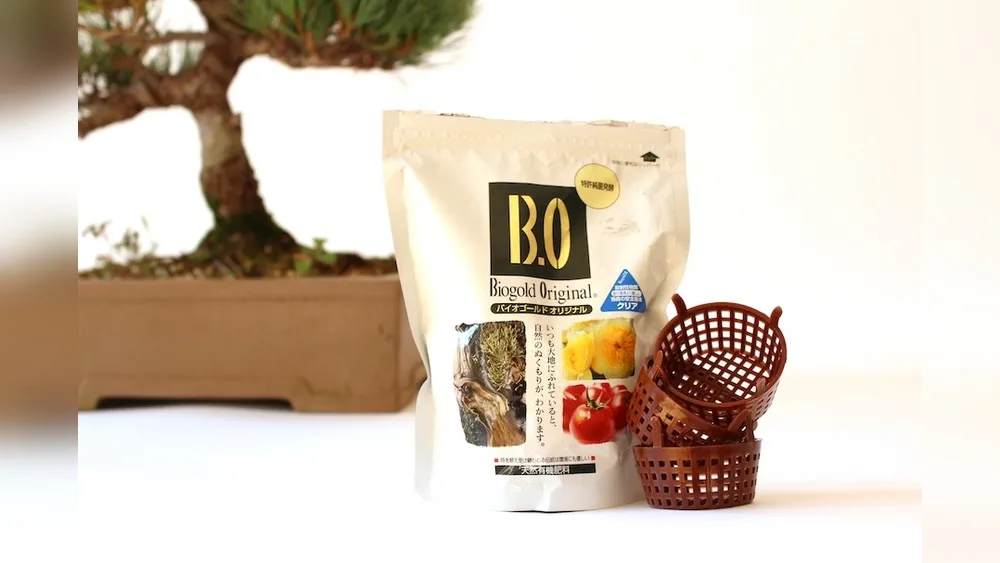
These fertilizers consist of compressed nutrient-rich granules or pellets. When watered, they slowly dissolve, releasing nutrients at a controlled rate. They come in both synthetic and organic forms, such as osmocote (synthetic) and BioGold (organic).
The slow breakdown of pellets is influenced by temperature, microbial activity, and soil moisture. In warm, moist conditions, nutrients are released more quickly; in cooler or drier environments, the process slows down. This can be both an advantage and a limitation, depending on your climate and species.
Advantages Of Pellet Fertilizers
- Low Maintenance: Apply every 4–8 weeks, depending on product, reducing labor. For busy growers, this means less time spent mixing and measuring.
- Steady Release: Provides a consistent supply of nutrients, minimizing peaks and troughs in availability. This creates a stable environment, especially beneficial for species that dislike sudden nutrient changes.
- Reduced Overfeeding Risk: Slow release helps prevent sudden nutrient surges that can burn roots. This is particularly important for sensitive or valuable bonsai.
- Less Waste: Nutrients remain available in the soil longer, improving uptake efficiency. As pellets dissolve gradually, trees can absorb nutrients as needed, minimizing runoff.
Disadvantages And Risks
- Slower Correction of Deficiencies: Not ideal for rapid intervention if a tree is showing acute stress. If a deficiency develops, a supplemental liquid feed may still be required.
- Less Precision: Harder to adjust nutrient levels on the fly. Once pellets are applied, it’s not possible to easily reduce their effect if conditions change.
- Potential for Uneven Distribution: Pellets may not release nutrients evenly across the root zone. Placement is important; using baskets or spreading pellets uniformly can help.
- Attraction to Pests: Organic pellets can attract insects or rodents if not properly managed. Using mesh baskets or covering pellets with a thin soil layer can reduce this risk.
Best Practices For Pellet Fertilizer Use
- Place Evenly: Distribute pellets across the soil surface, avoiding direct contact with the trunk. This helps prevent localized overfeeding and trunk burn.
- Use Baskets: For organic pellets, use mesh baskets to prevent them from washing away or attracting pests. These are especially helpful during heavy rain or when watering with a hose.
- Match to Growth Cycle: Time applications to coincide with active growth periods. For most species, this means starting in early spring and stopping in early fall.
- Monitor for Depletion: Replace pellets as they break down and diminish. Some pellets may last longer in cool or dry weather, so adjust accordingly.
Example: Long-term Juniper Development
A professional bonsai nursery used organic pellet fertilizer on a collection of junipers. Over a five-year period, trees exhibited steady, compact growth and rich color, requiring minimal corrective interventions. This demonstrated how slow-release feeding could maintain tree health with less hands-on time, and it reduced the risk of accidental overfeeding.
Popular Pellet Fertilizer Brands
- BioGold Original (organic)
- Osmocote Smart-Release
- Green Dream Bonsai Fertilizer
- Aoki Bonsai Fertilizer
- Hanagokoro Organic Pellets
Further reading on slow-release fertilizer technology is available from ScienceDirect.
Liquid Vs Pellet Fertilizer: Head-to-head Comparison
To help you decide, let’s compare liquid and pellet fertilizers across key criteria relevant to bonsai care.
Nutrient Release Profile
- Liquid: Immediate availability, rapid uptake. This is ideal for quick interventions, such as after repotting or during periods of fast spring growth.
- Pellet: Gradual release, extended feeding window. This supports steady, controlled growth and reduces the risk of nutrient surges.
Application Frequency And Maintenance
- Liquid: Every 1–2 weeks; higher labor. Best suited to growers who enjoy frequent interaction with their trees or those managing small collections.
- Pellet: Every 4–8 weeks; low maintenance. Excellent for large collections or for enthusiasts who travel frequently.
Risk Of Overfeeding
- Liquid: Higher, especially if over-applied. Mistakes in measurement or frequency can lead to fertilizer burn.
- Pellet: Lower, thanks to slow-release action. However, applying too many pellets at once or using overly strong formulas can still cause issues.
Cost Considerations
- Liquid: Can become expensive with frequent use, especially if using premium brands or feeding a large collection.
- Pellet: Often more cost-effective per application, especially for organic or bulk options.
Data-driven Comparison Table
| Feature | Liquid Fertilizer | Pellet Fertilizer |
|---|---|---|
| Release Speed | Immediate | Slow (weeks/months) |
| Application Frequency | 1–2 weeks | 4–8 weeks |
| Risk of Overfertilization | High if overdosed | Low/Moderate |
| Cost (annual average) | $30–$60 | $15–$40 |
| Ease of Use | Requires mixing | Apply and forget |
| Best For | Fast interventions, sensitive trees | Routine feeding, busy growers |
Real-world Case Study: Urban Bonsai Studio
An urban bonsai studio in Chicago experimented with both fertilizers on a collection of 50 trees—half received liquid feed, half pellets. After a full growing season, both groups showed similar overall health and growth, but the liquid-fed group required more frequent monitoring and labor.
The studio now uses pellets as their “default,” supplementing with liquid fertilizer for trees showing stress or after repotting.
Further feedback from the studio highlighted that while pellets offered convenience and stability for most trees, the ability to “fine-tune” with liquids meant they could quickly address specific deficiencies or respond to changing weather patterns. This flexible approach has become popular among urban growers with diverse species.
Factors To Consider When Choosing Fertilizer
Selecting the right fertilizer for your bonsai is not just about product preference—it requires assessing your unique situation.
Tree Species And Growth Stage
- Deciduous Trees (e.g., maples): Often benefit from liquid fertilizers in spring for a nitrogen boost, with pellets for steady feeding. In autumn, switching to a low-nitrogen feed helps prepare the tree for dormancy.
- Evergreens (e.g., junipers, pines): Respond well to consistent, slow-release feeding; less need for rapid interventions. For flowering or fruiting species, a phosphorus-rich pellet can support bud and fruit development.
Climate And Environment
- Tropical/Indoor Bonsai: Faster metabolic rates may favor more frequent liquid feedings. High humidity and warm temperatures can accelerate nutrient uptake, necessitating careful monitoring.
- Outdoor/Temperate Bonsai: Pellet fertilizers can align with seasonal growth cycles and reduce wintertime maintenance. In regions with long winters, pellets can be suspended during dormancy, simplifying care routines.
Watering And Soil Type
- Free-Draining Soil: Leaches nutrients quickly; may benefit from frequent, diluted liquid feeding. Akadama-heavy mixes especially require more attentive fertilization.
- Moisture-Retentive Soil: Holds nutrients longer; pellet fertilizer may suffice. However, overuse in these conditions can risk salt buildup, so periodic flushing is advisable.
Time And Maintenance Preferences
- Busy Growers: Pellet fertilizers reduce the frequency of care. This is ideal for those with large bonsai collections or demanding schedules.
- Hands-On Hobbyists: Liquid fertilizers allow for closer observation and rapid adjustments. This approach can be rewarding for those who enjoy daily interaction and fine-tuning.
Budget Constraints
Over the long term, the cost difference can be substantial, especially for large collections. Refer to the previous table for cost comparisons. For rare or high-value trees, investing in quality fertilizers may be justified by improved growth and health outcomes.
Example: Hobbyist With Mixed Collection
A home grower with both indoor ficus and outdoor pines found that using liquid fertilizer indoors provided better growth, while outdoor pines thrived on pellet-based feeding. Customizing the approach saved both time and money, and enabled targeted care tailored to each species’ unique requirements.
Hybrid Fertilization Strategies: Combining Liquid And Pellets
For some bonsai enthusiasts, the “either/or” debate is unnecessary—combining both methods can deliver optimal results.
How Hybrid Feeding Works
- Baseline Feeding: Use pellet fertilizers as a routine nutrient source, ensuring a steady background level of nutrition.
- Targeted Supplements: Apply liquid fertilizer during periods of high demand or stress (e.g., early spring, after pruning). This can help trees recover quickly from stress events or push new growth when needed.
- Foliar Sprays: Use liquid feeds as foliar sprays when roots are recovering or soil uptake is compromised. This can be especially useful after root pruning or in cases of root rot.
Benefits Of Hybrid Strategies
- Balanced Nutrition: Steady baseline with flexibility for intervention. This reduces the risk of both deficiencies and toxicities.
- Reduced Labor: Less frequent overall application, with occasional focused care. Growers can focus more on design and less on routine chores.
- Customizable: Adjust to tree needs, seasons, and specific deficiencies. For example, magnesium or iron can be supplemented via liquid feeds only when symptoms appear.
Potential Pitfalls
- Overfeeding Risk: Combining both without adjusting dosages can lead to nutrient overload. Always account for total nutrient input when using multiple products.
- Complex Scheduling: Requires record-keeping to avoid overlaps and errors. A simple spreadsheet or journal can help track applications and outcomes.
Data Table: Example Hybrid Feeding Schedule
| Month | Pellet Application | Liquid Application |
|---|---|---|
| March | Apply pellets | Liquid feed (weekly) |
| April–June | Replace pellets every 6 weeks | Liquid feed (biweekly or after heavy pruning) |
| July–August | Continue pellets | Reduce liquid to monthly |
| September | Last pellet feed for year | Liquid only if signs of deficiency |
| October–February | No pellets (dormancy) | No liquid (except for tropical species) |
Real-world Example: Japanese Black Pine Show Tree
A competitive grower preparing a Japanese Black Pine for exhibition used a combination of BioGold pellets for base feeding and a low-nitrogen liquid fertilizer in late summer to promote needle density. The result was a tree with lush, healthy foliage and compact internodes, winning a top prize at a regional show. This hybrid approach also allowed for precise pre-show “finishing” without compromising the tree’s overall health.
Best Practices For Bonsai Fertilization (regardless Of Method)
Regardless of which fertilizer you choose, following best practices will maximize your bonsai’s health and minimize risks.
1. Observe And Respond
- Regularly check for signs of nutrient deficiency (yellowing, stunted growth) or excess (leaf burn, salt crusts).
- Adjust feeding based on tree response, not a rigid schedule. Seasonal weather, repotting, and even pest outbreaks can all affect nutrient needs.
2. Water Properly
- Water thoroughly to flush salts, especially with liquid fertilizers. This prevents salt buildup that can damage roots.
- Avoid waterlogging, which can cause root rot and hinder nutrient uptake. Consistent but not excessive moisture is key.
3. Match Feeding To Growth Stage
- Increase feeding in spring/summer; reduce or stop in fall/winter for most species.
- After repotting, wait until new growth appears before resuming fertilization. Freshly pruned roots are sensitive and may be easily burned.
4. Use Quality Products
- Choose fertilizers from reputable brands with transparent ingredient listings. Cheap, generic fertilizers may have inconsistent nutrient content.
- Organic options (e.g., BioGold, Green Dream) are favored by many for their gentle action and soil health benefits. They also promote beneficial microbial activity in the soil.
5. Avoid Overlapping High-nitrogen Feeds
- Excess nitrogen can cause leggy growth and increased pest susceptibility. It may also reduce flowering in some species.
- Follow recommended dosages and avoid “doubling up” on products. More is not always better.
6. Keep Records
- Maintain a log of fertilizer applications, products used, and tree responses. This helps in diagnosing problems and refining your approach.
- This helps identify what works best for your unique collection and provides valuable data for future reference.
For more detailed fertilization protocols, see the guidelines from the Bonsai Clubs International.
Common Mistakes To Avoid
Even experienced bonsai growers can fall into certain traps. Here’s what to watch out for:
Overfertilization
- Symptoms: Leaf tip burn, salt buildup on soil, stunted or twisted new growth. This can also make trees more attractive to pests.
- Prevention: Dilute liquids properly, do not exceed recommended pellet amounts. If in doubt, use less and observe the tree.
Underfertilization
- Symptoms: Pale leaves, weak shoots, poor root development. Trees may become more susceptible to disease and pests.
- Prevention: Stick to a consistent schedule, especially during active growth. Don’t rely on soil nutrients alone in a small container.
Ignoring Species-specific Needs
- Example: Pines are sensitive to high phosphorus; maples need more nitrogen in spring. Azaleas require acidic fertilizers for optimal flowering.
- Solution: Research the optimal N-P-K ratios for your tree species. Adjust feeding as the tree ages and as its needs change.
Using Outdated Or Low-quality Products
- Tip: Expired or poorly stored fertilizers may lose effectiveness or clump, leading to uneven feeding. Always check expiration dates and storage instructions.
Neglecting To Adjust For Seasonal Changes
- Mistake: Continuing high-frequency feeding into fall/winter can stress trees entering dormancy. Dormant trees cannot use excess nutrients, which may build up and cause toxicity.
For a comprehensive checklist of bonsai care mistakes, refer to the Royal Horticultural Society.
Frequently Asked Questions
What Is The Best Fertilizer Ratio (n-p-k) For Bonsai Trees?
The optimal N-P-K ratio depends on the species and time of year. A balanced fertilizer, such as 10-10-10 or 6-6-6, is often suitable for most bonsai during active growth. In spring, higher nitrogen (e. g. , 12-6-6) supports leaf and shoot development, while lower nitrogen blends (e.
g. , 3-10-10) are beneficial in late summer or for flowering species. Always research your specific tree’s needs, as some may prefer specialized blends (e. g. , acid-loving azaleas or pines).
Can I Switch Between Liquid And Pellet Fertilizers During The Year?
Yes, many growers use pellets as a base feeding method and supplement with liquid fertilizers during periods of high demand or stress. Just be careful not to overlap products with similar nutrient profiles to avoid overfeeding. Gradual transitions are best, and always monitor the tree’s response.
Are Organic Fertilizers Better For Bonsai Than Synthetic Ones?
Both organic and synthetic fertilizers can support healthy bonsai if used properly. Organic fertilizers (such as BioGold) improve soil health and microbial activity but may act more slowly. Synthetic fertilizers provide precise, fast-acting nutrients but require careful dosing. The choice depends on your goals, species, and preference for soil ecology.
Some growers use organics for maintenance and synthetics for interventions.
How Do I Know If My Bonsai Is Over- Or Under-fertilized?
Signs of overfertilization include leaf tip burn, white salt crusts on the soil, and sudden leaf drop. Under-fertilized bonsai may have pale leaves, weak shoots, and poor root growth. Regular observation and record-keeping will help you fine-tune your feeding regimen.
If in doubt, err on the side of caution and reduce feeding until symptoms resolve.
Can I Use Regular Garden Fertilizer For Bonsai?
Garden fertilizers are often too concentrated and may have an unsuitable N-P-K ratio for bonsai. Always dilute fertilizers appropriately and choose products labeled for container or bonsai use to avoid damaging sensitive roots. Specialized bonsai fertilizers account for the unique needs of miniature trees in small pots.
References And Further Reading
- Bonsai Empire – Tree Species Guide
- Wikipedia – Fertilizer
- ScienceDirect – Slow-Release Fertilizer Technology
- Bonsai Clubs International – Fertilizers for Bonsai
- Royal Horticultural Society – Bonsai Care
- NCBI – Plant Nutrient Management in Containerized Plants
Choosing between liquid fertilizer and pellets for your bonsai ultimately comes down to your trees’ needs, your own schedule, and your cultivation goals. Both methods can produce vibrant, healthy bonsai when used thoughtfully. Many experienced growers leverage the strengths of each, creating hybrid strategies that match the rhythms of their trees and their own routines. By understanding the science and practicing attentive care, you’ll ensure your bonsai not only survives but thrives for years to come. With attentive observation and a willingness to experiment, you’ll discover the best blend of techniques for your unique collection, promoting both beauty and longevity in your living art.