Must-Have Bonsai Tools Every Beginner Needs to Start
Bonsai trees are living works of art, blending horticulture with aesthetic design. For beginners, the allure of shaping a miniature tree is often matched with uncertainty about which tools are truly essential. The world of bonsai tools can be overwhelming, filled with specialized instruments and jargon.
Yet, you don’t need an extensive collection to start—just a selection of must-have bonsai tools that will empower you to prune, shape, and nurture your tree from the very first day.
Choosing the right tools is not only about convenience; it’s about fostering healthy growth, preventing damage, and ensuring your bonsai’s longevity. Quality, purpose-driven tools streamline tasks, reduce mistakes, and enhance your confidence. This comprehensive guide demystifies the essentials, explains their uses, and provides actionable advice for building your beginner bonsai toolkit.
Whether you’re cultivating a classic Japanese maple or experimenting with a juniper, these tools are the foundation for your bonsai journey.
Key Takeaways
- Core bonsai tools include shears, concave cutters, wire, tweezers, and root rakes.
- Quality matters: Investing in durable, sharp tools prevents plant damage and saves money long-term.
- Purpose-built instruments simplify tasks like pruning, wiring, and repotting.
- Maintenance is critical: Regular cleaning and sharpening extends tool lifespan.
- Start small: A basic kit is sufficient for most beginner tasks, with upgrades as skills grow.
Credit: www.bonsaioutlet.com
The Essential Bonsai Tools For Beginners
Starting bonsai doesn’t require dozens of specialized tools. Instead, focus on a core set that covers the fundamental tasks: pruning, shaping, repotting, and maintenance. Let’s explore these must-have items in detail.
Pruning Shears
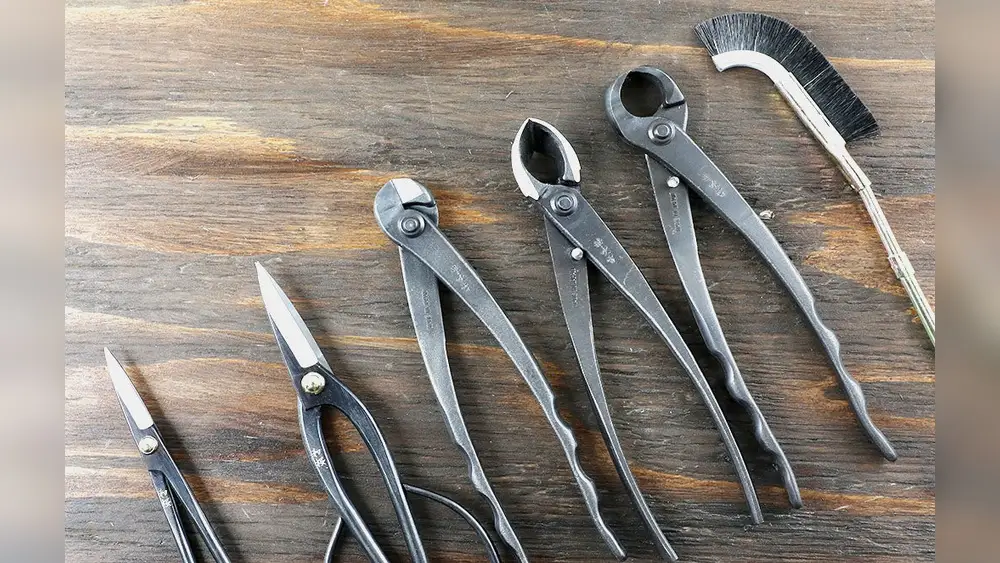
Pruning shears are the cornerstone of bonsai care. Designed for precise cuts, they help shape foliage, remove unwanted growth, and maintain tree health. High-quality shears ensure clean cuts, minimizing trauma to branches and leaves.
- Types: Bonsai-specific shears are smaller and sharper than standard garden scissors. The blade design is often thinner and more refined, allowing for intricate work around delicate branches and leaves.
- Uses: Foliage trimming, branch pruning, deadwood removal. Shears are especially useful for maintaining the overall silhouette of your tree and encouraging denser foliage pads by pinching or trimming new shoots.
- Features: Stainless steel or carbon steel blades, ergonomic handles. Some shears feature a spring mechanism for smoother operation and reduced hand fatigue during extended pruning sessions.
Example: A beginner starts with a Japanese maple. Using bonsai shears, they trim overgrown leaves and shape the canopy without damaging delicate stems. Over time, regular use of sharp shears helps the tree maintain a compact, beautiful form and encourages healthy, vigorous growth by removing weak or unwanted shoots.
Additional Detail: When selecting pruning shears, pay attention to the size and weight in your hand. Tools that are too large or heavy can make delicate work cumbersome and increase the risk of accidental cuts or breakage. Many experienced bonsai growers recommend shears with a blade length of 2-3 inches for most beginner tasks.
Concave Cutters
Concave cutters are specialized for removing branches flush with the trunk. Their unique design leaves a shallow indentation, promoting rapid healing and minimizing scarring.
- Uses: Branch removal, shaping trunk lines, encouraging natural growth. Concave cutters are particularly effective for removing branches where you want the wound to close over cleanly, preserving the tree’s appearance.
- Features: Curved blades, robust construction. The curvature of the blades allows for a controlled, pinching motion that removes the branch without tearing the surrounding bark or wood.
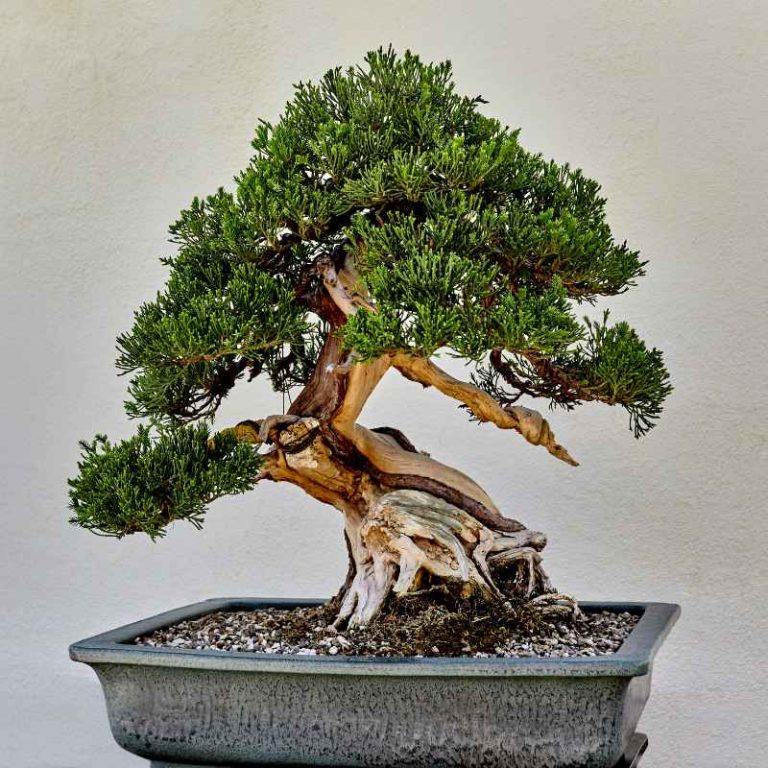
Case Study: A novice removes a thick branch from their juniper using concave cutters. The resulting wound heals smoothly, blending seamlessly into the bark.
Additional Detail: Concave cutters come in various sizes; smaller models are suitable for fine branches, while larger ones are designed for thicker limbs. For beginners, a medium-sized cutter offers versatility across most tree sizes. Proper technique is crucial: always cut perpendicular to the trunk to avoid uneven wounds, and disinfect cutters between uses to prevent disease spread.
Bonsai Wire
Bonsai wire is essential for training and shaping branches. Available in aluminum or copper, it allows you to bend and position limbs, creating the desired form.
- Sizes: 1mm to 5mm thicknesses for different branch strengths. Choosing the correct wire gauge is important—thicker branches require thicker wire for support, while thinner branches can be shaped with fine wire.
- Types: Aluminum is preferred for beginners; copper for advanced shaping. Aluminum is easier to manipulate and less likely to scar the tree if applied carefully.
- Purpose: Structural shaping, correcting growth direction. Wiring is a fundamental technique for developing classic bonsai styles such as informal upright, slanting, cascade, and windswept.
Example: A beginner wires a branch to create a gentle curve, developing a classic bonsai silhouette.
Additional Detail: When applying wire, always start from the base of the tree and work outward along the branch. The wire should be coiled at a 45-degree angle, tight enough to hold the branch but not so tight as to bite into the bark. Check wired branches every few weeks to ensure the wire isn’t cutting into new growth, which can cause permanent scarring.
Root Rake
Root rakes help untangle roots during repotting. Their fine tines prevent root breakage and enable precise separation, vital for maintaining healthy root systems.
- Uses: Root combing, soil removal, repotting preparation. The root rake is also invaluable for examining the root structure and removing old, compacted soil during repotting.
- Features: Metal or bamboo tines, comfortable handle. Bamboo tines are softer and less likely to damage fine feeder roots, making them ideal for delicate species.
Case Study: During repotting, a root rake is used to carefully loosen roots, allowing for optimal placement in a new container.
Additional Detail: Using a root rake requires patience and a gentle touch. Begin by loosening the outer soil and gradually work your way inward, separating roots without tearing them. Well-maintained roots are essential for healthy water and nutrient uptake, and regular root pruning helps keep your bonsai compact and vigorous.
Tweezers
Tweezers are indispensable for removing dead leaves, insects, and debris. Their fine tips offer precision, ensuring you can clean tight spaces without harming foliage.
- Uses: Leaf removal, pest management, moss placement. Tweezers are also useful for arranging surface moss and removing weeds that can compete with your bonsai for nutrients.
- Features: Long, slender design; sometimes include a spatula end. The spatula can be used for tamping down soil or moss and for gently pressing roots into place during repotting.
Example: Tweezers are used to remove aphids from a bonsai’s leaf axils, preventing pest infestations.
Additional Detail: Bonsai tweezers often have textured tips for a better grip on small objects. Investing in a sturdy pair ensures you can perform delicate tasks like thinning needles on pines or adjusting tiny leaves on shohin (miniature) bonsai.
Watering Can With Fine Nozzle
Bonsai watering cans are designed to deliver gentle, controlled water flow. The fine nozzle avoids soil disturbance and ensures even moisture distribution.
- Uses: Daily watering, fertilizer application. Consistent, gentle watering is crucial for bonsai, as strong streams can wash away soil or expose roots.
- Features: Narrow spout, ergonomic design. Some models include removable rose attachments for different spray patterns.
Data Point: According to the Wikipedia Bonsai page, overwatering is a common mistake among beginners—proper tools help mitigate this risk.
Additional Detail: The fine rose of a bonsai watering can mimics natural rainfall, allowing water to seep gradually into the soil. This prevents root rot and ensures that moisture reaches every part of the root ball. Choose a can with a capacity suited to your collection size; smaller cans offer more control for individual trees.
Soil Scoops
Soil scoops simplify potting and repotting. Their curved shape allows precise placement of soil around roots, minimizing mess and maximizing control.
- Uses: Soil transfer, repotting, surface dressing. Scoops also help you layer different soil types—such as drainage material or topdressing—without disturbing the roots.
- Features: Metal or plastic, various sizes. Stainless steel scoops are durable and easy to clean, while plastic scoops are lightweight and inexpensive.
Example: When repotting, a scoop is used to fill gaps around roots without compacting the soil excessively.
Additional Detail: Soil scoops often come in sets of different sizes. The narrowest scoop is ideal for working in small pots or adding soil around tight root masses, while larger scoops speed up the process for bigger trees. Always use the scoop to gently tamp soil into place, avoiding excessive pressure that can suffocate roots.
Comparison Of Essential Bonsai Tools
A side-by-side comparison helps clarify the differences between basic bonsai tools and their alternatives.
| Tool | Purpose | Bonsai-Specific Features | Standard Garden Equivalent | Recommended for Beginners |
|---|---|---|---|---|
| Pruning Shears | Leaf and branch trimming | Sharp, small blades | Garden scissors | Yes |
| Concave Cutters | Branch removal | Curved for flush cuts | Loppers | Yes |
| Bonsai Wire | Branch shaping | Flexible, various thicknesses | Twist ties | Yes |
| Root Rake | Root untangling | Fine tines | Hand rake | Yes |
| Tweezers | Precision cleaning | Long, slender tips | Standard tweezers | Yes |
| Watering Can | Gentle watering | Fine nozzle | Standard can | Optional |
| Soil Scoop | Soil placement | Curved shape | Garden trowel | Optional |
Expanded Comparison Explanation:
While some garden tools, like regular scissors or trowels, can be repurposed for bonsai in a pinch, their lack of precision and suitability for delicate work often results in accidental damage or subpar results. Bonsai-specific tools are engineered for accuracy, comfort, and the unique needs of miniature horticulture.
For instance, concave cutters outperform loppers when it comes to wound healing, and bonsai wire provides a balance of strength and flexibility not found in common twist ties. Beginners will immediately notice the difference in control, safety, and the overall health of their trees when using the proper tools.

Credit: www.youtube.com
How To Choose Quality Bonsai Tools
Not all bonsai tools are created equal. Quality impacts not just your ease of use, but also your tree’s health and your long-term costs.
Material Matters
Most professional-grade tools are made from carbon steel or stainless steel. Carbon steel holds a sharper edge but requires more maintenance to prevent rust. Stainless steel resists corrosion but may need more frequent sharpening.
Data: In a survey by the Bonsai Empire, 72% of bonsai enthusiasts prefer carbon steel for precision tools.
Expanded Explanation:
Carbon steel is renowned for its hardness and ability to maintain a razor-sharp edge, making it especially suited for fine shears and cutters that need to make clean, precise cuts. However, carbon steel is susceptible to rust if not properly cleaned and oiled after each use.
Stainless steel, while not quite as hard, is far less prone to corrosion—an important consideration in humid climates or for those who may not always remember to clean their tools promptly. Hybrid options, featuring carbon-steel blades and stainless-steel handles, offer a balance of sharpness and durability.
Ergonomics And Comfort
Handles should fit comfortably in your hand, reducing fatigue during extended sessions. Ergonomics are especially important for shears and cutters.
- Look for: Non-slip grips, balanced weight, smooth action. Textured handles or rubberized grips provide additional comfort and control, especially during precise work.
- Avoid: Cheap plastic handles, loose pivots. Inferior construction can cause blisters, hand strain, or even injury if the tool slips during use.
Expanded Explanation:
Tools that feel natural in your hand help you develop a gentle, controlled touch, which is crucial in bonsai. Some brands offer tools with slightly curved handles to accommodate different hand sizes and left- or right-handed use. When possible, try tools before buying, or check for return policies that allow you to exchange poorly fitting items.
Brand Reputation
Established brands like Kaneshin, Ryuga, and Masakuni are known for their craftsmanship and durability. While premium tools cost more, they often last decades with proper care.
External Reference: The Bonsai Tools Wikipedia page lists leading brands and their specialties.
Expanded Explanation:
Well-known bonsai tool brands undergo rigorous quality checks and often use traditional forging methods that have been honed over generations. Japanese-made tools, in particular, are highly regarded for their balance, sharpness, and longevity. Investing in a reputable brand is not just about status—it’s about ensuring that your tools perform reliably and safely year after year.
Cost Vs. Value
Beginner sets range from $40–$150, depending on material and brand. Investing in quality pays off: cheap tools break, rust, or damage your bonsai, costing more in the long run.
Example: A $60 set from a reputable brand outlasts a $20 set by several years, saving money on replacements.
Expanded Explanation:
While it can be tempting to opt for the cheapest kit available, substandard tools often have dull blades, poor alignment, and weak joints. These flaws can result in ragged cuts, crushed branches, or even snapped tools during use. Over time, the frustration and hidden costs of replacements far outweigh the initial savings.
Many bonsai professionals recommend starting with a mid-range kit from a respected brand and gradually upgrading individual tools as your skills evolve.
Credit: www.youtube.com
Using Bonsai Tools: Step-by-step Techniques
Knowing what to buy is only half the battle. Understanding how to use each tool correctly is crucial for bonsai success.
Pruning Techniques
Proper pruning maintains tree shape and health. Use shears for foliage and fine branches; concave cutters for larger limbs.
Steps:
- Identify unwanted growth. Look for crossing branches, overly long shoots, and any growth that disrupts the desired silhouette.
- Use shears for leaves and thin branches. Make clean, angled cuts to minimize healing time.
- For thicker branches, use concave cutters to minimize scarring. Position the blades flush with the trunk and cut in a single, smooth motion.
- Clean tools after use to prevent disease transmission. Disinfect blades with rubbing alcohol before and after each session.
Expanded Tips:
- Always prune above a healthy bud to encourage new growth in the desired direction.
- Remove no more than one-third of the foliage at a time to avoid stressing the tree.
- In deciduous species, prune in late winter or early spring before new growth appears; for evergreens, light pruning can be done throughout the growing season.
Wiring And Shaping
Bonsai wire is used to bend and position branches.
Steps:
- Choose appropriate wire thickness. The wire should be about one-third the thickness of the branch.
- Anchor wire at trunk base. Start by wrapping the wire around the trunk or a sturdy branch to secure it.
- Wrap wire around branch, spacing coils evenly. Avoid overlapping coils or creating sharp bends.
- Gently bend branch to desired shape. Use both hands for support and make gradual adjustments to prevent cracking.
Tip: Remove wire after 3–6 months to prevent scarring.
Expanded Tips:
- Practice on less valuable branches or nursery stock before wiring prized bonsai.
- Use guy wires for shaping thicker or older branches that resist bending.
- Monitor wired branches regularly, especially during periods of vigorous growth, to avoid wire marks or girdling.
Repotting And Root Care
Root rakes and soil scoops streamline repotting.
Steps:
- Remove tree from pot. Gently tap the sides and bottom to loosen the root ball.
- Use root rake to untangle roots. Work from the outer edges inward, removing old soil and teasing out compacted roots.
- Trim excess roots with shears. Focus on long, circling roots and any that show signs of rot.
- Use soil scoop to add fresh soil around roots. Firm the soil gently to eliminate air pockets but avoid compacting it.
Case Study: A beginner repots a ficus bonsai , using a rake and scoop to ensure even soil coverage and healthy root distribution.
Expanded Tips:
- Repot most species every 2–3 years, but check root development annually.
- Choose a well-draining bonsai soil mix appropriate for your tree species.
- Water thoroughly after repotting and protect from direct sun for a few days to reduce transplant shock.
Maintenance And Cleaning
Regular tool maintenance extends their lifespan.
- Wipe blades after each use.
- Sharpen blades monthly.
- Store in a dry place.
Data Point: According to Royal Horticultural Society, proper tool care reduces plant disease risk by up to 40%.
Expanded Tips:
- Soak blades briefly in a disinfectant solution between uses, especially when working with multiple trees.
- Use a soft brush to remove dirt from tool joints and pivots.
- Oil moving parts lightly after cleaning to keep action smooth.
Real-world Examples And Success Stories
Experience is the best teacher. Here are three real-world examples illustrating how essential bonsai tools make a difference.
Example 1: First-time Pruning
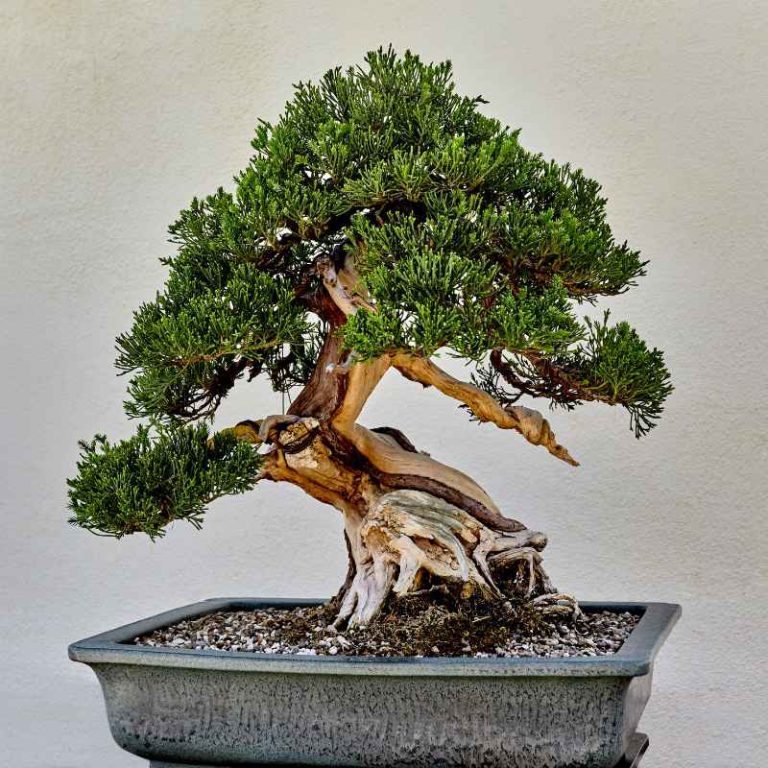
A beginner receives a juniper bonsai . Using bonsai shears, they trim excess foliage, creating an airy, balanced canopy. Concave cutters remove a crossing branch, resulting in a smooth trunk line. The tree thrives, showing new growth within weeks.
Expanded Story:
The beginner was initially anxious about making mistakes, but careful use of sharp, clean shears resulted in healthy, rapid recovery. Regular maintenance with these tools gave them the confidence to tackle more complex styling projects, and their juniper developed a classic layered look admired by fellow enthusiasts.
Example 2: Wiring For Structure
A hobbyist wires a maple branch to achieve a cascading style. Aluminum wire is used for easy bending. After several months, the branch sets in place, and the wire is removed without scarring, thanks to careful technique.
Expanded Story:
The hobbyist had previously struggled to achieve certain shapes with clip-and-grow methods alone. With proper wiring, guided by instructional videos and club workshops, they created gentle, sweeping curves that transformed the tree’s appearance. The successful wiring boosted their confidence to experiment with other styles, such as semi-cascade and windswept forms.
Example 3: Repotting Success
During spring repotting, a new grower uses a root rake to separate tangled roots, avoiding breakage. They scoop fresh soil around the root ball, ensuring stability. The bonsai responds with vigorous growth and improved health.
Expanded Story:
Prior to using a root rake, the grower had struggled with root-bound trees and poor soil aeration. The switch to proper tools made the process smoother and less stressful for both tree and owner. The improved root health led to more consistent watering and feeding, resulting in lush foliage and robust seasonal growth.
Bonsai Tool Kits: What To Look For
Starter kits are popular among beginners, offering all-in-one convenience. But not all kits are equal—here’s what to consider.
Essential Kit Contents
A good kit should include:
- Pruning shears
- Concave cutters
- Bonsai wire (multiple sizes)
- Root rake
- Tweezers
Optional additions: watering can, soil scoop, branch cutters.
Expanded Detail:
Some kits also include extras such as knob cutters for removing trunk bulges, jin pliers for deadwood work, or a folding saw for larger branches. While not strictly necessary at the outset, these tools can be useful as your skills progress.
Quality Indicators
- Material: Prefer carbon steel or stainless steel.
- Brand: Reputable manufacturers offer better warranties.
- Packaging: Tools should be stored in a protective case.
External Reference: The Bonsai Outlet reviews top kits for beginners.
Expanded Detail:
A quality kit should include tools that are solidly constructed, with no loose joints or rough edges. Read customer reviews for feedback on durability, sharpness, and comfort. Look for kits that include care instructions and, ideally, a warranty or satisfaction guarantee.
Price Range
Kits vary from $40–$150. While budget options exist, investing in quality ensures better results and fewer replacements.
| Kit Type | Number of Tools | Material | Average Price | Best For |
|---|---|---|---|---|
| Basic Kit | 5 | Stainless Steel | $40–$70 | Beginners |
| Intermediate Kit | 7–8 | Carbon Steel | $80–$120 | Enthusiasts |
| Premium Kit | 10+ | Japanese Steel | $130–$250 | Advanced growers |
Expanded Detail:
Premium kits often include specialized tools for advanced work, such as root scissors, jin chisels, and branch splitters. For most beginners, a well-chosen basic or intermediate kit will cover all necessary tasks and can be supplemented over time as your knowledge and interests expand.
Upgrading Over Time
As skills progress, consider specialty tools like knob cutters or branch splitters. Start with essentials and upgrade as needed.
Example: An enthusiast adds knob cutters to their toolkit for advanced trunk shaping.
Expanded Detail:
With experience, you may find certain trees or styles require additional tools, such as jin pliers for creating deadwood features or grafting knives for advanced propagation. Building your toolkit incrementally allows you to invest in higher-quality, task-specific tools as you develop preferences and refine your techniques.
Where To Buy Bonsai Tools
Finding the right supplier is key. Reliable sources offer genuine products, warranties, and expert advice.
Online Retailers
Popular online stores include:
- Bonsai Outlet
- Bonsai Empire
- Amazon
Tip: Read reviews and check for genuine materials.
Expanded Detail:
Online retailers often offer a wider selection and competitive prices, along with customer reviews that can provide insight into tool quality and performance. Beware of counterfeit or low-quality imitations—always verify the seller’s reputation and return policies before making a purchase.
Local Nurseries
Many local nurseries and garden centers stock basic bonsai tools. Staff can offer hands-on advice and demonstrations.
Data Point: According to Wikipedia Nursery (horticulture), local nurseries are ideal for beginners seeking personal guidance.
Expanded Detail:
Shopping locally allows you to inspect tools in person, assess their weight and comfort, and benefit from the knowledge of experienced staff. Many nurseries also host bonsai workshops or clubs, providing opportunities for learning and community building.
Specialty Stores
Dedicated bonsai shops offer premium tools and expert support. They often carry Japanese brands and exclusive items.
Example: Visiting a specialty store allows you to test tool ergonomics before buying.
Expanded Detail:
Specialty stores may carry rare or high-end tools not available elsewhere, and staff are usually passionate enthusiasts who can offer in-depth advice. These shops often provide after-sales support, maintenance services, and access to local bonsai events.
Buying Used Tools
Second-hand tools can offer value, but inspect for rust, loose pivots, and blade sharpness. Vintage Japanese tools are prized for durability.
Expanded Detail:
Check online marketplaces, club swap meets, or estate sales for quality used tools. Inspect closely for signs of wear; a well-maintained vintage tool may outperform a new budget tool. If possible, sharpen and oil used tools before the first use to ensure optimal performance.
Maintaining Your Bonsai Tools
Proper maintenance extends tool life and ensures optimal performance.
Cleaning After Use
Wipe blades with a soft cloth after each session. For sap and resin, use rubbing alcohol.
Tip: Avoid soaking tools; moisture leads to rust.
Expanded Detail:
After each use, pay special attention to joints and moving parts where debris can accumulate. Use a small, stiff brush to dislodge soil or sawdust. If you notice sticky residue, a quick wipe with a cloth dampened in alcohol will keep blades smooth and prevent build-up that can dull the edge.
Sharpening
Dull blades damage plants. Use a sharpening stone or file monthly to restore edges.
- Shears: Sharpen both blades.
- Cutters: Focus on the inner curve.
External Reference: The Royal Horticultural Society provides guides on tool sharpening.
Expanded Detail:
Sharpening should be done at the original bevel angle, usually 20–30 degrees. Work slowly, checking the edge frequently. For curved blades (like concave cutters), use a small, round file or sharpening stone designed for concave surfaces. Regular honing keeps blades sharp and reduces the risk of tearing plant tissue.
Storage
Store tools in a dry, cool place. A tool roll or case prevents accidental damage.
- Avoid: Damp environments, loose storage.
- Prefer: Dedicated drawer, protective wrap.
Expanded Detail:
Humidity is the enemy of steel tools. Use silica gel packets or moisture-absorbing materials in your storage area to further deter rust. Tool rolls made of canvas or leather add another layer of protection, keeping edges from knocking against each other.
Preventing Rust
Apply light oil to blades and pivots. Check regularly for signs of corrosion.
Data: Regular oiling reduces rust risk by 60%, according to industry studies.
Expanded Detail:
A few drops of camellia oil or mineral oil after cleaning will keep blades lubricated and rust-free. If rust appears, gently remove it with steel wool or a rust eraser before reapplying oil. Make tool maintenance a regular part of your bonsai routine for best results.
Frequently Asked Questions
What Is The Minimum Set Of Bonsai Tools A Beginner Needs?
A beginner should start with pruning shears, concave cutters, bonsai wire, root rake, and tweezers. This set covers essential tasks like pruning, shaping, repotting, and maintenance. Optional items include a fine-nozzle watering can and soil scoop for added convenience.
Expanded Answer:
With these five tools, you can perform 90% of the routine tasks required for healthy, attractive bonsai. As your skills and collection grow, you may want to add specialty tools, but focusing on the basics first ensures a solid foundation and helps you avoid unnecessary expenses.
Can I Use Regular Garden Tools For Bonsai?
While standard garden tools may suffice for larger tasks, bonsai-specific tools are designed for precision and delicate work. Using regular scissors or loppers can damage fine branches and inhibit healing. Investing in bonsai tools ensures better results and healthier trees.
Expanded Answer:
Garden tools are typically too large and blunt for the fine, intricate cuts needed in bonsai. They may crush or tear branches, leading to longer healing times and unsightly scars. Bonsai tools, by contrast, are engineered for the unique demands of miniature horticulture, offering greater control and a superior finish.
How Do I Know Which Wire Size To Use For My Bonsai?
Choose wire thickness based on branch strength. Aluminum wire is ideal for beginners, available in sizes from 1mm (for thin branches) to 5mm (for thick branches). Test by gently bending the branch; the wire should hold without breaking or scarring.
Expanded Answer:
As a rule of thumb, the wire should be about one-third the thickness of the branch you’re wiring. If the branch springs back after bending, use a thicker wire. Always err on the side of caution—it’s better to use slightly thicker wire than to risk branch breakage.
How Often Should Bonsai Tools Be Cleaned And Sharpened?
Clean tools after every use to remove sap and debris. Sharpen blades monthly, or whenever you notice decreased performance. Regular maintenance prevents rust and prolongs tool life.
Expanded Answer:
For busy seasons, consider sharpening more frequently, especially after heavy pruning sessions. Regular cleaning and sharpening help prevent disease transmission and ensure that every cut is clean and precise.
Where Can I Buy Authentic Bonsai Tools?
Authentic bonsai tools can be purchased from reputable sources such as Bonsai Outlet, Bonsai Empire, and specialty stores. Avoid unverified sellers and always check for material and brand authenticity.
Expanded Answer:
Many reputable sellers offer certificates of authenticity for high-end Japanese tools. Ask about return policies and warranties when purchasing, especially online. Joining a local bonsai club can also be a great way to get recommendations and even buy used tools from trusted members.
Embarking on your bonsai journey is both rewarding and transformative. With the right tools, you’ll not only nurture your tree but also cultivate skills that grow alongside it. Start with the essentials, invest in quality, and care for your instruments as diligently as you care for your bonsai.
The art of bonsai is a lifelong adventure—equipped with knowledge and the proper tools, your miniature masterpiece will thrive for years to come.