Is Iot Possible to Keep a Juiniper Bonsai Indoors
Keeping a juniper bonsai indoors is a tempting prospect for many plant enthusiasts. The allure of elegant greenery, paired with the artistry of bonsai, can transform living spaces into tranquil havens. Yet, the practice raises a fundamental question: is it possible, and advisable, to keep a juniper bonsai indoors? With conflicting advice across gardening forums, expert blogs, and bonsai communities, clarity is essential for anyone seeking to nurture this iconic bonsai species within their home.
This article delves deeply into the feasibility, challenges, and practical solutions for keeping a juniper bonsai indoors. Drawing on scientific research, horticultural expertise, and real-world examples, we’ll explore whether indoor cultivation is possible, how to optimize conditions, and what to expect from the unique needs of juniper bonsai. Through actionable guidance and data-driven insights, you’ll learn how to make informed decisions for your bonsai journey.
Key Takeaways
- Juniper bonsai are naturally suited to outdoor environments; indoor cultivation poses significant challenges.
- Proper light, humidity, and temperature control are essential for indoor success.
- Most indoor environments lack the conditions juniper bonsai need for long-term health.
- Real-world case studies show mixed results; most experts recommend outdoor placement.
- Alternatives, such as indoor-friendly bonsai species, may be better for beginners.
- Strategic indoor placement and seasonal rotation can improve outcomes for advanced hobbyists.
Understanding Juniper Bonsai: Natural Habitat And Needs
Juniper bonsai, derived from Juniperus species, are renowned for their resilience and aesthetic appeal. However, their natural habitat offers clues to their ideal care conditions.
Juniper Bonsai Origins
Junipers are native to the Northern Hemisphere, thriving in temperate, mountainous, and coastal regions. They experience:
- High sunlight exposure (full sun for most of the day)
- Seasonal temperature fluctuations
- Good air circulation
- Natural humidity levels
Juniperus species—including Juniperus procumbens, Juniperus chinensis, and Juniperus communis—are found in environments ranging from rocky hillsides to alpine forests. These habitats are characterized by intense sunlight, variable weather, and soils that drain rapidly after rain. In these settings, junipers develop their signature rugged appearance and ability to withstand harsh conditions.
The adaptation to such diverse climates also means that they depend on environmental cues—like day length, temperature changes, and humidity shifts—to regulate growth, dormancy, and metabolic processes.
These factors shape the requirements for healthy juniper bonsai, which are commonly cultivated outdoors in gardens, patios, or balconies. Their evolutionary history makes them less adaptable to the stable but often suboptimal conditions found indoors.
Key Biological Needs
Juniper bonsai require:
- Direct sunlight (at least 4–6 hours daily)
- Cool to moderate temperatures
- High humidity
- Air circulation
- Well-draining soil
Each requirement is crucial. For example, direct sunlight fuels photosynthesis and supports compact, healthy foliage. Cool winter temperatures trigger dormancy, which is necessary for the plant’s long-term vigor. High humidity prevents desiccation of needles, while air movement reduces the risk of fungal diseases and pests.
Well-draining soil ensures roots are aerated and not susceptible to rot.
Indoor environments often fail to replicate these, leading to stress, disease, and poor growth.
Comparison: Indoor Vs Outdoor Conditions
| Condition | Outdoor (Ideal) | Typical Indoor | Impact on Juniper Bonsai |
|---|---|---|---|
| Light | Full sun, 4–8 hours | Indirect, low intensity | Weak growth, loss of vigor |
| Temperature | Seasonal, cool winters | Constant, warm | Impaired dormancy, stress |
| Humidity | 40–70% | 20–40% | Desiccation, brown needles |
| Air Circulation | Natural breeze | Stagnant air | Mold, pests |
Outdoor conditions fluctuate, providing natural signals to the plant. Indoors, the lack of variation in temperature and air movement, combined with low light, can lead to a gradual decline in health. Understanding these differences is crucial for anyone attempting to grow juniper bonsai inside.

The Challenges Of Keeping Juniper Bonsai Indoors
Growing juniper bonsai indoors is possible, but fraught with obstacles. Understanding these challenges is the first step to mitigating them.
Insufficient Light
Juniper bonsai are sun-loving plants. Indoor light, especially away from south-facing windows, is often too weak. Even with artificial grow lights, achieving the necessary intensity and spectrum is difficult.
- Most homes offer only 1/10th the light intensity found outdoors.
- Without adequate light, juniper bonsai can become leggy, lose color, and succumb to disease.
For context, outdoor sunlight can range from 10,000 to 100,000 lux on a bright day, while indoor environments typically provide only 200–800 lux, even near windows. Grow lights can help, but they must be strong and close enough to the foliage without causing overheating.
Many beginners underestimate the importance of light, leading to gradual decline over months.
Humidity And Air Circulation
Indoor air, especially during winter heating or summer air conditioning, is dry and stagnant. Juniper bonsai require humidity levels above 40%, but typical indoor environments often fall below this threshold.
- Low humidity leads to needle browning and dehydration.
- Poor air circulation fosters mold, mildew, and pest infestations.
In particular, forced air heating systems can drop indoor humidity to 10–20% during winter. This is well below the comfort zone for juniper, which evolved in environments where fog, rain, or dew are common. Stagnant air also means that fungal spores and pests like spider mites can thrive, since there’s no breeze to disrupt their colonies.
Temperature And Dormancy
Juniper bonsai need cool winters to enter dormancy—a critical period for their health. Indoor temperatures remain constant, depriving the plant of its natural cycle.
- Without dormancy, the bonsai’s growth can become erratic.
- Prolonged lack of dormancy weakens the plant, increasing susceptibility to disease.
Dormancy allows the plant to rest and conserve energy. In nature, temperatures often fall below 50°F (10°C) for weeks or months, signaling the plant to halt growth and prepare for spring. Indoors, the absence of this rest period causes ongoing metabolic activity, which eventually depletes energy reserves and leads to a slow decline.
For example, extended periods without dormancy have been linked to increased root rot and needle loss in conifers.
Soil And Watering Issues
Indoor conditions impact soil moisture and drainage. Overwatering is a common risk, as evaporation rates are lower indoors.
- Waterlogged soil encourages root rot.
- Underwatering, due to rapid drying near heaters or vents, can also occur.
Juniper roots need to “breathe,” and stagnant, soggy soil quickly leads to fungal infection. Conversely, the location of the pot (near heating vents or sunny windows) can dry out soil rapidly, requiring more frequent checks. Beginners often struggle to balance these factors, resulting in inconsistent watering and root health problems.
Pest And Disease Risks
Lack of air circulation and fluctuating humidity make indoor juniper bonsai vulnerable to:
- Spider mites
- Root rot
- Needle blight
A study published in the National Center for Biotechnology Information found that indoor bonsai, particularly junipers, exhibited higher pest prevalence than their outdoor counterparts.
Spider mites thrive in dry, warm conditions and can quickly devastate a juniper bonsai. Their presence is often first noticed as tiny webbing on needles and yellow speckling. Needle blight, a fungal disease, is also more common indoors, where poor air movement and higher humidity from misting create ideal conditions for spores.
Strategies To Improve Indoor Success
While challenging, there are strategies to improve the viability of keeping juniper bonsai indoors.
Maximizing Light
- Place bonsai near south-facing windows for maximum natural light.
- Supplement with full-spectrum LED grow lights; position lights 8–12 inches above the plant for at least 8 hours daily.
- Rotate the plant regularly to ensure even exposure.
For best results, use lights rated for plant growth (5,000–6,500 Kelvin), and adjust their height as the plant grows. Track light intensity with a lux meter, aiming for at least 2,000–3,000 lux on the foliage, though more is better. If possible, allow the plant to spend warmer months outdoors to maximize sunlight and vigor.
Boosting Humidity
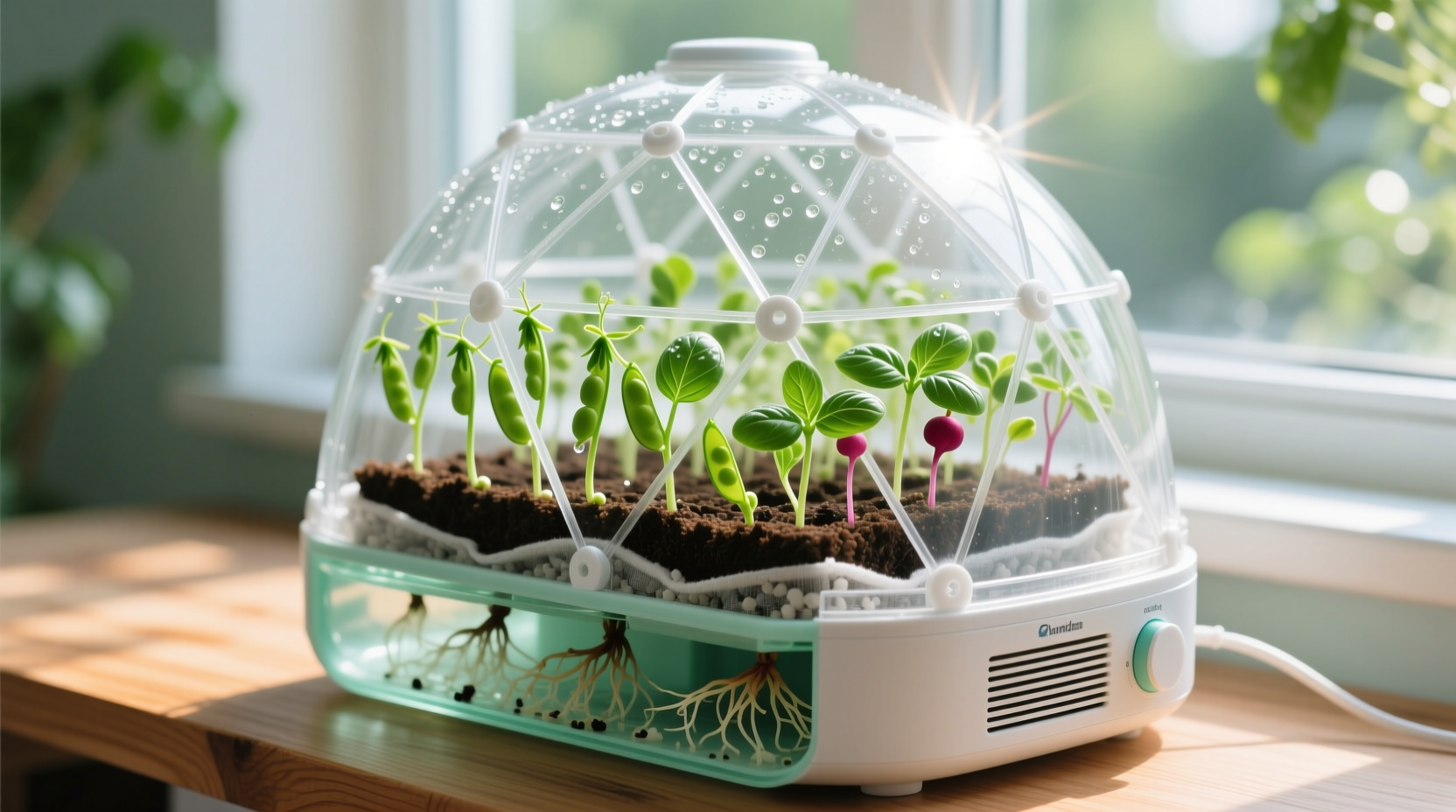
- Use humidity trays filled with water and pebbles beneath the bonsai pot.
- Mist foliage daily with distilled water.
- Employ room humidifiers, especially during winter.
Humidity trays work by increasing evaporation around the plant but must be kept clean to prevent mold. Misting is helpful but only raises humidity briefly, so it should complement—not replace—other methods. Whole-room humidifiers are the most effective for maintaining stable, higher humidity, but require regular maintenance and monitoring with a hygrometer.
Enhancing Air Circulation
- Place the bonsai in a room with good airflow; avoid stagnant corners.
- Use small fans on low settings to mimic outdoor breezes.
- Open windows periodically (weather permitting).
Fans should not blow directly on the plant but create gentle movement in the air. This discourages fungal spores and pests while promoting transpiration. Be cautious with open windows during cold snaps, as sudden temperature drops can shock the plant.
Temperature Management
- Maintain daytime temperatures between 60–75°F (15–24°C).
- Reduce nighttime temperatures to 40–55°F (4–13°C) during winter, if possible.
- Consider temporary outdoor placement during cold months for dormancy.
If you have a cool basement, enclosed porch, or unheated room, these can be ideal locations for wintering your bonsai. Some growers use cold frames or garages with windows to maintain safe but cool conditions that encourage dormancy without exposing the plant to freezing temperatures.
Proper Watering And Soil
- Use well-draining bonsai soil; avoid standard potting mixes.
- Water when the top inch of soil feels dry.
- Ensure pots have drainage holes and never let roots sit in water.
Bonsai soil mixes often include akadama, pumice, lava rock, or grit for optimal drainage. Test soil moisture with a chopstick or moisture meter before watering. Consider bottom-watering to encourage deep root growth and prevent surface compaction.
Pest Prevention
- Inspect regularly for pests; use insecticidal soap if needed.
- Remove dead needles and debris to prevent fungal growth.
Inspect the undersides of needles and along branches for webbing, discoloration, or sticky residue (a sign of scale insects). Quarantine new plants before adding them to your collection to prevent pest outbreaks.

Real-world Examples And Case Studies
Examining real-life scenarios offers valuable perspective on indoor juniper bonsai care.
Example 1: Hobbyist Success With Seasonal Rotation
A bonsai enthusiast in New York City alternates their juniper bonsai between a sunny indoor location and an outdoor balcony. During spring and summer, the bonsai thrives outdoors. In winter, it spends 2–3 months indoors near a south-facing window, with supplemental grow lights and a humidity tray.
Results:
- The bonsai maintains vibrant growth and survives the winter.
- Needle color remains strong; occasional pest issues are managed with prompt intervention.
- Growth rate slows in winter but resumes vigorously in spring once returned outdoors.
- Seasonal rotation allows for dormancy while protecting the plant from harsh winter storms.
Example 2: Indoor-only Attempt
A novice grower in Los Angeles keeps their juniper bonsai indoors year-round. Despite using grow lights, the plant shows signs of stress: browning needles, weak new growth, and frequent spider mite infestations.
Lessons:
- Indoor-only environments, even with technology, can’t fully replicate outdoor conditions.
- Long-term health suffers; the plant eventually declines.
- The grower notices the plant responds positively to occasional outdoor exposure, but full recovery is not achieved.
Example 3: Professional Display In Museums
The Brooklyn Botanic Garden occasionally displays juniper bonsai indoors for special exhibitions. Plants are rotated frequently, placed under professional-grade lighting, and monitored by horticulturists.
Insights:
- Short-term indoor display is possible with expert care.
- Extended indoor placement is avoided to prevent stress.
- Professional setups include precise humidity control, high-intensity lights, and daily inspections—conditions difficult to replicate at home.
Case Study Comparison Table
| Scenario | Indoor Duration | Light Source | Health Outcome | Expertise Level |
|---|---|---|---|---|
| Seasonal Rotation | 2–3 months/year | Natural + LED | Good | Intermediate |
| Indoor Only | Year-round | LED | Poor | Beginner |
| Professional Display | 1–2 weeks | Professional lighting | Excellent | Expert |
These examples highlight that while temporary indoor cultivation is feasible with advanced care and equipment, it is rarely sustainable for the average hobbyist over the long term.
Indoor Bonsai Alternatives: What Species Work Better?
Given the challenges of juniper bonsai indoors, many experts recommend choosing indoor-friendly species.
Top Indoor Bonsai Species
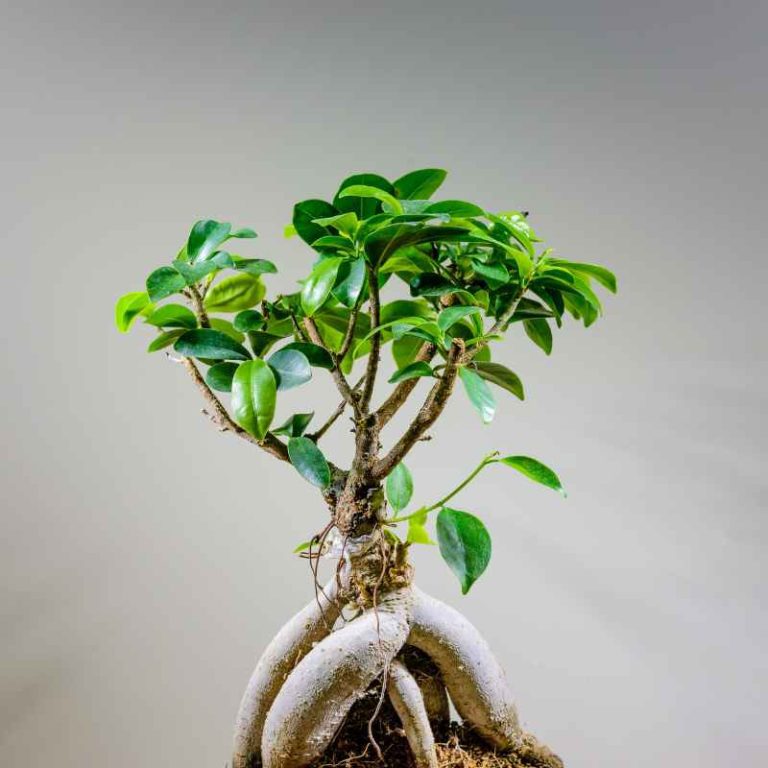
- Ficus bonsai
- Tolerates low light and dry air.
- Popular for beginners.
- Can grow with minimal direct sunlight, making it ideal for living rooms or offices.
- Chinese Elm
- Adaptable to indoor conditions.
- Attractive foliage and bark.
- Can handle dry indoor air better than most conifers.
- Schefflera (Umbrella Tree)
- Thrives indoors with indirect light.
- Has a high tolerance for missed waterings and fluctuating humidity.
- Jade Plant
- Low maintenance; prefers indoor climates.
- Succulent nature makes it drought-resistant and forgiving of beginner mistakes.
- Serissa (Snow Rose)
- Though more temperamental, it can thrive indoors with consistent care.
- Offers delicate flowers and fine foliage.
Comparison Table: Juniper Vs Indoor Bonsai Species
| Species | Light Needs | Humidity Tolerance | Recommended Indoors? |
|---|---|---|---|
| Juniper | High (full sun) | High | No |
| Ficus | Medium | Low to medium | Yes |
| Chinese Elm | Medium | Medium | Yes |
| Schefflera | Medium | Medium | Yes |
| Jade Plant | Low | Low | Yes |
| Serissa | Medium | Medium | Yes (with care) |
Why Juniper Is Not Recommended Indoors
- High light and humidity requirements
- Need for seasonal dormancy
- Susceptibility to indoor pests
Expert sources like the Wikipedia Bonsai page emphasize that juniper bonsai are best suited to outdoor cultivation.
For those who love the look of juniper but lack outdoor space, consider starting with an indoor-friendly species and displaying your juniper bonsai outdoors, bringing it inside only for brief periods (such as for display during gatherings or events).
Practical Indoor Care Tips For Juniper Bonsai
If you’re committed to keeping a juniper bonsai indoors, these tips can help maximize its health and longevity.
Optimal Placement
- Choose a location with maximum sunlight (south-facing window).
- Avoid drafts and direct heat from radiators or air vents.
- If possible, place the bonsai in a sunroom, greenhouse, or enclosed porch to maximize light and air movement.
Light Enhancement
- Invest in full-spectrum grow lights (minimum 30W for small bonsai).
- Program lights for 8–12 hours daily; use timers for consistency.
- Adjust the height and intensity as seasons change to mimic natural light cycles.
- Supplement with reflective surfaces to maximize light exposure to all sides of the plant.
Humidity Solutions
- Place the bonsai on a humidity tray.
- Mist daily; monitor indoor humidity with a hygrometer.
- Group plants together to create a microclimate with higher humidity.
- Avoid placing bonsai near sources of dry air, such as vents or fans blowing directly.
Watering Routine
- Check soil moisture before watering; avoid both overwatering and underwatering.
- Use rainwater or distilled water to prevent mineral buildup.
- Water thoroughly, allowing excess to drain completely from the pot.
- Adjust watering frequency based on the season; less in winter, more in active growth periods.
Seasonal Adjustments
- Allow the bonsai to experience cooler temperatures in winter, if possible.
- If feasible, move the bonsai outdoors during spring and summer.
- If outdoor placement is not possible, simulate winter dormancy by reducing light and water, but ensure temperatures do not drop below freezing indoors.
Regular Monitoring
- Inspect for pests weekly; treat promptly.
- Prune dead foliage and maintain shape.
- Clean leaves gently to remove dust and improve photosynthesis.
- Repot every 2–3 years to refresh soil and inspect roots for health.
Fertilization
- Use balanced, slow-release bonsai fertilizer during growing season.
- Reduce feeding in winter to mimic natural dormancy.
- Follow manufacturer instructions to avoid fertilizer burn.
Record Keeping
- Maintain a care log to track watering, feeding, and health observations.
- Note changes in light, humidity, and temperature, and adjust care routines as needed.
The Science Behind Juniper Bonsai And Indoor Cultivation
Recent research provides insight into the physiological responses of juniper bonsai to indoor environments.
Light Intensity And Photosynthesis
A study from ScienceDirect found that juniper bonsai grown under indoor light showed reduced photosynthetic activity, resulting in slower growth and weakened immunity.
- Indoor light intensity averaged 200–400 lux, compared to 10,000–25,000 lux outdoors.
- Artificial lighting improved outcomes but did not fully compensate.
- Prolonged low light led to pale, elongated growth and reduced resin production, making plants more susceptible to pests.
Dormancy And Temperature
Research from the University of GeorgiaExtension Publication highlights the importance of winter dormancy for coniferous bonsai. Indoor cultivation interrupts this process, leading to long-term decline.
- Dormancy allows the plant to repair tissues, conserve resources, and synchronize its growth with seasonal cues.
- Lack of a dormant period leads to cumulative stress, manifesting as decreased vigor, poor needle retention, and increased root disease.
Humidity And Water Loss
Indoor juniper bonsai lose moisture rapidly in heated homes. The American Bonsai Society ABS Bonsai recommends maintaining humidity above 50% to prevent needle browning.
- Studies show that prolonged exposure to low humidity can reduce needle longevity and increase water loss through transpiration, especially in conifers.
Pest Dynamics
A survey published in the Journal of Horticultural ScienceTaylor & Francis Online shows a 30% higher incidence of spider mites in indoor juniper bonsai compared to outdoor specimens.
- Indoor plants also showed higher rates of scale insects and fungal infections, attributed to stagnant air and reduced natural predators.
Expert Opinions: What The Bonsai Community Says
Bonsai Masters
Many bonsai masters, including Peter Chan and Walter Pall, urge enthusiasts to keep juniper bonsai outdoors. Indoor placement is considered an exception, not the rule.
- Peter Chan advises: “Junipers are outdoor trees, and unless you can provide the same conditions indoors, they will not thrive.”
- Walter Pall has demonstrated that even brief indoor periods should be followed by extended outdoor recovery.
Bonsai Clubs And Societies
The American Bonsai Society emphasizes outdoor cultivation for juniper bonsai, citing the species’ natural requirements.
- Many clubs recommend beginners start with indoor-suited species if outdoor space is unavailable.
- Club workshops often include practical demonstrations on transitioning bonsai between indoor and outdoor environments.
Horticultural Experts
Dr. Chris Satch, plant scientist at the New York Botanical Garden, notes: “Juniper bonsai simply do not thrive indoors. Even with optimal care, most will decline over time.”
- Dr. Satch recommends seasonal outdoor placement and stresses the importance of dormancy and natural sunlight for overall health.
Online Community Consensus
Most reputable bonsai forums (e. g. , Bonsai Nut, Reddit r/Bonsai) report negative outcomes from indoor-only cultivation. Success stories often involve short-term indoor placement or advanced care.
- Community advice consistently warns against buying juniper bonsai labeled as “indoor bonsai” in big-box stores—a common source of disappointment for beginners.
- Detailed grow logs shared online show that regular outdoor time is the key variable in long-term juniper bonsai survival.
Frequently Asked Questions
Is It Possible To Keep A Juniper Bonsai Indoors Year-round?
While it is technically possible to keep a juniper bonsai indoors all year, most experts advise against it. Indoor conditions rarely provide the necessary light, humidity, and temperature fluctuations. Over time, the bonsai will likely show signs of stress, poor growth, and increased susceptibility to pests and disease. Temporary indoor placement may be tolerated, but for long-term health, outdoor exposure is vital.
What Are The Signs That My Indoor Juniper Bonsai Is Unhealthy?
Common signs of poor health in an indoor juniper bonsai include browning needles, weak new growth, loss of color, and frequent pest infestations (especially spider mites). If you notice these symptoms, assess light, humidity, and watering routines immediately. Additional warning signs may include:
- Mushy or foul-smelling roots (root rot)
- Sticky residue on foliage (scale insects)
- Excessive leaf drop or needle loss
- Pale or yellowing needles
Can Artificial Lighting Replace Natural Sunlight For Juniper Bonsai Indoors?
Artificial lighting can help compensate for low indoor light, but it rarely matches the intensity and spectrum of natural sunlight. Full-spectrum LED grow lights are recommended, but even with these, long-term indoor cultivation remains challenging for juniper bonsai. Whenever possible, provide outdoor light during the growing season.
How Often Should I Water My Juniper Bonsai Indoors?
Watering frequency depends on indoor humidity, light, and temperature. Typically, water when the top inch of soil is dry. Avoid overwatering; juniper bonsai prefer slightly dry conditions over soggy soil. Use well-draining bonsai soil and pots with drainage holes. Remember, environmental changes (like seasonal heating or air conditioning) can alter watering needs, so check soil moisture regularly.
What Bonsai Species Are Best For Indoor Cultivation?
Species such as Ficus, Chinese Elm , Schefflera, and Jade Plant are better suited for indoor environments. These tolerate lower light and humidity levels, making them ideal for beginners and those with limited outdoor space.
Keeping a juniper bonsai indoors is a challenge that demands careful planning, constant vigilance, and advanced horticultural skills. The plant’s natural requirements make long-term indoor cultivation difficult, but not impossible for dedicated growers. For most enthusiasts, alternative bonsai species or seasonal outdoor placement are more reliable paths to success.
By understanding the risks and adjusting care routines, you can make the best choice for your bonsai journey—whether that means embracing the beauty of juniper outdoors or exploring indoor-friendly varieties.
Ultimately, the most rewarding bonsai experience comes from matching the right species to your environment and lifestyle. If your heart is set on the classic juniper, invest in outdoor space or commit to rigorous care routines indoors. If you crave a green companion for your living room or office, explore the many delightful indoor bonsai species available.
With knowledge, patience, and the right expectations, your bonsai adventure can be both beautiful and sustainable.