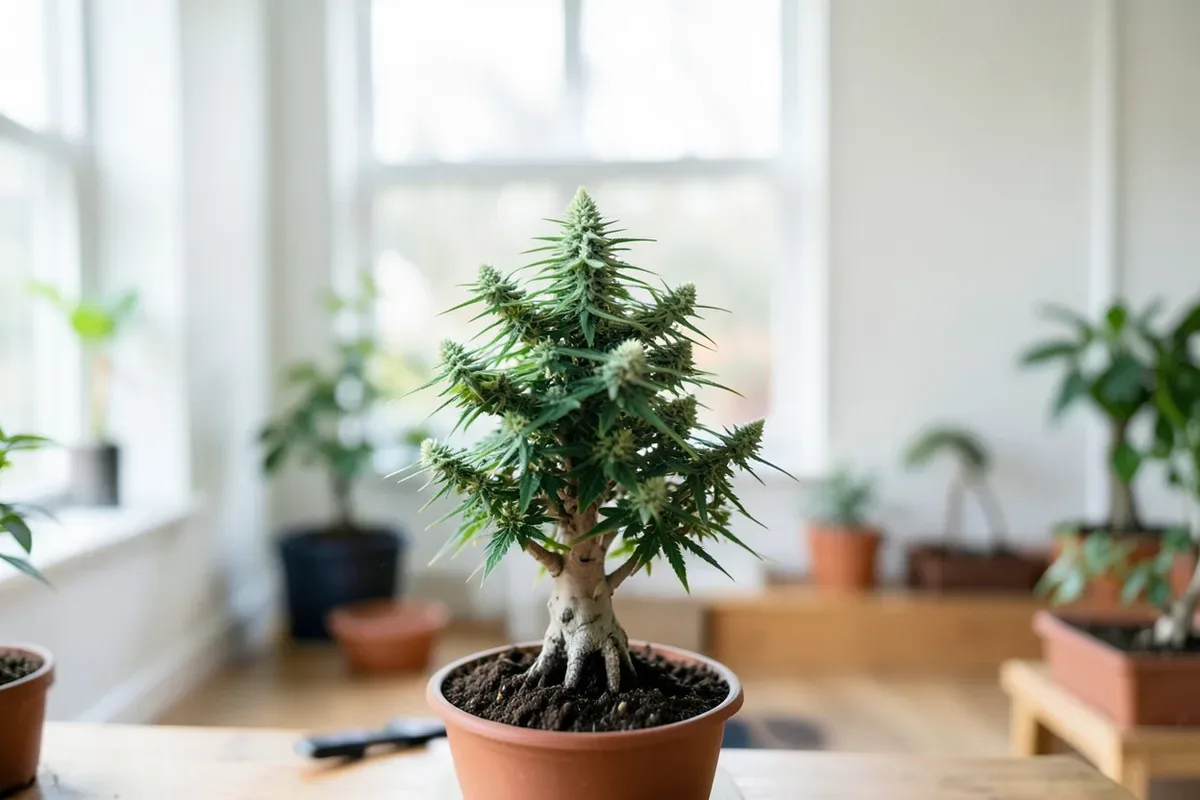
How to Top Marijuana Bonsai Style for Maximum Yield
Cultivating marijuana using bonsai techniques is transforming the way home growers and boutique cultivators approach plant management, yield optimization, and space utilization. Unlike conventional cannabis growing, bonsai-style marijuana cultivation fuses horticultural artistry with high-efficiency gardening. The centerpiece of this approach is the art of topping—carefully pruning the plant’s main stem to encourage lateral growth and maximize yield.
Why is this technique gaining traction among both enthusiasts and commercial growers? Topping marijuana bonsai-style not only enhances light penetration and airflow but also enables cultivators to manage plant shape, size, and health with precision. With the right strategy, even small grow spaces can rival larger setups in yield and quality.
This comprehensive guide demystifies the process, offering science-backed methods, practical steps, and expert tips to help you achieve maximum yield from your marijuana bonsai plants —regardless of your experience level.
Key Takeaways
- Topping is essential for maximizing yield and controlling plant shape in marijuana bonsai cultivation.
- Understanding the timing and technique of topping is critical to avoid stunted growth or stress.
- Proper aftercare and training can double or triple bud sites compared to untopped plants.
- Bonsai-style marijuana is ideal for limited spaces and discreet, high-yield grows.
- Real-world examples and data show significantly improved yields with correct topping methods.

Credit: www.amazon.com
Understanding Marijuana Bonsai: Concepts And Benefits
What Is Marijuana Bonsai?
Marijuana bonsai adapts classic bonsai techniques to cannabis cultivation, focusing on creating small, manageable, and aesthetically pleasing plants that deliver substantial yields. Unlike ornamental bonsai, the goal here is not just beauty but also maximizing the number and quality of bud sites within limited space.
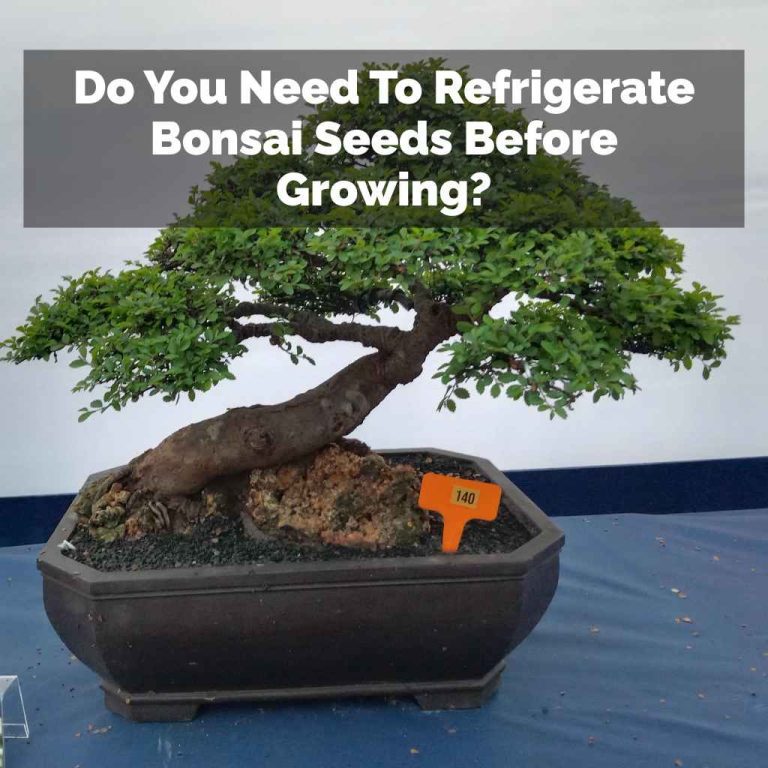
Bonsai marijuana plants typically range from 12 to 18 inches in height, but their lateral spread and branch density can be impressive. The artful manipulation of stems and branches allows growers to sculpt a plant that is not only highly productive but also visually striking.
These plants often feature thick, gnarled stems and a canopy that is evenly distributed, maximizing each inch of available light and space.
Core Benefits Of Bonsai Cultivation
- Space efficiency: Perfect for closets, tents, or micro-grows. Bonsai plants can be grown in small containers (1-3 gallons), which means multiple plants can thrive in a limited area.
- Discrete growing: Small plants are easier to hide and manage. Their compact stature and sculpted form make them ideal for stealth grows or urban environments where space is at a premium.
- Optimized light use: Even canopy ensures all bud sites get ample light. This efficiency means less wasted energy and potentially lower electricity costs.
- Airflow and disease control: Open structure reduces mold and pest risk. Good airflow around the branches and buds lowers humidity-related issues such as bud rot.
- Higher yield per square foot: More productive than single-cola (untopped) grows. By maximizing the number of viable bud sites, each plant can rival or surpass the yield of much larger, untopped plants.
How Bonsai Differs From Standard Cannabis Training
Bonsai methods rely heavily on topping, Low-Stress Training (LST), and root pruning to maintain size and shape. While Screen of Green (ScrOG) and Sea of Green (SOG) techniques focus on maximizing plant count or canopy coverage, bonsai methods prioritize individual plant structure and health.
Unlike ScrOG, which requires a net or screen and often involves many plants, bonsai methods can be executed with just one or a few plants. The grower has more direct control over every branch and node, making it easier to diagnose and correct problems early.
Bonsai plants are also less likely to suffer from overcrowding, a common issue in SOG setups.
Ideal Growers For Bonsai-style Marijuana
- Home growers with limited space or need for stealth. Apartment dwellers or those with strict privacy needs benefit from the compactness and manageability.
- Medical patients needing regular, manageable harvests. The ability to stagger harvests from multiple small plants can provide a consistent supply.
- Hobbyists interested in plant artistry and experimentation. Bonsai cultivation is a creative outlet, combining horticultural science with aesthetic expression. Many enthusiasts enjoy shaping their cannabis plants over months or even years, much like traditional bonsai artists.

Credit: www.mars-hydro.com
The Science Behind Topping: How It Boosts Yield
Plant Hormones And Apical Dominance
Topping works by disrupting apical dominance—the phenomenon where the main stem produces hormones (auxins) that suppress side growth. By cutting the main stem, these hormones are redirected, allowing lower branches to develop into main colas.
In detail, auxins produced at the plant’s apex (tip) inhibit the growth of lateral (side) branches. When the apex is removed by topping, the concentration of auxins at the tip drops, and the plant redistributes its energy and hormonal resources.
This stimulates the growth of dormant lateral buds just below the cut, resulting in a bushier, more productive plant.
Impact On Light Penetration And Bud Sites
Topping encourages the plant to grow bushier with multiple colas. This increases the surface area exposed to light, enhancing photosynthesis and bud development. Studies show that topped plants can produce 30-50% more usable bud compared to single-stem plants.
A well-topped bonsai marijuana plant can turn what would be a single main cola into a dozen or more equally robust colas, each capable of supporting dense, high-quality buds. This is especially important in limited-space environments, where vertical growth is restricted, and each branch must be as productive as possible.
Root-to-shoot Ratio
Bonsai-topped marijuana maintains a balanced root-to-shoot ratio. By controlling above-ground growth, the root system remains healthy without becoming root-bound, which is crucial for potted or container-grown cannabis.
Maintaining this balance is critical for nutrient uptake and overall plant health. Excessive top growth in a small pot can lead to nutrient deficiencies, stunted growth, and susceptibility to disease. Root pruning and careful management of above-ground biomass ensure that the plant remains in harmony with its container.
Supporting Data
Research from the University of Mississippi indicates that topped cannabis plants can yield up to 40% more than untopped counterparts when grown under controlled conditions (PubMed).
Additional field reports from hobbyist and commercial growers consistently show that topping, when done correctly, increases both the quantity and quality of the final harvest. Not only does the total weight go up, but individual buds are often denser and more resinous, likely due to improved light exposure and airflow.
Real-world Yield Comparison
| Training Technique | Average Yield per Plant (oz) | Canopy Height (inches) | Bud Sites |
|---|---|---|---|
| Bonsai Topped | 2.5 – 5.0 | 12 – 18 | 12 – 24 |
| Untopped/Natural | 1.0 – 2.5 | 24 – 36 | 4 – 8 |
| ScrOG | 4.0 – 8.0 | 16 – 24 | 16 – 32 |
These numbers highlight the efficiency of bonsai methods for maximizing bud sites and yield in limited spaces.
Step-by-step Guide: How To Top Marijuana Bonsai Style
1. Selecting The Right Genetics
Choose indica-dominant hybrids or compact sativa strains that respond well to topping and training. Look for strains with resilient branching and dense bud structure. Reputable seed banks provide data on how various strains respond to topping (Leafly).
Examples of strains well-suited to bonsai training include Northern Lights, Blueberry, White Widow, and Critical Mass. These strains are known for their robust structure, forgiving nature, and capacity to recover quickly from pruning and training.
2. Timing Your First Top
- Wait for 4-6 nodes: Topping too early can stunt growth; too late reduces training flexibility.
- Ideal timing: When the plant has developed 4-6 healthy sets of true leaves (usually 2-3 weeks from germination).
Timing is crucial. A plant topped at the correct stage will rebound quickly, sending out vigorous new growth. Topping before the plant has established a solid root system and enough foliage for photosynthesis can result in slow recovery, weak growth, or even death.
Waiting too long, on the other hand, reduces the number of opportunities for additional training and can make shaping the plant more difficult.
3. Tools And Preparation
- Use sterile, sharp scissors or pruning shears.
- Disinfect tools with isopropyl alcohol to prevent disease.
- Prepare by watering the plant a day before to reduce shock.
A clean, precise cut is essential to avoid crushing the stem, which can lead to infections or poor regrowth. Many experienced growers keep a dedicated set of bonsai scissors just for this purpose. Wetting the growing medium beforehand helps the plant remain turgid and reduces the risk of wilt.
4. The Topping Process
- Identify the main stem above the 3rd or 4th node.
- Make a clean, diagonal cut just above the node.
- Remove the top growth, leaving two side branches to form new main colas.
- Avoid crushing or tearing the stem.
Pro Tip: Keep the removed top as a cutting for cloning if desired.
When making the cut, angle the scissors at about 45 degrees. This reduces the surface area exposed to moisture and pathogens, aiding in quicker healing. Immediately after topping, the plant will focus its energy on the two nodes just below the cut, which will soon become the dominant growth points.
5. Aftercare And Recovery
- Monitor for signs of stress (wilting, discoloration).
- Apply gentle LST to encourage outward growth.
- Feed with a balanced nutrient solution to support new growth.
- Allow 5-7 days for recovery before further training.
After topping, keep the environment stable: avoid dramatic changes in temperature, humidity, or lighting. If the plant shows signs of severe stress—such as drooping leaves, slow growth, or tissue necrosis—back off on training and focus on recovery.
6. Successive Toppings For Maximum Bushiness
After initial recovery, you can top secondary branches to create more bud sites. Each round of topping increases complexity but boosts overall yield.
For maximum bushiness, wait until each new main branch has at least 3-4 nodes of its own before topping again. This process can be repeated multiple times, but each round of topping should be followed by a period of recovery.
Over-topping can lead to excessive small branches and reduced main bud size, so balance is key.
Visual Timeline: Topping And Bonsai Training
| Week | Action | Expected Plant Response |
|---|---|---|
| 2–3 | First Top | Main stem splits, two main branches form |
| 4–5 | Second Top (optional) | Four main colas develop |
| 6–7 | LST & Shaping | Even canopy, increased bud sites |
| 8–10 | Pre-Flowering Prune | Final structure set for flowering |
This schedule provides a blueprint for growers to plan their topping and training routine, but adjustments should always be made based on plant health and growth rate.

Credit: www.greenavengerseeds.com
Advanced Bonsai Training Techniques For Yield Maximization
Low-stress Training (lst) Integration
LST involves gently bending and tying down branches to create a flat, even canopy. This exposes all bud sites to direct light, further boosting yield.
- Use soft plant ties or coated wire.
- Anchor branches to the edge of the pot.
- Adjust ties weekly as growth continues.
LST is especially effective when combined with topping. As new main branches emerge, bending them outward encourages lower branches to catch up, creating a symmetrical, bushy plant. This method also helps keep the canopy at an even height, ensuring all buds receive equal light.
Root Pruning For Container Grows
Bonsai-style marijuana is often grown in small pots. Root pruning prevents the plant from becoming root-bound:
- Carefully trim excess roots during transplanting.
- Use fabric pots to air-prune roots naturally.
Root pruning should be performed with care. Remove only a small percentage of the root mass at a time and allow the plant to recover between sessions. Using fabric pots is a low-effort alternative, as the roots naturally prune themselves when exposed to air at the pot’s edge.
Defoliation For Light Penetration
Selective defoliation (removal of excess fan leaves) increases airflow and allows light to reach lower bud sites. Do not over-defoliate; remove only leaves that block potential bud sites.
Strategic defoliation is best performed during the vegetative stage and just before flowering. Removing too many leaves can slow growth and reduce yield, so focus on leaves that are large, yellowing, or shading critical bud sites.
Mainlining And Manifolding
For expert growers, mainlining and manifolding are advanced topping methods that maximize symmetry and bud site exposure:
- Mainlining involves creating a “hub” from which all main branches radiate equally.
- Manifolding is a hybrid technique combining topping and LST for a perfectly shaped canopy.
Both techniques require patience and practice but can result in perfectly symmetrical plants with 8, 16, or even more evenly sized colas, all receiving optimal light and airflow.
Case Study: Micro-grow Bonsai With 8 Main Colas
A hobbyist in San Francisco trained a single Northern Lights plant using bonsai and topping methods in a 2×2 foot tent. By topping at the 4th node, then twice more on each main branch, the grower produced 8 uniform main colas and harvested 4.2 ounces from a single plant—almost double the typical yield for the setup.
This case demonstrates the power of combining topping with other bonsai and training techniques, resulting in a dense canopy, uniform bud development, and efficient use of limited grow space.
Common Mistakes And How To Avoid Them
Topping Too Early Or Late
- Topping before the plant has 4 nodes can severely stunt development.
- Topping during flowering causes stress and hermaphroditism.
Mistiming your topping can set your grow back weeks or even ruin a plant. Always wait until the plant is sturdy and well-rooted, and never top once flowering has started.
Over-topping
Excessive topping can create too many small branches, leading to a crowded canopy and reduced airflow.
It’s tempting to keep topping in pursuit of more bud sites, but there is a point of diminishing returns. Over-topped plants can become spindly, with many weak branches that can’t support large buds. This also increases the risk of mold and pest infestation due to lack of airflow.
Neglecting Aftercare
Failing to support the plant post-topping with proper nutrients, water, and LST can result in slow recovery or poor yield.
After topping, the plant needs extra support. Monitor closely for stress, and don’t push the plant too hard. Adjust your feeding and watering schedule as needed to ensure robust regrowth.
Ignoring Plant Genetics
Not all strains respond equally to topping. Sativas and hybrids usually handle stress better than pure indicas.
Research your chosen strain’s characteristics before starting. Some heavy indicas may react poorly to aggressive topping, while vigorous sativas might thrive.
Real-world Example: Rescue From Over-topping
A medical grower in Colorado topped a Blueberry plant five times in a small pot. The plant struggled, with thin, weak branches and poor bud development. By switching to gentler LST and better aftercare, the grower was able to salvage the yield, though it was still 30% below expectations. This underscores the importance of moderation and attentive plant care (Grow Weed Easy).
This example highlights the importance of observing your plant’s response and being ready to adjust your approach as needed.
Tools, Supplies, And Environment For Bonsai Marijuana Success
Essential Tools
- Sterile pruning scissors/shears
- Soft plant ties or garden wire
- Small, sturdy pots (1-3 gallons)
- Isopropyl alcohol for sterilization
Additional helpful items include bamboo stakes for extra support and a small spray bottle for foliar feeding or pest management.
Soil And Nutrient Recommendations
- High-drainage potting mix with added perlite or coco coir
- Organic nutrients with emphasis on phosphorus and potassium during bud development
- PH-adjusted water (6.0–6.5)
A high-quality soil mix , such as FoxFarm Ocean Forest, provides a solid foundation. Supplement with organic amendments like worm castings or bat guano for improved microbial life and nutrient availability. Monitor pH regularly, as small pots can swing quickly.
Lighting And Space Requirements
Bonsai marijuana thrives under full-spectrum LED or fluorescent grow lights. Ensure 300–600 PPFD (Photosynthetic Photon Flux Density) for vegetative growth.
- Maintain 18-24 inches distance between canopy and light.
- Use reflective grow tents or panels to maximize light exposure.
Modern LEDs are ideal for bonsai grows due to their efficiency and customizable spectrum. For best results, choose a fixture that allows you to adjust both intensity and color temperature.
Environmental Controls
- Temperature: 68–78°F (20–25°C)
- Humidity: 40–60%
- Oscillating fan for airflow
A stable environment is key. Use a hygrometer and thermometer to monitor conditions, and adjust ventilation or humidifiers as needed. Small spaces can heat up quickly, so consider installing an inline fan or passive intake vents.
Table: Tool And Supply Comparison
| Item | Essential for Bonsai? | Best Practice |
|---|---|---|
| Pruning Scissors | Yes | Use sharp, sterilized blades for each cut |
| Fabric Pots | Optional | Ideal for root pruning and air exchange |
| Plant Ties | Yes | Soft and reusable to avoid stem damage |
| pH Meter | Yes | Monitor water and soil pH weekly |
Recommended Brands And Resources
- Scissors: Fiskars Micro-Tip Pruning Shears
- Soil: FoxFarm Ocean Forest
- Nutrients: General Hydroponics Flora Series
- For further reading, visit Wikipedia: Bonsai and GrowDiaries: Bonsai Cannabis.
Maximizing Yield: Scheduling, Monitoring, And Harvest
Pruning And Training Calendar
- Weeks 2-3: First top and initial LST.
- Weeks 4-5: Secondary topping and canopy adjustment.
- Weeks 6-8: Defoliation and root check.
- Pre-flowering: Last structure tweaks.
- Flowering: Minimal handling, focus on support and nutrient optimization.
A disciplined schedule ensures each plant receives the right intervention at the right time. Adjust based on your plant’s vigor and growth rate.
Monitoring Growth And Adjusting Techniques
- Track node development weekly.
- Adjust ties and supports as new branches form.
- Watch for signs of nutrient deficiency or pest issues.
Detailed observation is key to catching problems early. Maintain a grow journal to note changes, interventions, and results. This information is invaluable for improving future grows.
When To Stop Topping
Cease all topping 1-2 weeks before switching to the flowering phase. This allows the plant to recover and focus energy on bud production.
Late topping can delay flowering, reduce yield, or even induce hermaphroditism. Let the plant settle into its final shape before the photoperiod change.
Harvest Timing For Bonsai Marijuana
- Harvest when 10-20% of trichomes turn amber.
- Use a magnifier to check trichome color.
Patience during the final weeks is rewarded with peak potency and flavor. Flush the plant with pure water for 7-10 days before harvest to remove excess nutrients and improve taste.
Case Study: Yield Results From A 3-plant Bonsai Grow
A Vancouver indoor grower ran a side-by-side comparison:
- 1 plant: Untopped, yielded 1.2 oz.
- 1 plant: Single top, yielded 2.8 oz.
- 1 plant: Topped twice and LST, yielded 4.1 oz.
The topped and trained bonsai produced 240% more usable bud than the untopped plant, validating the effectiveness of this method (Royal Queen Seeds).
Troubleshooting: Dealing With Stress, Pests, And Common Problems
Stress Recovery
- Wilting after topping: Ensure adequate water and reduce light intensity for 24 hours.
- Slow growth: Check for root-bound conditions or nutrient lockout.
If the plant isn’t bouncing back, review your watering, feeding, and environmental controls. Sometimes a brief period of reduced light or a mild kelp extract foliar feed can help jump-start recovery.
Pest And Disease Management
- Spider mites/aphids: Treat with neem oil or insecticidal soap.
- Powdery mildew: Improve airflow and reduce humidity.
- Root rot: Use well-draining soil and avoid overwatering.
Integrated Pest Management (IPM) is highly effective in bonsai setups due to the small scale. Introduce beneficial insects like ladybugs or predatory mites for organic control.
Nutrient Deficiencies
- Yellowing leaves: May indicate nitrogen deficiency; adjust feed.
- Purple stems: Could signal phosphorus shortage or environmental stress.
Always diagnose before treating. Over-fertilizing can be just as damaging as underfeeding, especially in small pots.
Real-world Example: Pest Management In Bonsai Grows
A grower in Oregon experienced a spider mite outbreak in a tightly packed bonsai setup. By implementing integrated pest management (IPM)—including predatory mites and regular cleaning—the infestation was controlled without chemical pesticides, and yields remained high (Cannabis Science & Technology).
This example shows the value of proactive monitoring and organic solutions, which are often easier to implement on a small, controlled bonsai grow.
Frequently Asked Questions
What Is The Best Stage Of Growth To Start Topping Marijuana Bonsai Plants?
The ideal time to start topping is when the plant has developed 4-6 nodes (sets of true leaves), typically 2-3 weeks after germination. This ensures the plant is robust enough to handle pruning stress and allows for optimal shaping.
How Many Times Can You Top A Marijuana Bonsai For Maximum Yield?
Most growers top their bonsai marijuana plants 2-3 times for maximum yield without over-stressing the plant. Each successive topping should be followed by a recovery period, and it’s best to stop at least one week before initiating flowering.
Can You Use Any Strain For Marijuana Bonsai Cultivation?
While almost any cannabis strain can be grown bonsai-style, indica-dominant hybrids and compact sativas generally respond best to topping and training. Some pure indicas are less tolerant of stress, and very tall sativas may require extra management.
Is Topping Marijuana Necessary For Bonsai Yields?
Topping is not strictly necessary, but it’s highly recommended. Without topping, bonsai plants develop a single main cola with fewer bud sites. Topping doubles or triples potential yields by promoting lateral growth and multiple colas.
How Do You Prevent Stress Or Shock After Topping?
To minimize plant stress after topping:
- Use sterile, sharp tools for a clean cut.
- Water the plant before and after topping.
- Avoid nutrient overfeeding during the recovery period.
- Maintain stable temperature and humidity levels.
For more on plant stress management, see Wikipedia: Plant Stress Measurement.
Cultivating marijuana bonsai-style with expert topping techniques is a rewarding, high-yield approach for growers seeking artful control and efficiency. By understanding the science, perfecting your timing and technique, and caring for your plants with diligence, you can transform a small grow space into a powerhouse of top-quality buds—one miniature masterpiece at a time.