Best Bonsai Species for Apartments (2026): we compared
For apartments, it can help to choose the plant based on the spot first: bright south- or west-facing light may suit Ficus microcarpa or Chinese elm; medium light may suit Portulacaria afra; and low-humidity rooms may suit Ficus. Pick the wrong tree, and it drops leaves, weakens, or dies from too little light and cramped roots. This article ranks the best beginner bonsai species for apartments by light, humidity, and footprint, then compares their look.
Quick comparison
| Product | Badge | Best for | Price | ||
|---|---|---|---|---|---|
 | Brussel’s Bonsai – Small Ficus Live Bonsai Tree, PottedBrussel’s Bonsai | Our pick | Small Golden Gate Ficus bonsai | $20.77 Price as of 10 Oct 2026 | View |
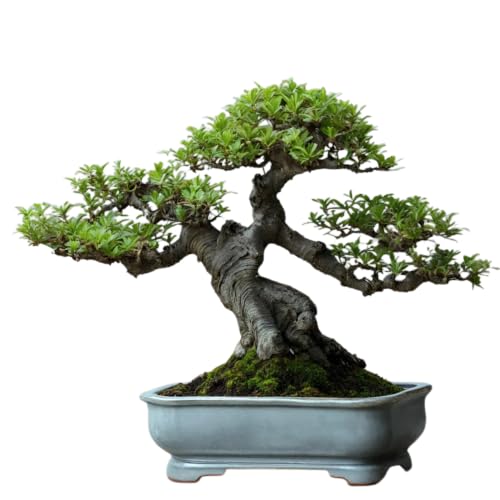 | Bonsai Planter Pots with Drainage | Juniper Bonsai Tree |NY City Succulents | Also great | Juniper bonsai with planter pots | $19.98 Price as of 10 Oct 2026 | View |
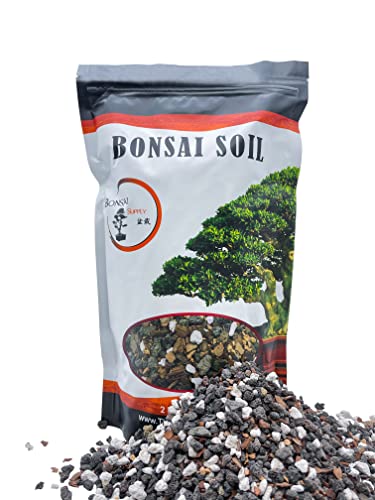 | Bonsai Soil All Purpose Mix | Fast Draining Pre Blend (2JK Global Imports | Pair with it | 2 quart all-purpose bonsai soil mix | $15.97 Price as of 10 Oct 2026 | View |
 | EPFamily Bonsai Pots – 13 Inch Ceramic Succulent Pots forEPFamily | Upgrade pick | 13-inch glazed ceramic bonsai pot | $53.99 Price as of 10 Oct 2026 | View |
This is the quickest way to separate apartment bonsai from outdoor bonsai. The right tree depends on the actual spot, not the label on the pot.
Indoor bonsai work for apartments and offices, but only if the room gives bright indirect light and a stable place away from heating and cooling swings.
How we chose
The ranking starts with light. Species that handle typical indoor light and humidity sit higher for apartments, while trees that need direct sun and seasonal cycles sit lower for indoor use.
We also weighed watering tolerance. Overwatering kills many indoor bonsai, so species that survive a missed day better than species that fail fast moved up the list.
Footprint mattered too. A desk tree, a windowsill tree, and a balcony tree do not need the same structure.
Finally, beginner tolerance mattered more than appearance. The best bonsai for a small space matches the actual spot.
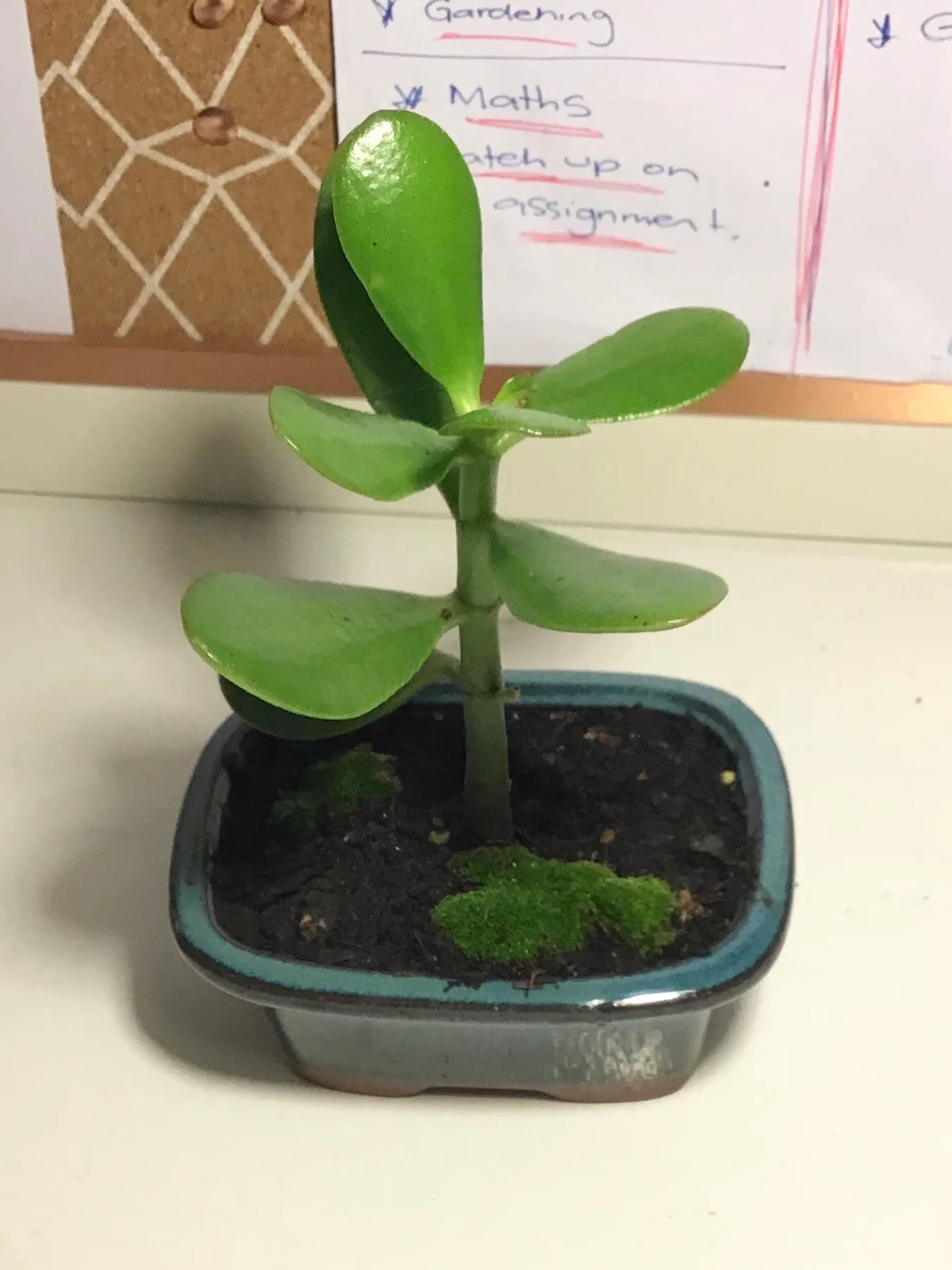
Ficus bonsai: best overall for most apartments
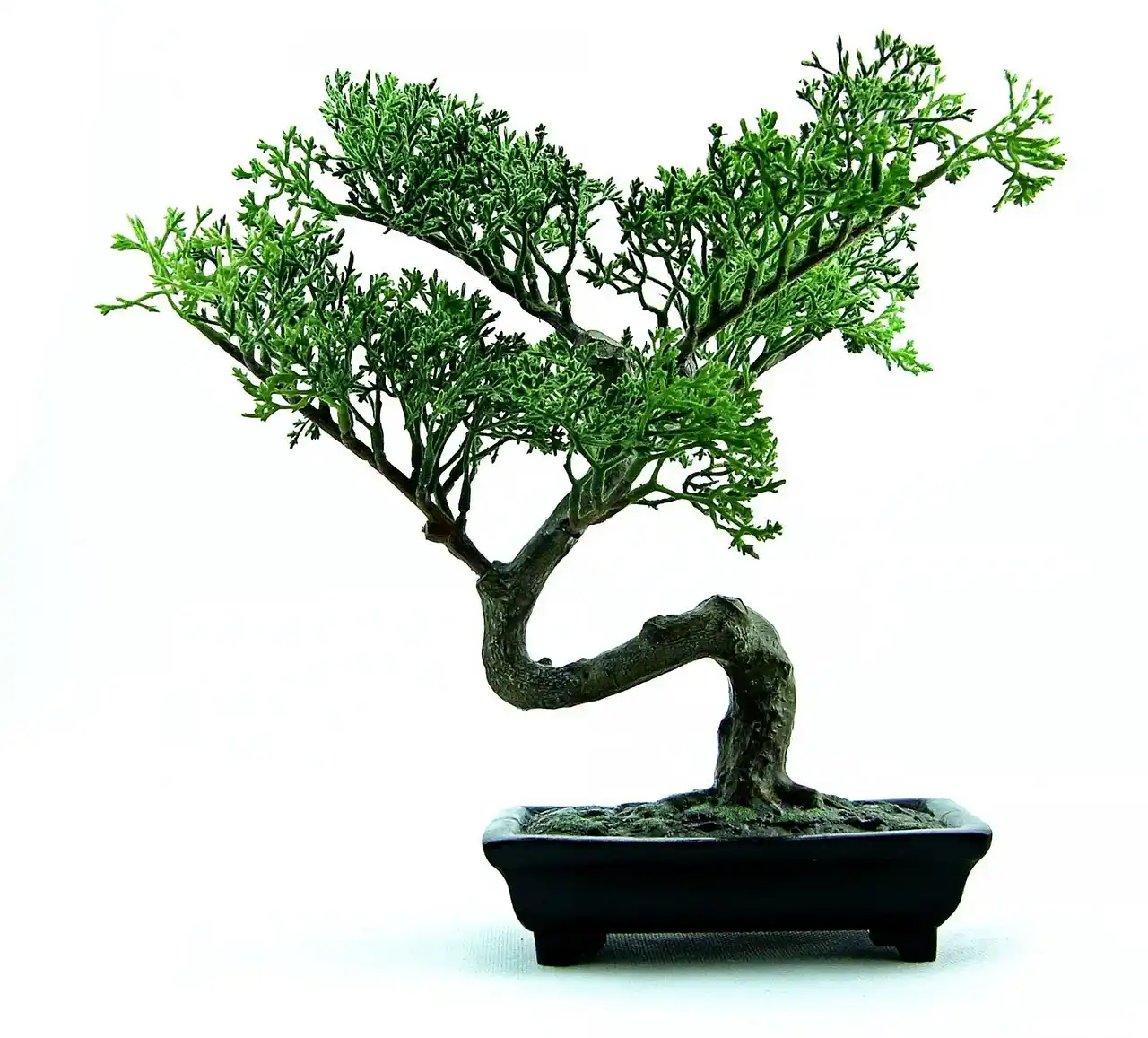
- Spiraling trunk with lush dark foliage
- Adapts well to bright indoor light
- Includes ready-to-display bonsai pot
Ficus can be a practical starting point for many apartments because it usually handles typical indoor light and humidity fairly well, and it may be more forgiving of inconsistent watering than some junipers or maples. That makes it a practical choice for bright rooms, desks near windows, and windowsills where you want a compact footprint.
It fits the indoor bonsai category, which is the realistic option for apartments and offices. Ficus also works for beginners because it is less unforgiving than many outdoor species.
The drawback is simple: ficus still needs bright light. A dim interior corner or a shelf far from the window will weaken it over time, and overwatering remains a real risk in a small pot.
Why ficus fits desks, windowsills, and bright rooms
A ficus bonsai fits the kind of apartment spot that gets strong indirect light for much of the day. It can sit on a desk close to a bright window, on a windowsill with filtered sun, or in a well-lit living room where the room itself stays bright.
That flexibility matters in small spaces, because you often have only one good plant location. Ficus is one of the few bonsai trees that can work there without needing outdoor conditions.
Where ficus struggles in apartments
Ficus struggles when the room is bright only for an hour or two, or when the plant sits several feet back from the window. It also suffers if the pot stays wet after watering, since root problems start fast in confined containers.
If your apartment has only north-facing light, ficus may be a harder fit than jade or a better-lit placement near a south-facing window.
Jade bonsai: best for low-water care
Jade is a strong apartment option because it follows succulent-type care and needs less frequent watering than leafy bonsai. Ficus and jade tolerate typical indoor light and humidity, but jade is especially useful in small spaces where forgetting to water is more common than overwatering.
It works well for people who want a compact plant for a bright shelf, a narrow windowsill, or a small table. The lower water demand also cuts one of the biggest indoor bonsai failure points.
The tradeoff is light. Jade still wants a bright spot, and it will not stay healthy in deep shade just because it is a succulent-type bonsai.
How jade differs from leafy indoor bonsai
Jade stores water in its leaves and stems, so it does not want the same watering rhythm as ficus or Chinese elm. That helps in apartments, where indoor heat can dry pots unevenly and busy schedules can make daily checks unrealistic.
Its growth habit also keeps the footprint small without much pruning pressure. That makes it useful for a shelf or desk where you want a plant that stays tidy.
When jade is a better buy than ficus
Choose jade if your watering habits are inconsistent and your room is bright enough to support a succulent-type plant. Choose ficus if you want a more classic tree look and the room has strong indirect light but not enough sun for a succulent to thrive well.
Say your apartment has a west-facing window and a narrow side table. Jade is usually the safer low-water option there, while ficus gives you more traditional bonsai structure if the light is stronger.
Chinese elm bonsai: best for home or office display
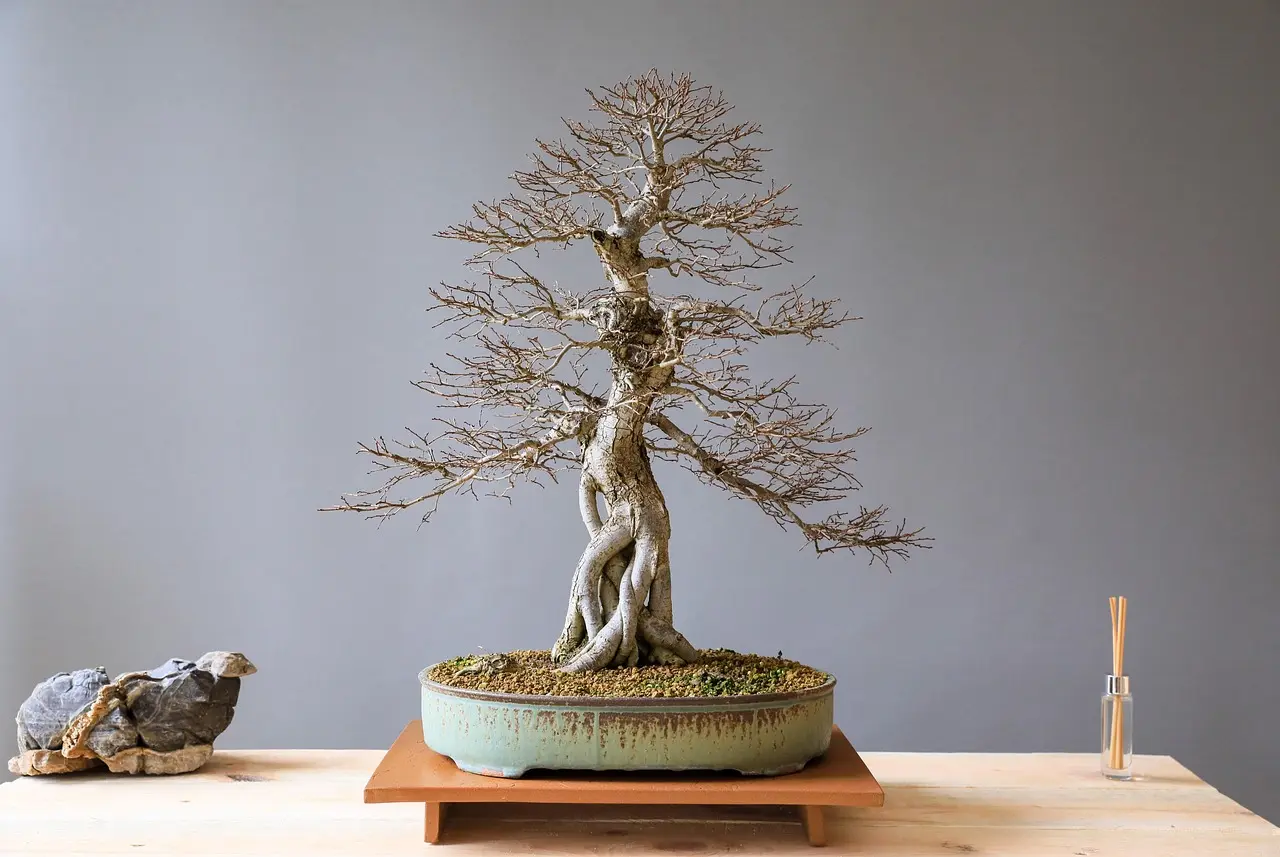
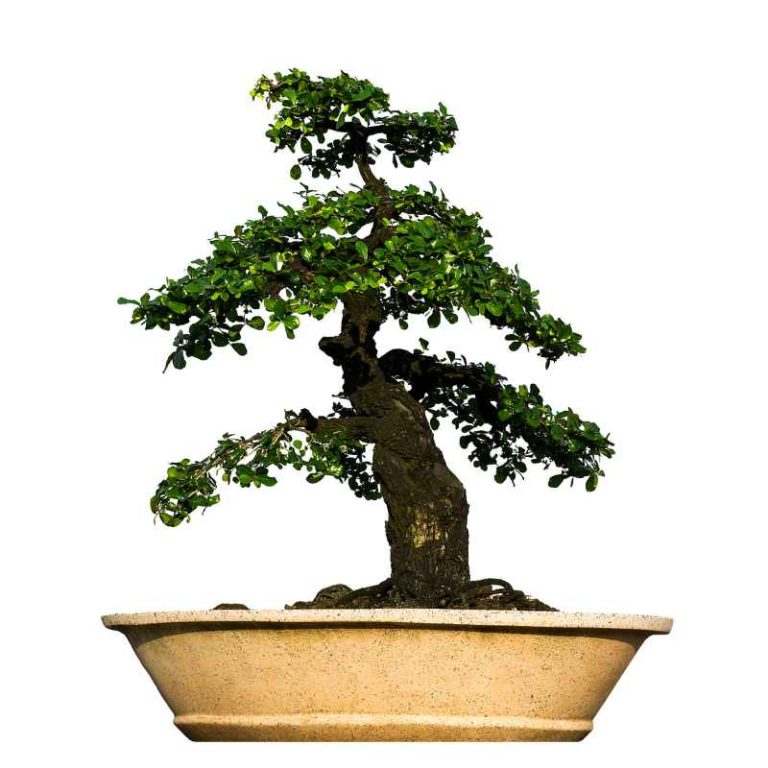
Chinese elm is commonly sold as an indoor bonsai option and suits home or office use. It works well as a room bonsai because it can handle bright indoor placement better than many temperate trees, while still looking more tree-like than a succulent.
For a desk or shelf, Chinese elm gives a more classic bonsai silhouette without the same need for outdoor seasonal cycles that juniper or maple require. It is a practical indoor display choice when the room is bright and the watering routine stays steady.
The drawback is that “indoor bonsai” still means bright indoor light. A weak room will shorten its useful life, and poor watering habits can cause stress fast.
Why Chinese elm works on a shelf or desk
Chinese elm is compact enough for a shelf yet still reads as a small tree rather than a houseplant in training. That makes it appealing for a workspace, especially if the desk sits close to a bright window.
It is often chosen for rooms where you want a bonsai that looks more traditional than jade but does not need outdoor sun like a juniper or maple.
What light and watering balance it needs
Give Chinese elm bright indirect light, preferably near a south- or west-facing window with some filtering if the sun is harsh. Keep the soil from staying soggy, since overwatering in a small pot is a common indoor failure.
A common first-timer mistake is placing it on an office shelf several feet from the window, then watering on a fixed schedule. That combination usually gives too little light and too much wet soil.
Juniper bonsai: best for outdoor balconies and patios
Juniper is a classic bonsai, but it belongs outdoors. Juniper needs real sun and seasonal cycles, and it declines indoors because apartment light and indoor temperatures do not replace those outdoor conditions.
For a balcony, terrace, or garden, juniper is a strong pick if you can give it direct sun and seasonal exposure. That makes it a bonsai for outdoor growers, not a normal room plant.
The drawback for apartment buyers is clear: if the tree must live indoors full time, juniper is the wrong choice.
Why juniper declines indoors
Juniper is an outdoor species. It needs direct sun, airflow, and the yearly rhythm that indoor spaces do not provide. Juniper needs to live outside with real sun and seasons.
That is why many indoor failures happen after a healthy-looking juniper is brought into a living room and left there for weeks. It often weakens slowly, then declines fast.
What apartment buyers should check before choosing it
Before buying juniper, ask one question: do you have an outdoor spot with full sun? If the answer is no, skip it. Balcony railings, shaded patios, and low-light terraces are not enough for long-term health.
If the answer is yes, juniper can be a rewarding outdoor bonsai, but it should still be treated as a seasonal tree rather than a desk decoration.
Trident maple bonsai: best for outdoor growers who want a tabletop statement
Trident maple is an outdoor temperate species that needs seasonal dormancy, so it belongs outside, not on a desk. It can make a strong tabletop statement on a terrace or balcony, but only if it gets direct sun and the seasonal cycle it expects.
This is the right tree for someone who wants a deciduous bonsai with more leaf change and seasonal character than an indoor tropical species. It is not a fit for a room that stays warm and dim all year.
The drawback is the same as with other temperate species: no dormancy, no health. Indoor living usually shortens its useful life.
Why it needs seasonal dormancy
Trident maple is generally not a good fit for year-round indoor conditions and usually needs a seasonal rest period. It needs a cold season and a rest period, which is why outdoor placement matters so much for long-term success.
Without that cycle, even a well-watered tree can struggle because the indoor environment keeps the tree in the wrong growth pattern.
Who should choose it instead of an indoor species
Choose trident maple if you have an outdoor balcony or terrace with real sun and you want a bonsai that changes through the seasons. Choose ficus or Chinese elm if the tree must live in an apartment room with no reliable outdoor access.
Species-to-space decision table
This table maps each bonsai to the kind of room or outdoor spot it actually fits. Use it before you buy, because placement decides success more than pot size.
| Species | Room type or setting | Minimum light level | Watering tendency | Indoor or outdoor suitability |
|---|---|---|---|---|
| Ficus bonsai | Bright apartment, desk near a window, windowsill | Bright indirect light from south or west exposure | Moderate; tolerates inconsistent watering better than many bonsai | Indoor tropical/subtropical species |
| Jade bonsai | Small indoor space, bright shelf, narrow sill | Bright light, preferably strong window light | Low-water; succulent-type care | Indoor tropical/subtropical species |
| Ginseng ficus | Desk display, office shelf, compact apartment corner | Lower light than most ficus varieties, but still bright indoor light is better | Moderate; easier than many leafy bonsai | Indoor display use |
| Chinese elm | Home or office bonsai shelf, bright desk | Bright indoor light near a window | Moderate; avoid staying wet | Indoor bonsai option |
| Juniper bonsai | Balcony, terrace, garden | Direct sun | Moderate outdoors; declines if kept indoors | Outdoor species |
| Trident maple bonsai | Balcony, terrace, outdoor tabletop | Direct sun | Moderate outdoors; seasonal cycle required | Outdoor temperate species |
Which one should you buy?
Choose ficus if you have a bright window and want the safest indoor start. It is the most forgiving general apartment pick for typical indoor conditions.
Choose jade if you forget to water often and want a compact plant for a small apartment. Its succulent-type care is easier on watering, though it still needs bright light.
Choose Chinese elm if you want an indoor display with more tree-like character and a room bonsai that works in a home or office.
Choose juniper or trident maple only if you have outdoor sun and seasonal conditions. If your only option is a desk, shelf, or dim room, skip both.
Suppose your apartment has a south-facing window and a 12-inch-wide sill. Ficus or Chinese elm can fit there if the light is strong. Suppose your only spot is a bookshelf two meters from the window. None of these trees will be happy there for long.
What bonsai species are best for apartments?
For apartments, the best bonsai species are tropical and subtropical types that can live indoors with bright light. Ficus, jade, and Chinese elm are the most practical starting points because they fit typical apartment rooms better than outdoor species that need direct sun and seasonal cycles.
Juniper and maple are not apartment-first choices. They belong on balconies, terraces, or in gardens where the light is real and the seasons change.
Can I keep a bonsai in a small room or on a desk?
Yes, but only if the desk or small room has enough light and the species matches indoor conditions. A bonsai can work on a desk, windowsill, or shelf near bright indoor light; it will not do well in a dim corner or far from the window.
Footprint matters less than light. A tiny pot does not save a tree that cannot photosynthesize.
Which bonsai species stay small indoors without dying?
Ficus, jade, and Chinese elm are the better indoor candidates for staying compact while remaining healthy. Ginseng ficus is especially compact at 12 to 14 inch size and tolerates lower light better than most ficus varieties, though it still needs a bright spot.
Indoor success still depends on avoiding overwatering and keeping the tree close to a suitable window.
Are junipers good bonsai for apartments?
No. Junipers are classic bonsai trees, but they are outdoor species that need full sun and seasonal cycles. They decline indoors because apartment conditions do not replace direct sun, fresh air, and the environmental changes they expect through the year.
If you have a balcony or patio with real sun, juniper can work well there. Indoors, it is usually the wrong buy.
What bonsai species need outdoor sun instead of indoor light?
Juniper and maple need outdoor sun instead of indoor light. Both are temperate trees that rely on direct sun and seasonal changes, and trident maple also needs seasonal dormancy to stay healthy over time.
These species belong on a garden, terrace, or balcony, not in a living room.
Which bonsai is easiest for a beginner in a small space?
Ficus is usually the easiest beginner bonsai for a small space because it tolerates typical indoor light and humidity and handles inconsistent watering better than many bonsai. Jade is also beginner-friendly if the room is bright and the owner prefers lower-water care.
If the goal is a desk or windowsill plant with the fewest surprises, start with one of those two.
How much light does an indoor bonsai need?
An indoor bonsai needs bright light, usually right near a south- or west-facing window or in another very bright room. Bright indirect light is the target for indoor bonsai, and the tree should sit close enough to the window that the light feels strong throughout the day.
Low light is the main reason apartment bonsai fail. Watering cannot make up for missing light.
Is a ficus or jade better for a small apartment?
Ficus is better if you want a more classic tree form and your apartment has bright indoor light. Jade is better if you want the lower-water option and you are more likely to forget watering than to overwater. Both suit small spaces, but the room conditions decide the winner.
If the room is bright and humid enough, ficus is usually the safer all-around apartment pick. If the space is drier and you want simpler watering, jade makes more sense.