How Much Bigger Should Your Pot Be When Repotting Bonsai?
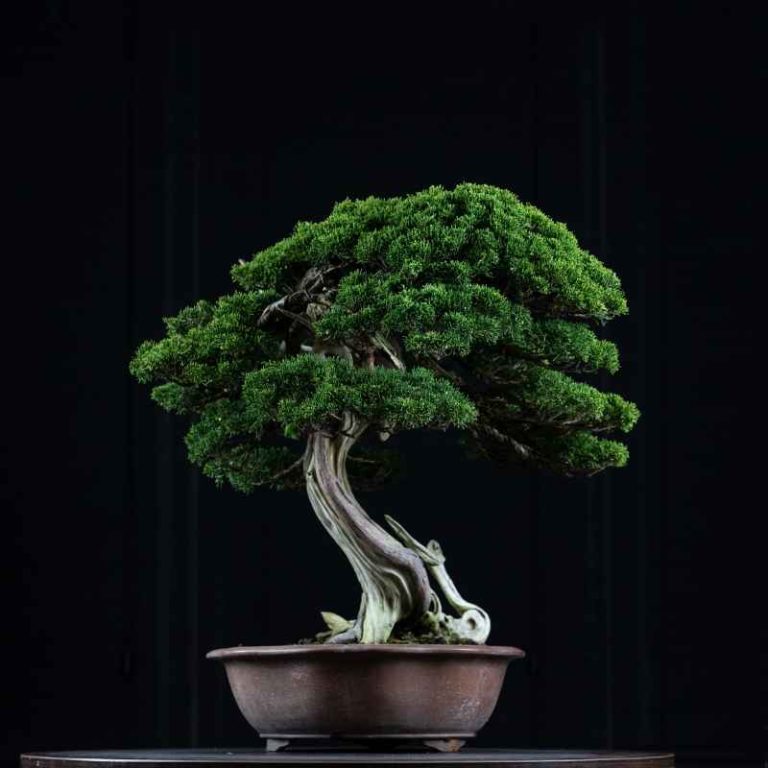
Finding the right pot size for your repotted bonsai is key. It’s not always about making it much bigger. Often, a similar or slightly larger pot works best. The goal is to give the roots space to grow but also to maintain the bonsai’s scale and shape. We’ll look at why this matters and how to choose wisely.

Farberware
Farberware Classic Series 12 Qt Stainless Steel…
- BIG POT STOCKPOT: This 12 quart pot with lid works great as a chili pot, lobster pot, pasta pot, or even a crawfish boiler
- DURABLE AND VERSATILE STOCKPOT: This stainless steel stock pot features a full cap base with a thick aluminum core surrounded by s…
- STAINLESS STEEL LARGE STOCKPOT: This stainless steel stock pot with lid is polished to a mirror finish for a classic touch; the se…
As an Amazon Associate I earn from qualifying purchases.

Understanding Bonsai Repotting and Pot Size
Bonsai trees are living art. They need care to stay healthy and beautiful. Repotting is a vital part of this care.
It helps refresh the soil. It also gives the roots room to grow. But bonsai pots are special.
They are usually shallow. This limits root growth. It also helps keep the tree small.
When you repot, you are balancing the tree’s needs with its artistic form. The pot is not just a container. It’s a part of the overall design.
It should complement the tree. It should not overwhelm it. So, how big should the new pot be?
Let’s break it down.
The primary goal of repotting is to improve the tree’s health. Healthy roots mean a healthy tree. Overpotting can cause problems.
It can lead to too much moisture. This can rot the roots. It can also encourage too much top growth.
This goes against the bonsai aesthetic.
It’s about finding a sweet spot. The new pot should allow for some root expansion. But it should also maintain the tree’s miniature appearance.
This means we often don’t go for a huge jump in pot size. It’s more about the right fit than just sheer volume.

Why Pot Size Matters So Much for Bonsai
Bonsai trees are deliberately kept small. This is achieved through careful pruning. It’s also done through wiring.
And, crucially, through the pot they live in. The pot’s size directly affects root development. Restricted roots help keep the tree miniature.
A pot that is too large can hold too much water. The soil stays wet for too long. This can lead to root rot.
Fungus and disease can also thrive in soggy soil. It’s a common mistake for beginners. They think bigger is always better for roots.
On the flip side, a pot that is too small can stunt growth. The roots run out of space quickly. The tree may not get enough water or nutrients.
It might show signs of stress. Its vigor can decrease.
So, the pot size needs to be just right. It allows the tree to be healthy. It also helps maintain its size and character.
This is where the art of bonsai meets science. We need to understand the plant’s needs. We also need to consider the visual aspect.
Think of it like a perfectly tailored suit for your tree. It fits well. It looks good.
It allows for movement but doesn’t look baggy. The bonsai pot works the same way. It supports the tree without letting it get out of hand.
Personal Experience: My First Repotting Fiasco
I remember my first attempt at repotting my little maple. It was a gift. I’d nurtured it for a year.
It seemed to be doing well. The leaves were a nice green. I read a lot online.
Everyone said repotting was good. They talked about fresh soil and healthy roots.
I looked at the tiny pot it came in. It seemed so small. I imagined its roots all tangled.
I wanted to give it the best. So, I bought a beautiful new pot. It was almost twice as big as the original.
It felt substantial and grand. I carefully removed the tree. I trimmed some roots, like the books said.
Then, I placed it in the much larger pot. I filled it with fresh soil. I watered it thoroughly.
I felt so proud of myself. I had given my tree so much room to grow.
Fast forward a few months. My maple looked… sad. The leaves were yellowing.
They dropped off much too soon. The soil seemed to stay wet for ages. I panicked.
I thought maybe I hadn’t watered enough. Or maybe it needed more sun. I tried everything.
Nothing seemed to help. It was only later, after talking to a seasoned bonsai artist, that I understood. I had made a classic mistake.
I had over-potted it. The new pot was way too big. It held too much moisture.
My poor maple was essentially drowning in its new, spacious home. That experience taught me a hard lesson about proportion and the delicate balance in bonsai care.
What Happens When You Overpot a Bonsai
Too Much Moisture: Large pots hold more soil. More soil means more water. This can lead to soggy roots.
Soggy roots mean root rot. This is very bad for the tree.
Encourages Vigorous Growth: The tree thinks it has lots of resources. It wants to grow bigger and faster. This is the opposite of what we want for bonsai.
Delayed Flowering/Fruiting: Some trees need to feel a bit stressed. This can encourage them to flower or fruit. Overpotting removes this stress.
So, you might get fewer flowers or fruits.
Imbalance: The tree and pot look out of balance. The pot can look too big for the small tree. This spoils the artistic look.
How Much Bigger Should the New Pot Be? The General Rule
So, how much bigger is “bigger”? For most bonsai trees, the new pot should not be drastically larger. Think in terms of small increases.
Often, a pot that is only slightly larger is best.
What does “slightly larger” mean? We usually talk about the dimensions of the pot. The length and width are important.
The depth is also a factor. For many trees, you might increase the length or width by about 10% to 20%. This gives a little extra room.
Sometimes, the new pot might be the same size. Or it could even be slightly smaller. This happens if the old pot was too big already.
Or if you are trying to keep the tree very small. The key is a subtle increase, not a huge leap.
Consider the tree’s current root ball. When you take it out of the old pot, look at the roots. Are they tightly bound?
Are they circling the pot? If they are, they need more space. If they are still relatively sparse, they might not need much extra room.
The depth of the new pot also matters. Most bonsai pots are shallow. This is intentional.
You don’t typically need a much deeper pot than the old one. If the old pot was 4 inches deep, the new one might be 4.5 or 5 inches deep at most. It depends on the species of tree, too.
A common guideline is to choose a pot that is about 1/3 larger in total volume than the previous one. This is a flexible rule. It’s a starting point.
Always observe your tree. Its needs will guide you.
Factors to Consider When Choosing a New Bonsai Pot
Several things influence your choice of pot size. It’s not just about the roots. It’s also about the tree itself.
And its style.
Tree Species
Some trees naturally grow more vigorously than others. Pines and junipers might need a bit more root space. Maples and elms can also grow quite fast.
Fruiting trees might need slightly different conditions. Research your specific tree species. This helps you understand its growth habits.
Tree Age and Size
A young, developing bonsai might need more room to grow. It’s building its structure. An older, more mature bonsai is more established.
It needs less drastic changes. The overall size of the tree matters too. A larger specimen will naturally need a larger pot than a tiny one.
Root System Health
When you examine the roots, what do you see? Are they healthy, white roots? Or are they dark and mushy?
Healthy roots are a good sign. They will use the extra space well. If roots are poor, you need to be more cautious.
Bonsai Style
The style of your bonsai influences pot choice. A formal upright tree might look best in a rectangular pot. A cascading tree might suit a deeper, more rounded pot.
The pot should balance the tree’s shape. It should enhance its overall visual appeal. A tall tree needs a pot that grounds it.
A spreading tree needs a pot that complements its width.
Drainage
All bonsai pots must have good drainage. They need drainage holes. These prevent waterlogging.
The size of the drainage holes can matter. Larger holes allow water to escape faster. This is good for trees that don’t like wet feet.
Material of the Pot
Bonsai pots are usually made of ceramic or clay. These materials breathe. They help the soil dry out naturally.
Plastic pots are generally not used for mature bonsai. They retain too much moisture.
Quick Scan: Pot Size Considerations
- Species: Some grow faster than others.
- Age: Young trees need more room.
- Roots: Healthy roots use space well.
- Style: Pot must match the tree’s look.
- Drainage: Crucial for preventing rot.
- Material: Ceramic is best for breathing.
When to Repot and How to Measure for a New Pot
Timing is also important. You should repot your bonsai at the right time of year. This is usually in early spring.
Just as the tree is waking up from winter dormancy. This allows the roots to heal quickly. And new growth to start.
How do you know if it’s time? Signs include roots growing out of drainage holes. Or the tree drying out very quickly after watering.
The soil might also become compacted. Water may not soak in well.
To measure for a new pot, take the old pot and tree. Place the tree on a surface. Imagine the new pot around it.
A common method is to compare the tree’s height to pot dimensions.
For rectangular pots, the length should generally be about 2/3 the height of the tree. For oval pots, the length should be about the same as the height of the tree. These are general rules.
The actual trunk diameter also plays a role.
If your tree is very wide, you might need a pot that is wider. If it’s very tall, you might need a slightly longer pot. The goal is to create visual balance.
The pot should frame the tree. It should not fight with it.
When you have a potential new pot, place the tree in it. Don’t plant it yet. Just see how it looks.
Does the pot seem to dwarf the tree? Does it look too small? Trust your eye.
Your aesthetic judgment is important.
Remember the root ball. When you remove the tree, measure the root ball. Is it roughly the same size as the inside of the new pot?
There should be some space for new soil and a little root growth. About 1/2 inch to 1 inch of space around the root ball is often enough.
Repotting Timing Checklist
- Season: Early spring is ideal.
- Signs to Watch For:
- – Roots from drainage holes
- – Fast drying soil
- – Poor water absorption
- – Compacted soil
Comparing Pot Sizes: A Visual Guide
Let’s look at some comparisons. Imagine you have a tree that is 10 inches tall.
Old Pot: A rectangular pot that is 7 inches long. This fits the 2/3 rule.
New Pot Option 1 (Slightly Bigger): A rectangular pot that is 8 inches long. This is a 10% increase. This is often a good choice.
It gives a little room without being too large.
New Pot Option 2 (Moderately Bigger): A rectangular pot that is 9 inches long. This is a 28% increase. This might be too much for many species.
Unless the roots were severely pot-bound.
New Pot Option 3 (Same Size): You might keep the same 7-inch pot if the tree’s root system isn’t too dense. Or if you’re styling a very compact tree.
When considering depth, if the old pot was 3 inches deep, the new one might be 3.5 inches deep. This is about a 17% increase in depth. Again, avoid large jumps.
It’s about proportion. The tree should look like it belongs in the pot. It should not look like a tiny plant in a giant swimming pool.
Or a giant plant crammed into a thimble.
Think about the width of the trunk. A very thick trunk might need a wider pot to balance its mass. A slender trunk might look good in a narrower pot.
These are aesthetic considerations that go hand-in-hand with the practical needs of the tree.
Proportion Guide (Approximate)
- Rectangular Pot Length vs. Tree Height: Roughly 2/3
- Oval Pot Length vs. Tree Height: Roughly equal
- Space around Root Ball: 0.5 to 1 inch
- Increase in Dimensions: 10-20% is often ideal
What This Means for Your Bonsai’s Future Health
Choosing the right pot size is not just about aesthetics. It has direct consequences for your bonsai’s health. A properly sized pot helps regulate soil moisture.
This prevents root rot. It encourages strong, healthy root growth.
When the roots have enough space, but not too much, they can function optimally. They can absorb water and nutrients efficiently. This supports healthy leaf growth and overall vigor.
A tree in the right pot is more resilient. It’s less prone to pests and diseases. It requires less intensive care because its basic needs are met.
You won’t be constantly battling overwatering issues.
It also contributes to the longevity of your bonsai. Bonsai trees can live for many years, even centuries. Proper repotting and pot selection are key to this long life.
You are setting your tree up for success for years to come.
Think about the long game. You want your bonsai to thrive. This means providing the right environment.
The pot is a critical part of that environment. It’s an investment in your tree’s future. It’s about creating a sustainable ecosystem for your miniature tree.
Quick Fixes & Gentle Guidance
If you’ve already repotted and suspect you chose a pot that’s too big, don’t despair. There are things you can do.
Adjust Watering: Water less often. Wait for the soil to start drying out before watering again. Use a moisture meter if you have one.
Or stick your finger deep into the soil.
Improve Drainage: Ensure the drainage holes are not blocked. You can even lift the tree slightly in the pot. Place a small, inert material under the root ball to create a small air gap.
Use this sparingly.
Increase Airflow: Place the tree in a location with good air circulation. This helps the soil dry out faster. Avoid humid spots.
Monitor Closely: Watch for any signs of distress. Yellowing leaves, wilting, or mold on the soil surface. If things don’t improve, you may need to repot again.
This time, into a more appropriately sized pot.
Sometimes, the best “fix” is patience. Give the tree time to adapt. Observe its reactions.
If it looks healthy, even with a slightly larger pot, it might be fine.
The key is to be observant. Your tree will tell you if something is wrong. You just need to learn to listen.
Helping an Overpotted Tree
- Water less frequently.
- Check soil moisture regularly.
- Ensure excellent drainage.
- Improve air circulation around the tree.
- Watch for signs of stress.

Frequently Asked Questions About Bonsai Pot Size
When is the best time to repot a bonsai tree?
The best time is usually in early spring, just as the tree begins to show signs of new growth. This allows the roots to recover quickly and minimizes stress on the tree.
What if my bonsai’s roots are extremely root-bound?
If the roots are very dense and circling the pot, you will need to prune them significantly. In this case, a slightly larger pot may be necessary to accommodate the remaining root mass and allow for new growth. Aim for an increase of about 20-30% in pot dimensions.
Can I use any old pot for my bonsai?
No, bonsai pots are specially designed. They are usually shallow, have drainage holes, and are made of breathable materials like ceramic or clay. The pot’s style and proportion are also crucial for the overall aesthetic of the bonsai.
How much should I prune the roots during repotting?
You typically prune about 1/3 of the root mass. Focus on removing thicker, older roots and any circling roots. The goal is to encourage finer, feeder roots to grow.
What if I can’t find a pot that’s the perfect size?
It’s okay to have a bit of extra space. It’s better to have a pot that’s slightly too large than one that’s too small. Just be extra diligent with your watering to avoid waterlogging.
You can also use decorative moss or gravel to fill some space aesthetically.
Does the pot color matter for bonsai?
Yes, pot color can affect the perception of the tree’s colors. Earthy tones often complement natural wood and foliage. Bright colors can be used for accent trees or to highlight seasonal blooms, but they should not compete with the tree itself.
How often do bonsai trees need repotting?
This varies by species and age. Young, fast-growing trees might need repotting every 1-2 years. Older, mature trees may only need it every 3-5 years, or even longer.
Look for the signs mentioned earlier.
Conclusion: The Art of the Right Fit
Choosing the correct pot size for repotting your bonsai is a blend of science and art. It’s about meeting your tree’s health needs while maintaining its beautiful, miniature form. Remember that drastic changes are usually unnecessary.
A slight increase in size, or even the same size pot, is often ideal.
Pay close attention to your tree. Observe its growth. Understand its species.
And trust your instincts. With a little practice, you’ll get a feel for what your bonsai needs. This ensures it thrives for years to come.
Related pick: Check today's price on Amazon