Air-Purifying Plants and Flowers for Cleaner Indoor Air
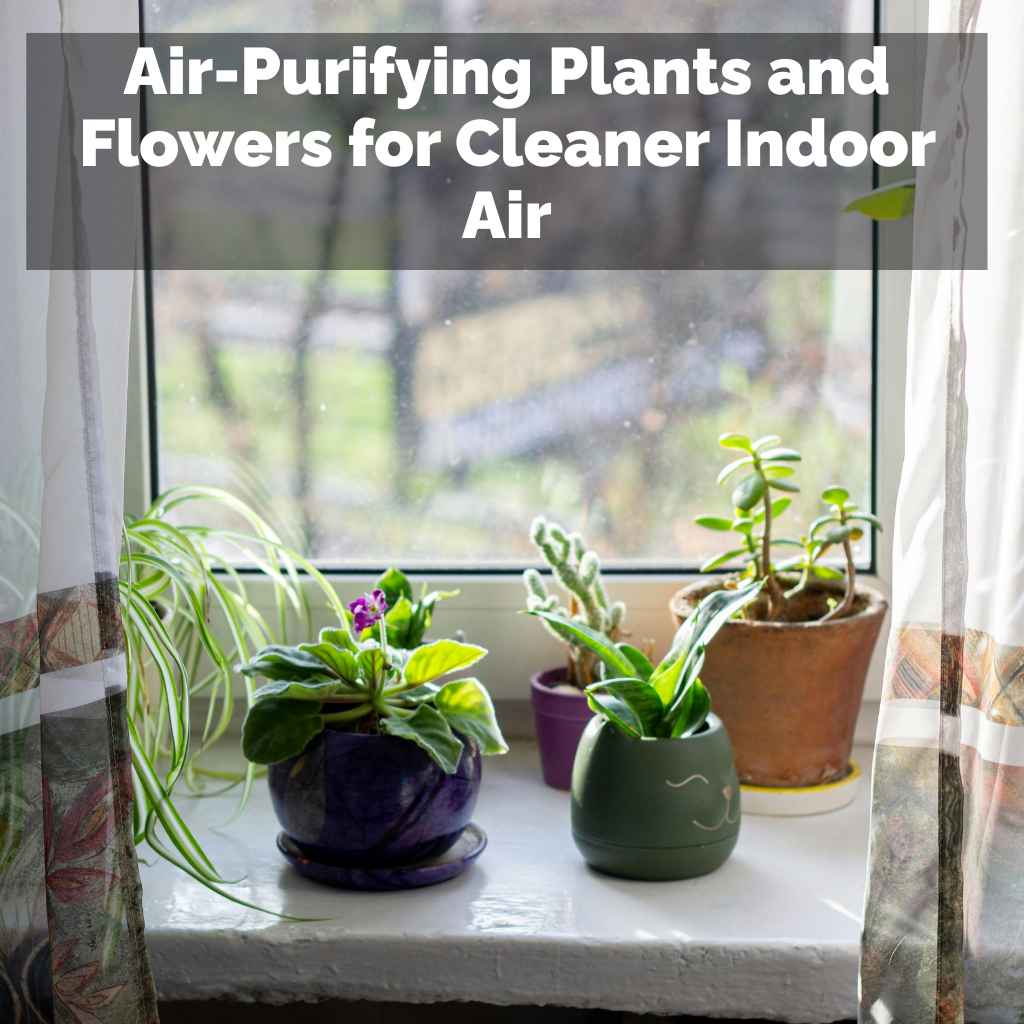
Yes, certain air-purifying plants and flowers can help clean your indoor air by removing common toxins like formaldehyde, benzene, and more. Top easy choices include snake plant, spider plant, peace lily, and pothos. Place a few around your home for fresher air, better health, and beautiful greenery — perfect for beginners!
For a related plant or gardening question, Are Succulents Air-Purifying Plants? gives readers a focused next step.
For a related plant or gardening question, Air-Purifying Plants vs Air Purifier: Which Is Better? gives readers a focused next step.
For a related plant or gardening question, Top 3 Air-Purifying Plants That Actually Work gives readers a focused next step.
Do you ever feel stuffy inside your home? Many of us spend most of our time indoors, where air can carry hidden pollutants from paint, furniture, cleaners, and more. These can cause headaches, tiredness, or irritation. The good news? Simple houseplants can help! They absorb some bad stuff and add fresh oxygen. In this guide, I will show you the best air-purifying plants and flowers. You will get easy steps to pick, care for, and place them. Anyone can do this — no fancy skills needed. Let’s make your home fresher and greener together!
Why Indoor Air Needs Help
Indoor air often has more pollutants than outdoor air. Things like formaldehyde (from new furniture), benzene (from smoke or plastics), and trichloroethylene (from paints) build up in closed rooms. The EPA says good ventilation helps, but plants add a natural boost.
A famous NASA Clean Air Study from 1989 tested plants in sealed spaces. It found many common ones remove toxins through leaves, roots, and soil microbes. While real homes have more air flow (so effects are gentler), plants still improve air, add humidity, reduce stress, and look lovely.
Best part? These plants are tough and forgiving for beginners.

Top Air-Purifying Plants and Flowers
Here are my favorite picks. They come from NASA research and recent tips. All are easy, beautiful, and great at cleaning air.
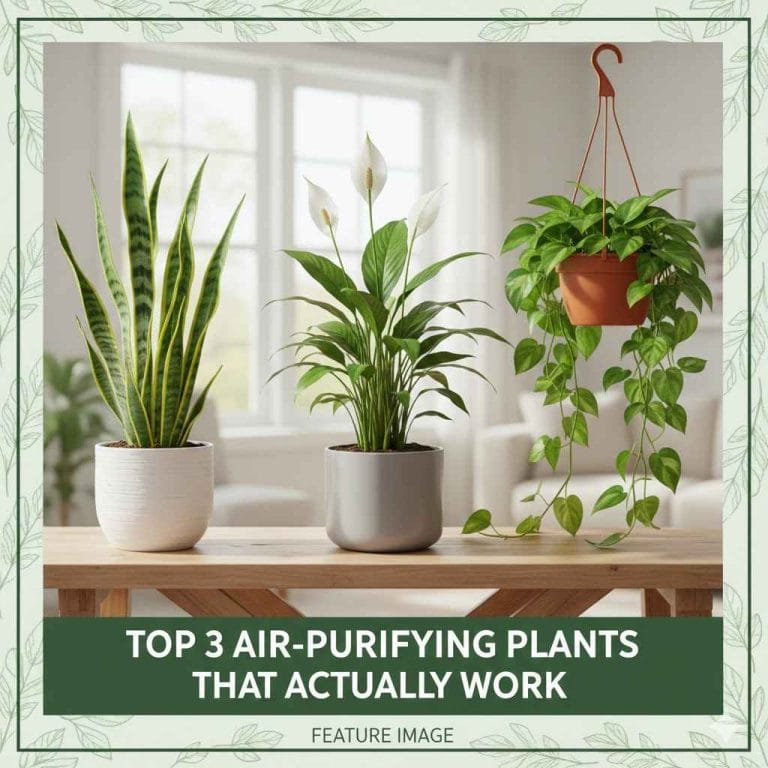
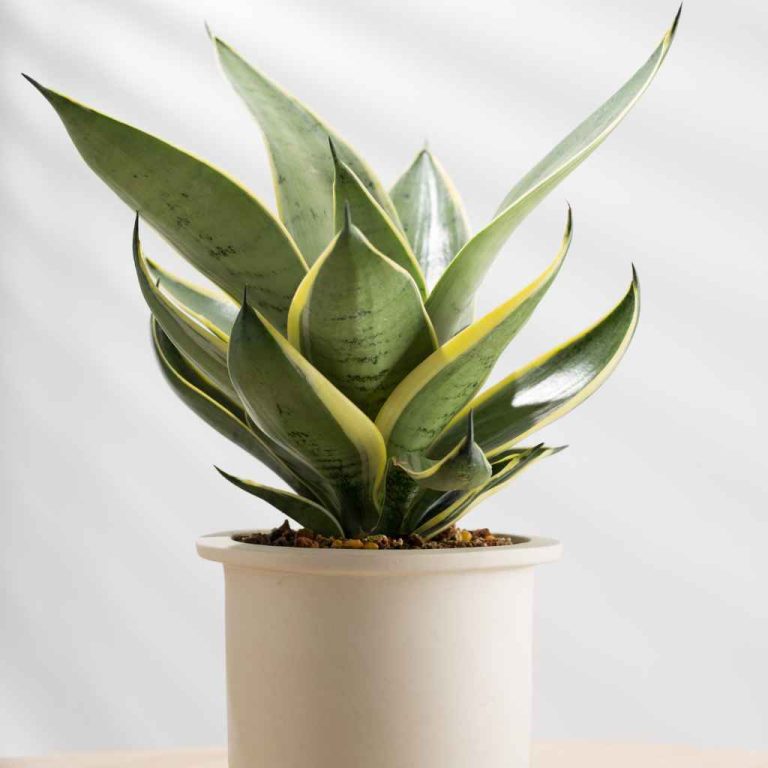
1. Snake Plant (Mother-in-Law’s Tongue)
This upright, sword-like plant is a superstar. It removes benzene, formaldehyde, trichloroethylene, xylene, and toluene. It even gives oxygen at night — perfect for bedrooms!
2. Spider Plant
With arching green-and-white leaves, it’s super easy. It clears formaldehyde and carbon monoxide. Safe for pets and kids, and it grows “babies” you can share.
3. Peace Lily
This flowering beauty has shiny leaves and white blooms. It fights ammonia, benzene, formaldehyde, and more. It likes shade and shows when it needs water by drooping.
4. Pothos (Devil’s Ivy)
Trailing vines with heart-shaped leaves. It removes formaldehyde, benzene, toluene, and xylene. Grows in low light and is almost impossible to kill.
5. Aloe Vera
A succulent with thick leaves. It clears formaldehyde and benzene. Bonus: Use gel for skin burns!
Other strong ones: Bamboo palm for dry air, English ivy for mold, Chinese evergreen for low light.
Comparison Table: Top Air-Purifying Plants
| Plant | Main Toxins Removed | Light Needs | Watering | Pet Safe? | Best Spot |
|---|---|---|---|---|---|
| Snake Plant | Benzene, Formaldehyde, Trichloroethylene, Xylene, Toluene | Low to bright indirect | Every 2-3 weeks | No (toxic if eaten) | Bedroom, office |
| Spider Plant | Formaldehyde, Carbon Monoxide | Bright indirect to low | Weekly, let dry a bit | Yes | Kitchen, hanging |
| Peace Lily | Ammonia, Benzene, Formaldehyde | Medium to low indirect | Weekly, keep moist | No (toxic) | Living room, bathroom |
| Pothos | Formaldehyde, Benzene, Toluene | Low to bright indirect | When top inch dry | No (toxic) | High shelves, trailing |
| Aloe Vera | Formaldehyde, Benzene | Bright indirect | Every 2-3 weeks | Yes (gel safe) | Windowsill |
How to Choose and Buy Your Plants
- Check your light: Low light? Pick snake plant or pothos. More light? Try peace lily or aloe.
- Think about space: Tall snake plant for floors, trailing pothos for shelves.
- Start small: Buy from local nurseries or trusted shops for healthy plants.
- Ask about care: Tell them you’re a beginner — they help!
Step-by-Step: Caring for Your Air-Purifying Plants
Follow these simple steps for happy, healthy plants that work hard for you.
General Care Tips
- Use well-draining potting soil.
- Choose pots with holes to avoid root rot.
- Wipe leaves monthly to remove dust — helps them “breathe.”
- Fertilize lightly in spring/summer with balanced houseplant food.
- Watch for pests like spider mites; rinse with water if seen.
Specific Care for Top Plants
- Snake Plant: Place in any light. Water sparingly — too much causes rot. Let soil dry fully.
- Spider Plant: Hang or set in bright spot. Water when top feels dry. Trim brown tips.
- Peace Lily: Medium light. Water when it droops (it tells you!). Loves humidity — mist or use pebble tray.
- Pothos: Any light. Water when dry. Trim to keep bushy or let trail.
- Aloe Vera: Sunny spot. Water deeply but rarely. Great for forgetful gardeners.
How Many Plants Do You Need?
NASA suggested 1 plant per 100 square feet for good effect. Start with 2-5 in main rooms. More is better, but even a few help!
| Room Size | Suggested Number of Plants | Example Plants |
|---|---|---|
| Small (under 100 sq ft) | 1-2 | Snake plant + pothos |
| Medium (100-200 sq ft) | 3-5 | Peace lily, spider, aloe |
| Large (over 200 sq ft) | 6+ | Mix of tall and trailing |
Placement Tips for Best Air Cleaning
- Bedrooms: Snake plant (night oxygen) or peace lily.
- Living areas: Spider plant or pothos for style.
- Bathrooms/Kitchens: Peace lily (loves humidity) or aloe.
- Avoid direct hot sun — it burns leaves.
- Group plants for mini “green zone” — boosts humidity and effect.

FAQ
Do air-purifying plants really work?
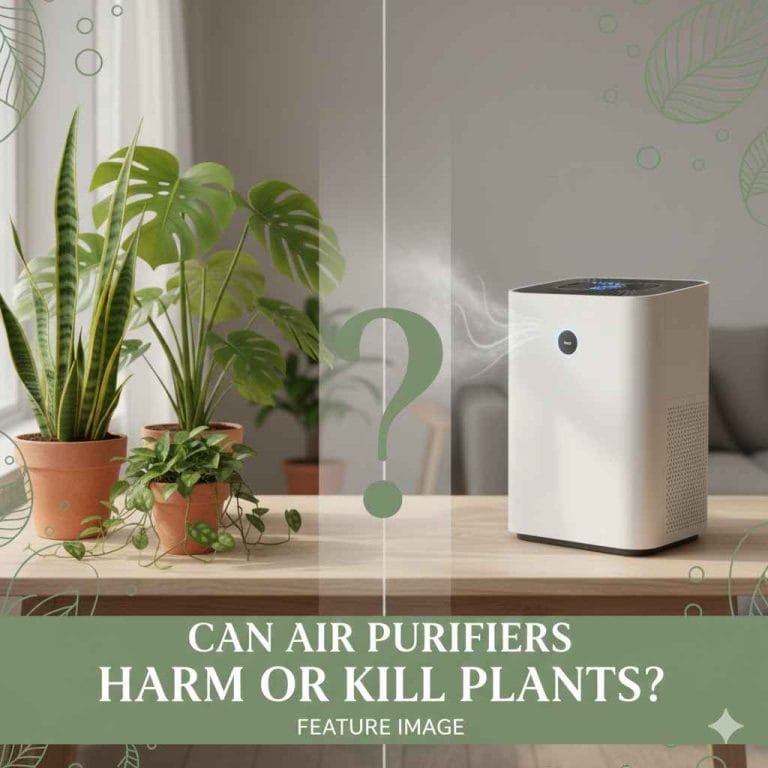
Yes! NASA research shows they remove toxins. While not as strong as machines in big rooms, they help plus add beauty and calm.
Are these plants safe for pets?
Spider plant and aloe are safe. Snake plant, peace lily, and pothos can upset pets if eaten — keep out of reach or choose safe ones.
How often should I water air-purifying plants?
It varies: Snake and aloe every 2-3 weeks; pothos and spider when top dry; peace lily weekly. Always check soil first!
Can these plants survive low light?
Yes — snake plant, pothos, spider plant, and peace lily do great in low or indirect light. Perfect for apartments.
What if my plant gets brown tips?
Usually from dry air or fluoride in water. Use rainwater or let tap water sit overnight. Mist leaves or add humidity tray.
Do flowers on peace lily help air cleaning?
The whole plant does — leaves, roots, soil. Flowers are a bonus for looks!
How do I know if my indoor air is bad?
Signs: Headaches, stuffy nose, tiredness. Plants help, but open windows and clean often too.
Conclusion
Adding air-purifying plants is one of the easiest ways to make your home healthier and happier. Start with one or two favorites like snake plant or pothos — you will see fresher air and feel proud watching them grow. These green friends need little but give so much: cleaner breaths, less stress, and pretty views every day. You can do this! Grab a plant today, give it a spot, and enjoy the rewards. Your indoor garden awaits — happy planting!