Air-Purifying Plants Benefits for Your Home
Air-purifying plants naturally help clean your home’s air by removing common toxins like formaldehyde and benzene, while adding oxygen, humidity, and beauty. Easy beginner picks like snake plant, spider plant, and pothos make your indoor space healthier and more relaxing—no fancy equipment needed. Start with just a few for noticeable benefits in mood and freshness.

ragnaroc
ragnaroc Air Plants - Tillandsia Ionantha Pack,…
- LIVE AIR PLANTS: ragnaroc 5 Pack air plants are 1-3 inches tall and 1-2 inches wide and come with a collectible care card in 100%…
- VERSATILE USES & DECORATION: The air plants are great to decorate your home in containers, hanging air plant holders, placed in ai…
- EASY TO CARE: Simply soak in tepid water for 20-40 minutes every week (or two), making sure the Air Plant fully dries within 2 hou…
As an Amazon Associate I earn from qualifying purchases.
Many people worry about indoor air quality these days. Our homes trap pollutants from cleaners, furniture, paints, and even cooking. These can cause headaches, tiredness, or worse over time. The good news? You can fight back with simple houseplants. Studies, including NASA’s famous Clean Air Study, show certain plants absorb harmful chemicals and release fresh oxygen. They also boost humidity and make your space feel calmer and greener. In this guide, I’ll walk you through the best air-purifying plants, their benefits, and easy care steps so you can enjoy a healthier home right away.
Why Air-Purifying Plants Matter for Your Home
Indoor air can be 2-5 times more polluted than outdoor air, according to the U.S. Environmental Protection Agency (EPA). Common toxins include formaldehyde (from furniture and carpets), benzene (from paints and smoke), and trichloroethylene (from solvents). Breathing these in long-term may lead to irritation, allergies, or fatigue.
Plants act as natural filters. Through their leaves and roots (with helpful soil microbes), they pull in pollutants and break them down. NASA’s research from the late 1980s found plants remove VOCs (volatile organic compounds) in sealed spaces. While real homes have more air exchange, plants still help—especially when you add several. Plus, they offer extra perks like lower stress, better focus, and nicer decor.
Best part for beginners: Many top air-purifiers are tough, forgiving plants that thrive with basic care.

Top Benefits of Having Air-Purifying Plants Indoors
Here are the main ways these plants improve your daily life:
- Cleaner air: They absorb toxins like formaldehyde, benzene, xylene, and more.
- More oxygen: Plants release O2 during the day (some at night too).
- Added humidity: They release moisture, helping dry winter air or air-conditioned rooms.
- Stress relief: Greenery lowers anxiety and boosts mood—studies show plants help people feel calmer.
- Beauty and style: They add life to shelves, desks, or corners without much effort.
- Eco-friendly: Natural solution—no electricity or filters to replace.
While massive numbers of plants are needed for huge changes (as some reviews note), even a handful make a difference in small rooms and bring joy.
Best Air-Purifying Plants for Beginners
Here are 10 forgiving, effective choices based on NASA findings and recent recommendations. All suit low-to-medium light and easy routines.
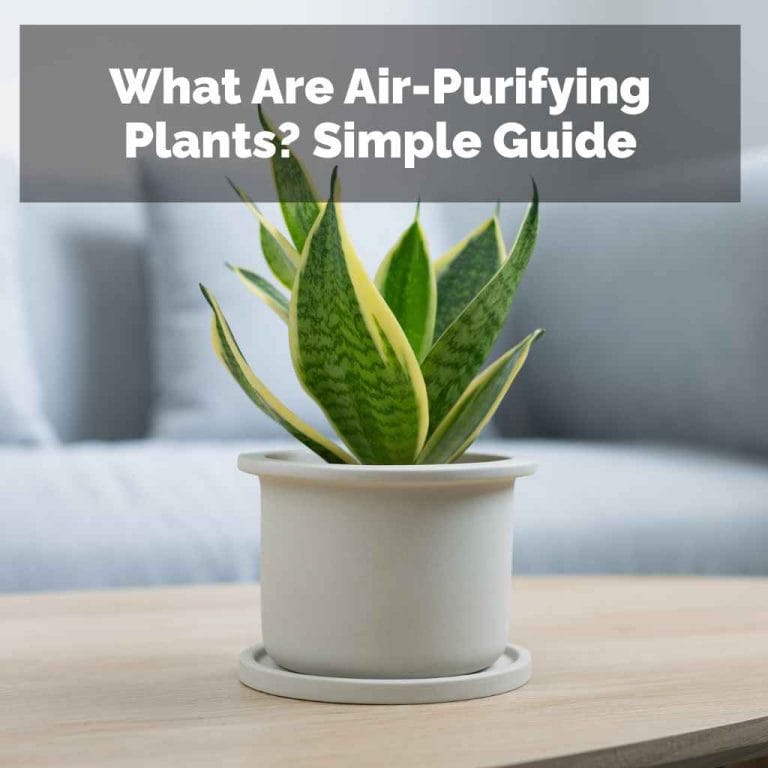
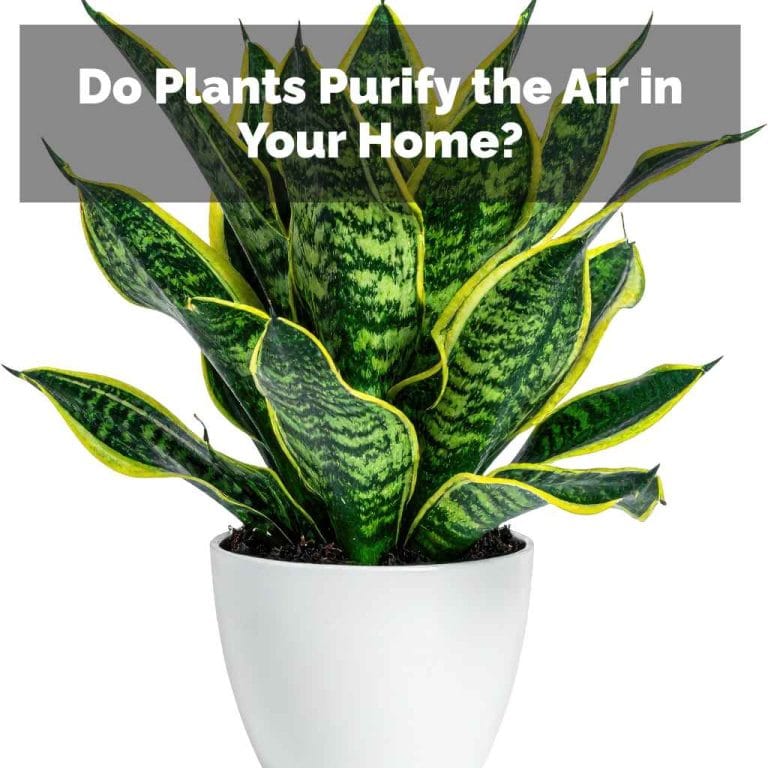
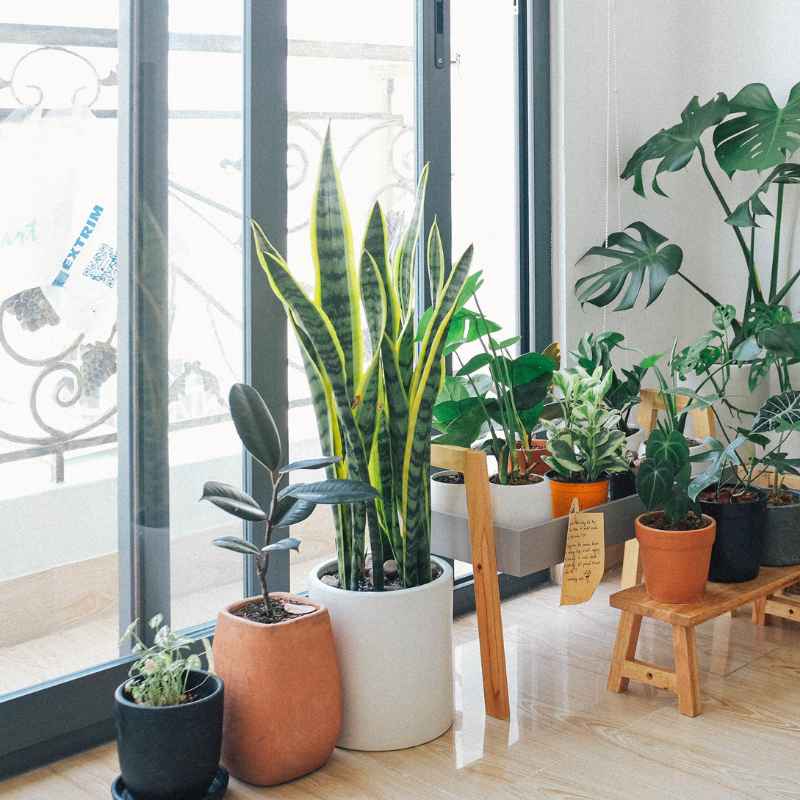
- Snake Plant (Sansevieria trifasciata) – Removes formaldehyde, benzene; produces oxygen at night. Super tough—perfect for bedrooms.
- Spider Plant (Chlorophytum comosum) – Clears formaldehyde, carbon monoxide; fast-growing with baby “spiderettes.”
- Pothos (Epipremnum aureum) – Handles low light; removes toxins; trails beautifully in hanging pots.
- Peace Lily (Spathiphyllum) – Filters many VOCs; shows droopy leaves when thirsty—easy reminder to water.
- Aloe Vera – Removes formaldehyde, benzene; gel soothes skin burns too.
- Boston Fern (Nephrolepis exaltata) – Excellent humidifier and toxin remover; loves indirect light.
- English Ivy (Hedera helix) – Great against mold and allergens; climbs or trails.
- Rubber Plant (Ficus elastica) – Absorbs formaldehyde; big, bold leaves for impact.
- ZZ Plant (Zamioculcas zamiifolia) – Thrives on neglect; low light champ.
- Dracaena (various types) – Removes trichloroethylene, benzene; adds height and color.
How to Choose and Place Your Air-Purifying Plants
Pick 1-2 plants per 100 square feet for good effect. Place them where you spend time: living room, bedroom, office. Mix sizes and types for better coverage.
Here’s a quick comparison table:
| Plant | Light Needs | Water Frequency | Key Toxins Removed | Beginner Level |
|---|---|---|---|---|
| Snake Plant | Low to bright indirect | Every 2-3 weeks | Formaldehyde, benzene, xylene | Very easy |
| Spider Plant | Bright indirect | Weekly | Formaldehyde, CO, xylene | Easy |
| Pothos | Low to medium | Every 1-2 weeks | Benzene, formaldehyde | Very easy |
| Peace Lily | Medium indirect | Weekly (keep moist) | Ammonia, benzene, formaldehyde | Easy |
| Aloe Vera | Bright indirect | Every 2-3 weeks | Formaldehyde, benzene | Easy |
Step-by-Step Guide: How to Care for Air-Purifying Plants
Follow these simple steps to keep your plants healthy and working their best.
- Choose the right spot: Most prefer indirect light—avoid direct hot sun that scorches leaves.
- Water wisely: Check soil first. Stick your finger in—if dry 1-2 inches down, water. Overwatering causes more problems than underwatering.
- Use good soil and pots: Well-draining potting mix and pots with holes prevent root rot.
- Fertilize lightly: Use half-strength houseplant fertilizer every 2-3 months in growing season (spring/summer).
- Clean leaves: Wipe dust off with a damp cloth monthly—dust blocks air-cleaning pores.
- Repot when needed: Every 1-2 years or when roots fill the pot.
- Watch for pests: Check for tiny bugs; rinse or use mild soap spray if spotted.
Start small—buy one or two, learn their needs, then add more. You’ll see healthier plants and feel the fresh difference.
Common Mistakes to Avoid with Air-Purifying Plants
- Overwatering – Leads to yellow leaves and rot.
- Too much direct sun – Burns leaves on many types.
- Ignoring dust – Reduces their purifying power.
- Placing in dark corners without checking light needs.
- Forgetting to turn pots occasionally for even growth.
With patience, these are easy to fix.
FAQ
Do air-purifying plants really clean indoor air?
Yes, they remove toxins like formaldehyde and benzene through leaves and roots, as shown in NASA’s Clean Air Study. While you need several for big impact, they help noticeably and add other health perks.
Which air-purifying plant is best for low light?
Snake plant, pothos, ZZ plant, and peace lily do great in low light. They’re forgiving if your room lacks windows.
Are air-purifying plants safe for pets?
Some are (spider plant, Boston fern), others aren’t (peace lily, pothos can upset stomachs). Check before buying if you have cats or dogs.
How many plants do I need to purify a room?
Start with 1-2 per 100 square feet. More is better, but even a few improve air and mood.
Do these plants need special care?
No—most are beginner-friendly. Water when soil dries, give indirect light, and wipe leaves. Simple!
Can plants remove odors?
Yes, many absorb smells from cooking, smoke, or pets while releasing fresh oxygen and humidity.
What’s the easiest air-purifying plant for total beginners?
Snake plant or pothos—they survive neglect, low light, and irregular watering like champs.
Conclusion: Bring Fresh Air and Joy into Your Home Today
Adding air-purifying plants is one of the simplest, most enjoyable ways to make your home healthier and happier. These green friends work quietly to filter toxins, boost oxygen, ease stress, and brighten your space—all while asking for very little in return. Start with forgiving ones like snake plant or pothos, care for them with love, and watch your indoor world transform. You’ll breathe easier, feel more relaxed, and love coming home even more. Gardening like this builds confidence—one leaf at a time. Go pick your first plant today; your home (and lungs) will thank you! Happy planting!
Related pick: Check today's price on Amazon