Is Monstera an Air-Purifying Plant?
No, Monstera (Swiss cheese plant) is not a strong air-purifying plant in real homes. The popular idea comes from the 1989 NASA study on plants removing some toxins in sealed chambers, but Monstera was not tested there. In everyday rooms, houseplants like Monstera offer only tiny air benefits — better ventilation works much more. Still, Monsteras bring joy, humidity help, and beauty to your space!

California Tropicals
California Tropicals Monstera Adansonii Real Live Indoor…
- Lush tropical charm: Elevate your space with the captivating Monstera Adansonii, a genuine live plant boasting sizable, heart-shap…
- Beginner-friendly greenery: Gardening made easy. Thriving in indirect light, it requires minimal effort to maintain, making it an…
- Fresh, ready to thrive plants: Opt for life with California Tropicals. Our Monstera Adansonii is carefully handpicked and arrives…
As an Amazon Associate I earn from qualifying purchases.
If you are comparing plant-by-plant air-cleaning claims, Is Calathea an Air-Purifying Plant? explains what to expect from that specific indoor plant.
Many beginner gardeners love the Monstera plant. Its big, split leaves look amazing in homes. People often ask if it cleans indoor air like some say. You may have seen claims that Monsteras remove harmful chemicals. This comes from old NASA research. But is it true for your living room or bedroom? Don’t worry — let’s look at the facts in simple words. I’ll explain what science says and why Monsteras are still great to grow. By the end, you’ll know the truth and how to care for this fun plant with confidence.
What Is the NASA Clean Air Study?
The famous NASA Clean Air Study happened in 1989. Scientists tested houseplants in closed chambers to see if they could remove bad gases called volatile organic compounds (VOCs). These include formaldehyde, benzene, and trichloroethylene from things like paint, furniture, and cleaners.
The study found some plants absorb these toxins through leaves and roots with helpful microbes. You can read the original report here: NASA Clean Air Study (ntrs.nasa.gov).
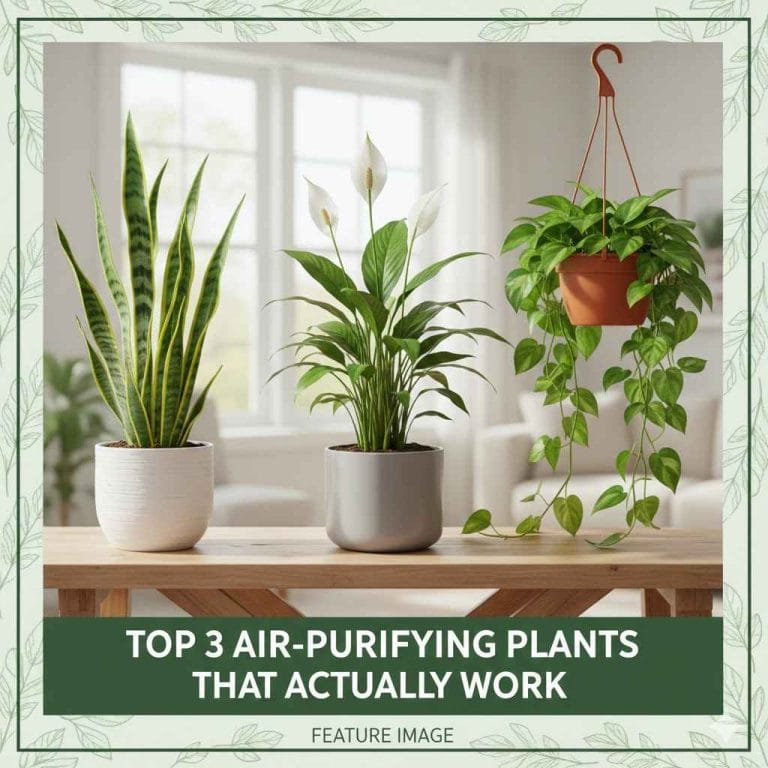
Popular plants like peace lily, snake plant, and pothos did well in tests. But Monstera deliciosa (the common Swiss cheese plant) was not on the main list. Some blogs say it helps because of big leaves, but that’s not from the NASA data.

Does Monstera Really Purify Air in Your Home?
Short answer: Not much in real life. The NASA tests used small, sealed spaces with lots of plants. Homes are bigger with open windows, fans, and air flow. Later studies show you need hundreds of plants per room to clean air like an air purifier. For example, one review said you’d need 10 to 1,000 plants per square meter for real VOC removal — that’s not practical!
The American Lung Association explains this well: Houseplants don’t clean air enough to count on. They say focus on real fixes like better ventilation instead of relying on a Monstera or pothos. Check their article: American Lung Association on Houseplants and Air Quality.
Monsteras do help a little by:
- Adding oxygen through normal photosynthesis.
- Boosting humidity (they release water from leaves).
- Making your home feel fresh and green.
But for true air cleaning, open a window or use a HEPA filter. Monsteras shine more as beautiful, easy houseplants than as air machines.
Benefits of Growing Monstera Anyway
Even without big air-purifying power, Monsteras are wonderful for beginners. Here’s why many people (including me!) love them:
| Benefit | How It Helps You |
|---|---|
| Easy to Grow | Forgives small mistakes like irregular watering. |
| Beautiful Leaves | Big, fenestrated (holey) leaves add tropical style to any room. |
| Humidity Helper | Releases moisture, good in dry homes. |
| Low Light Tolerant | Grows well in medium to bright indirect light — perfect indoors. |
| Mood Booster | Caring for plants reduces stress and brings joy. |
Many gardeners feel calmer with green friends around. Monsteras grow fast and give that “wow” look without much work.
How to Care for Your Monstera (Beginner Guide)
Want a happy Monstera? Follow these simple steps. You’ll see new leaves in no time!
- Choose the Right Spot: Put it in bright, indirect light. Avoid direct sun that burns leaves. North or east windows work great.
- Water Wisely: Let top 2 inches of soil dry before watering. Use room-temperature water. Overwatering causes yellow leaves.
- Pot and Soil: Use well-draining potting mix with perlite or orchid bark. Repot every 1-2 years as it grows.
- Support It: Give a moss pole or trellis. Monsteras climb in nature!
- Fertilize Lightly: Feed with balanced liquid fertilizer every 4-6 weeks in spring/summer. Skip in winter.
- Humidity and Cleaning: Mist leaves or use a pebble tray. Wipe dust off big leaves for better health.
Common problems? Brown tips mean low humidity or fluoride in water. Yellow leaves often mean too much water. Fix these, and your plant thrives.
Best True Air-Purifying Plants for Beginners
If air cleaning matters most, try these NASA-tested ones. They work better in studies (though still limited in homes):
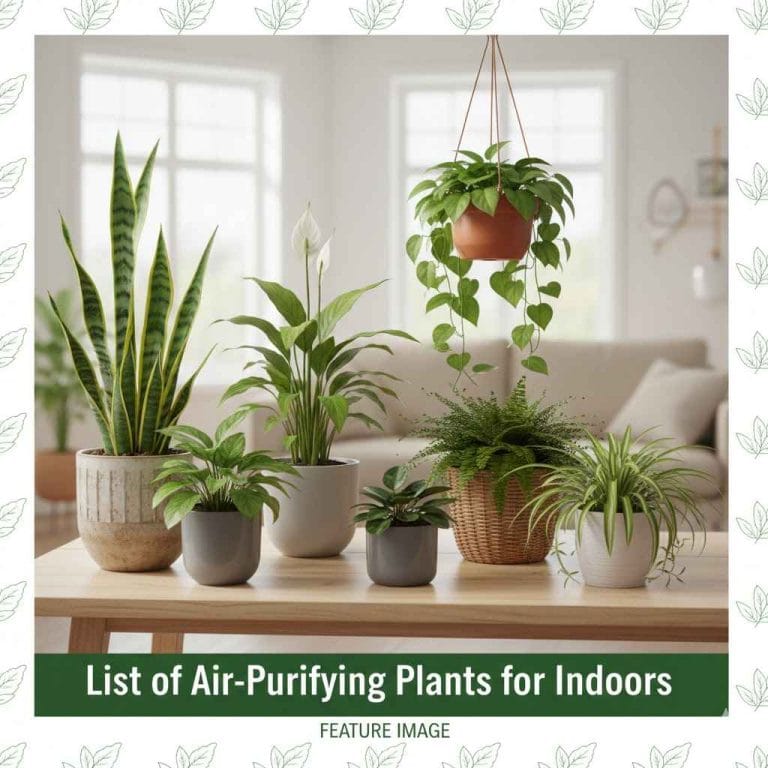
| Plant Name | Main Pollutants Removed | Easy for Beginners? |
|---|---|---|
| Snake Plant | Formaldehyde, benzene, xylene | Yes — very tough, low light |
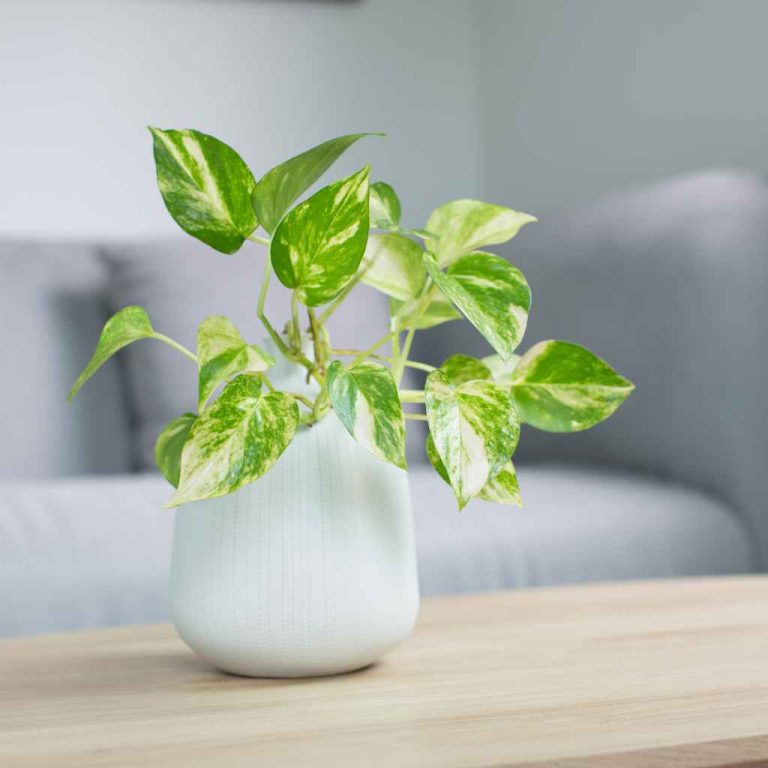
| Pothos | Benzene, formaldehyde, toluene | Yes — super forgiving |
| Peace Lily | Formaldehyde, ammonia, benzene | Yes — but needs moist soil |
| Spider Plant | Formaldehyde, xylene | Yes — fast growing |
| Boston Fern | Formaldehyde, xylene | Medium — likes humidity |
Grow a mix! Combine Monstera for looks with one or two from this list for extra benefits.

FAQ
Is Monstera on the official NASA air-purifying plant list?
No, Monstera deliciosa was not tested or listed in the 1989 NASA Clean Air Study. Some sites add it because of its big leaves, but that’s not based on the study data.
Can a Monstera remove formaldehyde or benzene from my home?
It can absorb tiny amounts like other plants, but not enough to make a real difference in normal rooms. You’d need many, many plants for noticeable cleaning.
Do houseplants like Monstera improve air quality at all?
They add a bit of oxygen and humidity, and may remove very small VOCs. But ventilation, air purifiers, and no-smoking rules help way more.
Is Monstera safe for pets if it’s not a strong air purifier?
Monstera is toxic to cats and dogs if eaten — it causes mouth irritation. Keep it out of reach, or choose pet-safe plants like spider plant.
How many Monsteras do I need for any air benefit?
Even 10+ won’t clean air much in a normal home. Focus on one or two for beauty and easy care instead.
What are better ways to purify indoor air?
Open windows daily, use exhaust fans, avoid smoking inside, clean regularly, and consider a HEPA air purifier for real results.
Why do so many people say Monstera purifies air?
It’s a popular myth from misreading the NASA study. Blogs repeat it, but science reviews show the effect is too small in real homes.
Conclusion
So, is Monstera an air-purifying plant? Not really in the way many think. It doesn’t work like a magic filter for your home air. The NASA study sparked great interest, but real-world tests show houseplants give only minor help with pollutants. Don’t feel let down — Monsteras are still fantastic! Their stunning leaves, easy care, and tropical vibe make any space feel alive and welcoming.
As your gardening friend, I say grow what makes you happy. A healthy Monstera brings smiles, teaches patience, and connects you to nature. Pair it with good habits like fresh air and clean habits for the best indoor environment. You’ve got this — start with one Monstera today, care for it kindly, and watch it (and your confidence) grow. Happy planting!
Related pick: Check today's price on Amazon