How To Grow Nasturtiums From Seed: Gardener’S Supply Guide
Growing nasturtiums from seed is a straightforward process that rewards gardeners with bright, edible flowers. This guide covers everything from choosing the right spot to caring for your seedlings and harvesting their peppery petals.
What Nasturtiums Are and Why They’re Great
Nasturtiums are a real treat for gardeners. They bring a splash of color with their bright orange, yellow, and red flowers. Plus, their leaves and petals taste peppery.
They’re like a little spice garden and a flower bed in one! Most people grow them for their looks. But foodies love adding them to salads.
These plants are pretty tough. They don’t need a lot of fuss. This makes them perfect for beginners.
Even if you’re new to gardening, you can have success with nasturtiums. They grow fast from seed. You’ll see little sprouts pop up quickly.
This is very encouraging for new gardeners. It builds confidence.
There are many types of nasturtiums. Some grow like vines and can climb or trail. Others grow in a more bushy, compact shape.
You can choose what fits your garden space best. Do you have a fence they can climb? Or do you need a plant for a pot?
There’s a nasturtium for that.

My First Nasturtium Adventure
I remember my first attempt at growing nasturtiums. It was a warm spring day. I had a packet of seeds and a sunny patch of dirt.
I’d read that they were easy. But I still felt a little nervous. What if I did it wrong?
I just dug small holes and dropped the seeds in. Then I covered them up. I gave them a good watering.
A few days later, I saw tiny green shoots. It was like magic! I was so excited.
I watched them grow every day. Soon, they had pretty leaves. Then came the buds.
And finally, the flowers! They were bright orange and so cheerful. It felt like a huge accomplishment.
This little garden success made me feel like a real gardener.
One thing I learned early on was about sunlight. My first nasturtiums did best in full sun. The ones in a shadier spot didn’t bloom as much.
They also looked a bit sadder. So, I made a mental note: nasturtiums love the sun. This simple observation helped me a lot with future planting.
It’s these small tips that make a big difference.
Nasturtium Seed Quick Facts
Seed Size: Nasturtium seeds are quite large. This makes them easy to handle. They look a bit like tiny dried peas or pebbles.
This size is great for little hands to plant.
Planting Depth: Plant them about 1 inch deep. This gives them enough soil to sprout through. Not too deep, not too shallow.
Just right.
Spacing: Give them room to grow. Bush types need about 10-12 inches apart. Vining types can be spaced a bit more.
About 12-18 inches is good for them.
Choosing the Best Spot for Your Nasturtiums
Picking the right place is key for happy nasturtiums. They really love sunshine. Aim for a spot that gets at least six hours of direct sun each day.
More sun usually means more flowers. It also helps the plants grow strong. Think about where the sun shines brightest in your yard.
That’s probably a good spot.
Nasturtiums aren’t too picky about soil. But they do like it to drain well. Soggy soil can cause problems for their roots.
If your soil stays wet for a long time, you might want to add some compost. Compost helps improve drainage. It also adds good stuff to the soil.
This helps the plants grow even better.
Consider what kind of nasturtium you are growing. Vining types, like ‘Alaska’ or ‘Jewel of Africa’, can be planted near a trellis or fence. They will use these to climb.
Bush types, such as ‘Whirlybird’ or ‘Cherry Rose’, are good for borders or containers. They stay more compact.
Soil Matters for Nasturtiums
Good Drainage: This is more important than soil type. Nasturtiums hate sitting in wet soil.
Not Too Rich: Believe it or not, very rich soil can make nasturtiums grow more leaves. They might produce fewer flowers. A moderately fertile soil is best.
pH Level: Nasturtiums are forgiving. They grow well in most soil pH levels. Don’t stress too much about this.
When and How to Plant Nasturtium Seeds
You can start nasturtium seeds directly in your garden. This is usually the easiest way. Wait until after the last frost in your area has passed.
Nasturtium seeds don’t like cold. Planting them when the soil has warmed up a bit helps them sprout faster. It also keeps them safe from frost.
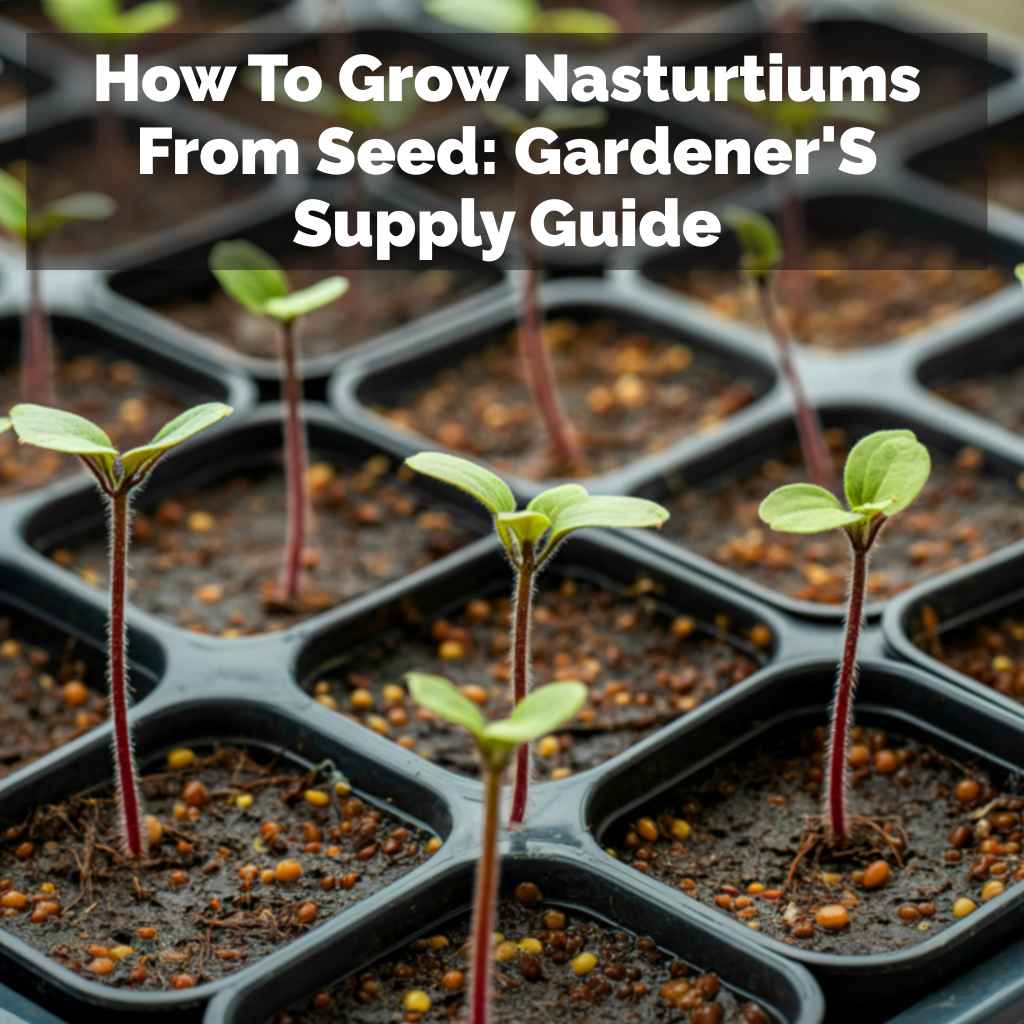
If you want a head start, you can start seeds indoors. Do this about 3-4 weeks before your last frost date. Use small pots or seed trays.
Plant the seeds about 1 inch deep. Keep the soil moist and warm. Once the danger of frost is gone, you can move them outside.
Harden them off first, though.
Hardening off means getting your indoor plants used to the outside. For a week, put them outside in a sheltered spot for a few hours. Bring them in at night.
Slowly increase the time they spend outside. This stops them from getting a shock when planted in the garden. It helps them adjust.
When planting seeds directly into the ground, prepare the soil first. Loosen it up with a trowel or fork. Make sure there are no big rocks or weeds.
You can mix in a little compost. Then, make small holes about 1 inch deep. Place one or two seeds in each hole.
Cover them gently with soil.
Water the area well after planting. Keep the soil moist but not soggy. You should see sprouts within a week or two.
If you planted two seeds per hole, you can thin them out. Once the seedlings have a couple of sets of true leaves, pick the stronger one. Gently snip the other one off at the soil line.
Caring for Your Growing Nasturtium Plants
Once your nasturtiums sprout, they grow quickly. The main things they need are sun and water. They don’t need a lot of fertilizer.
Too much can make them leggy. Just a little compost mixed in at planting time is usually enough. If your soil is very poor, a light feeding once during the growing season might help.
Water them when the top inch of soil feels dry. This means they are thirsty. Water the base of the plant.
Try not to get the leaves too wet. This can help prevent diseases. In hot weather, they might need watering every day.
In cooler or rainy weather, less often.
Weeding around your nasturtiums is important. Weeds compete for water and nutrients. Keep the area around them clear.
Mulching can help with weeds. It also keeps the soil moist. Use a light layer of straw or shredded leaves.
Keep the mulch a little away from the plant’s stem.
Nasturtium Pests & Problems
Aphids: These tiny bugs love nasturtiums. They can cluster on new growth. A strong spray of water can dislodge them.
Sometimes ladybugs or lacewings eat them. You can also use insecticidal soap.
Cabbage Worms: Nasturtiums are in the same family as cabbage. These worms can eat leaves. Handpick them if you see them.
Bacillus thuringiensis (Bt) is a natural spray that works well.
Leaf Spot: If leaves get spots, it’s often due to too much moisture on the leaves. Improve air circulation. Water at the base.
Remove affected leaves.
Dealing with Common Nasturtium Issues
Most of the time, nasturtiums are easy. But sometimes, issues pop up. One common thing people see is aphids.
These tiny green or black bugs like to hang out on new stems and flower buds. They suck the juice out of the plant.
What can you do about aphids? For light infestations, a good blast of water from your hose can knock them off. If that doesn’t work, you can try insecticidal soap.
Make sure it’s safe for edible plants. Ladybugs are natural predators of aphids. If you see them, that’s a good sign!
Another thing to watch for is leaf spot. This usually happens when leaves stay wet for too long. It can be from overhead watering or poor air flow.
To prevent it, try to water the soil, not the leaves. Give your plants enough space to grow so air can move around them. If you see spots, remove the bad leaves.
Sometimes, plants get too much nitrogen. This makes them grow lots of green leaves. But they won’t produce many flowers.
This is why we don’t add too much fertilizer. If your plants are very leafy and have few flowers, cut back on any feeding. Focus on sunlight and water.
Nasturtium Blooming Guide
Why Few Flowers? Often too much nitrogen or not enough sun.
When to Expect Blooms: Usually 5-7 weeks after planting seeds.
Deadheading: For bush types, removing spent flowers (deadheading) can encourage more blooms. Vining types may not need this as much.
Harvesting Your Nasturtiums: Flowers and Seeds
One of the best parts about growing nasturtiums is using them! You can eat the flowers and the leaves. The taste is peppery.
It adds a nice zing to salads or sandwiches. Just gently pick the blooms. Try to harvest them when they are fresh and bright.
This is usually in the morning.
The leaves are also edible. They are a bit tougher than the petals. They are nice in pesto or blended into dips.
You can also use young, tender leaves in salads. Always wash them well before eating. Make sure they haven’t been sprayed with any chemicals.
You can even harvest nasturtium seeds! When the flowers fade, they will form little seed pods. These pods contain the seeds for next year.
Let them dry on the plant. Once they are brown and dry, you can collect them. Store them in a cool, dry place until you are ready to plant them again next spring.
Some people pickle the unripe seed pods. They are called “poor man’s capers.” They have a similar taste to capers. This is a fun way to use your nasturtiums.
It’s a unique project for any gardener.
Nasturtiums in Pots vs. Garden Beds
Nasturtiums do well in both garden beds and containers. If you are planting in pots, choose a pot that is at least 6-8 inches wide and deep. Make sure the pot has drainage holes.
This is very important for container plants.
Use a good quality potting mix. Don’t use soil from your garden in pots. It can get too hard and not drain well.
For potted nasturtiums, you might need to water them more often than those in the ground. The soil in pots dries out faster.
Bush types are excellent for hanging baskets or window boxes. They create a lovely trailing effect. Vining types can be planted in larger pots at the base of a trellis or obelisk.
They will then climb up.
When planting in containers, a little bit of fertilizer can be helpful. Use a balanced liquid fertilizer every 4-6 weeks. This helps give them the nutrients they need.
But again, don’t overdo it. Too much fertilizer can lead to more leaves and fewer flowers.
Container Growing Tips
Drainage Holes: Absolutely essential. No exceptions.
Potting Mix: Use a light, airy mix.
Watering: Check soil moisture daily, especially in hot weather.
Sunlight: Even in pots, they need sun.
Understanding Nasturtium Growth Habits
Nasturtiums have different growth habits. This is important to know when you are planting them. There are three main types.
Bush Types: These plants grow in a rounded, mounded shape. They are perfect for edging beds or planting in containers. They don’t trail or climb much.
They stay contained. Examples include ‘Whirlybird’ series or ‘Alaska’ bush varieties.
Trailing Types: These plants spread out. They can spill over the sides of pots or walls. They are ideal for hanging baskets or for covering ground.
They create a lush, cascading effect. Think of ‘Trailing Scarlet’ or ‘Moonlight’.
Climbing Types: These nasturtiums have vines that can grow several feet long. They need something to climb on, like a trellis, fence, or stakes. They add vertical interest to your garden.
‘Glorious Gleam’ is a good example.
Knowing which type you have helps you plan where to put it. A vining type might take over a small pot meant for a bush type. It’s all about matching the plant to the space and its needs.
Nasturtium Seed Shapes
Round Seeds: Often produce bushier plants.
Wrinkled Seeds: Typically result in more trailing or climbing plants.
This isn’t a strict rule, but it’s something many gardeners notice. It’s a fun detail to look for when you’re planting!
Companion Planting with Nasturtiums
Nasturtiums are great for more than just their looks and taste. They can also help other plants in your garden. This is called companion planting.
Nasturtiums are known to help deter some common garden pests. This can protect your more delicate vegetables and flowers.
For example, they are thought to repel aphids. They can also help keep whiteflies away. Some gardeners plant them near brassicas, like broccoli and cabbage, to help protect them from cabbage moths.
They are also said to deter squash bugs and some beetles.
They can also attract beneficial insects, like hoverflies. Hoverflies are great because their larvae eat aphids. So, planting nasturtiums can create a mini-ecosystem in your garden that helps itself.
You can plant them along the edges of your vegetable garden. Or tuck them in between rows of lettuce or beans. They don’t take up a lot of space.
And they add a lot of benefits to the plants around them. It’s a natural way to keep your garden healthy.
Nasturtiums and Their Edible Qualities
Let’s talk more about eating nasturtiums. It’s a delightful surprise for many. The flowers are the most popular part.
They come in vibrant colors. They have a peppery, slightly spicy flavor. This is because of compounds called glucosinolates.
They are the same compounds that give radishes and mustard their kick.
Use them as a garnish for dishes. Sprinkle them on salads. Add them to soups or pasta.
They make any plate look fancy. And they add a burst of flavor. You can also candy them for a sweet treat.
This involves brushing them with egg white and then dusting them with sugar.
The leaves have a similar peppery taste. They are often used in salads or as a wrap for other ingredients. Young leaves are more tender.
Older leaves can be a bit tougher. But they can still be used in cooking, like in a pesto.
The seeds, when green and immature, can be pickled. They are called nasturtium capers. They have a pungent flavor.
They are a great substitute for real capers in many recipes. Just be sure to use seeds that have not fully matured and dried out.
Edible Nasturtium Uses
Flowers: Salads, garnishes, pasta dishes, soups, candied.
Leaves: Salads, pesto, wraps, dips.
Seeds (unripe): Pickled “capers.”
When to Expect Flowers and Seeds
Nasturtiums are pretty quick growers. Once you plant your seeds, you can usually expect to see flowers appear within about 5 to 7 weeks. This can vary slightly depending on the variety and your growing conditions.
Good sunlight and consistent watering help them bloom sooner.
If you are growing them from seedlings started indoors, you might see flowers a little sooner. This is because they are already a bit established. But direct sowing is perfectly fine and often just as effective.
After the flowers fade, if you let them be, they will start to form seed pods. These pods are small and green at first. They will swell and turn brown as they mature.
This process takes a few weeks after the flower has wilted. This is your chance to collect seeds for the next year.
It’s a good idea to collect the seeds when they are dry. If you wait too long, the pods might split open. Then the seeds can fall to the ground.
If you plan to save seeds, check your plants regularly. Gently shake the pods to see if they are dry and loose.

Frequently Asked Questions About Growing Nasturtiums
Can I plant nasturtium seeds now if it’s already spring?
Yes! Nasturtiums are very forgiving. As long as the danger of frost has passed and the soil is warming up, you can plant nasturtium seeds directly into your garden or pots.
They grow quickly, so you’ll still get plenty of blooms.
My nasturtium leaves are yellow. What’s wrong?
Yellow leaves on nasturtiums can be caused by a few things. The most common is overwatering. Make sure the soil drains well.
Also, check if they are getting enough sun. Sometimes, a lack of nutrients can cause yellowing, especially if they are in poor soil or a small pot. Try a light feeding if you suspect nutrient issues.
How do I stop aphids on my nasturtiums?
A strong blast of water from your garden hose can knock aphids off. If that doesn’t work, try a natural insecticidal soap spray. For persistent problems, encourage beneficial insects like ladybugs.
You can also try companion planting with garlic or rosemary nearby, which some pests dislike.
Can I grow nasturtiums indoors?
Nasturtiums can be grown indoors, but they need a lot of bright light. A sunny south-facing window is best. They might not grow as vigorously indoors as they do outside.
Also, watch out for common houseplant pests like spider mites. Ensure good air circulation.
Why aren’t my nasturtiums flowering?
The most common reason for no flowers is too much nitrogen in the soil. This encourages leafy growth instead of blooms. Make sure they are getting enough sunlight, at least six hours a day.
Also, ensure they are not being overwatered. Sometimes, cooler temperatures can delay flowering.
Are all nasturtiums edible?
Yes, all parts of the nasturtium plant are edible: the flowers, leaves, and seeds. They all have a peppery taste. However, always be absolutely sure of your plant identification and that no pesticides have been used on them before consuming them.
If you have any doubts, it’s best not to eat them.
Final Thoughts on Your Nasturtium Journey
Growing nasturtiums from seed is a rewarding experience. They offer vibrant color and a unique peppery taste. With a little sun, water, and good drainage, they thrive.
You’ll enjoy their cheerful blooms all summer long. Don’t be afraid to experiment with different varieties. Each one brings its own charm to your garden or pots.
Happy planting!