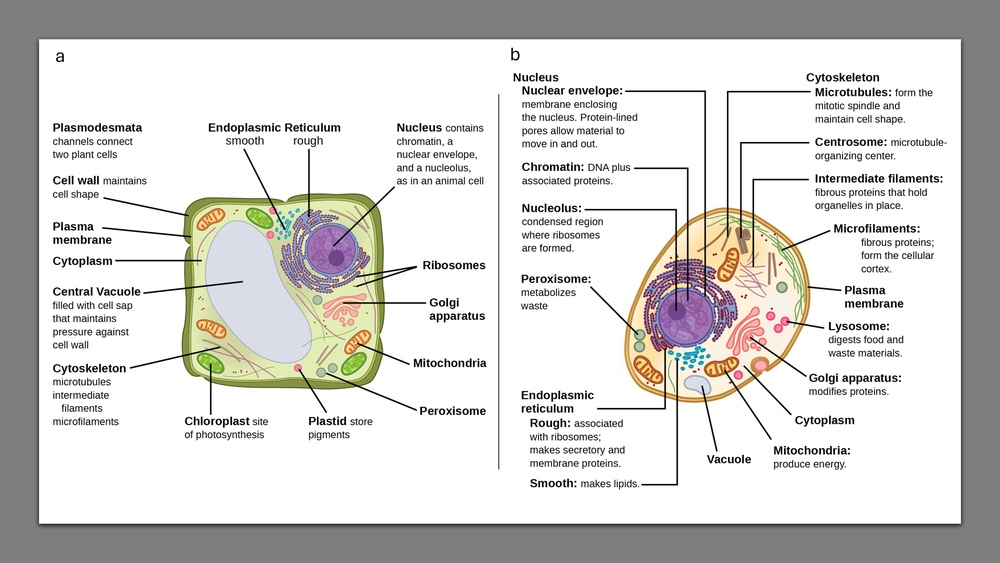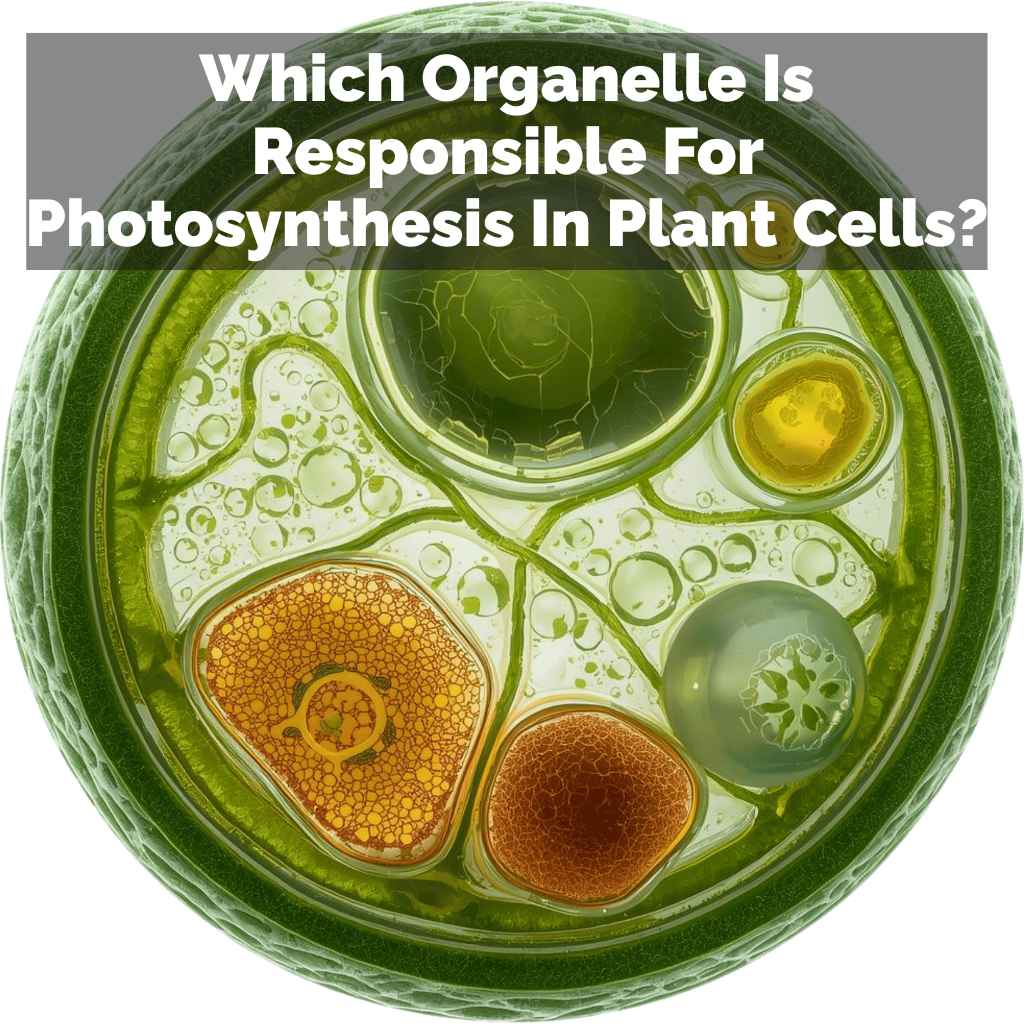

The organelle responsible for photosynthesis in plant cells is the chloroplast. These tiny powerhouses capture sunlight to convert water and carbon dioxide into glucose (sugar) and oxygen. This process fuels plant growth and releases the oxygen we breathe.
For a related plant-care question, Which Organelle Belongs in Both Plant and Animal Cells? Answered gives readers a more focused follow-up.
For a related plant-care question, When A Plant Undergoes Photosynthesis What Are The Byproducts? gives readers a more focused follow-up.
The Amazing Chloroplast: Plant Powerhouse
At the heart of how plants survive is a special part of their cells. It’s called a chloroplast. Think of it as a tiny solar panel within the plant cell.
This is where the magic of making food happens. It’s a complex process. But the main player is this little organelle.
It’s what gives plants their green color. This color comes from a pigment inside called chlorophyll.
Chlorophyll is key. It’s the stuff that grabs onto sunlight. Without it, plants couldn’t use solar energy.
Sunlight is the power source. Water and carbon dioxide are the ingredients. The chloroplast uses the sun’s energy to mix these ingredients.
It then creates sugars. These sugars are the plant’s food. They give the plant energy to grow.
They also help it build new leaves, stems, and roots.
This whole food-making process is called photosynthesis. It’s a big word, but it just means “making with light.” The word “photo” means light. The word “synthesis” means to make.
So, photosynthesis is making things using light energy. And it all happens inside the chloroplast. It’s a brilliant design by nature.
It allows plants to be self-sufficient. They don’t need to eat other things like animals do.
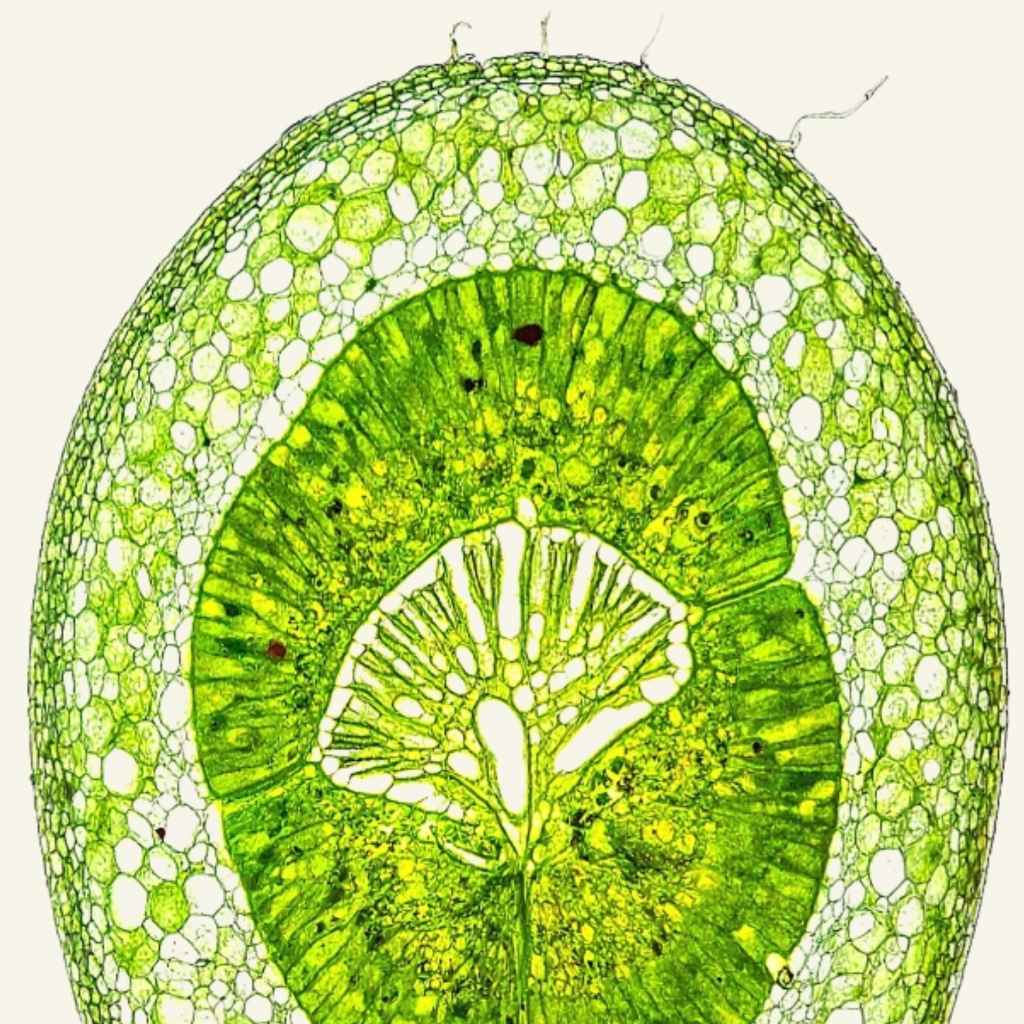
Why Photosynthesis Matters to Us All
It’s easy to focus on the plant itself. But photosynthesis does much more. It affects every living thing on Earth.
The sugars made by plants feed them. But they also feed us. When we eat fruits, vegetables, or grains, we are eating stored energy from photosynthesis.
Animals eat plants, and then we might eat those animals. So, the energy from sunlight travels up the food chain.
But there’s another crucial output from photosynthesis. It’s oxygen. As plants make their food, they release oxygen into the air.
This is the oxygen that you and I breathe. Every breath we take, we are using oxygen produced by plants and other photosynthetic organisms. Without photosynthesis, our atmosphere would not have enough oxygen for us to survive.
So, the chloroplast in every plant cell is doing a vital job. It’s feeding the plant. It’s providing food for countless other creatures.
And it’s making the air breathable. It’s a perfect example of how connected life on Earth is. It shows the importance of plants in our ecosystem.
Protecting green spaces helps protect this essential life-support system.
A Look Inside the Chloroplast
To really understand how photosynthesis works, let’s peek inside the chloroplast. These organelles are not just simple bags. They have a very organized structure.
This structure is perfect for their job. They have a double membrane. This outer layer protects the inside.
The inner membrane controls what goes in and out.
Inside the inner membrane, there’s a fluid-filled space. This space is called the stroma. It contains enzymes.
These are special proteins that help chemical reactions happen. The stroma is where the second stage of photosynthesis takes place. This stage uses the energy captured earlier to build sugar molecules.
Within the stroma are stacks of flattened sacs. These sacs are called thylakoids. They are often arranged in piles, like stacks of coins.
Each stack is called a granum. The word “grana” is the plural form. The thylakoid membranes are where the magic of capturing sunlight happens.
They contain the chlorophyll pigment. This is the green stuff we talked about earlier.
These thylakoid membranes are like the solar panels themselves. They are arranged in a way that maximizes their surface area. This allows them to capture as much sunlight as possible.
The light energy is absorbed by chlorophyll. This energy is then used to split water molecules. This splitting releases electrons and oxygen.
The electrons are then used to power the next steps of photosynthesis.
The structure of the chloroplast is truly remarkable. It’s a tiny factory designed for efficiency. Every part has a specific role.
From the outer membranes to the stacked grana, it all works together. This ensures that plants can convert light energy into chemical energy effectively. It’s a testament to the power of cellular design.
Personal Experience: That Time I Forgot About the Green
I remember a few years back. I was trying to grow some herbs on my windowsill. I had basil, mint, and some parsley.
I was so excited to have fresh ingredients right there. I’d water them, make sure they got enough sun, or so I thought. But something was off.
The basil looked a little sad. The mint wasn’t bushy. The parsley was thin.
I started to get frustrated. What was I doing wrong? I checked the soil.
It seemed okay. I adjusted the watering. Still, they looked… not vibrant.
Then, one evening, as I was looking at them under a desk lamp, it hit me. They weren’t exactly sickly, but they lacked that deep, rich green. That healthy glow you see in well-cared-for plants.
I realized I had been so focused on the basic needs—water and light—that I hadn’t thought about the quality of the light.
I was using a regular desk lamp. It was bright, but maybe not the right spectrum of light. The plants needed that specific light energy that chlorophyll loves.
It wasn’t just about any light; it was about sunlight’s energy. That’s when I truly understood the importance of the chloroplast and its chlorophyll. It’s not just about a light source; it’s about the right kind of light.
I ended up getting a small LED grow light. The change was noticeable within a week. The green deepened.
The leaves perked up. It was a small lesson, but it stuck with me. It showed me how precise nature is.
Chloroplast Quick Facts
What they are: Tiny organelles in plant cells.
Main Job: To carry out photosynthesis.
Key Pigment: Chlorophyll, which captures light energy.
Color: Usually green, due to chlorophyll.
Energy Conversion: Changes light energy into chemical energy (sugars).
Byproduct: Releases oxygen into the atmosphere.
The Two Stages of Photosynthesis
Photosynthesis isn’t just one single step. It’s a process with two main parts. Both happen within the chloroplast.
They rely on each other to work. The first part needs light. The second part can happen with or without direct light.
But it needs the products from the first part.
The first stage is called the light-dependent reactions. As the name suggests, these reactions need sunlight. They happen on the thylakoid membranes.
Here, chlorophyll captures light energy. This energy is used to split water molecules (H₂O). This releases oxygen (O₂).
It also releases electrons and hydrogen ions (protons).
The captured light energy is then converted into energy-carrying molecules. These are called ATP and NADPH. Think of ATP and NADPH as tiny batteries.
They store the energy captured from sunlight. These “batteries” will power the next stage. The oxygen is released as a gas.
This is the oxygen we breathe.
The second stage is called the light-independent reactions. This stage is also known as the Calvin cycle. It doesn’t directly use light.
It happens in the stroma. The stroma is the fluid-filled space inside the chloroplast. Here, the ATP and NADPH “batteries” are used.
They provide the energy needed to convert carbon dioxide (CO₂) from the air into sugars. The main sugar produced is glucose (C₆H₁₂O₆).
Carbon dioxide enters the plant through small pores on the leaves called stomata. The plant then uses the energy from ATP and NADPH. It takes the carbon atoms from CO₂.
It rearranges them to form glucose. This glucose is the plant’s food. It can be used immediately for energy.
Or it can be stored for later use. It can also be used to build other parts of the plant.
The two stages are linked. The light reactions make the energy carriers. The Calvin cycle uses those carriers to make sugar.
This elegant system allows plants to harness solar power. They turn simple inorganic molecules into complex organic food. It’s a fundamental process for life on our planet.
The chloroplast is the master of this process.
Light vs. Dark Reactions: What’s the Difference?
- Light-Dependent Reactions:
- Need light to happen.
- Occur in thylakoid membranes.
- Capture light energy.
- Split water (H₂O).
- Release oxygen (O₂).
- Produce ATP and NADPH (energy carriers).
- Light-Independent Reactions (Calvin Cycle):
- Do not need light directly.
- Occur in the stroma.
- Use ATP and NADPH from light reactions.
- Convert carbon dioxide (CO₂) into sugars (like glucose).
Factors Affecting Photosynthesis
The rate at which a plant can perform photosynthesis is not always the same. Many things can affect how fast or slow this process goes. Understanding these factors helps us understand plant health.
It also helps us understand why plants grow differently in different places.
One major factor is light intensity. When there is more light, photosynthesis can usually happen faster. Up to a certain point.
Too much light can actually damage the plant. But generally, bright sunlight is good for photosynthesis. This is why plants in sunny spots grow so well.
Carbon dioxide concentration is another big one. Plants need CO₂ to make sugar. If there isn’t enough CO₂, photosynthesis will slow down.
The air around us has a certain amount of CO₂. But sometimes, in closed environments like greenhouses, CO₂ levels can be increased. This can boost plant growth.
Temperature plays a role too. Each plant has an ideal temperature range for photosynthesis. If it gets too cold, the reactions slow down.
If it gets too hot, the enzymes can be damaged. Most plants do best in moderate temperatures. For example, many plants in the U.S.
thrive in spring and fall.
Water availability is crucial. Water is one of the main ingredients for photosynthesis. If a plant doesn’t get enough water, it will wilt.
Its stomata might close to save water. This also stops CO₂ from getting in. So, lack of water can severely limit photosynthesis.
Finally, the amount of chlorophyll present matters. More chlorophyll means a better ability to capture light. Factors like nutrient availability can affect how much chlorophyll a plant can produce.
For instance, iron is needed to make chlorophyll. A lack of iron can lead to pale leaves. This condition is called chlorosis.
Factors That Influence Photosynthesis
Light Intensity: More light generally means faster photosynthesis, up to a limit.
Carbon Dioxide: Higher CO₂ levels can increase the rate of photosynthesis.
Temperature: Plants have an optimal temperature range; too hot or too cold slows them down.
Water: Essential for the process; drought significantly reduces photosynthesis.
Chlorophyll Content: The amount of green pigment directly affects light absorption.
Are All Plant Cells Doing Photosynthesis?
This is a great question. When we talk about photosynthesis happening in plant cells, it’s important to remember that not every single plant cell has a chloroplast. Think about a tree.
It has leaves, roots, and a trunk. The leaves are where most photosynthesis happens. They are packed with cells full of chloroplasts.
However, the roots are usually underground. They don’t get sunlight. So, root cells typically do not have chloroplasts.
They don’t perform photosynthesis. Their job is to absorb water and nutrients from the soil and anchor the plant. Similarly, cells in the woody stem or bark of a tree also lack chloroplasts.
They are for support and transport.
Even within a leaf, there are different types of cells. Some cells, like those in the epidermis (the outer layer), might have very few chloroplasts, or none at all. Their main job is protection.
The cells in the middle layers of the leaf, called the mesophyll, are where most of the action is. These cells are rich in chloroplasts.
So, while the chloroplast is the organelle responsible for photosynthesis, it’s found in specific types of plant cells. These are usually the cells exposed to sunlight. This specialization allows the plant to function efficiently.
Different cells have different jobs. The cells with chloroplasts are the plant’s food-making factories.
What This Means for Your Garden or Houseplants
Understanding that chloroplasts are the key organelle for photosynthesis is super helpful. Especially if you have plants at home or a garden. Knowing this helps you provide the best environment for your green friends.
Light is Key: Since chloroplasts need light to work, placing your plants in the right spot is vital. Leafy greens and many flowering plants need direct sunlight for several hours a day. Plants that prefer shade, like ferns, still need some light, but not as much.
You’re essentially giving their chloroplasts the fuel they need.
Watering Wisely: Remember that water is a raw material for photosynthesis. But too much water can harm roots. Make sure the soil is moist but not waterlogged.
Check the soil dryness with your finger before watering. This prevents issues that could indirectly affect photosynthesis by stressing the plant.
Air Matters: Plants need carbon dioxide. Good air circulation is important. This helps fresh air reach the leaves.
For houseplants, avoid placing them in stuffy, enclosed spaces. If you grow plants indoors, opening windows periodically can help. It ensures they get the CO₂ they need.
Nutrients for Green Power: Chlorophyll production needs nutrients. Fertilizing your plants provides these. A balanced fertilizer will give them the building blocks for healthy growth.
This includes the components needed to make plenty of chlorophyll. This means more active chloroplasts.
Observing Plant Health: If your plant’s leaves are turning pale or yellow, it could be a sign. It might mean the chloroplasts aren’t working well. This could be due to lack of light, water, or nutrients.
Or it could be a sign of disease. Paying attention to the color and vibrancy of leaves tells you a lot about the health of the chloroplasts within them.
Plant Care Tips for Healthy Photosynthesis
- Sunlight: Place plants according to their light needs (full sun, partial shade).
- Watering: Water when the top inch of soil is dry. Avoid overwatering.
- Airflow: Ensure good ventilation to provide CO₂.
- Nutrition: Use balanced fertilizer regularly during the growing season.
- Observation: Watch for leaf color changes as indicators of plant health.
When to Worry About Your Plant’s Greenness
It’s normal for plants to have some variation in their greenness. But sometimes, a pale or yellowing leaf can signal a problem. If you notice widespread issues, it’s good to investigate.
This could mean the chloroplasts are struggling.
Overall Yellowing (Chlorosis): If most of the leaves on a plant are turning pale yellow, and the green is fading from the veins outwards, this is a significant sign. It often points to a lack of nutrients. Iron deficiency is common.
But nitrogen or magnesium deficiency can also cause this. The plant can’t make enough chlorophyll.
Brown or Crispy Edges: This often indicates underwatering. When a plant is dehydrated, its cells can’t function properly. Photosynthesis slows down or stops.
The edges of the leaves might dry out and turn brown.
Spots or Lesions: Yellow spots, brown spots, or unusual patches on leaves can be a sign of disease. Fungal or bacterial infections can damage plant tissues. This includes the cells containing chloroplasts.
This can disrupt photosynthesis in those areas.
Leggy Growth: If a plant is growing very tall and thin, with long spaces between leaves, it might not be getting enough light. The plant is stretching to find more light. This means its chloroplasts aren’t producing enough energy for sturdy growth.
Sudden Drooping: While a plant might droop when thirsty, sudden or persistent drooping, even when watered, can be a sign of root rot. Damaged roots can’t absorb water or nutrients. This stresses the whole plant and impacts its ability to photosynthesize.
If you see these signs, first check the basics: light, water, and temperature. If those seem okay, consider repotting with fresh soil or using a suitable fertilizer. If you suspect a disease, research common plant ailments for your specific plant type.
Early detection is key to helping your plant recover and its chloroplasts get back to work.
Frequently Asked Questions About Photosynthesis
What is the main role of chlorophyll in photosynthesis?
Chlorophyll’s main job is to absorb light energy from the sun. This energy is what powers the entire process of photosynthesis. It’s the pigment that makes plants appear green because it absorbs red and blue light wavelengths and reflects green light.
Can plants survive without sunlight?
No, plants cannot survive long-term without sunlight. Sunlight provides the energy needed for photosynthesis. Without it, plants cannot produce their own food (sugars) and release oxygen, which are essential for their survival and the survival of many other organisms.
What happens to the sugar produced during photosynthesis?
The sugar produced, mainly glucose, is used by the plant as energy. It can be used immediately for growth and other life processes. Plants can also store this sugar as starch for later use.
It’s the plant’s food source.
Do all living organisms perform photosynthesis?
No, only certain organisms perform photosynthesis. This includes plants, algae, and some types of bacteria (like cyanobacteria). Animals, fungi, and most other living things cannot perform photosynthesis.
They get energy by eating other organisms.
Where in the plant cell does photosynthesis occur?
Photosynthesis occurs within a specific organelle in plant cells called the chloroplast. The different steps of photosynthesis take place in various parts of the chloroplast, like the thylakoid membranes and the stroma.
Why is photosynthesis important for the Earth’s atmosphere?
Photosynthesis is vital for the Earth’s atmosphere because it releases oxygen as a byproduct. This oxygen is what most living creatures, including humans, need to breathe. It also plays a role in regulating carbon dioxide levels.
Can photosynthesis happen in the dark?
The first stage of photosynthesis, the light-dependent reactions, absolutely requires light. The second stage, the light-independent reactions (Calvin cycle), can occur in the dark, but it relies on the energy carriers (ATP and NADPH) produced during the light-dependent reactions. So, overall, photosynthesis cannot occur without light being available at some point.
The Green Heartbeat of Our Planet
So, we’ve journeyed deep into the plant cell. We’ve uncovered the amazing organelle at the center of it all. It’s the chloroplast.
This tiny powerhouse is responsible for photosynthesis. It turns sunlight, water, and air into food and oxygen. It’s a fundamental process.
It sustains plant life. It supports all other life on Earth. Understanding this helps us see the incredible complexity and beauty of nature.
It reminds us to cherish the green world around us.