Best Times For Planting Gardens In Lebanon Pennsylvania Revealed
The best times for planting gardens in Lebanon, Pennsylvania, depend on the plant type and the local weather. Generally, early spring (after the last frost) is good for cool-season crops, while late spring and summer suit warm-season plants. Fall planting works for some hardy vegetables and cover crops.
Understanding Lebanon, Pennsylvania’s Growing Seasons
Lebanon, Pennsylvania, has a climate that works well for many gardens. It gets warm in the summer. It gets cold in the winter.
This means we have a clear spring, summer, and fall for growing. Knowing these seasons helps us plant at the right time. It ensures plants get what they need to grow strong.
The biggest thing to watch for is the frost. Frost is when the temperature drops low enough to freeze water on plants. This can kill tender new growth.
Lebanon, PA, usually has its last frost in mid-April. This is a key date for gardeners. It tells us when it’s safe to plant things that don’t like cold.
We also need to think about the heat. Some plants love the hot summer. Others will wilt and stop growing when it gets too warm.
The fall is also special. Cooler weather can be perfect for certain crops. Some plants can even survive light frosts.

When to Plant What: A Seasonal Guide for Lebanon, PA
Let’s break down planting by season. This makes it easy to plan. We will cover common garden plants.
You’ll get specific advice for this area.
Spring Planting: Getting a Head Start
Spring is a busy time for gardeners. It’s when you can plant things that like cooler weather. These are often called cool-season crops.
They can handle a bit of chill in the air. They often grow best before the summer heat really kicks in.
Early Spring (March – Early April): This is when you can start seeds indoors. Or, you can plant very hardy crops directly outside. This is usually right after the ground can be worked.
It’s before the last frost is expected. Think about planting things like peas. Spinach is also a good choice.
Some types of lettuce can also go in now. You might also plant onion sets or seed potatoes.
I remember one spring, I was so eager to plant. I put out some lettuce starts too early. We had a surprise frost.
All those beautiful little plants turned into mush. It taught me a valuable lesson. Patience is key in spring.
Waiting until the risk of frost is minimal is wise. Even a little protection can help if you’re planting a bit early. Row covers are great for this.
Mid-Spring (Mid-April – Early May): This is prime time for most cool-season crops. The danger of hard frost is mostly gone. The soil is warming up.
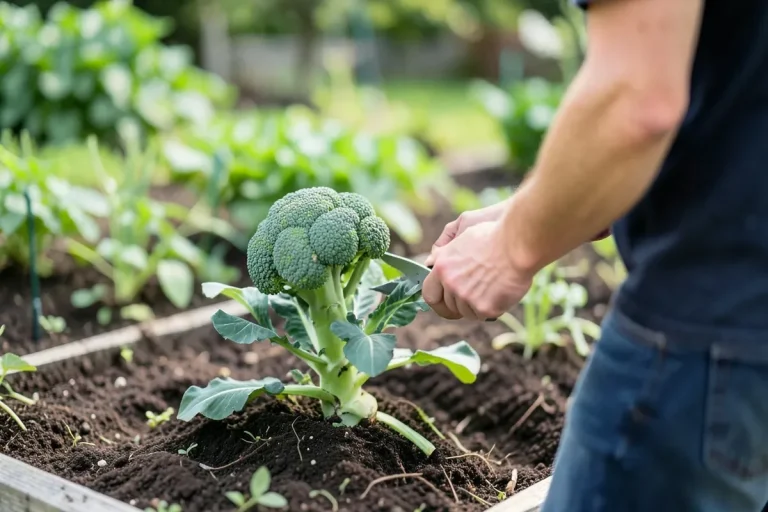
You can plant broccoli. Cauliflower. Cabbage.
Radishes. Carrots. Beets.
Swiss chard. And more varieties of lettuce. Many herbs also do well now.
Parsley and cilantro can be sown.
This is also when many gardeners transplant seedlings they started indoors. Tomatoes, peppers, and eggplant are often started inside. They grow into strong young plants.
But they are sensitive to cold. You must wait until after the last frost date. That date for Lebanon, PA is typically around mid-April.
But it’s always good to check local forecasts. A late cold snap can still happen.
A friend of mine in Lebanon once planted her tomatoes the first week of May. She had them in pots. She brought them out during the day.
Then she brought them back in at night. This protected them from any cold nights. It worked really well.
It shows that a little extra effort can pay off. It helps ensure your warm-season crops get a good start.
Summer Planting: Taking Advantage of Warmth
Summer is for plants that truly love the heat. These are warm-season crops. They need warm soil to grow.
They need warm air temperatures. They often won’t survive cold weather at all.
Late Spring (Mid-May – June): This is the perfect time to plant your tender warm-season crops. Think about planting out your tomato plants. Peppers.
Eggplant. Cucumbers. Squash.
Melons. Corn. Beans.
Sweet potatoes. Basil is a wonderful herb to plant now.
The soil should be warm. The risk of frost must be zero. Planting too early will stunt these plants.
It can even kill them. Many gardeners wait until Memorial Day weekend. This is a common marker.
It’s usually after the last chance of frost has passed. The days are long and sunny. This is what these plants thrive on.
I remember a year I planted my cucumbers too soon. The nights were still a bit cool. The plants looked sad.
They barely grew for weeks. Then, once the real heat arrived, they took off. But I lost valuable time.
Now, I religiously wait until mid-May. I check the soil temperature with my hand. If it feels cool, I wait a few more days.
This simple check saves a lot of frustration.
Mid-Summer (July – August): While you’re harvesting many spring crops, you can also plant for a fall harvest. This is a great time to sow quick-maturing varieties of beans. Bush beans grow fast.
Some types of summer squash can be planted. You can also plant more lettuce and spinach. These often do better in the cooler parts of summer.
They can bolt (go to seed) in intense heat. But if planted now, they might mature in the fall.
Fall crops like broccoli and cauliflower can sometimes be started from seed now. Or you can buy small plants. This gives them time to grow before the weather gets too cold.
You can also plant carrots and beets again. They grow well in the cooler fall weather.
Fall Planting: Preparing for Cooler Months and Next Year
Fall is not just for harvesting. It’s also a time for planting certain things. Some crops like cooler weather.
Others are planted to protect the soil over winter.
Early Fall (September – October): This is a prime time for planting garlic. Garlic needs a long growing season. It’s planted in the fall.
It overwinters. Then it grows vigorously in the spring. You’ll harvest it the following summer.
Many types of kale and collard greens can also be planted now. They taste even sweeter after a light frost.
You can sow cover crops. These are plants grown not for harvest. They are grown to improve the soil.
They prevent erosion. Rye, clover, and vetch are common choices. They are planted in fall.
They are then tilled into the soil in spring. This adds nutrients and organic matter.
I love planting garlic in the fall. It feels like I’m planning for the future. I plant the cloves.
I cover them with mulch. Then I forget about them until spring. Seeing those green shoots emerge in late winter is always a joy.
It’s a sign that spring is on its way. Fall planting is a different kind of gardening. It’s about building for tomorrow.
Late Fall (November): For many gardeners, November marks the end of outdoor planting. However, you can still plant very hardy bulbs. Tulips, daffodils, and hyacinths can be planted now.
They will root over winter. They will bloom in spring. You can also sow very hardy cover crops like winter rye.
It will survive the cold. It will start growing in early spring.
Lebanon, PA: Frost Dates at a Glance
Average Last Spring Frost: Around April 15th
Average First Fall Frost: Around October 15th
Growing Season Length: Approximately 180-185 days
These are averages. Always watch the weather. Extreme weather can happen outside these dates.
Understanding Your Microclimate in Lebanon
Even within Lebanon, Pennsylvania, there can be small differences in temperature. These are called microclimates. They can affect when you should plant.
Your yard might be warmer or cooler than your neighbor’s.
South-facing slopes tend to warm up faster in the spring. They can be good for early planting. They also stay warmer later in the fall.
North-facing slopes might stay cooler longer. They can be good for plants that dislike intense summer heat. Areas near large trees or buildings can be shaded.
This can affect soil temperature and moisture.
If you live near a body of water, like a creek or river, it might moderate temperatures. This means it could be slightly warmer in winter and cooler in summer. This can extend your growing season a bit.
Low-lying areas might be more prone to frost. Cold air settles in these spots.
It’s helpful to observe your own yard. Watch where the sun hits. See where snow melts first.
Notice where frost lingers the longest. This will give you clues about your specific microclimate. It can help you fine-tune your planting schedule.
Quick Planting Calendar for Lebanon, PA
Cool-Season Crops (e.g., Peas, Spinach, Lettuce, Radishes, Broccoli):
- Start Indoors: February – March
- Plant Outdoors: March – Early May
- Fall Planting: August – September
Warm-Season Crops (e.g., Tomatoes, Peppers, Cucumbers, Beans, Corn):
- Start Indoors: March – April
- Plant Outdoors: Mid-May – June
Root Vegetables (e.g., Carrots, Beets):
- Plant Outdoors: April – May
- Fall Planting: July – August
Alliums (e.g., Onions, Garlic):
- Onion Sets/Seeds: March – April
- Garlic: September – October
Specific Plant Needs and Timing
Different plants have very specific needs. Knowing these helps. It ensures success.
Vegetables
Tomatoes: These are very sensitive to cold. Wait until at least two weeks after the average last frost date. Soil temperature should be at least 60°F (15.5°C).
Planting too early will stunt their growth. They might never recover.
Peppers: Similar to tomatoes, peppers need warmth. They thrive in heat. Plant them out after the last frost.
Ensure the soil is warm. They grow slower than tomatoes. They might need a longer season to produce well.
Cucumbers and Squash: These grow quickly in warm weather. They need consistent moisture. Plant seeds directly in the ground after all danger of frost has passed.
This is usually mid-May in Lebanon. They can be susceptible to diseases in humid conditions. Good air circulation helps.
Beans (Bush and Pole): Beans are easy to grow from seed. They love warm soil. Plant seeds directly in the garden once the soil has warmed up.
This is typically after early May. Pole beans will need support to climb.
Corn: Corn needs warm soil and a long growing season. Plant seeds directly outside after the last frost. It’s often recommended to plant corn in blocks.
This helps with pollination. You need multiple plants close together for good ear development.
Leafy Greens (Lettuce, Spinach, Kale): These are generally cool-season crops. They can be planted in early spring. Many varieties can also be planted in late summer for a fall harvest.
Heat can cause them to bolt (go to seed). Some heat-tolerant varieties exist for summer.
Root Vegetables (Carrots, Beets, Radishes): These can be sown directly into the soil. They prefer cooler soil temperatures. Plant them in early spring.
You can also sow them again in late summer for a fall crop. Radishes are very fast growers. You can plant them every few weeks for a continuous harvest.
Herbs: When to Plant Them
Basil: Warm-season herb. Plant seeds or transplants outside after the last frost. Loves heat.
Parsley: Cool-season herb. Can be planted in early spring or fall. Germinates slowly.
Cilantro: Cool-season herb. Best planted in early spring or fall. Bolts quickly in heat.
Mint: Very hardy. Can be planted anytime the soil can be worked. Spreads aggressively, so plant in a container if needed.
Chives: Hardy. Plant in early spring or fall. Grows well in partial shade.
Dill: Prefers cooler weather. Plant in spring or fall. Can self-seed.
Flowers
Annual Flowers (e.g., Zinnias, Marigolds, Petunias): Most annuals are warm-season plants. You should plant them outside after the danger of frost has passed. This is usually mid-May in Lebanon.
Many can be started from seed indoors several weeks before. This gives them a head start.
Perennial Flowers (e.g., Coneflowers, Hostas, Daylilies): Perennials are plants that come back year after year. The best time to plant them is often in the spring or fall. Spring planting allows them to establish roots before the summer heat.
Fall planting allows roots to grow before winter. This gives them a strong start for the next season.
Bulbs (e.g., Tulips, Daffodils): Spring-blooming bulbs are planted in the fall. This is usually September through November. They need a period of cold to bloom.
Summer-blooming bulbs, like gladiolus, are planted in the spring after the last frost.
Contrast Matrix: Planting Myths vs. Reality
| Myth: You can plant tomatoes as soon as the last frost date arrives. | Reality: Tomatoes need warm soil and air. Planting too early can stunt them, even if frost isn’t an issue. Wait for consistently warm weather. |
| Myth: All vegetables can be planted at the same time in spring. | Reality: Cool-season crops (like spinach) can go in much earlier than warm-season crops (like peppers). Know your plant types. |
| Myth: Fall gardening is only for harvesting. | Reality: Fall is an excellent time to plant garlic, cover crops, and even some greens for a late harvest or for soil health. |
| Myth: A sunny spot is always best for all plants. | Reality: While many plants need sun, some, like lettuce or hostas, prefer partial shade, especially in the hot summer months. |
Real-World Context: Habits and Design
The way people garden in Lebanon, PA, is influenced by local conditions. Many homes have decent-sized yards. This allows for raised beds or in-ground gardens.
The climate supports a wide variety of plants.
Habits: Many gardeners in this region follow traditional planting calendars. They rely on the last frost date. They often start warm-season crops indoors.
They also focus on a fall harvest. Community gardens are also becoming more popular. They offer space and shared knowledge.
Design: Garden design often takes advantage of the four distinct seasons. Spring gardens focus on early harvests. Summer gardens are lush with tomatoes and peppers.
Fall gardens might include pumpkins or late greens. Many people also incorporate perennial flowers. These provide structure and color throughout the year.
User Behavior: Homeowners often consider the time they have available. Some want low-maintenance gardens. Others enjoy the daily work of tending plants.
The availability of garden centers and nurseries in the area makes getting supplies easy. This encourages people to try new things.
I’ve seen gardens in Lebanon that are truly works of art. One family had a long, narrow garden. They planted rows of corn.
Then they planted beans that climbed up the corn stalks. And underneath, they grew squash. This is called companion planting.
It uses the space very efficiently. It also benefits the plants. The corn provides a trellis for the beans.
The squash leaves shade the soil. This keeps it moist.
What This Means for You: When to Worry
Knowing the right planting times helps avoid common problems. But sometimes, things still go wrong. It’s good to know what to look out for.
When is it Normal?
It’s normal for some seeds not to sprout. It’s normal for some plants to grow slower than others. Weather can be unpredictable.
A cool spell in late spring can slow things down. A very hot July can stress some plants. Plants might look a bit sad for a few days.
Then they bounce back. This is all part of gardening.
It’s also normal for planting dates to shift a little each year. One year, spring might arrive early. The next year, it might be delayed by cool, wet weather.
Gardening is about adapting. It’s about observing and responding to what nature is doing.
When Should You Worry?
You should worry if your seeds don’t sprout at all. Especially if you’ve planted them correctly. This might mean the seeds are old.
Or the soil temperature is wrong. Or there was too much or too little water.
If you plant tender plants outside. And then have a sudden hard frost. And they turn black and mushy.
That’s a sign you planted too early. Or that a late frost surprised you. It’s a sad loss, but a learning moment.
If your plants grow but never flower or fruit. This could be due to many things. Poor soil.
Not enough sun. Or planting too late in the season. If you’re planting warm-season crops.
And the nights are consistently cold (below 50°F or 10°C). They will struggle. They won’t produce well.
A simple check is to feel the soil. If it feels cold to your hand, it’s too cold for many warm-season plants. You can also use a soil thermometer.
For most warm-season vegetables, you want the soil to be at least 60-70°F (15-21°C).
Quick Tips for Successful Planting in Lebanon, PA
Here are some simple tips to help your garden thrive. These focus on getting your planting right.
- Know Your Frost Dates: Get reliable information for your specific area of Lebanon. Use resources like the USDA Plant Hardiness Zone Map or local extension offices.
- Watch the Weather Forecast: Don’t just rely on average dates. Check the extended forecast before planting tender crops. A few degrees can make a difference.
- Soil Temperature Matters: For warm-season crops, wait until the soil is consistently warm. This is more important than the calendar date alone.
- Start Seeds Indoors Smartly: Begin seeds for tomatoes, peppers, and eggplant about 6-8 weeks before your last expected frost. This gives them time to grow strong.
- Harden Off Seedlings: Before planting seedlings outside, gradually expose them to outdoor conditions. This toughens them up. Do this for about a week.
- Read Seed Packets: Always read the instructions on your seed packets or plant tags. They offer specific advice for each variety.
- Consider Cover Crops: Planting cover crops in fall is a great way to improve your soil for next year. It protects the soil over winter.

Frequently Asked Questions About Planting in Lebanon, PA
When is the safest time to plant tomatoes in Lebanon, PA?
The safest time to plant tomatoes in Lebanon, PA is after the average last frost date, typically around mid-April. However, it’s best to wait until mid-May when the soil and air temperatures are consistently warm, ideally with nighttime temperatures staying above 50°F (10°C).
Can I plant cool-season vegetables in the fall in Lebanon, PA?
Yes, absolutely! Many cool-season vegetables like spinach, lettuce, kale, radishes, and peas can be planted in late summer or early fall (August through September) for a fall harvest in Lebanon, PA. They will grow well as the weather cools.
What is the best time to plant garlic in Lebanon, PA?
The best time to plant garlic in Lebanon, PA, is in the fall, typically from September through October. This allows the cloves to establish roots before winter. Garlic overwinters and then grows vigorously in the spring for harvest the following summer.
How do I know if the soil is warm enough to plant?
You can test your soil temperature with a soil thermometer. For most warm-season crops like tomatoes and peppers, the soil should be at least 60-70°F (15-21°C). A simple test is to put your hand in the soil; if it feels cold, it’s likely too cold for planting sensitive plants.
Are there specific planting times for Lebanon, PA, that differ from surrounding areas?
While surrounding areas in Pennsylvania may have similar planting windows, Lebanon’s specific microclimate can influence exact dates. It’s always best to consult local resources or observe your immediate garden conditions rather than relying solely on general regional advice. Factors like elevation and proximity to water can create slight differences.
What are good plants to start indoors early in Lebanon, PA?
Good plants to start indoors early in Lebanon, PA, include tomatoes, peppers, eggplant, broccoli, cauliflower, cabbage, and many flowers like petunias and marigolds. Start these about 6-8 weeks before your last expected frost date to give them a strong head start.
Conclusion: Your Gardening Calendar Starts Now
Planning your garden planting times in Lebanon, Pennsylvania, is a crucial step. It’s about working with nature, not against it. By understanding your local climate and the needs of your plants, you can set yourself up for success.
Remember to watch the weather, check your soil, and be patient. Your garden will thank you with a bountiful harvest.