Which Planting Zone Is Dallas Texas The Essential Answer
Dallas, Texas, is located in USDA Plant Hardiness Zone 8b. This means the area experiences average minimum winter temperatures between 15°F and 20°F. Knowing this zone is the essential first step to choosing plants that will survive the winter and thrive in your garden year after year.
For a related follow-up, Which Protective System Involves Cutting Back Soil? Clear Answer gives readers a useful next step.
Hello, fellow gardeners! My name is Md Saiful Islam, and I’m here to help you grow a beautiful garden with confidence. Have you ever bought a beautiful plant, only to watch it struggle and wilt? It’s a frustrating feeling, and often, the reason is simple: it wasn’t the right plant for your climate. Understanding your planting zone is the secret key to unlocking gardening success, especially here in Dallas.
It sounds technical, but I promise it’s easy to grasp. Think of it as a guide that tells you which plants can handle our local winter temperatures. In this article, I’ll walk you through exactly what Zone 8b means for your Dallas garden. We’ll cover how to use this knowledge to pick the perfect plants, when to plant them, and how to create a thriving outdoor space you can be proud of.
What Exactly Is a USDA Plant Hardiness Zone?
Before we dive into what to plant, let’s quickly demystify what a “planting zone” is. The U.S. Department of Agriculture (USDA) created the Plant Hardiness Zone Map, which divides the entire country into 13 zones based on the average annual minimum winter temperature. Each zone represents a 10-degree Fahrenheit range.
These zones are then subdivided into “a” and “b” sections, which represent a 5-degree difference. This gives you an even more precise idea of what your local climate is like.
- The Zone Number (1-13): This indicates the general coldness of a region. The lower the number, the colder the winter.
- The Letter (a or b): This refines the zone. “a” is the colder half of the zone, and “b” is the warmer half.
So, when we say Dallas is in Zone 8b, it means our average coldest winter temperature is between 15°F and 20°F (-9.4°C to -6.7°C). This single piece of information is your most powerful tool for selecting perennials, shrubs, and trees that will survive the winter and return each spring.

Why Zone 8b Matters for Your Dallas Garden
Knowing you’re in Zone 8b helps you avoid one of the biggest mistakes beginner gardeners make: choosing plants that can’t handle the climate. A beautiful tropical hibiscus might look great at the store, but it’s rated for Zones 9-11 and won’t survive a typical Dallas winter outdoors without heavy protection.
By focusing on plants rated for Zone 8b or colder (like Zones 7, 6, or 5), you are setting yourself up for success. These plants are genetically equipped to handle our winter temperatures. It takes the guesswork out of gardening and saves you time, money, and heartache.
However, the zone doesn’t tell the whole story. It focuses only on winter cold, not summer heat, soil type, or rainfall. That’s why we also have to consider the unique challenges and advantages of gardening in North Texas.
Understanding Microclimates in Your Own Backyard
While Dallas is officially Zone 8b, your specific yard might have “microclimates.” These are small pockets that are slightly warmer or cooler than the surrounding area. Being aware of them can help you place your plants even more effectively.
Common microclimates include:
- Urban Heat Island Effect: Densely populated areas with lots of concrete and asphalt, like central Dallas, tend to stay warmer than surrounding rural areas. This can sometimes give you a slight edge when growing plants on the borderline of Zone 8b/9a.
- Near Your House: The area right next to a south-facing brick wall will be much warmer, as the brick absorbs and radiates heat. This is a great spot for plants that need a little extra warmth.
- Low-Lying Areas: Cold air is dense and settles in the lowest parts of your yard. These spots can be more prone to frost, making them less ideal for tender plants.
- Windy Spots: An area exposed to strong winter winds will feel colder to a plant. A sheltered location, like one protected by a fence or evergreen shrubs, will be more protected.
Take a walk around your yard and observe these different areas. You might find you have the perfect spot for a plant that needs a bit more protection or, conversely, a place that’s too exposed for a delicate perennial.
How to Use Your Zone 8b Knowledge for a Thriving Garden
Alright, you know your zone. Now comes the fun part: putting that knowledge into action! Here’s a simple, step-by-step approach to make your Zone 8b garden a success.
Step 1: Read the Plant Tag
This is your best friend at the nursery. Every perennial, shrub, and tree should have a tag that provides essential information. Look for the “USDA Hardiness Zone” or “Zone” section. For a plant to be a reliable perennial in Dallas, it should be rated for Zone 8 or lower.
If you see a plant you love that’s rated for Zone 9, you can still try growing it, but you must treat it as an annual (meaning it will likely die in the winter) or be prepared to give it heavy protection during cold snaps.
Step 2: Follow a Dallas Planting Calendar
Timing is everything in gardening. Our hot summers and mild winters create unique planting windows. Planting at the right time gives your plants the best chance to establish strong roots before facing the stress of summer heat or winter cold. Here is a general guide to get you started.
| Season | Key Tasks & What to Plant |
|---|---|
| Spring (March – May) | This is our prime time! Plant warm-season vegetables like tomatoes, peppers, and squash after the last frost date (around mid-March). It’s also the best time to plant most annual flowers, perennials, and shrubs. |
| Summer (June – August) | Focus on maintenance. Water deeply and early in the morning. Mulch heavily to conserve moisture and keep roots cool. You can plant heat-loving superstars like okra and sweet potatoes. It’s also time to plant pumpkin seeds for a fall harvest. |
| Fall (September – November) | Our “second spring”! As temperatures cool, it’s the perfect time to plant cool-season vegetables like lettuce, spinach, kale, and broccoli. Fall is also the absolute best time to plant trees and shrubs in Texas, giving them all winter to establish roots. |
| Winter (December – February) | Garden planning and prep. Protect tender plants from freezes with frost cloth. Plant onions and potatoes in late winter. Start seeds indoors for your spring garden. This is also a good time to amend your soil with compost. |
Step 3: Prepare for Texas Weather Extremes
Gardening in Zone 8b Dallas means being ready for anything. Our summers are famously hot, and while our winters are generally mild, we can get sudden, damaging freezes.
- Beat the Heat: Choose drought-tolerant and heat-loving plants whenever possible. Water deeply but infrequently to encourage deep root growth. A thick layer of mulch (3-4 inches) is non-negotiable; it’s like sunscreen for your soil, keeping it cool and moist.
- Prepare for the Freeze: Pay attention to the weather forecast in winter. If a hard freeze is coming, water your plants well a day or two beforehand (hydrated plants handle cold better). Cover tender plants like citrus trees or young perennials with frost cloth or a blanket. Avoid using plastic, as it can trap moisture and damage the foliage.
Best Plants for a Dallas (Zone 8b) Garden
Ready for some suggestions? Here are some tried-and-true plants that absolutely love our Dallas climate. They are tough, beautiful, and perfect for beginners.
Durable Perennials (Come Back Every Year)
- Coneflower (Echinacea): A classic prairie flower that thrives in sun and heat. Its beautiful blooms attract pollinators.
- Black-Eyed Susan (Rudbeckia): Cheerful, yellow, daisy-like flowers that bloom all summer long with very little care.
- Salvia Greggii (Autumn Sage): This is a superstar in Texas. It’s incredibly drought-tolerant, blooms from spring to fall, and is a hummingbird magnet.
- Turk’s Cap (Malvaviscus arboreus): Thrives in sun or shade and produces unique red flowers that hummingbirds adore. It’s tough as nails.
- Yarrow (Achillea): Comes in many colors, has feathery foliage, and is extremely drought-resistant once established.
- Lantana: A heat-loving, bloom-producing machine that butterflies can’t resist. Choose the perennial varieties for year-after-year color.
Hardy Shrubs for Structure and Color
- Crape Myrtle: The quintessential Southern shrub/tree. It provides spectacular summer color and can handle the heat with ease.
- Texas Sage (Leucophyllum frutescens): This silver-leafed shrub bursts into purple blooms after summer rains. It needs full sun and excellent drainage.
- Holly (Ilex species): Many varieties, like Yaupon Holly, are native to Texas and provide evergreen structure and winter berries for birds.
- Rosemary: An edible, evergreen, and incredibly drought-tolerant shrub that loves the Texas sun.
- Abelia: A graceful, arching shrub with small, fragrant flowers that bloom for months. It’s a favorite of bees.
Great Trees for Shade and Beauty
Planting a tree is a long-term investment. Choosing one well-suited to our area is crucial. The Texas A&M AgriLife Extension is a fantastic resource for local tree advice.
- Live Oak: A majestic and iconic Texas shade tree. It’s slow-growing but incredibly long-lived and durable.
- Shumard Red Oak: A faster-growing oak that provides great shade and beautiful red fall color.
- Cedar Elm: A tough, native tree that is very tolerant of our clay soil and periods of drought.
- Mexican Plum: A small, ornamental tree that produces fragrant white flowers in early spring, followed by small fruits.
Easy Vegetables for Your Dallas Garden
Growing your own food is incredibly rewarding! Dallas has two main growing seasons: spring for warm-season crops and fall/winter for cool-season crops.
| Vegetable | Best Time to Plant | Quick Tip |
|---|---|---|
| Tomatoes | Spring (after last frost) | Choose heat-tolerant varieties. Mulch heavily to retain moisture. |
| Peppers (Bell & Hot) | Spring (after last frost) | They love the heat! Plant in full sun. |
| Okra | Late Spring/Early Summer | The ultimate Texas summer vegetable. Thrives in extreme heat. |
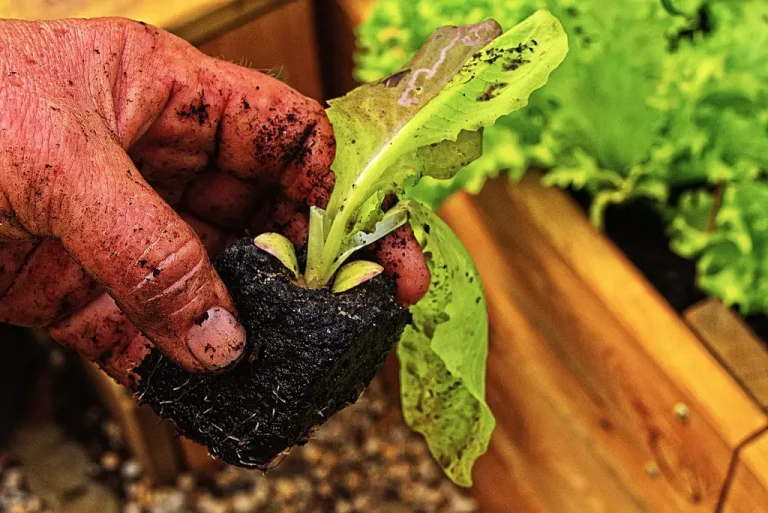
| Lettuce & Spinach | Fall & Late Winter | These “cool-season” crops taste best when grown in cooler weather. |
| Carrots & Radishes | Fall & Late Winter | Our clay soil can be tough. Grow in raised beds or amend soil with lots of compost. |
| Broccoli & Kale | Fall | Plant in early fall for a winter harvest. They taste sweeter after a light frost. |
Plants to Avoid or Grow with Caution
Just as important as knowing what to plant is knowing what not to plant. Here are a few common plants that will struggle or fail in Zone 8b without extraordinary effort.
- Tropical Hibiscus: Rated for Zones 9-11. It will not survive our winters unless brought indoors.
- Peonies: These need a long period of winter chill to form flower buds, something our mild winters don’t reliably provide.
- True Lilacs: Like peonies, they require a colder winter than Zone 8b can offer.
- Most Citrus (except cold-hardy varieties): While some, like Meyer Lemons in pots or protected areas, can work, most oranges and grapefruits are not hardy enough for our freezes.

Frequently Asked Questions (FAQ)
What is the difference between Zone 8a and 8b?
The difference is a 5-degree variance in the average lowest winter temperature. Zone 8a has an average low of 10-15°F, while Zone 8b (Dallas) has a slightly warmer average low of 15-20°F. This small difference can be enough to determine whether a borderline plant survives the winter.
Can I grow plants from Zone 9 in Dallas?
You can, but you must do so with caution. A Zone 9 plant is not reliably hardy in Zone 8b. You should treat it as an annual (expecting it to die in winter) or plant it in a protected microclimate, like against a south-facing wall, and be prepared to cover it during hard freezes.
When is the last frost date in Dallas?
The average last frost date for the Dallas area is around March 15th. However, this is just an average. It’s always wise to watch the 10-day forecast before planting tender summer vegetables and annuals, as a late frost is always possible.
What does “full sun” mean in Texas?
This is a great question! While “full sun” technically means 6+ hours of direct sunlight, in Texas, that can be brutal. Many plants labeled “full sun” will appreciate some protection from the intense late afternoon sun (from 3 PM onwards). Morning sun is much gentler.
Is Dallas soil good for gardening?
Much of the Dallas area has heavy clay soil, often called “gumbo.” It can be challenging because it drains slowly and gets rock-hard when dry. The key to success is amendment. Adding several inches of compost to your garden beds every year will dramatically improve the soil’s structure, drainage, and fertility.
How do I find out my exact microclimate?
Observation is key. Watch your yard throughout the day and across seasons. Notice where snow or frost melts first (a warmer spot) and where it lingers (a colder spot). Pay attention to where the sun hits at different times of the day and which areas are shielded from the wind. This will give you a great map of your personal garden’s microclimates.
Your Gardening Journey Starts Now
There you have it! The essential answer is that Dallas, Texas, is in Zone 8b. But as you can see, that’s just the starting point of a wonderful gardening adventure. By understanding what this zone means, reading your plant tags, and paying attention to the unique conditions of our North Texas climate, you are already on the path to success.
Don’t be afraid to experiment, and remember that every gardener, including myself, learns by doing. Start small, choose tough and reliable plants from the lists above, and focus on improving your soil. Before you know it, you’ll have a beautiful, thriving garden that brings you joy throughout the year.
Happy gardening!
Related pick: Check today's price on Amazon