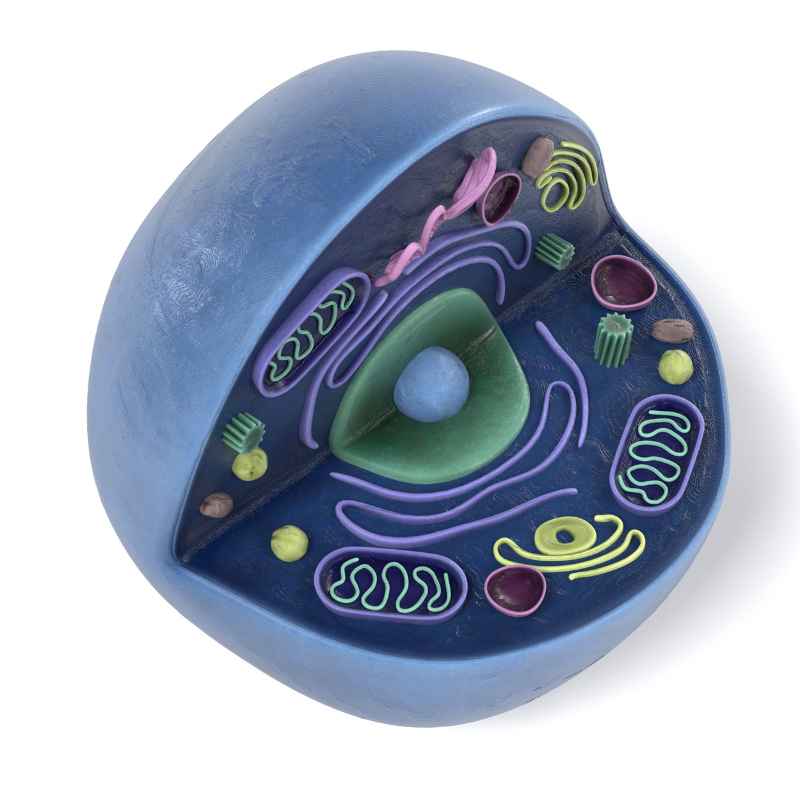

The plant cell organelle that contains its own DNA and ribosomes is primarily the chloroplast, and to a lesser extent, the mitochondrion. These organelles are often called semi-autonomous because they can produce some of their own proteins. This ability stems from their own genetic material and protein-making machinery, similar to bacteria.
For a related plant-care question, How Does A Plant Cell Control Its Internal Turgor Pressure? gives readers a more focused follow-up.
The Marvel of Semi-Autonomous Organelles
In the bustling city of a plant cell, most of the construction and daily operations are directed by the city hall – the nucleus. The nucleus holds the main blueprint, the vast majority of the cell’s DNA. It sends out instructions for everything the cell needs to do. But there are a couple of special buildings within this city that have their own mini-offices and workshops. These are the organelles that can do a bit of their own planning and building.
These unique structures are called semi-autonomous organelles. The term “semi-autonomous” means “partly self-governing.” They aren’t entirely independent, as they still rely on the nucleus for many of their parts and instructions. However, they have the crucial ability to manage some of their own affairs. The two main players in this category within plant cells are the chloroplasts and the mitochondria.
What Makes Them So Special?
What sets chloroplasts and mitochondria apart is their possession of their own DNA and their own ribosomes. Think of DNA as the instruction manual and ribosomes as the tiny factories that read those instructions to build proteins. Most other organelles in the cell have to get all their DNA instructions from the nucleus and use the ribosomes located elsewhere in the cell. Chloroplasts and mitochondria, however, have their own circular DNA, much like the DNA found in bacteria. They also have their own set of ribosomes, which are the structures responsible for protein synthesis.
This dual presence – their own DNA and their own ribosomes – allows them to produce a number of their own essential proteins. These are proteins that are specifically needed for their unique jobs within the plant cell. While they can make some proteins, they can’t make all of them. They still need the nucleus to provide instructions and materials for many other proteins they require. So, they are “semi” autonomous, not fully.
The Star Player: Chloroplasts
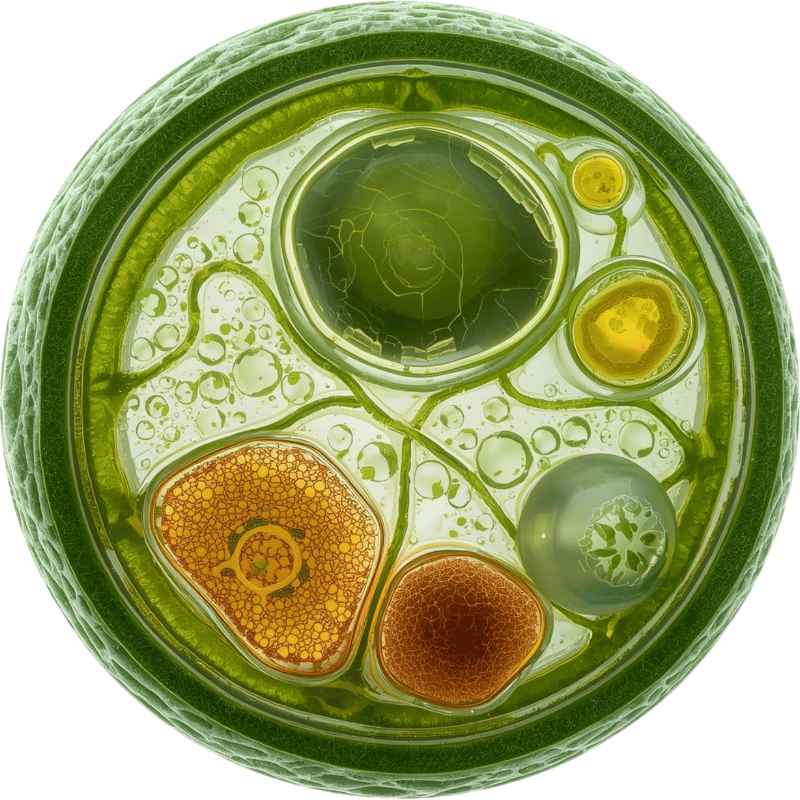
When we talk about the organelle that contains its own DNA and ribosomes in plant cells, the chloroplast is often the primary focus. This is because chloroplasts are absolutely central to what makes plants, well, plants. They are the sites of photosynthesis, the amazing process by which plants convert light energy into chemical energy in the form of sugars. Without chloroplasts, plants couldn’t feed themselves or the vast majority of life on Earth.
A Deeper Look Inside the Chloroplast
Chloroplasts are fascinating. They have a double membrane, meaning they are wrapped in two layers of protective covering. Inside this outer layer, there’s an inner membrane that encloses a fluid-filled space called the stroma. Within the stroma are stacks of flattened sacs called thylakoids. These thylakoids are arranged in stacks, like pancakes, and these stacks are called grana. The green pigment, chlorophyll, which is what gives plants their color, is found within the thylakoid membranes. This chlorophyll is critical for capturing sunlight.
Now, where does the DNA and the ribosomes fit in? Inside the stroma, you’ll find small, circular pieces of DNA. This is the chloroplast DNA, or cpDNA. It contains genes that code for essential components of photosynthesis, like some of the proteins involved in the light-dependent reactions and the enzymes needed for making sugars. The ribosomes are also found in the stroma. These are bacterial-like ribosomes, called 70S ribosomes, and they use the instructions from the cpDNA to build these specific proteins right there where they are needed.
The presence of their own DNA and ribosomes in chloroplasts is a strong piece of evidence supporting the endosymbiotic theory. This theory suggests that chloroplasts, and mitochondria, were once free-living bacteria that were engulfed by an ancestral eukaryotic cell. Over millions of years, they developed a symbiotic relationship and became integrated into the host cell, eventually evolving into the organelles we see today.
Why Chloroplasts Need Their Own DNA
The genes encoded within the chloroplast DNA are crucial for the chloroplast’s function. They are involved in things like:
Building the protein complexes that capture light energy.
Producing enzymes needed for the Calvin cycle, which is how carbon dioxide is turned into sugar.
Synthesizing some of the components of the ribosome itself, allowing for self-replication of this machinery.
While the chloroplast can make many of its own proteins, it’s important to remember it’s still semi-autonomous. Many of the proteins essential for chloroplast function are actually coded for by genes in the cell’s nucleus and then imported into the chloroplast. This collaboration between nuclear and chloroplast genomes ensures the plant cell runs smoothly.
The Supporting Actor: Mitochondria
While chloroplasts are the stars of photosynthesis, the mitochondrion (plural: mitochondria) is another vital organelle in plant cells that also boasts its own DNA and ribosomes. Mitochondria are often called the “powerhouses” of the cell. Their main job is cellular respiration, the process of breaking down sugars to release energy that the cell can use to perform its functions. Plants need energy for everything from growing roots to producing flowers.
Mitochondria’s Inner Workings
Similar to chloroplasts, mitochondria have a double membrane. The outer membrane is smooth. The inner membrane, however, is highly folded into structures called cristae. These folds increase the surface area, which is important for the many chemical reactions that occur during cellular respiration. The space enclosed by the inner membrane is called the mitochondrial matrix.
Within the mitochondrial matrix, you’ll find the mitochondrial DNA (mtDNA). This is also a circular piece of DNA, much like the cpDNA found in chloroplasts and bacterial DNA. The mtDNA contains genes that code for some of the proteins involved in the electron transport chain and ATP synthase, key components of cellular respiration that generate most of the cell’s energy currency, ATP. The mitochondria also have their own set of ribosomes, again bacterial-like 70S ribosomes, in the matrix to translate the mtDNA into proteins.
The endosymbiotic theory also strongly applies to mitochondria. They are believed to have originated from different types of bacteria than chloroplasts, possibly alpha-proteobacteria, which were also engulfed by an early eukaryotic cell. This explains why both chloroplasts and mitochondria share these bacterial-like characteristics.
The Role of Mitochondrial DNA
The genes on the mitochondrial DNA are essential for efficient energy production. They are responsible for making:
Components of the protein complexes that carry out oxidative phosphorylation.
Subunits of ATP synthase, the enzyme that produces ATP.
Proteins involved in the assembly and function of the ribosome itself.
Just like chloroplasts, mitochondria are also semi-autonomous. They depend heavily on proteins encoded by the nuclear DNA. These nuclear-encoded proteins are synthesized in the cytoplasm and then imported into the mitochondria. This cooperative effort ensures that the plant cell has a constant and sufficient supply of energy.
Infographic-Style Section 1: Comparing Chloroplasts and Mitochondria
Key Differences & Similarities
Main Function:
- Chloroplast: Photosynthesis (making food from light)
- Mitochondrion: Cellular Respiration (releasing energy from food)
DNA Type:
- Both contain circular DNA.
Ribosomes:
- Both contain bacterial-like ribosomes (70S).
Membranes:
- Both have a double membrane.
Internal Structure:
- Chloroplast: Thylakoids, grana, stroma
- Mitochondrion: Cristae, matrix
Why Not Other Organelles?
It’s natural to wonder why other well-known organelles, like the endoplasmic reticulum, Golgi apparatus, or vacuoles, don’t have their own DNA and ribosomes. The reason lies in their evolutionary history and their primary roles within the cell.
Evolutionary Paths
These other organelles were not derived from free-living bacteria in the same way that chloroplasts and mitochondria were. They evolved directly within the eukaryotic cell lineage. Their functions are highly integrated with the nucleus and the rest of the cellular machinery. They rely entirely on the nuclear DNA for their genetic instructions and use the cytoplasmic ribosomes for protein synthesis.
Functionality and Design
Their functions are more about modifying, sorting, packaging, or storing molecules. For example, the endoplasmic reticulum is involved in protein and lipid synthesis and modification, but it doesn’t perform its own energy conversion or have a direct role in capturing light. The Golgi apparatus modifies and sorts proteins and lipids. Vacuoles store water, nutrients, and waste. These tasks don’t require the complex, independent genetic and protein-synthesis systems that chloroplasts and mitochondria have.
The specialized roles of these organelles are managed by proteins that are coded for in the nucleus. The nucleus is the central command center, and for these organelles, it’s more efficient for them to be controlled directly from the nucleus rather than having their own independent genetic systems.
The Endosymbiotic Theory: A Closer Look
The idea that chloroplasts and mitochondria have their own DNA and ribosomes is powerful evidence for the endosymbiotic theory. Let’s break down what that means in simpler terms.
What is Endosymbiosis?
Endosymbiosis means “living together inside.” The theory proposes that billions of years ago, a large, primitive eukaryotic cell engulfed (but did not digest) a smaller prokaryotic cell (like a bacterium). Instead of being destroyed, the smaller bacterium survived inside the larger cell and a partnership formed.
The Origin Story of Chloroplasts
For chloroplasts, it’s thought that a eukaryotic cell engulfed a photosynthetic bacterium, similar to modern cyanobacteria. This bacterium could perform photosynthesis, providing the host cell with a steady supply of energy and food. In return, the bacterium was protected and received nutrients from the host. Over time, the bacterium lost many of its own genes, transferring some to the host cell’s nucleus, and became dependent on the host for survival. It evolved into the chloroplast.
The Origin Story of Mitochondria
Similarly, mitochondria are believed to have originated from an aerobic bacterium (one that uses oxygen to produce energy) that was engulfed by a primitive eukaryotic cell. This bacterium was very efficient at extracting energy from food molecules through respiration. This partnership gave the host cell a significant advantage in energy production. This bacterium eventually became the mitochondrion.
Evidence for the Theory
The evidence is compelling:
Double Membranes: Both organelles have two membranes, fitting the idea of being engulfed. The inner membrane would have been the bacterium’s original membrane, and the outer membrane would have come from the host cell’s engulfing vesicle.
Circular DNA: Both have their own circular DNA, which is characteristic of bacteria, not the linear DNA found in the nucleus of eukaryotic cells.
Ribosomes: Both have their own 70S ribosomes, similar to bacterial ribosomes, whereas eukaryotic cells have larger 80S ribosomes in the cytoplasm.
Replication: Both organelles replicate independently within the cell, similar to how bacteria divide.
Genetic Similarity: The DNA sequences of chloroplasts show strong similarities to cyanobacteria, and mitochondrial DNA sequences are similar to those of certain aerobic bacteria.
This theory helps explain why these specific organelles are unique and possess these “bacterial” traits.
Infographic-Style Section 2: “Myth vs. Reality” about Plant Organelles
Common Misconceptions Cleared Up
Myth: All organelles in a plant cell are controlled solely by the nucleus.
Reality: Chloroplasts and mitochondria have their own DNA and ribosomes, giving them partial self-governance.
Myth: Plant cells only get energy from photosynthesis.
Reality: Plants also perform cellular respiration using mitochondria to release energy from the sugars produced during photosynthesis.
Myth: The green color of plants comes from the cell wall.
Reality: The green color comes from chlorophyll, a pigment found within the chloroplasts.
Myth: Ribosomes are only found in the cytoplasm.
Reality: Chloroplasts and mitochondria each have their own ribosomes within their internal structures.
Real-World Context: How This Affects Plant Life
Understanding that chloroplasts and mitochondria have their own DNA and ribosomes isn’t just an academic exercise. It has real-world implications for how plants function and how we interact with them.
Plant Health and Disease
Problems with mitochondrial or chloroplast DNA can lead to plant diseases. If the DNA within these organelles is damaged or mutated, it can impair their ability to perform their essential functions. This can result in:
Reduced Photosynthesis: Chloroplast dysfunction can mean a plant can’t produce enough sugars, leading to stunted growth or yellowing leaves (chlorosis).
Energy Deficiencies: Mitochondrial problems can prevent the cell from generating enough ATP, impacting all cellular processes.
Altered Growth Patterns: Both issues can lead to visible changes in plant appearance, affecting crop yields or ornamental value.
Many plant diseases, including certain wilts and blights, are linked to disruptions in organelle function.
Breeding and Agriculture
Knowledge of organelle DNA is crucial in plant breeding. Scientists can study the specific genes within chloroplast and mitochondrial DNA to:
Improve Crop Yields: By selecting plants with more efficient photosynthetic machinery or robust energy production.
Enhance Disease Resistance: Identifying genes that confer resistance to specific plant pathogens.
Develop Stress Tolerance: Breeding plants that can better withstand environmental stresses like drought or extreme temperatures, which often impact organelle function.
For example, understanding cytoplasmic male sterility (CMS), a common trait used in hybrid seed production, often involves studying mitochondrial DNA because mutations in mtDNA can disrupt pollen development.
Understanding Plant Diversity
The variations in chloroplast and mitochondrial DNA also contribute to the incredible diversity seen in the plant kingdom. Subtle differences in these organelle genomes can influence a plant’s adaptations to different environments, its flowering time, or its fruit production. Studying these genetic differences helps botanists classify plants and understand their evolutionary relationships.
What This Means for You: When to Pay Attention
So, how does this knowledge about plant cell organelles and their DNA translate into practical understanding for you, whether you’re a gardener, a student, or just curious about nature?
When It’s Normal to See Unique Features
It’s normal for plants to have green leaves (thanks to chlorophyll in chloroplasts) and to grow, flower, and produce fruit (thanks to energy from mitochondria and food from chloroplasts). The fact that these organelles have their own DNA is a fundamental aspect of plant biology. You don’t need to worry about this general function.
When to Be Concerned (Visually)
If you’re observing a plant and notice unusual symptoms, it might indicate an issue with these organelles, or other cellular processes. Look out for:
Unusual Leaf Discoloration: Beyond normal seasonal changes, leaves that turn yellow, white, or patchy without a clear cause might signal problems with photosynthesis.
Stunted Growth:* A plant that isn’t growing as it should, despite adequate water and nutrients, could be suffering from energy production issues.
Wilting or Drooping:* While this can have many causes, persistent wilting might point to a lack of energy for cellular functions.
Abnormal Flower or Fruit Development:* Issues with energy or sugar production can impact reproductive success.These visual cues are often the first sign that something might be amiss at a cellular level.
Simple Checks You Can Do
While you can’t directly inspect an organelle’s DNA in your garden, you can make observations and take actions:
Observe the Environment:* Is the plant getting enough light (for chloroplasts) and air circulation (for respiration)?
Check Soil Conditions:* Proper nutrients are essential for all cellular processes.
Look for Pests or Diseases:* Some organisms directly attack plant cells.
Consider Watering Habits:* Both too much and too little water can stress the plant and affect cellular functions.
If you see concerning signs, a good first step is to research common issues for that specific plant species.
Quick Fixes & Tips for Plant Owners
While we can’t “fix” an organelle’s DNA directly, we can support the plant’s overall health, which in turn supports its organelles.
Provide Adequate Light
This is crucial for chloroplast function. Different plants need different amounts of light, from full sun to shade. Make sure your plant is in the right spot.
Ensure Good Airflow
Healthy plants need good air circulation for gas exchange, which is vital for both photosynthesis (taking in CO2) and respiration (taking in O2). Avoid overcrowding plants.
Water Wisely
Overwatering can lead to root rot, which deprives the plant of oxygen and nutrients, severely impacting mitochondria. Underwatered plants will also struggle. Aim for consistently moist, but not soggy, soil.
While you can’t directly inspect an organelle’s DNA in your garden, you can make observations and take actions:
Check Soil Conditions:* Proper nutrients are essential for all cellular processes.
Look for Pests or Diseases:* Some organisms directly attack plant cells.
Consider Watering Habits:* Both too much and too little water can stress the plant and affect cellular functions.
Overwatering can lead to root rot, which deprives the plant of oxygen and nutrients, severely impacting mitochondria. Underwatered plants will also struggle. Aim for consistently moist, but not soggy, soil.
Feed Your Plants Appropriately
A balanced fertilizer provides the essential nutrients that plants need to build chlorophyll, enzymes, and all the other molecules required for cellular functions. Follow package directions.
Prune for Health
Removing dead or diseased parts of a plant can help it focus its energy and resources on healthy growth. This also improves airflow.
Use Mulch
A layer of mulch around your plants helps retain soil moisture, regulate soil temperature, and suppress weeds, all of which contribute to a healthier environment for the plant’s cells.
Frequent Questions
What is the main function of chloroplasts?
The main function of chloroplasts is photosynthesis. This is the process where plants use sunlight, water, and carbon dioxide to create their own food (sugars) and release oxygen.
Why are mitochondria called the “powerhouses” of the cell?
Mitochondria are called the “powerhouses” because they perform cellular respiration. This process breaks down sugars to release energy in a form the cell can use, called ATP.
Does the nucleus in a plant cell have its own DNA?
Yes, the nucleus is the primary organelle that contains the plant cell’s main genetic material in the form of linear DNA. This DNA contains instructions for most of the cell’s functions.
Can chloroplasts and mitochondria survive outside the plant cell?
No, because they are semi-autonomous, they cannot survive independently. They rely on the host cell for many essential components and protection.
Are there any other organelles with their own DNA?
In plant cells, chloroplasts and mitochondria are the primary organelles that contain their own DNA and ribosomes. Other organelles do not have this capability.
What is the endosymbiotic theory?
The endosymbiotic theory suggests that mitochondria and chloroplasts originated from free-living bacteria that were engulfed by an ancestral eukaryotic cell. They then developed a symbiotic relationship and became integrated organelles within the host cell.
Conclusion
The plant cell organelle that contains its own DNA and ribosomes is a fascinating testament to evolution. Both the chloroplast and the mitochondrion carry their own genetic code and protein-building machinery, allowing them a degree of independence. This dual ownership of genetic material is a cornerstone of how plants perform photosynthesis and generate energy, powering all life on Earth. It’s a subtle but incredibly important detail that explains much about plant vitality and the interconnectedness of cellular life.