How to Get Rid of Bindweed Without Killing Other Plants
Bindweed can turn any garden into a daily struggle. Its twisting vines wrap around everything, choking flowers, vegetables, and shrubs. If you’ve tried to pull it, you know how stubborn it is—one missed root and the plant is back in weeks. Killing bindweed without harming your other plants is a challenge for gardeners everywhere. But there’s good news: With the right approach, you can control bindweed and keep your garden safe. This guide will show you proven methods, common mistakes, and clever tricks that really work.
What Is Bindweed And Why Is It Hard To Control?
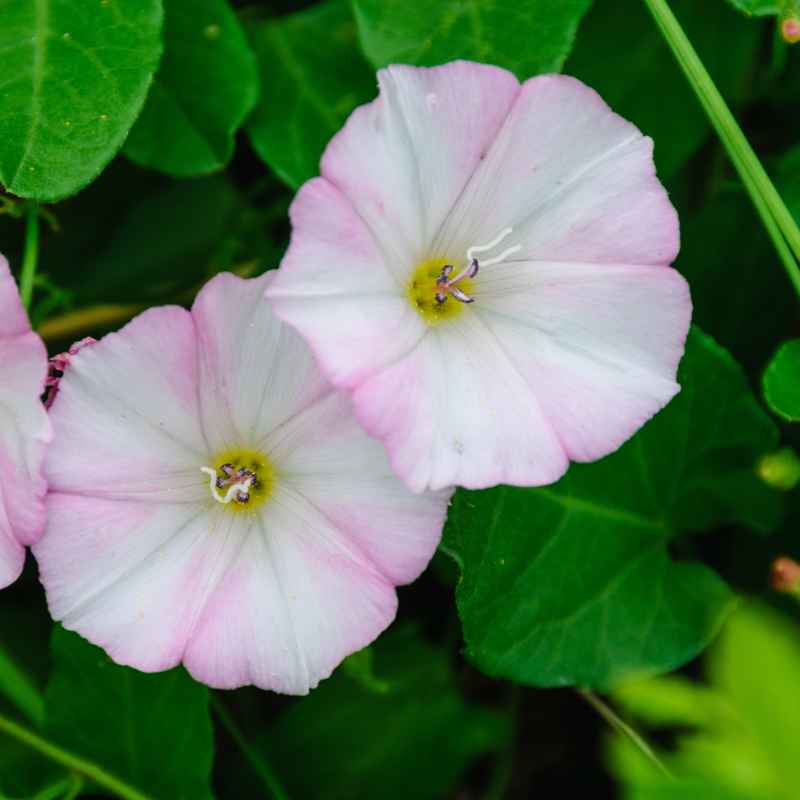
Bindweed, also known as Convolvulus arvensis, is a perennial weed. Its roots grow deep—sometimes over 10 feet. Above ground, bindweed produces white or pink trumpet-shaped flowers and thin, twining stems. It spreads by seeds and underground rhizomes. Even a small piece of root can start a new plant.
Bindweed’s main problem is its toughness:
- Roots can survive drought, cold, and even herbicides.
- Seeds stay viable for 20–50 years.
- It wraps tightly around other plants, stealing sunlight and nutrients.
Bindweed is not just annoying. In vegetable gardens, it can cut yields by 50%. In flower beds, it ruins the look and health of your favorite plants. Most common weed killers are too strong and will kill bindweed and your garden plants together.
That’s why careful, targeted methods are needed.

Identifying Bindweed In Your Garden
Before you fight bindweed, you must be sure it’s really bindweed. Some plants, like morning glory, look similar but are less aggressive.
Bindweed’s features:
- Leaves: Arrow-shaped, often 1–2 inches long.
- Flowers: White or pink, funnel-shaped, about 1 inch across.
- Stems: Thin, twining, wrap tightly around other plants.
- Roots: White, brittle, deep and spreading.
Bindweed often appears along fences, edges, and among thick plantings. If you see a vine wrapping tightly and growing fast, it’s likely bindweed.
Why Most Weed Killers Fail
Many gardeners reach for a weed killer when bindweed appears. But most commercial weed killers are non-selective—they kill everything they touch. If you spray bindweed, you risk harming vegetables, flowers, and even shrubs.
Selective weed killers for bindweed are rare. They often require multiple applications and may not reach deep roots. Bindweed’s underground system is so strong that the plant can survive surface sprays.
Some weed killers claim to be safe for lawns, but bindweed usually grows in flower beds or vegetable gardens. Here, even “safe” products may damage roots or leaves of nearby plants.
A common mistake is using too much weed killer, hoping for better results. This can poison soil and damage beneficial insects. Instead, safer, targeted methods are much more effective.
Manual Removal: The Right Way To Pull Bindweed
Hand-pulling is the oldest method. But it’s not as simple as grabbing and yanking. If you just pull the vine, you usually break it—and the root stays behind. That root will produce new shoots quickly.
Here’s how to remove bindweed by hand:
- Water the area first. Wet soil lets roots come out easier.
- Use a small garden fork or trowel. Push it deep, following the vine to the root.
- Gently loosen the soil around the root. Try to remove as much root as possible.
- Never leave pieces of root. Even a one-inch fragment can regrow.
- Repeat every week. Bindweed grows fast, so persistence is key.
A non-obvious tip: Bindweed roots can be brittle. If you pull too hard, they break. Slow, careful digging works better than force.
Bindweed removal is easier after rain, when soil is soft. If bindweed is wrapped around another plant, cut the vine close to the ground first. Then, dig out the root separately.
Smothering Bindweed: Using Mulch And Cover Materials
Bindweed needs light to grow. Blocking sunlight is an effective way to weaken it.
Mulch is a simple tool:
- Apply a thick layer (3–4 inches) of organic mulch—like wood chips, straw, or bark.
- Make sure the mulch covers all bindweed shoots.
- Mulch starves bindweed of light, slowing its growth.
For severe infestations, try weed barrier fabric:
- Lay the fabric over the affected area.
- Cut holes for your garden plants, not bindweed.
- Cover the fabric with mulch for better results.
Plastic sheeting can also work. Place black plastic over bindweed patches for 4–6 weeks. The plastic gets hot, killing bindweed shoots and roots near the surface.
But mulch and covers don’t kill deep roots. They weaken bindweed, making manual removal easier. Keep mulch thick and check for new shoots often.
A practical tip: Don’t use clear plastic. Bindweed can grow under it. Black plastic or thick mulch is best.
Targeted Herbicide Use: Safe Application Techniques
If bindweed is out of control, targeted herbicides can help. But you must be careful not to harm other plants.
Glyphosate is the most common herbicide for bindweed. It kills roots but is non-selective. Here’s how to use it safely:
- Mix herbicide in a small container.
- Use a paintbrush or sponge to apply directly on bindweed leaves.
- Avoid dripping or splashing on nearby plants.
- Wear gloves and wash your hands after.
For bindweed wrapped around a plant, cut the vine near the ground. Paint herbicide on the exposed end.
Some gardeners use a “wick applicator”—a tool that touches only the weed. This reduces risk to other plants.
A comparison of herbicide methods:
| Method | Effectiveness | Risk to Other Plants | Application Difficulty |
|---|---|---|---|
| Spray | High | High | Easy |
| Paintbrush | Medium | Low | Moderate |
| Wick Applicator | Medium | Very Low | Moderate |
Always follow label instructions. Never use herbicide near water or on windy days.
A non-obvious insight: Herbicides work best on young, actively growing bindweed. Old, tough vines are harder to kill.
Organic Control Methods That Don’t Harm Other Plants
Many gardeners prefer organic solutions. There are several ways to control bindweed without chemicals.
- Vinegar: Household vinegar is too weak. Use horticultural vinegar (20% acetic acid) and apply directly on bindweed leaves. It burns the foliage but does not kill deep roots. Use a brush or sponge to avoid nearby plants.
- Boiling Water: Pour boiling water on bindweed shoots. This kills leaves and shallow roots. Be careful—hot water can harm other plants if it spreads.
- Salt: Salt can kill bindweed, but it also ruins soil. Only use salt in cracks or paths, not near plants.
- Corn Gluten Meal: This prevents bindweed seeds from sprouting. Apply in early spring, before bindweed emerges.
- Hand Digging: Organic but labor-intensive. Digging out roots every week slowly weakens bindweed.
Organic methods are safer but slower. They require persistence and regular follow-up.
Preventing Bindweed Spread: Long-term Strategies
Bindweed can come back even after you remove it. Prevention is just as important as removal.
- Inspect new plants: Check roots for bindweed before planting.
- Remove bindweed early: Small shoots are easier to control.
- Clean garden tools: Bindweed roots can stick to shovels and forks.
- Edge barriers: Install plastic or metal edging around beds to block bindweed roots.
- Regular mulch: Keep mulch thick to prevent new bindweed growth.
Bindweed seeds can travel in soil, compost, or on shoes. Always clean up after working in infested areas.
A useful tip: Never compost bindweed roots or seeds. High temperatures are needed to kill them—most home compost piles are not hot enough.
How Companion Planting Can Help
Some plants compete well against bindweed. Planting certain species can shade bindweed and slow its spread.
Examples:
- Ground covers: Clover, creeping thyme, and ajuga grow thickly, blocking bindweed light.
- Tall perennials: Daylilies and peonies shade bindweed, making it weaker.
- Dense shrubs: Boxwood and spirea form barriers bindweed can’t easily cross.
Companion planting works best with regular maintenance. Keep ground covers healthy and cut bindweed vines when they appear.
A data comparison of companion plants:
| Plant Type | Bindweed Resistance | Growth Speed | Maintenance Needed |
|---|---|---|---|
| Clover | High | Fast | Low |
| Ajuga | Medium | Medium | Medium |
| Boxwood | Medium | Slow | Low |
A non-obvious insight: Mixing ground covers and tall plants works better than using just one type. Bindweed struggles in crowded, shaded conditions.
Bindweed In Vegetable Gardens: Special Care
Bindweed is especially harmful in vegetable gardens. It can wrap around tomatoes, beans, and peppers—slowing growth and reducing yields.
How to protect vegetables:
- Use mulch between rows. Straw is best for vegetables.
- Remove bindweed weekly by hand. Cut vines close to the ground.
- Spot-treat with herbicide using a sponge or paintbrush.
- Grow vegetables in raised beds with edge barriers.
Bindweed can hide under large leaves, like squash or zucchini. Check under leaves regularly.
An example: In a tomato patch, bindweed can reduce fruit by 40%. Mulching and weekly removal can restore yields.
Bindweed seeds can survive in soil from last year. Rotate crops and add fresh mulch each season.
Bindweed Around Trees And Shrubs
Bindweed often grows under trees and shrubs, where digging is difficult. Roots can be deep and tangled with tree roots.
How to control bindweed here:
- Cut bindweed vines at the base every week.
- Apply mulch under the tree, keeping it thick.
- Spot-treat with herbicide only on bindweed leaves.
Avoid digging too close to tree roots—this can damage the tree. Cutting bindweed regularly weakens it over time.
A practical tip: Use a long-handled pruner to cut bindweed high up in trees or shrubs.
Bindweed can climb several feet up a shrub. Early removal prevents this.
Mistakes To Avoid When Controlling Bindweed
Many gardeners make mistakes that make bindweed worse.
- Pulling too hard: Breaks roots, making bindweed multiply.
- Ignoring small shoots: Letting bindweed grow gives it time to spread.
- Using too much herbicide: Damages soil and kills nearby plants.
- Composting bindweed: Spreads seeds and roots.
- Letting bindweed flower: Seeds can spread for decades.
One overlooked mistake: Not cleaning tools between beds. Bindweed roots can stick to tools and move to new areas.
Bindweed control takes patience. It may take months or even years to remove completely. Every missed root or seed gives bindweed a new chance.
Comparing Bindweed Control Methods
Let’s compare the main methods for controlling bindweed.
| Method | Safety for Other Plants | Effectiveness | Time to Results | Labor Needed |
|---|---|---|---|---|
| Manual Removal | High | Medium | Months | High |
| Mulch/Cover | High | Medium | Months | Medium |
| Targeted Herbicide | Medium | High | Weeks | Low |
| Organic Methods | High | Low | Months | Medium |
| Companion Planting | High | Medium | Months/Years | Low |
Manual removal and mulch are safest for your plants. Herbicide is faster but riskier. Organic methods are slow but very safe. Combining several methods works best.
Bindweed In Lawns: What Works And What Doesn’t
Bindweed can grow in lawns, but is less aggressive there. Grass competes with bindweed, slowing its spread.
How to control bindweed in lawns:
- Mow regularly. Cutting bindweed stops it from flowering.
- Spot-treat with selective herbicide for broadleaf weeds.
- Keep lawn thick and healthy. Fertilize and overseed bare spots.
Bindweed roots are harder to reach in lawns. Digging isn’t practical here. Focus on mowing and lawn care.
A common mistake: Using non-selective herbicide on lawns. This kills grass and bindweed together.
Bindweed rarely kills lawns, but it can make them look messy. Thick, healthy grass is the best defense.
Professional Bindweed Removal Services
If bindweed is out of control, professional help may be needed. Many landscaping companies offer weed removal.
What to expect:
- Professionals use targeted herbicides and advanced tools.
- They can install barriers and mulch.
- Services cost $100–$300 per visit, depending on garden size.
Professional removal is fast but not permanent. You’ll still need to monitor for new bindweed shoots.
A useful link: For more about bindweed biology and control, visit Wikipedia.
Tracking Progress: How To Know If Bindweed Is Under Control
Bindweed control takes time. Here’s how to measure success:
- Fewer new shoots each week
- Bindweed vines are thinner and weaker
- Less bindweed flowering
- Other plants look healthier
Keep a notebook. Write down how many bindweed vines you remove each week. Take photos to track changes.
A non-obvious tip: Bindweed may look gone above ground, but roots can stay alive for years. Keep checking every month.

Frequently Asked Questions
How Long Does It Take To Get Rid Of Bindweed Completely?
Bindweed control is not quick. Most gardens need 6–24 months for full removal. Deep roots and old seeds can sprout long after you remove visible vines. Regular checking and removal are needed even after bindweed looks gone.
Can Bindweed Harm Vegetables Or Flowers?
Yes. Bindweed wraps around stems, blocking sunlight and stealing nutrients. In heavy infestations, vegetable yields may drop by 50%. Flowers may wilt or die. Early removal is important to protect your plants.
Are There Any Safe Herbicides For Bindweed?
Most herbicides are non-selective and can harm other plants. The safest method is spot-treating bindweed leaves with a paintbrush or sponge. Always follow label instructions and avoid spraying near desirable plants.
Will Bindweed Come Back After Removal?
Bindweed can return if roots or seeds remain. Even a tiny root fragment can regrow. Regular checking and removal are needed. Never compost bindweed roots or seeds, as they can survive and spread.
Is Bindweed Dangerous To Pets Or People?
Bindweed is not toxic to pets or people. However, it can cause skin irritation if handled often. Wear gloves when removing bindweed. Bindweed seeds are not edible and should be kept away from food crops.
Bindweed is one of the toughest garden weeds, but you can win the battle. Careful, persistent methods protect your plants and keep your garden healthy. Combining manual removal, mulch, targeted herbicide, and companion planting gives the best results. With patience and regular effort, bindweed can be controlled—and your garden will thrive again.