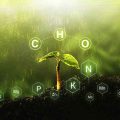

When you think about photosynthesis, your mind probably goes straight to lush green leaves. It’s easy to imagine trees soaking up sunlight. But what if I told you that plants aren’t the only living things that can turn light into energy? It’s a question many of us wonder about. The world of nature is full of surprises.
Plants are not the only organisms that perform photosynthesis. Algae, some bacteria, and certain protists also use sunlight to make their own food. This process is crucial for many ecosystems beyond just the plant kingdom.
What Exactly Is Photosynthesis?
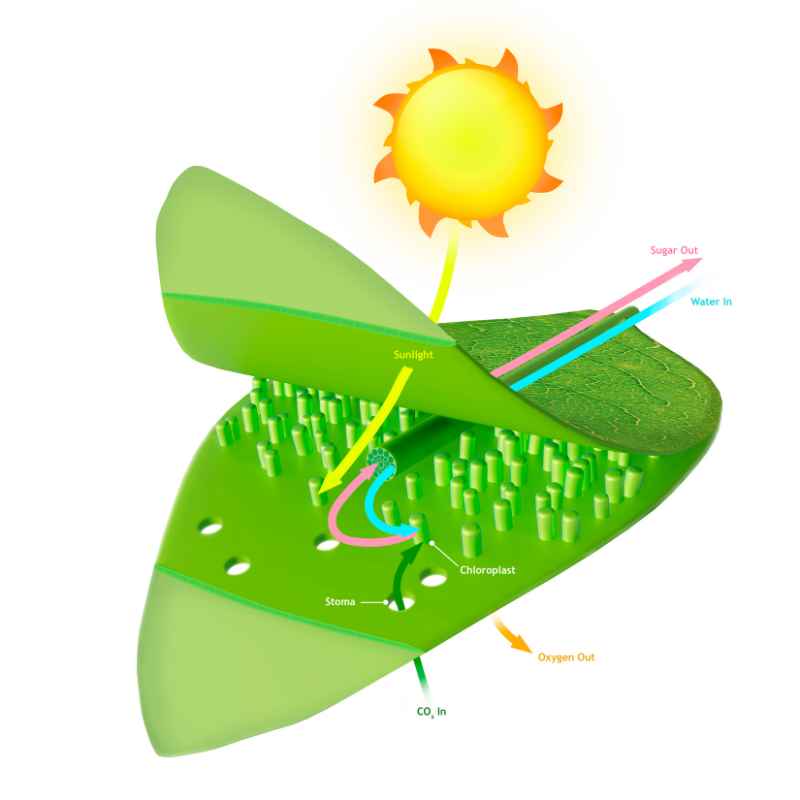
Photosynthesis is a big word for a simple idea. It’s how living things use light energy. They turn it into chemical energy. This chemical energy is stored as food. Think of it like nature’s own solar power. It fuels life on Earth. It’s a process that happens all around us, even when we don’t see it.
The main ingredients for this amazing trick are simple. You need sunlight, water, and a gas called carbon dioxide. The organism captures the light. It uses that energy to split water. Then it combines the parts with carbon dioxide. This creates sugars, which are food. Oxygen is also released as a byproduct. This oxygen is what we breathe.
The Basic Chemical Recipe
Sunlight + Water + Carbon Dioxide → Sugars (Food) + Oxygen
This simple equation shows the core of the process. Plants and others use this to live and grow.
A Blast from the Past: The First Photosynthesizers
Scientists believe that photosynthesis started a very long time ago. It might have begun billions of years ago. The very first life forms on Earth likely used it. They didn’t have plants back then. These early life forms were simple. They were single cells floating in the water.
These early organisms were probably bacteria. They discovered how to use sunlight. It was a game-changer for life. It meant they didn’t need to eat other things. They could make their own food. This allowed life to spread and become more complex. It paved the way for everything we see today.
Timeline of Early Photosynthesis
- Around 3.5 Billion Years Ago: First evidence of photosynthesis emerges.
- Cyanobacteria Evolve: These are some of the earliest known photosynthetic bacteria.
- Oxygen Enters the Atmosphere: Their activity slowly released oxygen into the air.
- Life Flourishes: This oxygen allowed more complex life to develop.
This ancient process is the root of much of today’s life.
Beyond Plants: The Algae All-Stars
When you look at a pond, you might see green scum. That’s often algae. Algae are not plants, but many of them are master photographers. They use sunlight just like trees do. Algae are incredibly diverse. They range from tiny single cells to large seaweeds.
Many types of algae perform photosynthesis. This includes green algae, red algae, and brown algae. They contain pigments that capture light energy. Chlorophyll is the main pigment. It’s the same one plants use. But algae also have other pigments. These help them capture light of different colors.
Where Algae Shine
Aquatic Life: Algae are the primary producers in many oceans and freshwater lakes.
Oxygen Producers: They produce a huge amount of the Earth’s oxygen. Some estimates say they make up to half of it!
Food Source: Many small sea creatures eat algae. This starts a whole food chain.
Their role in our planet’s health is huge.
Think about the vast oceans. They are full of microscopic algae called phytoplankton. These tiny powerhouses are the base of most marine food webs. Without them, the sea would be a very different place. They work tirelessly, turning sunlight into life.
Some of the algae we see are much larger. Seaweed is a common example. While it looks plant-like, it’s classified as algae. Kelp forests, for instance, are giant underwater ecosystems. They are built by photosynthetic algae. These habitats provide shelter and food for countless marine animals.
The Tiny Titans: Photosynthetic Bacteria
We talked about the ancient bacteria. Some still do photosynthesis today! These are often called cyanobacteria. They used to be known as blue-green algae. But they are actually bacteria. They are incredibly important. They live in all sorts of places.
Cyanobacteria can be found in oceans, lakes, and even on land. They can survive in harsh environments. Some live in hot springs or deserts. They have unique ways of capturing light. They contain chlorophyll, but also other pigments. These help them adapt to different light conditions.
Cyanobacteria Facts
Ancient Lineage: They are some of the oldest living organisms on Earth.
Oxygen Innovators: They are credited with producing much of the oxygen in our early atmosphere.
Nitrogen Fixers: Some species can also convert nitrogen from the air into a usable form for plants. This is a crucial role in ecosystems.
Their contributions are often overlooked.
There are other types of bacteria that photosynthesize too. But they do it differently. They don’t produce oxygen. These are called anoxygenic photosynthetic bacteria. They use different light-capturing molecules. They also use other compounds instead of water. This is a fascinating variation on the theme.
These bacteria often live in places where oxygen is scarce. They might be found in deep mud or stagnant water. Their methods show how flexible life can be. They found ways to thrive using light, even without releasing oxygen. It’s a testament to evolution’s creativity.
Protists: The Unsung Heroes
Protists are a very diverse group of organisms. They are not plants, animals, or fungi. Many of them are single-celled. Some protists can perform photosynthesis. These are often called photosynthetic protists. They live in water environments mostly.
Examples include diatoms and dinoflagellates. Diatoms are a type of algae. They have beautiful, glass-like shells. They are found everywhere in the ocean. They play a big part in the carbon cycle. Dinoflagellates are another group. Some can glow in the dark. They also do photosynthesis.
Photosynthesis in Protists
Diatoms: These single-celled organisms form a silica shell. They are a major food source in oceans.
Dinoflagellates: Some cause algal blooms. Others are bioluminescent, creating glowing seas.
Euglena: This protist can photosynthesize when light is available. It can also absorb nutrients from its surroundings.
They add another layer to the story of photosynthesis.
The ability to photosynthesize gives these protists an advantage. They can create their own food. This allows them to survive and reproduce. They are an important part of the planet’s food web. They contribute to oxygen production as well.
It’s easy to overlook these small organisms. But their impact is enormous. They are often the foundation of aquatic ecosystems. Their constant work of turning light into energy supports countless other life forms. They truly are unsung heroes of our planet.
The Unique Case of Some Animals
Now, this might sound a bit wild. But there are some animals that can do photosynthesis. Or at least, they can get help from photosynthetic organisms. It’s not quite the same as plants making their own food. But it’s a fascinating link.
The most famous example is the sea slug, Elysia chlorotica. This small creature eats algae. It doesn’t digest them completely. Instead, it incorporates the algae’s chloroplasts. These are the tiny parts inside cells that do photosynthesis. The slug then uses these chloroplasts to make its own food from sunlight.
The Solar-Powered Sea Slug
Kleptoplasty: This is the term for stealing chloroplasts from other organisms.
Gene Transfer: Scientists think the slug might have even integrated some algal genes. This helps it maintain the chloroplasts.
Long-Term Survival: Some slugs can survive for months on photosynthesis alone.
It blurs the lines between plant and animal.
This is an extreme example. Most animals cannot do this. They need to eat other organisms. But it shows how diverse life’s strategies can be. It highlights the power and versatility of photosynthesis.
Another example involves animals that live with symbiotic algae. Corals are a great case. They host tiny algae called zooxanthellae. These algae live in the coral’s tissues. They photosynthesize and provide the coral with food. In return, the coral provides them with shelter and CO2.
Why Does It Matter That More Than Plants Photosynthesize?
Understanding that plants aren’t alone is important. It shows us how connected life is. Photosynthesis isn’t just a plant thing. It’s a global engine for life. Many different groups of organisms contribute to it.
These other photosynthesizers are vital for our planet. Algae in the oceans produce a huge amount of oxygen. Cyanobacteria help cycle important nutrients. These processes support all life, including ours. We depend on them more than we might realize.
Ecological Significance
Oxygen Production: Phytoplankton and algae are major contributors to the air we breathe.
Food Webs: Photosynthetic organisms form the base of almost every food web on Earth.
Carbon Sequestration: They take carbon dioxide out of the atmosphere, helping to regulate climate.
Their work affects the entire planet.
When we think about conservation, it’s not just about forests. We need to protect our oceans and lakes too. These environments are teeming with photosynthetic life. Their health is directly linked to the health of the planet.
So, next time you see a green leaf, remember. It’s part of a much bigger story. A story involving tiny bacteria, beautiful algae, and diverse protists. All working together, powered by the sun. It’s a reminder of nature’s incredible diversity and ingenuity.
What This Means For You
Knowing that many organisms photosynthesize changes how we see the world. It makes you appreciate the quiet work going on everywhere. Even in places we don’t often think about.
If you have a fish tank or a pond, you are seeing it in action. The green film you might try to get rid of? That’s often algae doing its job. It’s producing oxygen for your fish.
When It’s Normal and When to Notice
Seeing green growth in water is usually normal. It means the conditions are right for these organisms. They are getting light and nutrients.
However, extreme blooms can be a sign of a problem. Too much algae can be bad for an ecosystem. This happens when there are too many nutrients in the water. This can lead to fish kills.
Observing Algal Blooms
Normal Growth: A light green tint or scattered patches of algae.
Concerning Bloom: Thick, often bright green or even red scum covering the surface. Foul smells may be present.
Excessive blooms can indicate pollution or imbalance.
For photosynthetic bacteria, like cyanobacteria, you might see them in soil or rocks. Sometimes they form mats. This is also usually normal. They are just doing their ancient job.
Quick Tips for Appreciating Photosynthesis
You don’t need to be a scientist to appreciate this process. Simply spending time outdoors helps. Notice the plants around you. Think about the tiny organisms in the water.
If you have houseplants, give them light. That’s their food. Consider planting a tree. You are supporting a major photosynthesizer.
Frequently Asked Questions
Can animals perform photosynthesis on their own?
No, most animals cannot perform photosynthesis by themselves. The exception is the sea slug Elysia chlorotica, which can steal chloroplasts from algae it eats and use them to produce its own food from sunlight. This is a very rare ability.
Are all algae photosynthetic?
Most algae are photosynthetic. They contain chlorophyll and use sunlight to make food. However, there are some exceptions. Some parasitic algae may not photosynthesize and get their nutrients from host organisms.
Do fungi perform photosynthesis?
No, fungi do not perform photosynthesis. Fungi are heterotrophs. This means they get their food by absorbing nutrients from their surroundings, usually from dead or decaying organic matter. They lack the necessary chlorophyll to capture light energy.
What is the difference between plant photosynthesis and bacterial photosynthesis?
Plant photosynthesis produces oxygen as a byproduct. Bacterial photosynthesis can either produce oxygen (like in cyanobacteria) or not produce oxygen (anoxygenic photosynthesis). Anoxygenic bacteria use different light-capturing molecules and different electron donors than plants.
How much oxygen do non-plant photosynthesizers create?
It’s estimated that photosynthetic algae, especially phytoplankton in the oceans, produce a significant portion of the Earth’s oxygen. Some estimates suggest they are responsible for 50% to 80% of the oxygen in our atmosphere. Cyanobacteria also contribute to this vital process.
Can you see photosynthetic bacteria?
Often, photosynthetic bacteria are not visible to the naked eye. However, in large numbers, they can create visible changes. For instance, cyanobacteria can form large mats or cause blooms in water that give it a green or blue-green color. Some can also create interesting patterns on rocks or soil.
Conclusion: A World Powered by More Than Just Plants
So, the answer is a clear no. Plants are not the only ones doing this amazing job. Algae, bacteria, and some protists are also harnessing the sun’s power. This diversity is key to our planet’s health. It shows nature’s incredible ability to adapt and thrive.
The next time you enjoy a sunny day, remember the silent work happening all around you. From the deepest oceans to the smallest puddles, life finds a way, powered by light.