When is the Best Time to Plant Apple Seeds
Simply put, the best time to plant apple seeds is in the fall, allowing them to undergo natural stratification outdoors. This process mimics their natural germination cycle, exposing them to cold temperatures that break dormancy and prepare them for spring growth. If fall planting isn’t feasible, you can mimic this process indoors with a period of cold stratification in the refrigerator before sowing in early spring.
Key Takeaways
- The ideal time to plant apple seeds is in the fall to allow for natural cold stratification outdoors.
- Fall planting facilitates germination by mimicking the apple’s natural life cycle.
- If fall planting isn’t possible, indoor cold stratification for 60-90 days is a viable alternative.
- Spring planting after stratification will yield faster germination than sowing unstratified seeds directly in spring.
- Proper seed preparation, including scarification and stratification, is vital for successful germination regardless of planting time.
What are Apple Seeds and Why Stratify Them?
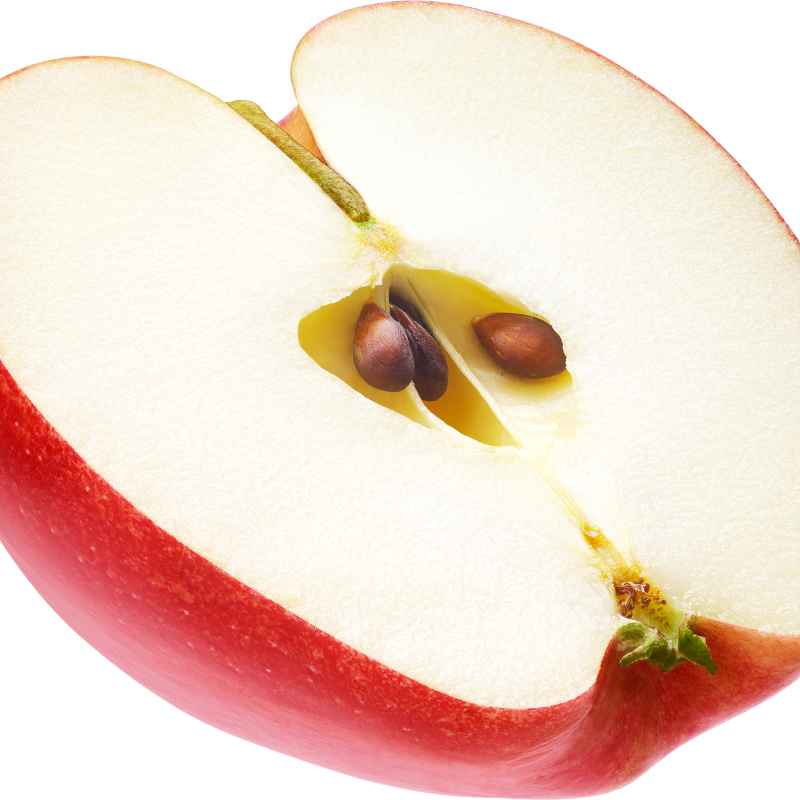
Apple seeds, found within the core of an apple fruit, are the reproductive units from which new apple trees can theoretically grow. Each seed contains the genetic material from its parent tree, though the resulting tree may not be identical to the parent due to cross-pollination. This genetic variability is why grafting is often preferred for commercial apple production, as it guarantees specific fruit characteristics.
The primary reason for understanding when is the best time to plant apple seeds revolves around the concept of stratification. Apple seeds are naturally dormant and require a period of cold, moist conditions to break this dormancy. This process, known as cold stratification, mimics the natural conditions they would experience overwintering in the ground.
Without it, the seeds might not germinate, or germination could be erratic and weak.
Stratification is essentially a biological signal to the seed that winter has passed and it’s safe to sprout. The cold temperatures and moisture break down the hard seed coat and trigger the necessary hormonal changes within the embryo to initiate growth. This natural process is why autumn is considered the prime time for sowing, allowing nature to handle the stratification.
- Apple seeds contain the genetic blueprint for a new tree.
- They are naturally dormant and require a cold period to sprout.
- This cold period is called stratification.
- Stratification mimics overwintering conditions.
- It’s essential for breaking seed dormancy and ensuring germination.
- Without stratification, germination rates are extremely low.

Fall Planting: The Natural Approach
Planting apple seeds in the fall is often considered the easiest and most effective method, especially if you live in a climate with a distinct winter season. When you sow seeds directly into the ground or a pot in autumn, they are exposed to the natural cycle of freezing and thawing temperatures that the seeds need. This allows for an extended period of cold exposure, typically ranging from 60 to 120 days, which is ideal for apple seeds.
The process is straightforward: prepare your seeds by cleaning them and then sow them in a pot filled with well-draining soil. The pot should be placed outdoors in a sheltered location, like a cold frame or a protected garden bed. This allows the seeds to experience the natural fluctuations in temperature and moisture that trigger germination.
The soil should be kept consistently moist but not waterlogged. As spring arrives and temperatures warm, the stratified seeds will naturally begin to sprout.
This method simplifies the process by letting nature do the work. You avoid the need for artificial stratification techniques and ensure the seeds are exposed to the full spectrum of natural winter conditions. It’s important to protect the pots from extreme elements like heavy snowdrifts or prolonged drying out, but otherwise, the seeds are left to stratify undisturbed until the growing season begins.
By the time spring truly arrives, many of your seeds will be ready to push through the soil.
| Fall Planting Method | Description | Pros | Cons |
|---|---|---|---|
| Direct Sowing Outdoors | Sow cleaned seeds directly into a prepared garden bed or container in autumn. | Natural stratification, easy, requires minimal effort. | Requires a winter climate, potential for rodent damage to seeds. |
| Container Sowing Outdoors | Sow seeds in a pot and leave it outside in a protected area through winter. | Easier seed retrieval, more control over soil, protects seeds from some pests. | Requires adequate pot size, still needs protection from extreme weather. |
Fall planting leverages natural winter cycles for optimal apple seed germination.
Indoor Cold Stratification: Mimicking Winter
For those who live in regions with mild winters or prefer a more controlled environment, indoor cold stratification is an excellent alternative. This method involves manually exposing the apple seeds to cold, moist conditions for a specific period, typically 60 to 90 days, before planting them in early spring. It effectively replicates the winter stratification that occurs naturally outdoors.
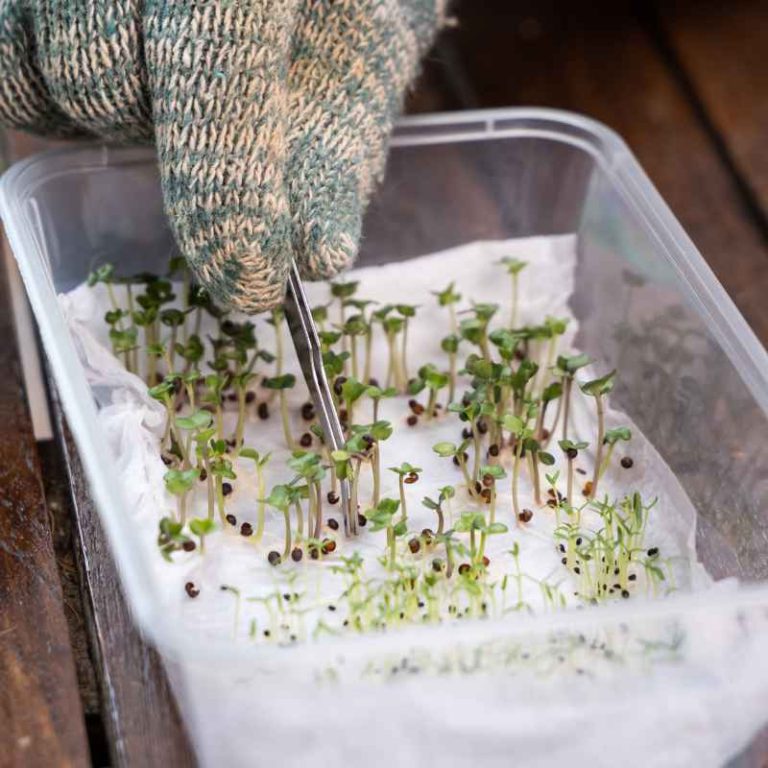
To begin indoor stratification, clean the seeds thoroughly and then place them in a moist medium. Common mediums include damp paper towels, peat moss, or vermiculite. Place this mixture in a sealed plastic bag or container.
Label the bag with the date and seed type, then store it in the refrigerator. It’s crucial to check the medium periodically to ensure it remains moist, adding a few drops of water if it starts to dry out. Avoid over-watering, which can lead to mold or rot.
After the required stratification period has passed, remove the seeds from the refrigerator. They may already show signs of sprouting, with tiny root radicles emerging. These seeds are now ready to be planted directly into pots filled with a sterile seed-starting mix.
Plant them at a depth of about 1/4 inch and keep the soil consistently moist. Place the pots in a warm location with good light. With proper care, you should see germination within a few weeks.
Warning: Over-watering during stratification can lead to mold and rot, destroying your seeds. Ensure the medium is damp, not soggy.
Seed Preparation Steps for Stratification
Before initiating any stratification, whether natural or artificial, it’s wise to prepare your apple seeds. A common step is scarification, which involves slightly nicking or sanding the seed coat to allow moisture to penetrate more easily. This can be done with a small file or sandpaper.
Be careful not to damage the embryo inside. Once scarified (or if you choose to skip this step), clean the seeds thoroughly to remove any residual fruit pulp that could encourage mold.
- Clean the Seeds: Gently wash seeds under running water to remove all traces of apple flesh.
- Dry Briefly: Pat seeds dry with a paper towel.
- Scarify (Optional but Recommended): Lightly nick the hard outer seed coat with a small file or sandpaper. Aim to break the surface without damaging the inner embryo.
- Soak Seeds: Soak seeds in warm water for 24 hours to further encourage moisture absorption.
- Prepare Stratification Medium: Moisten paper towels, peat moss, or vermiculite until damp but not dripping.
- Combine Seeds and Medium: Place seeds in the moistened medium within a sealed plastic bag or container.
- Label and Refrigerate: Mark the bag with the date and content, then place it in the refrigerator (set to around 35-40°F or 2-4°C).
- Monitor Moisture: Check every week or two. If the medium is drying, add a few drops of water.
- Stratification Duration: Continue for 60-90 days for optimal results.
Early Spring Planting: Post-Stratification
If you’ve opted for indoor cold stratification, or if your fall-sown seeds haven’t sprouted by early spring, the next step is to plant them. Early spring, once the risk of hard frost has passed, is the ideal time to sow stratified apple seeds. By this point, the seeds have undergone the necessary cold treatment and are primed for germination as soon as they receive warmth and moisture.
Prepare your pots with a high-quality, sterile seed-starting mix. This mix provides good drainage and aeration, which are critical for young seedlings. Plant the seeds about 1/4 inch deep and cover them gently with soil.
Water the soil thoroughly but gently, ensuring it’s moist but not waterlogged. Place the pots in a location that receives bright, indirect light and consistent warmth, ideally between 65-75°F (18-24°C).
Germination typically occurs within one to four weeks after planting stratified seeds. You’ll see the first tiny green shoots emerge from the soil. Once the seedlings have developed a few sets of true leaves, you can begin to acclimate them to outdoor conditions if you plan to transplant them later.
This gradual exposure helps them adapt to direct sunlight, wind, and fluctuating temperatures, preparing them for life as a young tree. If you’re not transplanting immediately, ensure they have adequate light and continue to water them regularly.
Important: Use sterile seed-starting mix to prevent damping-off disease, a common fungal issue that affects young seedlings.
Germination Rates and Expectations
It’s important to manage expectations when planting apple seeds. Germination rates can vary significantly. While some seeds might sprout readily, others may take longer or fail to germinate altogether.
This variability is due to several factors, including seed viability, the effectiveness of the stratification process, and environmental conditions.
Not all seeds from a single apple will be viable. Apples are often the result of cross-pollination, and some seeds may not be fully developed or genetically capable of sprouting. Even with proper stratification, some seeds naturally have a lower germination tendency.
Therefore, it’s advisable to plant a surplus of seeds if you’re hoping to grow just one or two trees.
The offspring of apple seeds will also exhibit genetic diversity. This means the apple variety grown from a seed will likely be different from the apple the seed came from. This can be exciting if you’re seeking novelty but unpredictable if you’re expecting a specific type of apple.
This is why professional orchards rely on grafting, which clones desirable varieties. However, for the home gardener looking for a unique apple or simply the joy of growing a tree from scratch, seed planting is a worthwhile endeavor.
| Aspect | Fall Planting (Natural Stratification) | Spring Planting (After Indoor Stratification) |
|---|---|---|
| Timing | Late Autumn/Early Winter | Early Spring |
| Stratification Process | Natural, outdoors via winter cold and moisture. | Artificial, indoors via refrigerator storage. |
| Effort Required | Minimal; mostly involves sowing and waiting. | Moderate; requires seed preparation, storage management, and planting. |
| Germination Readiness | Seeds stratify over winter, ready to sprout in spring. | Seeds are ready to sprout immediately upon planting in warmth. |
| Control over Process | Less control; dependent on natural weather patterns. | More control; precise timing and conditions can be managed. |
Choosing between fall and spring planting depends on your climate and desire for control over the stratification process.
Factors Influencing Planting Success
Beyond timing, several other factors significantly influence the success of planting apple seeds. The quality of the seeds themselves is paramount. Seeds from ripe, healthy apples are more likely to be viable than those from unripe or damaged fruit.
The variety of apple can also play a role, with some species having naturally higher or lower germination rates.
Environmental conditions post-planting are critical. For fall planting, adequate moisture is needed to facilitate stratification, but drainage must be excellent to prevent rot. For spring planting, consistent warmth and moisture are essential for germination.
Seedlings are also vulnerable to pests and diseases, so providing a protected environment and using sterile mediums can prevent common issues like damping-off.
The patience of the gardener is also a key ingredient. Growing an apple tree from seed is a long-term commitment. It can take anywhere from 5 to 10 years, or even longer, for a seed-grown tree to produce fruit.
This is considerably longer than grafted trees, which often bear fruit within 2-3 years. Understanding this timeline helps set realistic expectations and ensures the grower is prepared for the journey.
- Seed Viability: Choose seeds from healthy, ripe apples.
- Apple Variety: Some varieties naturally have better germination rates.
- Moisture Levels: Keep soil consistently moist but not waterlogged.
- Temperature: Optimal temperatures for germination are typically 65-75°F (18-24°C).
- Pest and Disease Control: Use sterile mediums and monitor for issues.
- Patience: Seed-grown trees take years to mature and fruit.
Can You Plant Apple Seeds in Spring Without Stratification?
While it’s generally not recommended, you can technically plant apple seeds in the spring without prior stratification, but your chances of success are drastically reduced. Apple seeds have a physiological requirement for a cold period to break dormancy. If you sow unstratified seeds directly into warm spring soil, they likely won’t germinate because they haven’t received the necessary cold signal.
They might remain dormant in the soil for months, or even years, waiting for a cold spell that may never come in the way they need.
In rare cases, some seeds might spontaneously germinate if they’ve been exposed to enough fluctuating temperatures or moisture during storage before planting. However, relying on this is akin to gambling. The germination rate will be very low, and any seedlings that do emerge might be weaker.
For consistent and successful germination, stratification is an almost mandatory step for apple seeds.
Therefore, if you’re planning to plant apple seeds in the spring, the best approach is to perform artificial cold stratification during the preceding winter months. This ensures that when you sow them in the spring, the seeds are ready to sprout and will do so with much higher success rates and more vigor. Skipping this vital step is the most common reason for disappointment when trying to grow apple trees from seed.
Frequently Asked Questions
When is the best time to plant apple seeds for germination?
The best time to plant apple seeds is in the fall to allow for natural cold stratification outdoors over winter. If this is not possible, planting stratified seeds in early spring after a period of artificial cold stratification is the next best option.
How long do apple seeds need to stratify?
Apple seeds typically require a period of 60 to 90 days of cold, moist stratification. Some sources suggest up to 120 days for the best results, especially for seeds from certain varieties.
What are the signs that my apple seeds have stratified properly?
After the stratification period, you might observe signs of germination, such as a swelling of the seed coat or the emergence of a small root (radicle). Even without visible sprouts, if the seeds have been kept consistently cold and moist for the required duration, they are considered stratified and ready for planting.
Will a tree grown from apple seeds produce the same type of apples as the parent?
No, trees grown from apple seeds are unlikely to produce the same type of apples. Apple seeds are the result of cross-pollination, leading to genetic variation. The resulting fruit will be a new, unique variety, which may or may not be desirable.
What is the difference between fall planting and indoor stratification?
Fall planting involves sowing seeds outdoors in autumn, allowing natural winter conditions to stratify them. Indoor stratification is an artificial process where seeds are kept cold and moist in a refrigerator for a set period before being planted in spring. Fall planting is simpler but relies on suitable winter climates, while indoor stratification offers more control and works in any climate.
Final Thoughts
Successfully planting apple seeds hinges on understanding their need for cold stratification. Whether you choose the natural method of fall sowing or the controlled approach of indoor stratification followed by early spring planting, patience and proper preparation are key. By providing the right conditions at the right time, you significantly increase your chances of growing a unique apple tree from a simple seed. For related guidance, see our article on How Many Trees Did Johnny Appleseed Actually Plant? Facts. For related guidance, see our article on How to Plant Lotus Seeds in an Aquarium. For related guidance, see our article on Where Does Mi Gardener Get Its Seeds? Full Breakdown. For related guidance, see our article on How To Plant Curry Leaves From Seeds. For related guidance, see our article on How To Plant Bird Of Paradise Seeds. For related guidance, see our article on How To Plant Purple Shamrock Bulbs.