Should You Germinate Seeds Before Planting? Find Out Now
Every gardener faces a pivotal question when sowing seeds: Should you germinate seeds before planting, or is direct sowing the better route? This decision shapes the fate of your garden, influencing growth rates, yields, and overall plant health. With the resurgence of home gardening and sustainable agriculture, understanding the science and practical benefits behind seed germination is more important than ever.
Seed germination is more than a gardening ritual—it’s a strategic step that can make or break your planting season. Whether you’re growing vegetables, flowers, or trees, the method you choose impacts germination success, resource efficiency, and disease resistance. This article explores the pros and cons, methods, and expert recommendations, helping you decide whether pre-germination fits your gardening goals.
Packed with data, real-world examples, and actionable insights, you’ll discover how a simple choice can transform your growing results.
Key Takeaways
- Pre-germinating seeds can increase germination rates and reduce planting risks.
- Not all seeds benefit from pre-germination; species-specific factors matter.
- Methods include moist paper towel, water soak, and seed trays, each with unique advantages.
- Pre-germination is ideal for short growing seasons and slow-germinating seeds.
- Direct sowing remains best for robust, easy-to-germinate varieties.
- Real-world studies show up to 98% germination success with pre-germination.

Credit: northerngardener.org
Understanding Seed Germination: The Science And Process
Seed germination is the process by which a seed transitions from dormancy to active growth, ultimately producing a seedling. This biological mechanism is influenced by environmental conditions, seed type, and handling techniques. For gardeners, understanding this process is critical to optimizing plant establishment and achieving consistent results.
The Biological Mechanism
A seed’s journey begins with imbibition, the absorption of water, which triggers metabolic changes. Enzymes activate, breaking down stored food and supporting growth. The seed coat splits, and the embryonic root (radicle) emerges, followed by the shoot.
- Water: Essential for activating enzymes and cell expansion. Seeds must absorb water for the internal chemistry to start, but too much water can cause rot.
- Temperature: Most seeds germinate best between 65°F and 75°F (18°C–24°C), but some, like spinach, prefer cooler temperatures. Too cold or too hot can delay or prevent germination.
- Oxygen: Needed for cellular respiration; compacted or waterlogged soils reduce oxygen availability, stalling germination.
- Light: Some seeds require light (e.g., lettuce), others darkness (e.g., phlox), and some are indifferent. Understanding your seed’s preference is vital.
During imbibition, the seed’s metabolism restarts. Stored starches and proteins are converted into sugars and amino acids. The radicle breaks through the seed coat, anchoring the plant. Shortly after, the plumule (shoot) emerges, seeking light to begin photosynthesis.
Factors Affecting Germination
Several variables impact germination rates and seedling health:
- Seed Quality: Fresh, viable seeds germinate more reliably. Old or improperly stored seeds often have reduced viability.
- Seed Dormancy: Some seeds need stratification (cold treatment), scarification (abrasion or nicking), or exposure to chemicals (e.g., gibberellic acid) to break dormancy. For example, many perennial flowers and some trees require months of cold, moist conditions.
- Environmental Conditions: Soil moisture, temperature, and air circulation matter. Fluctuations can either stimulate or hinder germination.
- Seed Depth: Planting too deep or too shallow can hinder emergence. Small seeds often require surface sowing.
- Soil Composition: Heavy clay soils can restrict oxygen, while sandy soils may dry out too quickly.
According to the Wikipedia page on Seed Germination, pre-treatments can dramatically improve outcomes for species with tough seed coats or dormancy requirements, such as lupines or wildflowers.
The Role Of Pre-germination
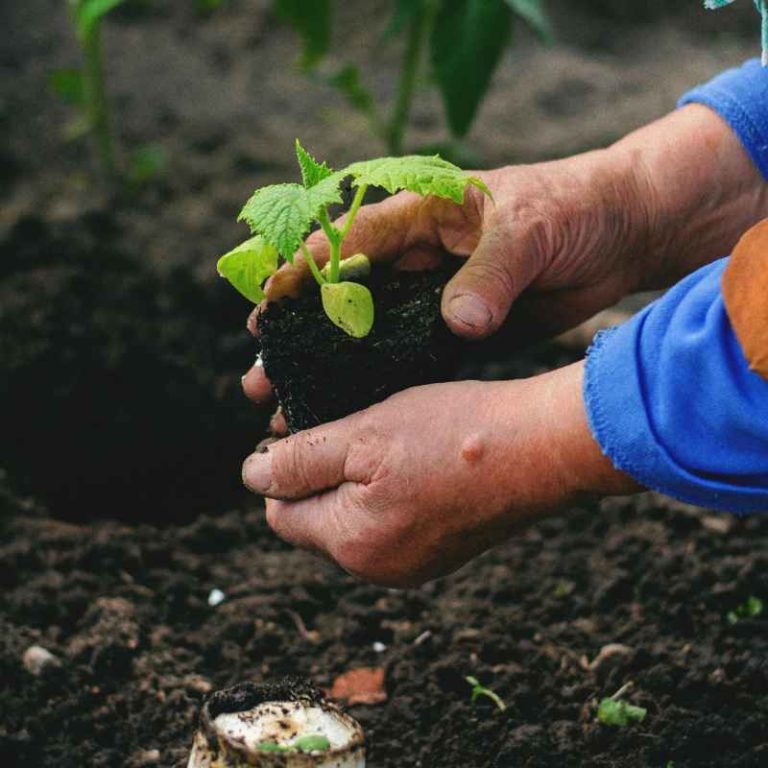
Pre-germination involves initiating the germination process before planting seeds in soil, often using moist paper towels, water-soaked trays, or hydroponic setups. This practice allows gardeners to monitor progress, discard non-viable seeds, and ensure only healthy seedlings are transplanted. Additionally, pre-germination can help synchronize plantings, so that all your seedlings are at a similar growth stage, making ongoing care and harvests more predictable.
This method is especially useful for seeds with erratic or slow germination. For example, peppers and eggplants can take two to three weeks to germinate in cool soil, but only a week in a controlled environment. Pre-germination gives the gardener more control over timing and conditions, enhancing the odds of a uniform, healthy crop.

Credit: www.gardeningnoob.com
Pros And Cons Of Germinating Seeds Before Planting
Choosing whether to germinate seeds before planting hinges on balancing the advantages and drawbacks for your specific situation, crop type, and gardening goals. This decision can affect not only the immediate success of your seedlings but the ultimate yield and health of your mature plants.
Advantages Of Pre-germination
- Higher Germination Rates: Controlled conditions (moisture, warmth) yield success rates up to 98% for certain species, compared to 70–80% via direct sowing. Studies with peppers, tomatoes, and some herbs demonstrate consistently higher rates.
- Early Detection of Viable Seeds: Non-viable seeds are identified and discarded before wasting resources. For rare or expensive seeds, this can save significant costs and disappointment.
- Faster Growth: Pre-germinated seeds establish more quickly, reducing early-stage vulnerability. Gardeners often see seedlings emerge several days sooner, allowing earlier transplanting or harvest.
- Optimized Space Use: Only healthy seedlings are transplanted, minimizing wasted space and soil. This is particularly valuable in limited-space or container gardens.
- Disease Reduction: Limiting soil exposure can reduce risks from soil-borne pathogens. Starting seeds in sterile conditions helps avoid damping-off and other early seedling diseases.
- Better Planning: By knowing exactly how many seeds have sprouted, you can plan your garden layout and resource use with greater precision.
- Enhanced Uniformity: Crops started with pre-germinated seeds tend to be more uniform in size, which is advantageous for both home and market gardeners.
Disadvantages Of Pre-germination
- Labor and Time Intensive: Monitoring and transplanting requires extra effort. Daily checks for moisture, mold, and sprouting are necessary.
- Transplant Shock: Moving seedlings from paper towels or trays to soil can cause stress. Delicate roots may break or dry out, slowing growth.
- Limited Use for Certain Species: Large seeds or those sensitive to root disturbance (e.g., beans, corn) fare better with direct sowing. Root crops like carrots and beets often form forking roots if transplanted.
- Equipment Needs: Requires trays, towels, and climate control for optimal results. This may be a barrier for new or resource-limited gardeners.
- Higher Initial Cost: While pre-germination reduces seed wastage, there may be minor upfront costs for materials like heat mats or humidity domes.
- Potential for Overcrowding: If too many seeds germinate successfully, gardeners may struggle to find space for all seedlings.
Data Comparison Table: Pre-germination Vs Direct Sowing
| Method | Germination Rate (%) | Labor Required | Transplant Shock Risk | Best For |
|---|---|---|---|---|
| Pre-Germination | 90–98 | High | Medium | Slow-germinating, delicate seeds |
| Direct Sowing | 70–85 | Low | Low | Large, robust seeds |
Real-world Example: Tomato Seeds
A study from the University of Minnesota Extension found that pre-germinated tomato seeds had a 98% success rate, compared to 82% for direct-sown seeds, with seedlings appearing up to 7 days earlier. This time advantage can be crucial in regions with short growing seasons, or for gardeners eager to harvest early.
When Should You Germinate Seeds Before Planting?
Not all seeds benefit equally from pre-germination. Understanding the ideal scenarios ensures you maximize yield and minimize effort. Consider the characteristics of your seeds, your local climate, and your personal gardening goals.
Seeds That Benefit Most
- Small, slow-germinating seeds: Lettuce, peppers, tomatoes, herbs. These seeds are often expensive and may have a low natural germination rate, so every viable seed counts.
- Seeds with hard coats: Nasturtium, morning glory, sweet pea. These seeds often take weeks to germinate in soil but can be coaxed to sprout in days with soaking or scarification.
- Rare or expensive seeds: Maximize success and avoid loss. When every seed is precious, pre-germination ensures you don’t waste resources on non-viable seeds.
- Seeds for short growing seasons: Get a head start for crops like peppers or eggplant. In cold climates, this head start can mean the difference between a bountiful harvest and unripe fruit at first frost.
- Ornamental and perennial flowers: Many perennial species, such as delphiniums and some wildflowers, have erratic or slow germination that benefits from controlled pre-germination.
Seeds Suited For Direct Sowing
- Large, robust seeds: Beans, corn, squash. These seeds are designed by nature to sprout in place and often resent transplanting.
- Root crops: Carrots, beets, radishes—transplanting can damage taproots, leading to poor or misshapen harvests.
- Fast-germinating seeds: Zinnias, sunflowers, cucumbers. These seeds usually sprout reliably and quickly in prepared soil.
- Grains and cover crops: These are best sown directly for even coverage and minimal labor.
Case Study: Lettuce Vs Beans
A home gardener in Vermont compared lettuce (pre-germinated) and beans (direct sowing). Lettuce seeds germinated in 2 days with 95% success, while beans sown directly yielded 90% germination with no transplant shock. The experiment confirmed that pre-germination benefits slow and delicate seeds, but robust seeds perform well without it. Additionally, the lettuce seedlings established more uniformly, resulting in a more attractive and productive salad bed.
Climate And Timing Considerations
- Cool climates: Pre-germination enables early planting, extending the growing window. In northern areas, this can allow gardeners to grow crops that might not otherwise mature before frost.
- Warm climates: Direct sowing is often easier and equally effective for many crops, as soil temperatures remain consistently high.
- Rainy seasons: Pre-germination can prevent seed loss due to rot or washout in excessively wet soils.
- Drought-prone areas: Ensuring seeds have already germinated before planting can reduce water use and ensure better establishment.
Checklist: Should You Pre-germinate?
- Is your seed small, slow, or expensive?
- Is your growing season short?
- Does the seed require dormancy-breaking treatment?
- Are you concerned about soil-borne diseases?
- Is your soil temperature currently suboptimal for germination?
- Are you growing in limited space or containers?
If you answered yes to any, pre-germination may be worthwhile.
Credit: growtrax.com
Methods For Germinating Seeds Before Planting
Several techniques can be used to germinate seeds before planting. Each has its advantages and is suited to different types of seeds. Choosing the right method can significantly influence your success rate and ease of transplanting.
Paper Towel Method
The paper towel method is popular for its simplicity and visibility. It’s particularly favored for small seeds or those with erratic germination.
- Moisten a paper towel, place seeds, fold, and seal in a plastic bag.
- Keep warm (65–75°F) and check daily.
- Transplant when seeds sprout roots, ideally when the radicle is just visible.
Advantages:
- Easy to monitor progress—sprouted seeds are easy to identify.
- Minimal equipment needed; can be done with household items.
- Reduces the chance of overwatering or underwatering.
Disadvantages:
- Risk of damaging roots during transplantation if left too long.
- Mold can develop if too wet or if air circulation is poor.
- Not suitable for very large seeds or those with delicate roots.
Tip: Use tweezers or a toothpick to gently move sprouted seeds.
Water Soak Method
Some seeds benefit from soaking in water to soften hard coats and speed up germination.
- Place seeds in a cup of room-temperature water for 12–24 hours.
- Remove and plant after swelling or when a root appears.
Best for:
- Peas, beans, sweet peas, morning glory, nasturtiums, and some tree seeds.
Tip: Change the water if soaking for over 24 hours to prevent stagnation.
Seed Tray Method
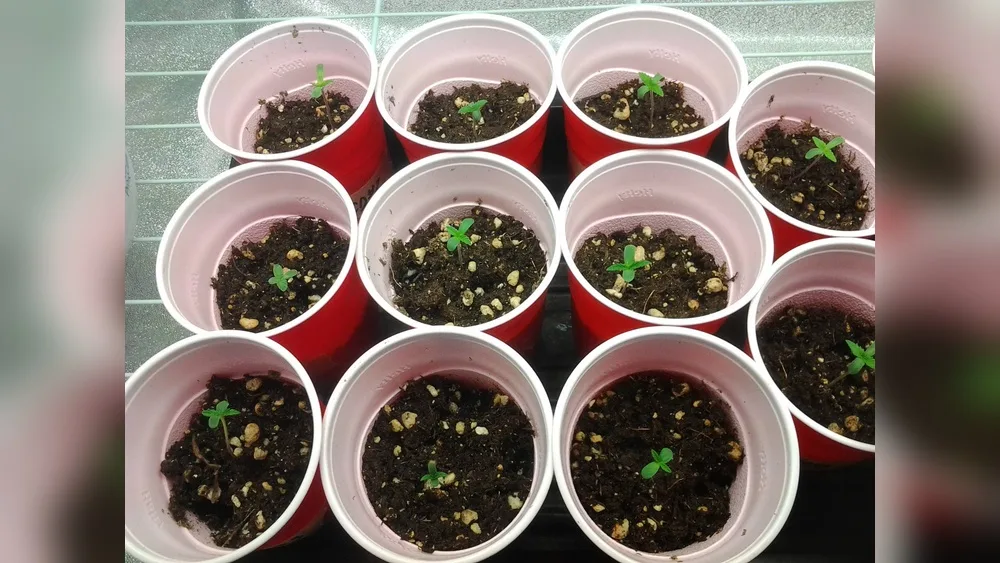
Seed trays provide structure and minimize root disturbance, making them ideal for seedlings that don’t tolerate transplant shock well.
- Fill trays with sterile seed-starting mix.
- Sow seeds, maintain moisture and warmth.
- Transplant when seedlings develop true leaves, holding by the leaves rather than the stem.
Advantages:
- Supports root development; seedlings can grow larger before transplanting.
- Reduces transplant shock if seedlings are moved with soil intact.
- Suitable for most vegetable, herb, and flower seeds.
Disadvantages:
- Requires trays and space; can be more expensive.
- Risk of over- or under-watering if not monitored closely.
Tip: Bottom-watering (watering from below) can help prevent fungal issues.
Hydroponic Starter Cubes
Hydroponic cubes (rockwool, peat pellets) allow for easy transplanting and robust root growth, especially for seeds destined for hydroponic or container gardening.
- Place seeds in moistened cubes.
- Maintain humidity and warmth using a humidity dome or plastic cover.
- Transfer cubes directly to soil or hydroponic system when roots appear.
Advantages:
- Minimal root disturbance; easy transition to next growing stage.
- Consistent moisture and aeration.
Disadvantages:
- Cost of cubes is higher than paper towels or trays.
- Not all seeds perform equally well in hydroponic media.
Comparison Table: Germination Methods
| Method | Best For | Ease of Use | Transplant Shock | Equipment Needed |
|---|---|---|---|---|
| Paper Towel | Small seeds | High | Medium | Paper towel, plastic bag |
| Water Soak | Hard-coated seeds | High | Low | Cup, water |
| Seed Tray | Delicate seedlings | Medium | Low | Tray, seed mix |
| Hydroponic Cubes | Transplanting | Medium | Low | Cubes, humidity dome |
Real-world Example: Pepper Germination
The Gardening Know How site reports that pepper seeds germinated via the paper towel method sprout in 7 days, compared to 14 days in soil, with a 95% success rate. Gardeners also reported stronger, more resilient seedlings using this method.
Additional Tip: Label your containers or bags with seed variety and date to track germination times.
Common Challenges And Solutions In Seed Germination
Pre-germinating seeds offers many benefits, but gardeners face hurdles that can impact success. Understanding these challenges and how to resolve them is crucial. Many failures in seed starting can be traced to preventable issues.
Mold And Fungal Growth
Excess moisture in paper towels or trays can lead to mold. Mold can rapidly destroy batches of otherwise viable seeds, especially in warm, humid environments.
Solutions:
- Use sterilized materials—bake seed-starting mix or use fresh paper towels.
- Ensure proper air circulation; open bags briefly each day.
- Check daily and remove affected seeds; sprinkle a little cinnamon, a natural fungicide, if mold persists.
- Avoid overcrowding seeds, which increases humidity and fungal risk.
Root Damage During Transplant
Delicate roots may break when moving seedlings, resulting in poor establishment or seedling death.
Solutions:
- Transplant as soon as roots appear, before long roots develop.
- Use tweezers, a toothpick, or even a small spoon for gentle handling.
- Moisten soil before transplanting to ease placement.
- For very fragile seedlings, transplant the entire paper towel piece with the root.
Uneven Germination
Some seeds sprout faster than others, creating challenges in timing and care.
Solutions:
- Sort and plant sprouted seeds first; return unsprouted seeds to the germination environment.
- Use consistent temperature and moisture.
- Pre-soak hard-coated seeds to synchronize germination.
Environmental Fluctuations
Temperature swings or low humidity can slow germination or cause desiccation.
Solutions:
- Use heat mats, humidity domes, or controlled environments for steady warmth.
- Place germinating seeds in a consistent environment away from drafts or direct sun.
- Monitor with a thermometer and adjust as needed.
Animal And Pest Interference
Mice, birds, or insects may eat seeds during germination.
Solutions:
- Keep seeds indoors or in protected environments until sprouted.
- Use fine mesh covers or cloches when moving seedlings outdoors.
Case Study: Overcoming Mold In Herb Germination
A gardener in Oregon struggled with mold on basil seeds using the paper towel method. Switching to sterile seed trays and reducing moisture solved the problem, resulting in 92% germination. They also added a small fan nearby to improve air circulation.
Checklist: Troubleshooting Germination
- Is your material sterile?
- Are you checking for mold daily?
- Are you transplanting promptly?
- Is temperature consistent?
- Are seeds spaced out to avoid overcrowding?
- Is there adequate air circulation?
How Pre-germination Impacts Plant Growth And Yield
Pre-germinating seeds not only improves germination rates but also has measurable effects on plant growth, health, and yield. The downstream benefits of robust, healthy seedlings can be seen throughout the plant’s life cycle.
Faster Seedling Establishment
Seeds that begin sprouting before planting skip the vulnerable dormant phase, establishing roots and shoots quickly. This early advantage allows seedlings to access nutrients and light ahead of weeds, leading to stronger initial growth.
- Example: Tomato seedlings from pre-germinated seeds reach transplant size in 10 days, compared to 17 days for direct-sown seeds. This head start can be the difference between a full harvest and a disappointing one in short seasons.
Enhanced Root Development
Controlled germination conditions promote strong, healthy root systems, leading to vigorous growth. Healthy roots translate to better drought tolerance, nutrient uptake, and overall plant resilience.
- Data from the ScienceDirect journal shows improved root mass in pre-germinated lettuce. Larger root systems support greater above-ground growth and improved yields.
Increased Yield
Plants that start strong produce larger harvests. Studies report up to 20% higher yield in crops like peppers and tomatoes when pre-germination is used. The uniformity of emergence also means that entire rows or beds mature at the same time, simplifying harvest.
Reduction In Seed Wastage
By transplanting only viable seedlings, gardeners avoid wasting soil, water, and fertilizer on non-viable seeds. This is especially important for high-value crops or rare varieties.
Improved Disease Resistance
Robust seedlings are less susceptible to pests and diseases. Early establishment can help plants outgrow common threats and recover more quickly from minor setbacks.
Case Study: Commercial Greenhouse Results
A commercial greenhouse in California pre-germinated tomato and pepper seeds, reporting a 15% increase in yield and 30% reduction in seed costs compared to direct sowing. They also noted that pre-germinated seedlings required less thinning and produced a more uniform crop, which is critical for market growers.
Comparison Table: Growth Metrics
| Metric | Pre-Germinated | Direct Sown |
|---|---|---|
| Time to Seedling (days) | 7–10 | 14–17 |
| Yield Increase (%) | 15–20 | 0 |
| Root Mass (g) | 1.5 | 1.2 |
| Seed Wastage (%) | 2 | 12 |
Expert Recommendations And Best Practices
Gardeners, researchers, and agricultural experts offer guidance on when and how to germinate seeds before planting. Incorporating these best practices can dramatically increase your success rate, regardless of experience level.
University And Extension Advice
The National Gardening Association recommends pre-germination for small seeds, slow starters, and crops in short growing seasons. The organization also emphasizes the importance of using sterile materials and proper labeling to avoid mix-ups.
University extension services frequently advise gardeners to pre-germinate seeds indoors if local weather is unpredictable, or if the soil remains cold into spring. They also recommend hardening off seedlings—gradually acclimating them to outdoor conditions—to reduce transplant shock.
Professional Grower Insights
- Use sterile materials and consistent moisture for all germination methods.
- Transplant at the first sign of root emergence to avoid root tangling or damage.
- Avoid pre-germination for large seeds or root crops to prevent growth defects.
- Label and track batches for accurate monitoring and record-keeping.
- Maintain detailed notes on which varieties germinate best under each method.
Best Practices Checklist
- Choose seeds suited for pre-germination.
- Use clean, sterile materials for trays, towels, or hydroponic cubes.
- Maintain consistent temperature and moisture, using heat mats and humidity domes as needed.
- Monitor daily and act quickly to transplant sprouted seeds.
- Transplant gently to minimize root damage, holding seedlings by their leaves.
- Harden off seedlings before outdoor planting for at least a week.
- Keep records of germination rates and methods to inform future plantings.
Real-world Example: Herb Farm Success
An herb farm in New York pre-germinated basil and parsley, achieving 98% germination and higher yields. They credit daily monitoring and sterile trays for their success. By pre-germinating, the farm was able to scale up production efficiently, meeting increased demand from local restaurants.
External Resources For Further Guidance
- Royal Horticultural Society guide to germinating seeds.
- UBC Botanical Garden step-by-step instructions.
- For region-specific advice, consult your local extension office or master gardener program.
Frequently Asked Questions
Is Pre-germinating Seeds Necessary For All Types Of Plants?
No, pre-germination is most beneficial for small, slow-germinating, or expensive seeds. Large seeds or those sensitive to transplanting (like beans or carrots) generally perform well with direct sowing. Always check seed packet recommendations.
How Do I Know When A Seed Is Ready To Be Transplanted?
When the radicle (root) emerges, the seed is ready. Transplant as soon as possible to minimize root disturbance. For seeds in trays, wait until the seedling has its first true leaves. Avoid letting roots grow too long, as they are more easily damaged.
Can I Pre-germinate Seeds Outdoors?
Pre-germination requires controlled moisture and warmth, which is difficult outdoors. It’s best done indoors, then seedlings are transplanted to outdoor beds. Outdoor conditions can be unpredictable, leading to uneven results.
What If My Seeds Don’t Germinate After Pre-germination?
If seeds fail to germinate, check for issues like old or expired seeds, incorrect temperature, or excess moisture. Try a new batch with sterile materials and proper conditions. Some seeds may require special treatments, such as scarification or stratification.
Does Pre-germination Reduce Disease Risk?
Yes, by starting seeds in sterile conditions and transplanting only healthy seedlings, pre-germination reduces exposure to soil-borne diseases and pathogens. This can be especially important in areas with a history of damping-off or other seedling diseases.
How Do I Avoid Transplant Shock When Moving Pre-germinated Seeds?
Handle seedlings gently, holding them by their leaves, and transplant into moist, loose soil. Water immediately after planting and keep the soil consistently moist until seedlings are established. Gradually acclimate seedlings to outdoor conditions.
Should I Fertilize Pre-germinated Seedlings?
Most seeds contain enough nutrients to reach the first set of true leaves. Once transplanted and established, begin a diluted fertilizer regimen appropriate for the crop.
Gardening is both art and science, and the choice to pre-germinate seeds before planting can transform your results. By understanding the biological process, weighing the pros and cons, and applying expert methods, you’ll maximize your germination success and yields. Whether you’re nurturing a backyard vegetable patch or scaling up production, informed decisions about seed germination will help your plants—and your harvest—thrive.
Armed with science-backed techniques and the wisdom of seasoned growers, you’re well on your way to a more productive, resilient, and rewarding garden.