How to Plant Seeds for a Low-Maintenance Landscape
To plant seeds for a low-maintenance yard, choose seed that matches the site, prepare the soil once, sow at the correct depth, and mulch lightly; For mixes, start with about 70% or more low-care native or drought-tolerant seed. Skip those steps, and you can end up with thin patches, weed pressure, erosion, and a bed that needs constant fixing. This guide shows how to seed slopes, borders, and new beds so the planting needs less cleanup, watering, and rework later.
Low-maintenance seed choices by site type



The best seeds for a low-work yard are the ones that fit the site before you buy them. Native plants often fit that bill because they are adapted to local temperatures, humidity, and soil, so they usually need less water and fertilizer once established. Wildflower mixes, ground covers, and drought-resistant seeds each solve a different problem.
Native plants for local conditions
Native seed is a strong default when the goal is fewer inputs after establishment. If the species is suited to your region, it often handles local weather swings, soil chemistry, and seasonal stress with less help than a non-native mix. It also supports birds, beneficial insects, and pollinators.
Do not treat “native” as a guarantee. A native that prefers moist woodland soil will struggle in a hot, dry slope, and a prairie species can fail in heavy shade. Match the plant to the site, not only to the label.
Wildflower mixes for color and coverage
Wildflower mixes can be a low-work option when the mix is built for the site and kept simple. Once established, wildflowers don’t need fertilizing, pruning, or watering. Mixed wildflowers can combine early annual bloomers and perennials, which helps fill bare areas faster while longer-lived plants settle in.
That same mix can turn high-maintenance if it is loaded with aggressive species or if it self-seeds too freely for the space. For a bed near a walkway or lawn edge, choose mixes with a predictable spread habit and avoid species that reseed into places you do not want to mow or pull.
Ground covers for bare soil and slopes
Ground cover plants are useful when you need low-growing, mat-forming growth that blocks weeds and keeps soil from drying out too fast. They are a practical seed choice for bare soil, borders, and slopes because the roots help hold soil together. Ground cover plants can also help under shrubs where mowing is awkward.
For seedable ground covers, the key is patience during the first season. The bed needs good soil contact, steady moisture during germination, and weed control early on. If the site is steep, use a mix or species chosen for erosion control, not a decorative seed blend with weak rooting.
Drought-resistant plants for dry sites
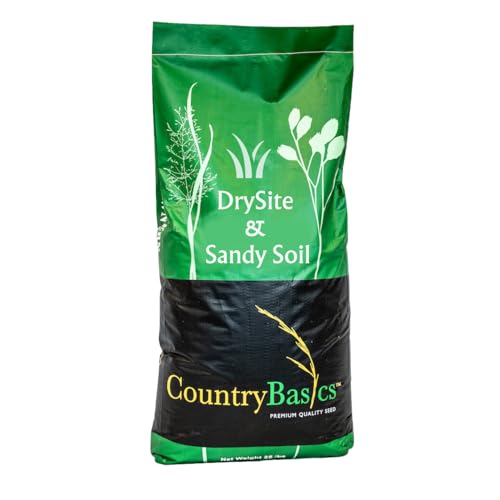
Drought-resistant seed is the first place to look for gravel edges, hot exposures, and water-restricted yards. These plants often do best in full sun and well-drained soil. In gravel-adjacent areas, they can work better than moisture-loving seed that needs regular watering to survive the first summer.
A common first-timer mistake is to buy a drought mix for a dry patch, then plant it in dense, compacted soil that stays wet after rain. Dry-site species still need drainage. The “low water” part comes after rooting, not during the entire establishment period.
Which seeds fit your yard conditions?

Match seed to sun, soil, drainage, and slope before you sow. Full sun, partial shade, and shade each point to different species. Sandy, rocky, acidic, or alkaline soil changes the plant list again. The right match lowers weed pressure because the seedlings fill in instead of stalling.
Sun exposure
Full sun usually gives the most flexibility for low-care seed mixes, especially drought-resistant and many native meadow types. Partial shade narrows the list, and shade narrows it further. Light controls seedling vigor, so a sun-loving mix in deep shade often thins out and leaves room for weeds.
Suppose a front bed gets morning sun and afternoon shade. A mixed seed blend that tolerates both conditions will usually perform better than a sun-only wildflower packet, because seedlings will not stall when the light drops later in the day.
Soil type and drainage
Well-drained soil matters for many low-maintenance species. Sandy soil drains quickly and suits many drought-tolerant choices, while rocky soil can work for hardy natives and dry-site mixes. Heavy clay slows drainage and can favor rot or weak roots unless it is corrected before sowing.
Acidic and alkaline soils also matter. Some seeds will cope across a wide range, but others will fail if the pH is off. Check the packet or species guide for preferred soil conditions before you buy.
Slope, erosion, and runoff
Steep or runoff-prone ground needs roots that bind soil and a planting method that keeps seed from washing away. Ground cover seed and erosion-control mixes fit that job better than loose, widely spaced wildflower seed. Bare slopes also need weed suppression before sowing, or the weeds win the race for light and moisture.
Raised beds can help keep mowing to a minimum around planted areas, and they also make it easier to define the edge of a seeded section. That matters near lawns, where creeping grass can invade a bed before seedlings fill in.
Dry, gravel-adjacent, or water-restricted areas
Gravel gardens can be a low-maintenance alternative where traditional planting is hard to keep alive. A gravel garden setup can use a weed barrier and landscaping grid to reduce upkeep, but that is for gravel garden structure, not for seedbed establishment. If you are seeding, the seed still needs direct soil contact.
Pea gravel tends to be the cheapest gravel option mentioned, but cost alone does not make it a good seedbed. For seed, first clear the surface, prepare exposed soil, and then top-dress lightly after sowing if the species can handle it.
Seed-to-landscape planning table
This table ranks common low-maintenance seed choices by site fit, maintenance, weed pressure, and establishment time. Lower maintenance means less ongoing work after the plant is rooted. Higher weed pressure means the site needs closer early attention. Use slope tolerance and drought tolerance as fit checks, not as promises.
| Seed choice | Best site condition | Expected maintenance | Weed pressure | Establishment time | Slope tolerance | Drought tolerance | Self-seeding risk | First-season care |
|---|---|---|---|---|---|---|---|---|
| Native meadow mix | Local sun or open partial shade with matched soil | Low after establishment | Moderate during first season | One season to fill in, longer for full maturity | Moderate | Moderate to high, depending on species | Low to moderate | Keep evenly moist, thin crowded seedlings, weed by hand |
| Annual and perennial wildflower mix | Open beds, borders, and new color areas | Low if the mix is site-matched | Moderate | Fast color in the first season | Moderate | Moderate | Moderate to high, depending on mix | Water lightly, remove aggressive weeds, cut back as needed |
| Mat-forming ground cover seed | Bare soil, borders, under shrubs, and slopes | Low once rooted | Low to moderate after fill-in | Slower at first, then fills in | High | Moderate to high, species dependent | Low | Water to root, keep weeds out, avoid heavy foot traffic |
| Drought-resistant native mix | Full sun, dry beds, gravel edges, and water-restricted sites | Low | Moderate during establishment | One season or more, depending on species | Moderate | High | Low to moderate | Water sparingly but consistently until rooted, then taper off |
Read the table this way: choose the row that matches your driest, shadiest, or steepest spot first. If two options fit, pick the one with lower self-seeding risk when you want less future cleanup. Pick the one with faster establishment when weed pressure is your main concern.
How should you prepare the bed before sowing?
Prepare the bed by clearing weeds, fixing drainage problems, and making a clean seedbed with good soil contact. Seed will not compete well if old roots, crusted soil, or standing water are still there. The goal is to give seedlings the first root space, not to bury them in a deep, loose mix.
Remove existing weeds and root pieces
Pull or dig out existing weeds before sowing, and remove as much root as possible. If you leave runners, rhizomes, or seed heads behind, they will compete with the new planting and raise future weeding time. For heavy weed pressure, wait for a flush of weeds, remove them, and then sow.
Loosen soil only as needed
Do not overwork the bed. Light loosening is usually enough if the soil is otherwise usable. Break crusted ground, remove rocks that block contact, and rake the surface smooth. Deep digging can bring new weed seed to the top and create uneven settling later.
Fix drainage or runoff issues first
If water pools after rain, correct that before you sow. Seedlings in saturated soil can fail fast, and a low-maintenance yard turns into a replanting project. On slopes, slow runoff with small terraces, shallow basins, or mulch that stays in place without smothering the seedbed.
Set a clean seedbed for good contact
Seed needs contact with soil, not a cushion of debris. After raking, the surface should be firm enough that the seed stays in place, but open enough for tiny roots to enter. That balance helps reduce bare spots, which are the first places weeds take over.
Sowing steps that reduce later work
Good sowing reduces maintenance later because the seedlings establish faster and compete better. Use the right season for your climate, spread seed at the proper rate, cover it lightly or press it in, and water on a simple schedule. Those steps matter more than fancy amendments or heavy fertilizer.
- Choose the right season. Sow when your climate gives the seed its easiest start. Cool-season species usually do better with fall or early spring sowing, while warm-season species often need warmer soil. Follow the packet for the species you chose.
- Measure the area before you buy seed. Underbuying leaves thin patches, and overbuying encourages overcrowding. A thin stand means more weeds. A crowded stand can flop, stretch, or self-thin too hard.
- Spread at the listed rate. Use the packet rate or the supplier’s rate for your seed mix. More is not better. Too much seed creates crowding and weak stems; too little leaves open ground for weeds.
- Cover lightly, or press it in. Small seeds usually need only a very light covering of fine soil, or they can be pressed into firm contact with the seedbed. Larger seeds can be covered a bit more, but still shallowly.
- Water to keep the surface evenly moist. Water gently enough that the seed does not move. During germination, check the bed daily in dry weather and water whenever the surface starts to dry out. After sprouting, shift to deeper, less frequent watering.
Suppose a 12-by-8-foot strip beside a driveway is seeded with a drought mix. If the seed is scattered too thickly, the seedlings crowd, then thin themselves and leave small gaps. Those gaps become weed pockets, which adds more work than a careful pass at the correct rate would have.
Can you seed slopes and erosion-prone spots?
Yes, but the method matters. Slopes do better with ground cover seed or erosion-control mixes that root quickly and hold the soil. The surface should be stabilized before sowing, and the seed should be protected from washout without using fabric under the seedbed. Seed needs soil contact to germinate.
Use ground covers or erosion-control mixes
Choose low-growing, mat-forming species that spread enough to knit the surface together. Ground cover plants can help on slopes because their roots hold soil together. On a steep area, that rooting matters more than flowers that look good in year one but leave bare ground behind.
Stabilize the surface before sowing
If the soil is loose, shape it so water slows down as it moves. Small contours, shallow basins, and a light mulch that stays put can help. On a windy or sloped site, the seedbed should be firm enough that seed does not drift downhill after the first watering.
Avoid fabric that blocks rooting
Do not put fabric under seed. It blocks seed-to-soil contact and can prevent establishment. If you need weed suppression, use site prep, proper spacing, mulch that works with the crop, and fast ground cover. Fabric belongs in some hardscape builds, not under a seeded bed.
Protect seed from washout
In erosion-prone spots, anchor the seed with a light top layer that fits the species. A thin mulch, straw netting designed for establishment, or a gentle press into firm soil can help. The goal is to keep seed where you put it until roots take hold.
What care do seeded plants need after germination?

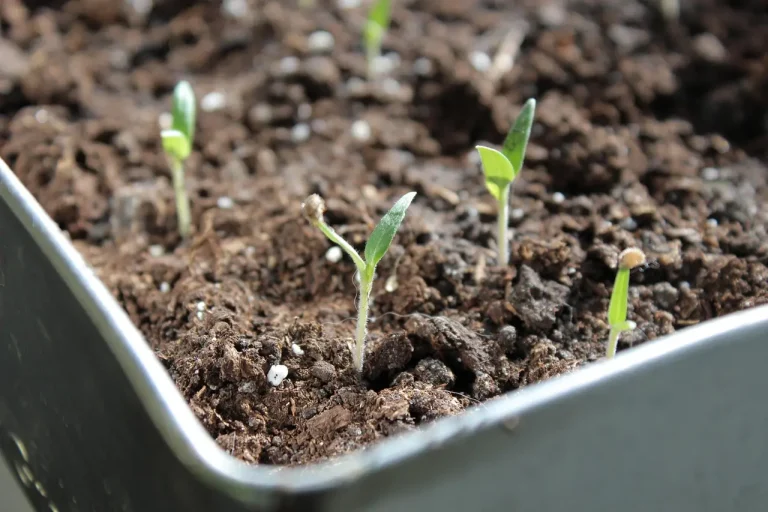
After germination, care should stay simple but steady. Keep watering until roots are established, thin crowded seedlings, pull weeds before they seed, and cut back only when the species needs it. Low-maintenance plantings are not no-maintenance plantings during the first season.
Watering during establishment
Water less often than at germination, but do not let young roots dry out completely. The top layer can dry slightly between waterings, while the root zone stays evenly moist. Once roots reach deeper moisture, the schedule can become much lighter.
Thinning crowded seedlings
Thin seedlings when they are close enough to compete for light and airflow. Crowded plants tend to stay weak, which leaves more room for weeds and disease. Thin to the spacing recommended for the species or mix, and remove weak seedlings rather than letting them all struggle.
Weed control in the first season
Weed control is still important during establishment. Hand-pull weeds while they are small, especially in open patches. A seeded bed that stays mostly clear in the first season usually needs less work later because the chosen plants can close the canopy and shade out new weeds.
Light pruning or seasonal cutback after rooting
Some low-care species need only a light seasonal cutback after they are rooted. Wildflowers may be left standing until late season, then cut back once the seed heads are no longer needed for wildlife or reseeding. Ground covers often need little more than edge control if they start to creep.
Say your seeded border fills in well but leaves a few open patches near the sidewalk. Those spots are where weeds will start first. A quick hand pull and a light top-up of the same seed mix can keep the bed even without redoing the whole planting.
Frequently asked questions
What seeds are best for a low-maintenance yard?
Native seed, drought-resistant seed, ground cover seed, and site-matched wildflower mixes are the best starting points. The best choice is the one that fits your sun, soil, drainage, and slope. A low-care label means little if the species is wrong for the site.
Should I start low-maintenance seeds indoors or sow them outside?
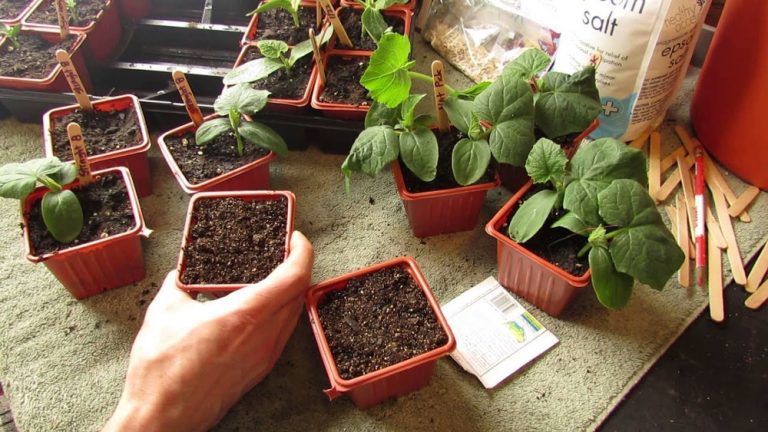
Most low-maintenance yard seed is easier to sow outside unless the packet says otherwise. Direct sowing avoids transplant shock and keeps the roots in place from the start. Indoors makes more sense only for species that need a longer warm start or a protected germination period.
How do I plant wildflower seeds so they come back with less work?
Use a mix that fits your site, seed at the listed rate, and avoid rich soil that pushes weeds harder than the flowers. Once established, wildflowers don’t need fertilizing, pruning, or watering, but the mix should be chosen carefully so aggressive reseeders do not take over.
Do native plants really need less water and fertilizer?
Often yes, but only when the native is suited to your local temperatures, humidity, and soil. Native plants are adapted to those conditions, so they usually need less water and fertilizer once established. A mismatched native can still need extra care if the site is wrong.
How do I keep weeds down after planting seeds in a yard bed?
Start with a clean seedbed, sow at the right rate, and keep the surface evenly moist so seedlings can fill in quickly. Thin crowded seedlings, pull weeds early, and use ground covers where bare soil would otherwise stay exposed. Fast canopy cover is the long-term weed control.
Can I use seeds for ground cover on slopes or tricky areas?
Yes, if you choose a mat-forming or erosion-control species that suits the slope. Ground cover plants can help on slopes because their roots hold soil together. Avoid fabric under the seed, and protect the surface from washout until roots anchor the planting.