When to Plant Zinnia Seeds in Georgia for Summer Success
Zinnias are the vibrant stars of Southern gardens—bringing bursts of color, pollinator activity, and low-maintenance charm to landscapes across Georgia. But timing is everything when it comes to achieving a stunning summer display. Gardeners from Atlanta to Savannah know that planting zinnia seeds at the right moment is crucial for robust blooms and healthy growth.
Whether you’re a beginner or a seasoned horticulturist, understanding Georgia’s climate nuances and soil conditions can be the difference between a flourishing flower bed and a disappointing season.
This guide offers a comprehensive, data-driven look at when and how to plant zinnia seeds in Georgia for maximum summer success. From frost dates and microclimates to proven techniques for seed starting and transplanting, you’ll discover actionable strategies, real-world examples, and expert advice tailored for Georgia’s unique environment.
Let’s unlock the secrets to growing dazzling zinnias that thrive under the Southern sun.
Key Takeaways
- Plant zinnia seeds after the last spring frost, typically late March to early April in Georgia.
- Soil temperature should consistently reach at least 60°F for optimal germination.
- Direct seeding is preferred, but indoor seed starting can extend bloom time.
- Spacing, watering, and disease management are essential for healthy, prolific plants.
- Zinnias attract pollinators and are ideal for cut flower gardens in Georgia.
- Regional microclimates and weather patterns influence planting schedules—adjust accordingly.
Understanding Georgia’s Climate And Its Impact On Zinnia Planting
Georgia’s climate is characterized by humid subtropical conditions, with warm springs, hot summers, and mild winters. These factors influence the best time to plant zinnia seeds and the overall success of your summer flower garden.
Frost Dates And Growing Zones
Georgia spans USDA Hardiness Zones 7b to 9a, with frost dates varying across regions:
- Northern Georgia (Zone 7b): Last spring frost typically occurs between March 20–April 10.
- Central Georgia (Zone 8a): Last frost falls between March 10–March 25.
- Southern Georgia (Zone 9a): Frost rarely persists beyond early March.
Knowing your zone is crucial. Use local resources like the University of Georgia Weather Network to track frost dates.
Understanding these zones and frost dates is more than just a calendar exercise. It’s a predictive tool for successful zinnia planting. For example, in Zone 7b, unexpected late frosts can occur, especially in valleys or low-lying areas. Gardeners often use row covers or temporary plastic tunnels to protect early seedlings, allowing them to push the planting window slightly earlier without risking frost damage.
Temperature And Rainfall Patterns
Zinnia seeds require soil temperatures of at least 60°F for reliable germination . Georgia’s average spring temperatures rise quickly, but rainfall can be variable. Excess moisture may lead to fungal issues, so monitor weather forecasts.
- Average spring rainfall: 3–5 inches/month
- Average spring temperatures: 50–70°F
Spring in Georgia is often marked by warm days and cool nights, which can delay soil warming even when air temperatures seem favorable. Gardeners should remember that soil temperature lags behind air temperature—this is why soil thermometers are recommended for accuracy.
In coastal regions, spring rains may be heavier, while the Piedmont and mountain areas can experience dry spells or late cold snaps.
Overwatering, especially after heavy spring rains, can compact soil and reduce oxygen availability, harming young zinnia roots. To combat this, some gardeners install raised beds or amend soil to improve drainage, especially in areas prone to flooding or water pooling.
Microclimates In Georgia
Urban areas (e.g., Atlanta) may warm faster due to the heat island effect, while rural and mountainous regions remain cooler longer. Adjust planting times accordingly:
- Urban gardens: Plant 1–2 weeks earlier
- Mountain gardens: Plant 1–2 weeks later
Microclimates are influenced by elevation, proximity to water, wind exposure, and surrounding structures. For instance, south-facing slopes warm up quickly and can be planted earlier. Conversely, shaded or north-facing beds may remain cool and damp well into April. In cities, pavement and buildings radiate heat and shelter gardens from wind, accelerating soil warming and reducing frost risk.
Real-world Example: Atlanta Vs. Blue Ridge
In Atlanta, gardeners often plant zinnia seeds in late March, enjoying early blooms by May. In Blue Ridge, waiting until mid-April prevents frost damage and ensures strong seedlings.
Atlanta’s urban microclimate allows residents to push the envelope on planting, sometimes even sowing seeds in raised beds that warm faster than in-ground beds. Meanwhile, Blue Ridge’s elevation (over 1,700 feet) means frost lingers, and gardeners rely on local extension bulletins and personal weather stations to time their plantings.
By respecting these differences, both communities maximize their zinnia displays.
Optimal Timing: When To Plant Zinnia Seeds In Georgia
Timing is the foundation of zinnia success. Plant too early, and frost may kill seedlings; plant too late, and you’ll miss peak summer blooms.
Calculating Your Planting Window
- Identify your last spring frost date using the Georgia Weather Network.
- Wait until soil temperature reaches 60°F—use a soil thermometer for accuracy.
- Plan for direct seeding 1–2 weeks after the last frost.
| Region | USDA Zone | Last Frost Date | Optimal Planting Window |
|---|---|---|---|
| Atlanta | 8a | March 25 | April 1–April 15 |
| Macon | 8b | March 20 | March 27–April 10 |
| Savannah | 9a | March 10 | March 17–March 31 |
| Blue Ridge | 7b | April 10 | April 17–May 1 |
This table provides a quick reference for Georgia’s main regions. If you’re in a microclimate, such as near a lake or in a wooded area, add or subtract a week from these windows as needed. Some gardeners keep detailed journals of past seasons to refine their planting windows—tracking bloom times, frost events, and weather anomalies.
Direct Seeding Vs. Indoor Starting
- Direct seeding: Preferred for zinnias; seeds germinate best in warm soil.
- Indoor seed starting: Can be used to get a jump on the season, sow seeds 4–6 weeks before last frost, then transplant after risk of frost has passed.
Direct seeding allows roots to develop without transplant shock, which is important for zinnias’ fast growth and robust stems. However, indoor starting is beneficial for those wanting early color or who garden in areas with unpredictable spring weather. Indoor seedlings should be hardened off gradually—exposing them to outdoor conditions over a week—to prevent wilting or stunted growth after transplant.
Case Study: Extending Bloom Time
A gardener in Macon starts half her zinnia seeds indoors in early March and direct-seeds the rest in late March. This approach yields early indoor blooms by late April and sustained outdoor color through September.
By staggering planting—indoor and outdoor—this gardener ensures that her landscape is never without zinnias. She notes that indoor seedlings flower two weeks before direct-seeded plants and by sowing another batch in early June, she keeps her garden vibrant until fall.
Risks Of Early Planting
Planting before the soil warms can result in poor germination and increased disease risk. Always use a soil thermometer and consult local weather forecasts.
Late frosts can devastate young seedlings, causing blackened leaves and stunted growth. To mitigate risk, some gardeners sow a small test patch first, then follow with full planting once conditions are proven safe. If a late frost threatens, covering beds overnight with lightweight fabric can save tender sprouts.
Preparing Soil And Site For Zinnia Success
Healthy soil is the backbone of thriving zinnia plants. Georgia’s soils range from sandy coastal loam to clay-heavy Piedmont earth, requiring different preparation strategies.
Soil Requirements
- Well-drained soil: Essential for preventing root rot.
- PH range: 5.5–7.5 (slightly acidic to neutral)
- Organic matter: Enrich soil with compost for better moisture retention and nutrients.
Zinnias tolerate a range of soils but perform best in rich, loose earth. If your soil is compacted or depleted, amending it before planting is essential. Testing soil pH and nutrient levels gives an accurate starting point—many county extension offices offer affordable soil tests with detailed recommendations.
Amending Georgia Soil
- Clay soils: Add compost and coarse sand to improve drainage.
- Sandy soils: Incorporate organic matter to retain moisture.
- Coastal soils: Test for salt content; zinnias tolerate moderate salinity.
Clay soils in the Piedmont can be especially challenging. Some gardeners double-dig beds or create raised beds to increase drainage. Sandy soils, common in South Georgia, dry out quickly—adding peat moss, compost, or well-rotted manure helps retain moisture and nutrients.
Coastal soils may contain salt, especially after hurricanes or storms; zinnias are moderately salt-tolerant, but rinsing beds after saltwater intrusion is recommended.
Site Selection
Choose a location with:
- Full sun (6–8 hours/day)
- Air circulation to reduce disease
- Protection from strong winds
Sun exposure is critical—zinnias planted in partial shade will grow leggy and produce fewer flowers. Air circulation is equally important; crowded beds or sites surrounded by shrubs are more susceptible to fungal diseases. If wind is a concern, planting near a fence or hedge can provide shelter without blocking sunlight.
Soil Preparation Steps
- Test soil pH: Use a home kit or county extension service.
- Till soil to 6–8 inches deep.
- Add compost at a rate of 2–3 inches per square yard.
- Rake smooth and remove debris.
For best results, prepare beds several weeks before planting. This allows amendments to integrate and soil to settle. Raking smooth ensures seeds contact the soil evenly, which aids germination. Removing rocks, sticks, and old roots prevents obstacles for seedlings.
Real-world Example: Soil Transformation In Augusta
A gardener in Augusta transformed heavy clay soil by adding leaf mulch and compost over two seasons, resulting in vigorous zinnia growth and fewer fungal issues.
She began by layering leaf mulch over her beds each fall, then turning it under in spring. This not only improved drainage but also attracted earthworms, which aerated the soil naturally. Her zinnias, previously plagued by rot and mildew, now bloom robustly with minimal intervention.
Credit: bearcreekfarm.com
Best Practices For Planting Zinnia Seeds
Planting zinnia seeds properly maximizes germination and future bloom performance.
Seed Spacing And Depth
- Spacing: 6–12 inches apart for optimal air flow.
- Depth: ¼ inch deep; lightly cover with soil.
Spacing is critical for disease prevention and flower size. Crowded zinnias are more susceptible to mildew and produce smaller blooms. For larger varieties, such as ‘Benary’s Giant,’ aim for 12–18 inches. For compact types like ‘Profusion,’ 6–9 inches suffices. Planting too shallow exposes seeds to drying; too deep can hinder sprouting.
Watering Techniques
- Initial watering: Keep soil evenly moist until germination (7–10 days).
- After germination: Water deeply 1–2 times per week; avoid overhead watering.
Zinnias are drought-tolerant once established but require consistent moisture during germination. Drip hoses or soaker hoses deliver water directly to roots, reducing leaf wetness and disease risk. In sandy soils, water more frequently but with less volume to avoid runoff.
Mulching For Moisture And Weed Control
Apply 2–3 inches of mulch (pine straw, bark, or shredded leaves) to retain moisture and suppress weeds.
Mulching also moderates soil temperature, keeping roots cool in summer heat and preventing rapid drying. Organic mulches break down over time, enriching soil and encouraging beneficial microbes. Pine straw is a popular choice in Georgia for its availability and effectiveness.
Thinning Seedlings
Once seedlings reach 2–3 inches, thin to 12 inches apart for larger plants and improved disease resistance.
Thinning is a step many gardeners neglect, but it’s essential for healthy growth. Overcrowded seedlings compete for resources, resulting in spindly plants and fewer blooms. Use small scissors to snip excess seedlings rather than pulling, which can disturb roots.
Real-world Example: Mulch Success In Savannah
A Savannah gardener uses pine straw mulch, reducing irrigation needs by 30% and boosting zinnia flower production.
She notes that mulching also keeps her beds cleaner, as mud and debris are minimized after rainstorms. Her zinnias remain upright and vibrant throughout the season, with fewer weeds to compete for nutrients.
Managing Growth: Care, Maintenance, And Troubleshooting
Zinnias are low-maintenance but benefit from attentive care, especially in Georgia’s hot, humid summers.
Fertilization
- Base application: Use balanced fertilizer (10-10-10 NPK) at planting.
- Midseason boost: Apply a light dose every 4–6 weeks.
Fertilizing ensures steady growth and abundant blooms. For organic gardens, fish emulsion or compost tea are effective alternatives. Avoid excessive nitrogen, which encourages foliage at the expense of flowers.
Pest And Disease Management
Common issues include:
- Powdery mildew: Prevent by spacing plants and watering at soil level.
- Leaf spot: Remove affected leaves; avoid wetting foliage.
- Aphids and spider mites: Control with insecticidal soap or neem oil.
Georgia’s humidity is the main culprit for fungal diseases. Powdery mildew appears as white patches on leaves, slowing growth and reducing flower quality. Some gardeners spray weekly with a mix of baking soda and water as a preventative. Aphids cluster on new growth; introducing ladybugs or spraying with neem oil helps control them naturally.
Deadheading And Pruning
Regularly remove spent blooms to encourage continuous flowering. Pinch back stems for bushier growth.
Deadheading is more than aesthetic; it signals plants to produce new buds, extending the bloom season. Pruning also helps maintain shape, especially for tall varieties that may flop in heavy rain. Pinching young plants at 6 inches encourages branching and more flowers.
Comparison Table: Disease Resistance By Zinnia Variety
| Variety | Powdery Mildew Resistance | Leaf Spot Resistance | Ideal for Georgia? |
|---|---|---|---|
| ‘Profusion’ Series | High | Moderate | Yes |
| ‘Benary’s Giant’ | Moderate | Low | Yes, with care |
| ‘State Fair’ | Low | Low | Not recommended |
| ‘Zahara’ Series | Very High | High | Excellent |
This table illustrates why ‘Profusion’ and ‘Zahara’ are favored in Georgia. Their genetic resistance means fewer fungicide applications and more reliable performance, even in the muggiest summers.
Real-world Example: Profusion Success In Athens
An Athens gardener switched to ‘Profusion’ zinnias, reducing powdery mildew problems by 80% compared to previous seasons.
She found that even during the wettest summers, her plants remained healthy, allowing her to enjoy vibrant blooms without constant spraying or leaf removal.
Maximizing Blooms: Extending The Zinnia Season In Georgia
Georgia’s long summer gives gardeners opportunities to enjoy zinnia flowers for months.
Succession Planting
Sow seeds every 2–3 weeks from April through July for continuous blooms.
Succession planting is a proven strategy for keeping gardens colorful all summer. By sowing new seeds every few weeks, gardeners ensure that as one batch fades, another is coming into full bloom. This approach is especially valuable for cut flower growers and those who want to maintain pollinator activity throughout the season.
Harvesting For Cut Flowers
- Harvest in early morning for longest vase life.
- Cut stems above a leaf node to encourage regrowth.
- Expected vase life: 7–10 days.
Zinnias are renowned for their vase life and vibrant colors. Harvesting in the cool morning preserves stem hydration. Cutting above a leaf node stimulates new side shoots, doubling bloom production. For extended vase life, remove leaves below the water line and change water daily.
Attracting Pollinators
Zinnias are magnets for bees, butterflies, and hummingbirds. Plant near vegetable gardens for improved pollination.
Zinnias’ open, nectar-rich flowers attract a variety of pollinators, which benefit nearby crops like tomatoes, squash, and cucumbers. Creating mixed beds of zinnias and vegetables promotes biodiversity and reduces pest outbreaks. Many Georgia gardeners report increases in beneficial insects and improved yields when zinnias are integrated.
Real-world Example: Pollinator Paradise In Warner Robins
A Warner Robins gardener integrates zinnias with vegetables, seeing a 40% increase in pollinator visits and improved tomato yields.
She documents the types of butterflies and bees visiting her garden, noting that monarchs and swallowtails are especially drawn to zinnia patches. Her tomatoes, previously slow to set fruit, now produce heavily thanks to the increased pollination.
Choosing The Right Zinnia Varieties For Georgia Gardens
Selecting suitable varieties is crucial for thriving zinnias in Georgia’s climate.
Popular Varieties
- ‘Profusion’ Series: Compact, disease-resistant, ideal for humid regions.
- ‘Benary’s Giant’: Tall, large blooms, great for cut flowers.
- ‘Zahara’ Series: Excellent disease resistance, vibrant colors.
- ‘Cut and Come Again’: Continuous blooms, classic style.
These varieties are bred for performance in challenging conditions. ‘Profusion’ and ‘Zahara’ excel in humid climates with minimal fungal issues. ‘Benary’s Giant’ is a favorite for florists, producing tall stems and massive blooms. ‘Cut and Come Again’ offers longevity and resilience, making it a staple in Georgia gardens.
Specialty Varieties
- ‘Queen Lime’ Series: Unique lime-to-rose shades.
- ‘Oklahoma’ Series: Small, sturdy blooms for bouquets.
Specialty varieties add flair to borders and arrangements. ‘Queen Lime’ stands out in flower shows for its unusual color palette. ‘Oklahoma’ is valued for its sturdy stems and wind resistance, making it ideal for exposed sites.
Comparison Table: Variety Performance In Georgia
| Variety | Height | Bloom Size | Disease Resistance | Best Use |
|---|---|---|---|---|
| Profusion | 12–18” | 2–3” | Excellent | Beds, containers |
| Benary’s Giant | 36–48” | 4–6” | Moderate | Cut flowers |
| Zahara | 12–18” | 2–3” | Excellent | Mass plantings |
| Cut and Come Again | 24–36” | 2–4” | Good | Continuous blooms |
This comparison helps gardeners match variety traits to their landscape goals—whether they seek mass color, show-winning blooms, or reliable disease resistance.
Where To Buy Seeds
Purchase from reputable sources for quality and disease-free seeds. Recommended suppliers:
Local nurseries and garden centers often carry regionally adapted zinnia varieties, which can be more resilient to Georgia’s climate. Shopping local also supports community agriculture.
Real-world Example: ‘queen Lime’ Success In Columbus
A Columbus gardener grows ‘Queen Lime’ zinnias, winning local flower shows with unique colors and robust plants.
She notes that her ‘Queen Lime’ zinnias attract curious visitors and judges alike, standing out among more traditional varieties. Their vigor and disease resistance make them a top choice for competitive gardening.
Sustainable Practices And Advanced Tips For Georgia Gardeners
Modern gardening incorporates sustainability, efficiency, and innovation.
Water Conservation
- Use drip irrigation to minimize evaporation.
- Mulch heavily to retain moisture.
With Georgia’s periodic droughts, water conservation is vital. Drip irrigation systems deliver water directly to roots, reducing waste and preventing disease. Rain barrels and greywater systems are increasingly popular among eco-conscious gardeners.
Integrated Pest Management
- Encourage ladybugs and lacewings to control aphids.
- Avoid broad-spectrum pesticides.
Integrated Pest Management (IPM) focuses on natural controls and minimal chemical use. Planting native flowers alongside zinnias fosters a balanced ecosystem. Hand-picking pests and using targeted sprays only when necessary protect pollinators and beneficial insects.
Organic Gardening
- Choose organic seed sources.
- Use compost and natural fertilizers.
Organic gardening is gaining traction across Georgia. Composting kitchen and garden waste reduces landfill use and enriches soil. Organic fertilizers release nutrients slowly, supporting steady growth without chemical runoff.
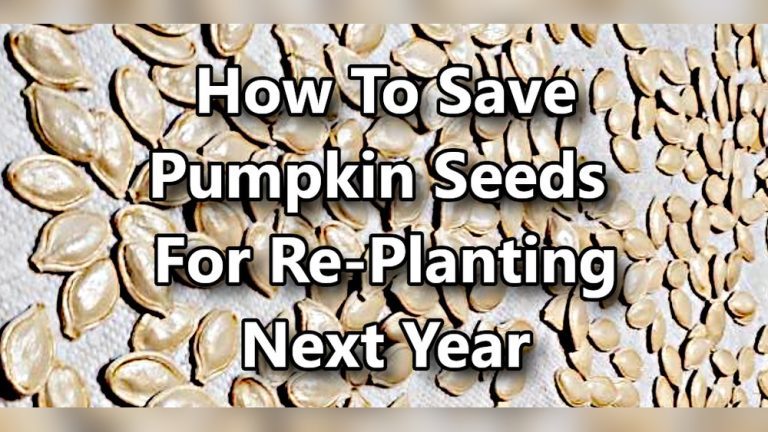
Saving Seeds For Next Year
- Allow flowers to mature fully.
- Collect seeds after petals dry and heads turn brown.
- Store seeds in a cool, dry place for next season.
Saving zinnia seeds is simple and cost-effective. Many gardeners report that saved seeds adapt to local conditions, improving performance each year. Labeling saved seeds by variety and year ensures accurate future plantings.
Case Study: Seed Saving In Valdosta
A Valdosta gardener saves zinnia seeds annually, reducing costs and improving adaptation to local conditions.
She notes that her homegrown seeds germinate faster and withstand local pests and weather better than commercial seeds. Sharing saved seeds with neighbors fosters community and increases biodiversity.
Community Gardening And Education
Georgia’s extension services and gardening clubs offer resources and workshops:
Participating in extension workshops or local gardening clubs connects you with experts and fellow enthusiasts. Many groups offer seed swaps, plant sales, and hands-on training—empowering gardeners with practical knowledge and regional insight.
Frequently Asked Questions
When Is The Absolute Earliest I Can Plant Zinnia Seeds In Georgia?
The earliest you can plant zinnia seeds is 1–2 weeks after your local last spring frost date. For most regions, this falls in late March to mid-April. Planting earlier risks frost damage and poor germination.
Should I Start Zinnia Seeds Indoors Or Direct-seed Them?
Zinnias thrive best when direct-seeded into warm soil, but you can start seeds indoors 4–6 weeks before your last frost for earlier blooms. Transplant carefully after the soil warms.
How Do I Prevent Powdery Mildew On Zinnias In Georgia?
Prevent powdery mildew by spacing plants 12 inches apart, watering at soil level, and choosing resistant varieties like ‘Profusion’ or ‘Zahara.’ Remove affected leaves promptly and avoid overhead irrigation.
What Are The Best Zinnia Varieties For Georgia’s Humid Summers?
Top varieties for Georgia include ‘Profusion’ Series, ‘Zahara’ Series, and ‘Benary’s Giant’ (with care). These resist disease and produce strong blooms in humid conditions.
How Long Will Zinnias Bloom In Georgia’s Summer?
With proper care and succession planting, zinnias can bloom from May through October in most Georgia regions. Deadhead regularly and sow new seeds every few weeks for continuous color.
Planting zinnia seeds at the right time in Georgia is the gateway to a vibrant, pollinator-friendly summer garden. By understanding your local climate, preparing soil carefully, and choosing disease-resistant varieties, you’ll unlock months of spectacular blooms with minimal effort. Whether you’re growing for cut flowers, landscaping, or ecological benefits, zinnias are a rewarding addition to any Georgia garden—bringing both beauty and biodiversity to your outdoor space.