When To Plant Pumpkin Seeds In Ohio
Pumpkins are a hallmark of Ohio’s autumn, adorned on porches, carved for Halloween, and baked into pies for family feasts. Behind every vibrant pumpkin patch, though, lies the critical decision of when to plant pumpkin seeds. For gardeners, farmers, and hobbyists across the Buckeye State, timing is everything.
Plant too early, and unpredictable frosts may kill your seedlings; plant too late, and your pumpkins might not mature before the first freeze. Understanding Ohio’s unique climate, soil conditions, and growing seasons is essential to nurturing a successful pumpkin harvest.
Whether you’re aiming for giant show pumpkins or a bounty of smaller varieties for pies, knowing precisely when and how to plant your seeds makes all the difference. This guide draws from agricultural research, extension advice, and practical experience to help you navigate the nuances of planting pumpkin seeds in Ohio.
From frost dates and soil temperatures to cultivar selection and pest management, you’ll find actionable insights and data-driven comparisons for every step of the process.
Key Takeaways
- Plant pumpkin seeds in Ohio after the last spring frost, typically between late May and early June, when soil temperatures are at least 65°F.
- Soil preparation, variety selection, and site choice greatly influence pumpkin yield and quality.
- Direct sowing is preferred over transplanting for most Ohio gardeners due to pumpkin roots’ sensitivity.
- Common challenges include pests, diseases, and unpredictable weather; proper timing and care can mitigate most risks.
- Harvest usually occurs from late September to October, depending on the variety and planting date.
- Consult local extension resources for county-specific frost dates and growing tips.
Understanding Ohio’s Climate For Pumpkin Planting
Ohio’s climate presents both opportunities and challenges for growing pumpkins. Knowing the local weather patterns and understanding the state’s USDA Hardiness Zones can help you determine the best planting window.
Ohio’s Growing Zones And Frost Dates
Ohio is primarily situated in USDA Hardiness Zones 5b to 6b, with northern counties generally cooler than southern ones. The average last frost date varies by region:
- Northern Ohio: May 10, 20
- Central Ohio: May 5, 15
- Southern Ohio: April 25, May 10
This frost window is crucial, pumpkin seeds are highly sensitive to cold. Planting before the soil and air have sufficiently warmed can stunt growth or kill young seedlings.
Temperature And Precipitation Patterns
Pumpkins thrive when soil temperatures are consistently above 65°F and air temperatures remain between 70, 90°F. Ohio’s spring can be unpredictable, with late cold snaps or heavy rains. In my experience, waiting until mid-May allows both the soil and weather to stabilize, reducing risk.
Rainfall And Soil Conditions
Ohio averages 35, 40 inches of annual rainfall, with well-distributed precipitation during the spring and summer. However, heavy spring rains can lead to waterlogged soil, which is detrimental to pumpkin seeds and seedlings. Ensuring good drainage is key.
Example: Frost Impact In Northeast Ohio
A grower in Ashtabula County planted pumpkin seeds in late April during an unusually warm spring. A May frost destroyed half the seedlings, resulting in a patchy harvest. The following year, delaying planting until after May 15 led to a full, healthy crop.
Best Time To Plant Pumpkin Seeds In Ohio
Pinpointing the exact window for planting pumpkin seeds is essential for maximizing yield and avoiding common pitfalls.
Last Frost Date And Soil Temperature
Pumpkin seeds should be sown one to two weeks after the average last frost date, when the risk of freezing temperatures has passed and the soil is warm. Soil thermometers are inexpensive and offer a reliable check: 65°F at 2 inches deep is the minimum.
| Region | Average Last Frost Date | Suggested Planting Window | Soil Temp. for Sowing |
|---|---|---|---|
| Northern Ohio | May 10, 20 | May 20, June 5 | ≥ 65°F |
| Central Ohio | May 5, 15 | May 15, June 1 | ≥ 65°F |
| Southern Ohio | April 25, May 10 | May 5, May 20 | ≥ 65°F |
Daylight And Growing Season Length
Pumpkins require 90, 120 frost-free days to mature, depending on the variety. Planting after the last frost ensures enough time for fruit to ripen before the first autumn frost, typically in early to mid-October.
Pro Tip:
If you want pumpkins specifically for Halloween, count backwards 110, 120 days from October 31 to determine your ideal planting week.
Direct Sowing Vs. Transplanting
Ohio growers overwhelmingly favor direct sowing, planting seeds directly into the garden, because pumpkin roots are sensitive to disturbance. Transplants are only recommended for short-season varieties or in very northern counties with late frosts.
Example: Timing For Giant Pumpkins
Growers competing in Ohio’s largest pumpkin contests often start seeds indoors in late April and transplant seedlings outdoors after May 20. This method gives giant varieties, which can take up to 130 days to mature, a head start while avoiding frost risk.
Preparing Soil And Site For Pumpkin Planting
Successful pumpkin cultivation in Ohio starts with thoughtful soil and site preparation. The right foundation leads to robust vines and heavy yields.
Soil Type And Drainage
Pumpkins thrive in well-drained, fertile soils with a pH of 6.0, 6.8. Heavy clay soils common in parts of Ohio can hinder root growth and cause waterlogging. Amending with compost or aged manure improves both fertility and drainage.
Soil Testing And Amendment
Conduct a soil test in early spring to assess nutrient levels and pH. Ohio State University Extension offers affordable testing services. Based on test results:
- Add lime to raise pH if needed.
- Incorporate balanced fertilizers (such as 10-10-10) before planting.
- Supplement with phosphorus for root development and potassium for fruit set.
Site Selection
Choose a site that offers:
- Full sun (6, 8 hours/day minimum)
- Protection from prevailing winds
- Ample space for sprawling vines (pumpkin vines can grow 10, 20 feet long)
Bed Preparation
Pumpkins are often grown in hills or mounds spaced 4, 6 feet apart, which warms the soil faster and improves drainage. For row planting, allow 6, 8 feet between rows.
| Planting Method | Spacing | Advantages | Drawbacks |
|---|---|---|---|
| Hills/Mounds | 4, 6 ft apart | Warms quickly, drains well | Requires more space |
| Rows | 6, 8 ft between rows | Efficient for large plots | Risk of compacted soil |
Example: Soil Improvement In Central Ohio
A Franklin County gardener struggled with heavy clay and poor yields. After adding 2 inches of compost and tilling deeply each spring, pumpkin size and vine vigor improved dramatically within two seasons.
Selecting The Right Pumpkin Varieties For Ohio
Choosing the appropriate pumpkin variety is critical for a successful harvest, especially when matching maturity dates to Ohio’s growing season.
Popular Pumpkin Varieties For Ohio
- Connecticut Field: Classic, large orange pumpkins for carving (110 days to maturity)
- Howden: Uniform size, disease-resistant, ideal for Halloween
- Sugar Pie: Small, sweet flesh for pies (95, 100 days)
- Jack Be Little: Miniature pumpkins, mature in 95 days
- Atlantic Giant: Massive pumpkins for competitions (120, 130 days)
Days To Maturity And Purpose
Each variety lists a days to maturity on the seed packet. Select a type that matches your intended use (carving, eating, competitions) and fits within Ohio’s frost-free window.
| Variety | Average Days to Maturity | Primary Use | Notes |
|---|---|---|---|
| Connecticut Field | 110 | Carving | Classic Halloween shape |
| Sugar Pie | 95, 100 | Baking | Sweet, dense flesh |
| Atlantic Giant | 120, 130 | Competition | Needs extra space and care |
| Jack Be Little | 95 | Decorative | Miniature size, quick to mature |
Disease Resistance
Ohio’s humid summers can foster powdery mildew and other fungal diseases. Seek out varieties labeled as disease-resistant to reduce risk and chemical usage.
Heirloom Vs. Hybrid Seeds
Heirloom varieties offer unique shapes and flavors but may lack disease resistance. Hybrids are bred for uniformity and vigor but do not come true from saved seed.
Pro Tip:
Try planting two or three varieties to stagger harvests and reduce risk from pests or weather issues.
Planting Pumpkin Seeds: Techniques And Tips
Planting pumpkin seeds is straightforward, but attention to detail boosts germination and early growth.
Seed Preparation
- Use fresh, high-quality seeds from reputable suppliers.
- Soak seeds for 2, 4 hours before planting to speed germination (optional).
- Discard any cracked or moldy seeds.
Sowing Depth And Spacing
- Plant seeds 1 inch deep in hills or rows.
- Place 4, 5 seeds per hill, thinning to the best 2, 3 seedlings after emergence.
- For rows, space seeds 18, 36 inches apart, thinning as needed.
Watering After Planting
- Water immediately after sowing to settle soil.
- Keep soil consistently moist but not waterlogged until seeds sprout (7, 10 days).
- Avoid overhead watering to prevent damping-off disease.
Mulching And Weed Control
- Apply straw or grass clippings around seedlings to retain moisture and suppress weeds.
- Early weed control is crucial, as pumpkin seedlings compete poorly with aggressive weeds.
Example: Direct Sowing Success In Southern Ohio
A Hamilton County gardener reported nearly 100% germination by waiting until May 15 and planting in well-drained, mulched hills. Early-season weeds were hand-pulled, resulting in vigorous, disease-free vines.
Caring For Pumpkin Plants Through The Ohio Season
Consistent care from germination to harvest is essential for healthy plants and high yields in Ohio’s variable climate.
Fertilizing And Watering
- Side-dress with nitrogen fertilizer when vines begin to run.
- Switch to a phosphorus- and potassium-rich fertilizer as fruits form.
- Water deeply once per week (1, 2 inches), more often during droughts.
- Avoid wetting leaves to reduce fungal disease risk.
Pollination
Pumpkins require bee pollination. Lack of pollinators can result in poor fruit set. Encourage bees by planting flowers nearby and avoiding insecticides during bloom.
Pest And Disease Management
Common Ohio pests and diseases include:
- Squash vine borer
- Cucumber beetle
- Powdery mildew
- Anthracnose
Monitor plants weekly for signs of trouble. Use row covers early, remove infected leaves, and rotate crops to new locations each year.
Pruning And Training Vines
Pruning secondary vines can focus the plant’s energy on fewer, larger pumpkins. In my experience, moderate pruning increases both fruit size and quality in small home gardens.
Example: Pest Control With Integrated Methods
A Licking County pumpkin patch struggled with vine borers. Switching to floating row covers for the first month, then removing them at flowering, drastically reduced pest damage without pesticides.
Harvesting And Storing Pumpkins In Ohio
Harvest timing and handling are crucial for long-lasting, high-quality pumpkins.
Recognizing Maturity
Pumpkins are ready to harvest when:
- The skin is hard and resists puncture by a fingernail
- The rind color is deep and uniform
- The stem begins to dry and brown
Harvest before the first hard frost, typically late September to mid-October.
Harvesting Tips
- Use pruning shears to cut stems, leaving 3, 4 inches attached for longer storage.
- Handle pumpkins gently to avoid bruising.
- Cure pumpkins in the sun for 7, 10 days to toughen the skin.
Storage Conditions
Store pumpkins in a cool (50, 55°F), dry place with good air circulation. Properly cured and stored, pumpkins can last 2, 3 months.
Example: Extending Shelf Life
A community garden in Dayton doubled its pumpkin storage time by curing harvested fruit on wooden pallets in a shaded, well-ventilated shed rather than piling them on the ground.
Common Challenges And Solutions In Ohio Pumpkin Growing
Growing pumpkins in Ohio is rewarding but not without hurdles. Here’s how to address the most frequent issues.
Late Spring Frosts
- Use row covers or plastic tunnels to protect young seedlings if a late frost threatens.
- Keep an eye on forecasts through the National Weather Service.
Heavy Rains And Flooding
- Plant in raised beds or hills to improve drainage.
- Avoid low-lying areas prone to pooling water.
Powdery Mildew
- Space plants for good air flow.
- Use resistant varieties and organic fungicides if needed.
Poor Pollination
- Avoid using broad-spectrum insecticides during bloom.
- Hand-pollinate flowers with a small brush in low-bee years.
Example: Overcoming Disease Outbreak
A Medina County farm faced widespread powdery mildew. Switching to weekly applications of neem oil and increasing row spacing cut disease rates by over half within two seasons.
Frequently Asked Questions
What Are The Best Pumpkin Varieties For Small Ohio Gardens?
For limited space, bush-type pumpkins like ‘Bushkin’ or ‘Jack Be Little’ are excellent choices. These varieties produce compact vines while still yielding good fruit. Dwarf types mature faster and require less maintenance, making them ideal for urban or raised-bed gardens.
Can I Plant Pumpkin Seeds In Containers In Ohio?
Yes, but choose large containers (at least 20 gallons) to allow for root growth. Use a high-quality potting mix and keep the container in full sun. Opt for small or dwarf varieties and make sure to water and feed regularly, as containers dry out faster than garden soil.
How Can I Protect Pumpkin Seedlings From Late Frosts In Ohio?
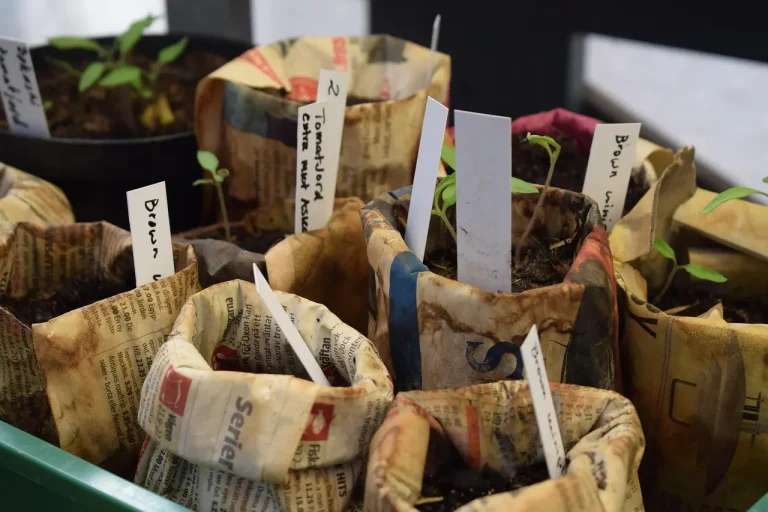
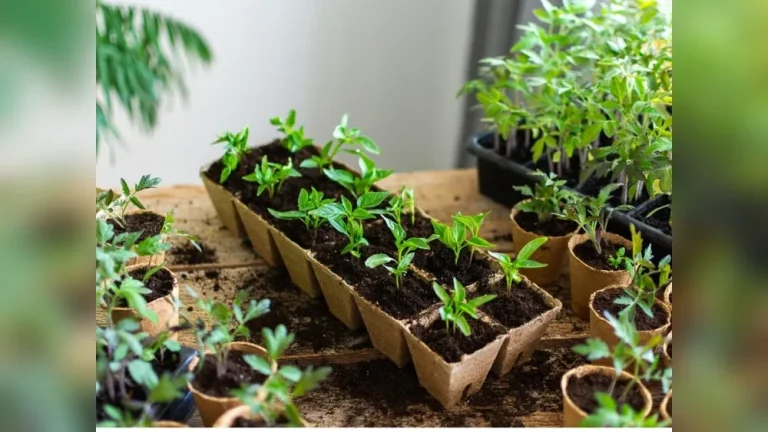
Cover seedlings with floating row covers or old sheets overnight if frost is forecast. Remove covers during the day to prevent overheating. Starting seeds indoors in biodegradable pots is another option, but transplant carefully to avoid root disturbance.
Why Did My Pumpkin Flowers Fall Off Without Forming Fruit?
This is often due to poor pollination or environmental stress. Pumpkins produce male flowers first, followed by females. If bees are scarce or weather is cool and wet, hand-pollinate flowers using a small brush to transfer pollen from male to female blooms.
When Should I Fertilize Pumpkin Plants For Best Results?
Apply a balanced fertilizer (10-10-10) at planting. Side-dress with additional nitrogen as vines start to spread, then switch to a bloom or fruit fertilizer high in phosphorus and potassium once flowers and fruit appear. Over-fertilizing with nitrogen late in the season can lead to lush vines but fewer pumpkins.
As you plan your pumpkin patch in Ohio, timing your planting and preparing your soil are the foundation for success. Whether you’re growing a few pumpkins for your family or a field for market, understanding local climate patterns, variety selection, and ongoing care will help you grow healthy, beautiful pumpkins. For more Ohio-specific growing advice, consult your local extension office or resources like the Ohio State University Extension and the Pumpkin Wikipedia page. With the right knowledge and preparation, you’ll enjoy a bountiful, colorful harvest this fall.