How to Plant Herb Seeds Indoors for a Steady Harvest
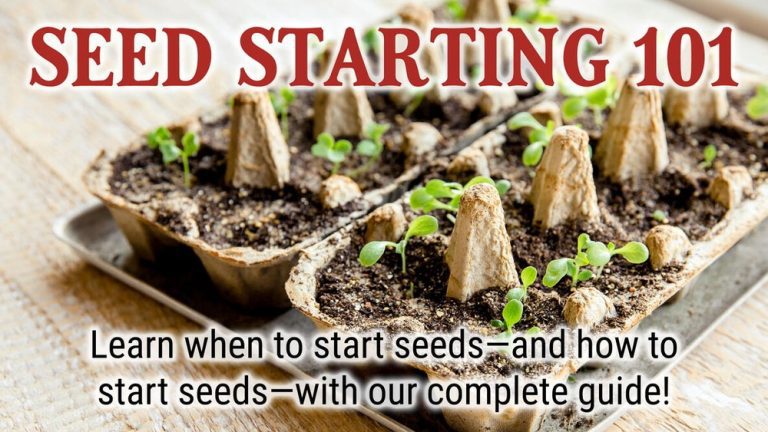
Start herb seeds indoors in staggered waves based on how fast they sprout, how you plan to harvest them, and whether they will stay indoors or be transplanted out. That keeps seedlings maturing in sequence, so you harvest steadily instead of all at once. Sow everything at once and you get one heavy flush, then bare pots and stale leaves. This guide shows which herbs to start first, when to resow, and how to set up light, heat, and pots for continuous kitchen harvests.
Choosing seeds and starting mix



Start with fresh seed packets, then check the packed year, expected germination window, sowing depth, and whether the herb should start indoors or go straight outside. Use a sterile, soilless seed-starting mix, not heavy garden soil, so the surface stays loose, drains well, and still holds enough moisture for sprouting.
Choose fresh seed packets and read the sowing details
A good packet tells you what matters before you sow: when the seed was packed, how deep to cover it, how long germination usually takes, and whether the herb prefers indoor sowing or direct sowing. It also names the variety or cultivar, which matters because different selections can vary in vigor and timing.
For beginner trays, basil, chives, and parsley are often treated as satisfying first-try herbs. Oregano, sage, rosemary, and thyme are often slower and less forgiving for a first tray, so they may be better as a second round once your setup is stable.
Use a sterile seed-starting mix, not garden soil
Seed-starting mix should be sterile and soilless, with a fine texture that drains well but does not dry out too fast. Common variants use peat, coir, perlite, or vermiculite. Avoid garden soil in indoor trays; it is heavier, packs around tiny roots, and is more likely to stay too wet.
Fill clean containers with drainage holes, then level the mix without packing it down hard. A loose surface helps tiny seedlings emerge and lowers the risk of crusting on top of the tray.
Set up drainage, labels, warmth, and bottom watering
Use a bottom-watering tray so moisture moves upward gently instead of blasting seeds out of place. Labels matter once you plant more than one herb, because sprout timing and transplant timing are not the same across species. Warmth also matters during germination, especially for basil and other warm-season herbs.
- Set containers in a clean tray with drainage.
- Moisten the mix before sowing so it is evenly damp, not soggy.
- Label each row or cell before the seed goes in.
- Place seeds at the correct depth from the packet.
- Set the tray where it stays warm and easy to check daily.
Which herbs should you start indoors?
Start herbs indoors when they benefit from warmth, an earlier start, or careful spacing you can control in trays. Basil is the clearest indoor candidate because it is warm-season, fast to germinate, and commonly started indoors first. Parsley also works indoors, but it asks for more patience. Cilantro and dill are often easier as direct-sown cool-season herbs outdoors.
Best beginner picks for indoor sowing
Basil is the easiest place to learn the rhythm of indoor herb sowing because it sprouts quickly, likes warmth, and responds well to repeated harvest. Chives also fit a first tray. They give you useful practice with timing, light, and thinning without asking for the same level of precision as slower woody herbs.
Slower herbs that need patience
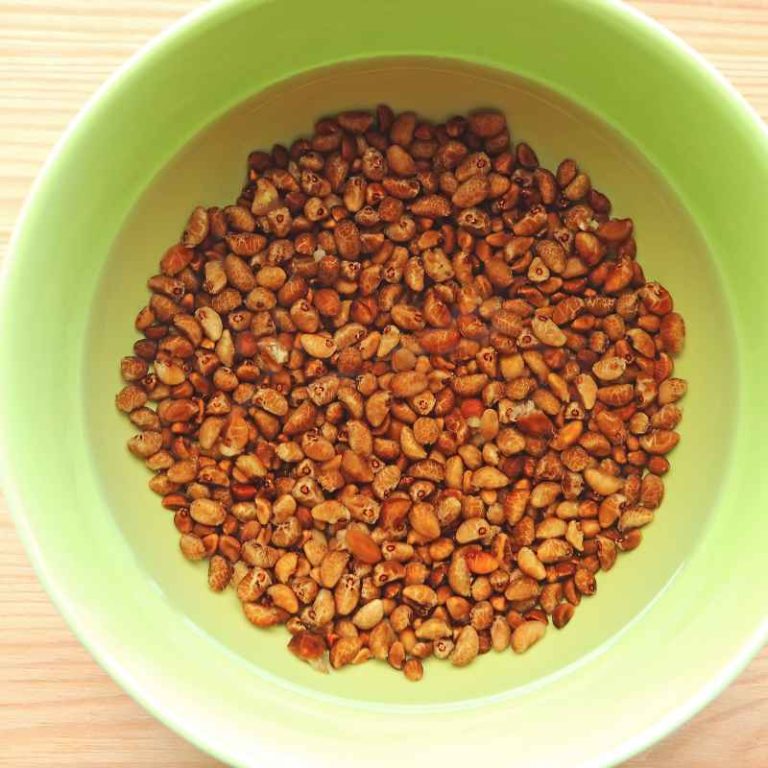
Parsley is the main patience herb in many kitchen setups. It may benefit from pre-treatment, which can help when sprouting is uneven. Oregano, sage, rosemary, and thyme tend to be slower and less forgiving in a first tray, so they are better once your light and moisture routine is steady.
Herbs better direct-sown outdoors
Cilantro and dill are often better direct-sown outdoors after the soil can be worked. They dislike root disturbance, and both can bolt when warm conditions arrive too fast. If you do start them indoors, handle them lightly and move them early, before roots knit into the tray.
Suppose you sow cilantro and basil in the same tray on the same day. Basil may be ready for handling first, while cilantro can lag and then react badly if you tug it from a crowded cell too late. Staggering them in different waves gives each herb the right pace.
How deep should you plant herb seeds?
Most herb seeds need only a light cover, but the exact depth depends on the packet and the seed itself. Follow the packet for depth first, because seed size and variety matter more than a one-depth-fits-all rule.
Follow packet depth instructions
Use the packet as the final word on depth. If it calls for a light cover, sift a thin layer of mix over the seed rather than pressing it deep. Larger herb seeds can usually take more cover than tiny ones, but the surface should still look loose and airy.
Surface-sow tiny seeds that need light
Some tiny seeds can sit on top of the mix. That is common for herbs whose seeds are so small that burying them slows emergence. After sowing, mist lightly or water from below so the seed settles into the surface without washing away.
Keep the mix lightly covered, not packed
Cover seeds lightly, then stop. Packed soil blocks oxygen and can create a crust that seedlings struggle to break. A thin layer of mix, or no cover at all for the smallest seed, gives the best balance of moisture and access to air.
How do you keep seedlings warm and moist?
Keep the tray evenly moist and warm until sprouts appear, then switch quickly to growth conditions. A humidity dome or clear cover helps hold surface moisture in dry rooms, but it should come off as soon as sprouts appear. After that, stale humid air does more harm than good.
Use a humidity dome until sprouts appear
A humidity cover reduces surface drying and helps germination in dry rooms. That is useful while seeds are still underground. Remove the cover as soon as sprouts appear, because covered seedlings can sit in stale humid air and stay too wet at the stem line.
Keep the mix evenly moist with bottom watering
Bottom watering protects tiny seeds from washout and keeps tender stems dry. Set the container in water, let the mix wick moisture upward, then remove it once the surface feels evenly damp. The mix should stay moist, not soaked. If water pools on top, it is too wet.
Watch for stale air and remove the cover on time
Once seedlings break the surface, remove the dome and improve air movement. That simple switch lowers rot pressure and keeps the tray from becoming a sealed chamber. A common first-timer mistake is leaving the cover on because one tray still looks dry; the fix is to water from below, then uncover.
How much light do herb seedlings need?
Seedlings need strong light after sprouting, and weak window light is often not enough on its own. A south-facing window is only a good option if it receives strong light for at least half the daylight hours. When the window is weak or the season is dark, use a full-spectrum LED grow light.
When a windowsill is enough
A south-facing window can work if it gets strong light for at least half the daylight hours and the seedlings stay compact. If stems lean toward the glass, stretch fast, or lose color, the window is not enough. Herbs that stretch early usually need more intensity than glass alone can provide.
When to add a full-spectrum LED grow light
Use a full-spectrum LED grow light when window light is weak, days are short, or seedlings begin to tilt and elongate. The light should sit 2 to 4 inches above the leaves, not across the room. That close position helps keep stems short and leaves dense.
How close to place the light and how to use a timer
Keep the light 2 to 4 inches above seedlings and raise it as they grow. A timer keeps day length steady, which matters more than turning the light on and off by guesswork. Strong, close light is one of the simplest ways to stop leggy growth indoors.
Say your basil seedlings are 4 inches tall and leaning like wire by day six. The fix is usually not more water. It is stronger light, placed 2 to 4 inches above the leaves, plus a quick check that the tray is not crowded.
Herb sowing table
This table maps an indoor sowing rhythm for eight common herbs and a continuous kitchen harvest plan. Use it to stagger fast, medium, and slow sprouters so harvests do not all peak together. The first harvest estimate assumes seedlings get strong light, proper spacing, and timely thinning. If a row mentions frost or outdoor timing, treat that as a reference point for transplant handling, not the main indoor harvest plan.
| Herb | Sowing window | Expected sprout range | First harvest estimate | Re-sow interval | Handling note |
|---|---|---|---|---|---|
| Basil | First wave; about 6 to 8 weeks before last spring frost | 5 to 10 days | 4 to 6 weeks after sprout | Every 2 to 3 weeks | Thin, then transplant after first true leaves |
| Chives | First wave | 10 to 14 days | 6 to 8 weeks after sprout | Every 3 to 4 weeks | Thin; transplant when crowded |
| Parsley | First or second wave | 14 to 28 days | 8 to 10 weeks after sprout | Every 3 to 4 weeks | Thin carefully; transplant after first true leaves |
| Cilantro | First wave, if started indoors | 7 to 10 days | 3 to 5 weeks after sprout | Every 2 weeks | Direct-sow outdoors is often better; avoid root disturbance |
| Dill | First wave, if started indoors | 7 to 14 days | 4 to 6 weeks after sprout | Every 2 to 3 weeks | Direct-sow outdoors is often better; avoid root disturbance |
| Oregano | Second wave | 7 to 21 days | 6 to 8 weeks after sprout | Every 4 weeks | Thin and pot up after true leaves |
| Thyme | Second or third wave | 14 to 28 days | 8 to 10 weeks after sprout | Every 4 weeks | Thin lightly; transplant once sturdy |
| Sage | Second or third wave | 14 to 21 days | 8 to 10 weeks after sprout | Every 4 weeks | Thin and transplant after true leaves |
When should you thin or transplant seedlings?
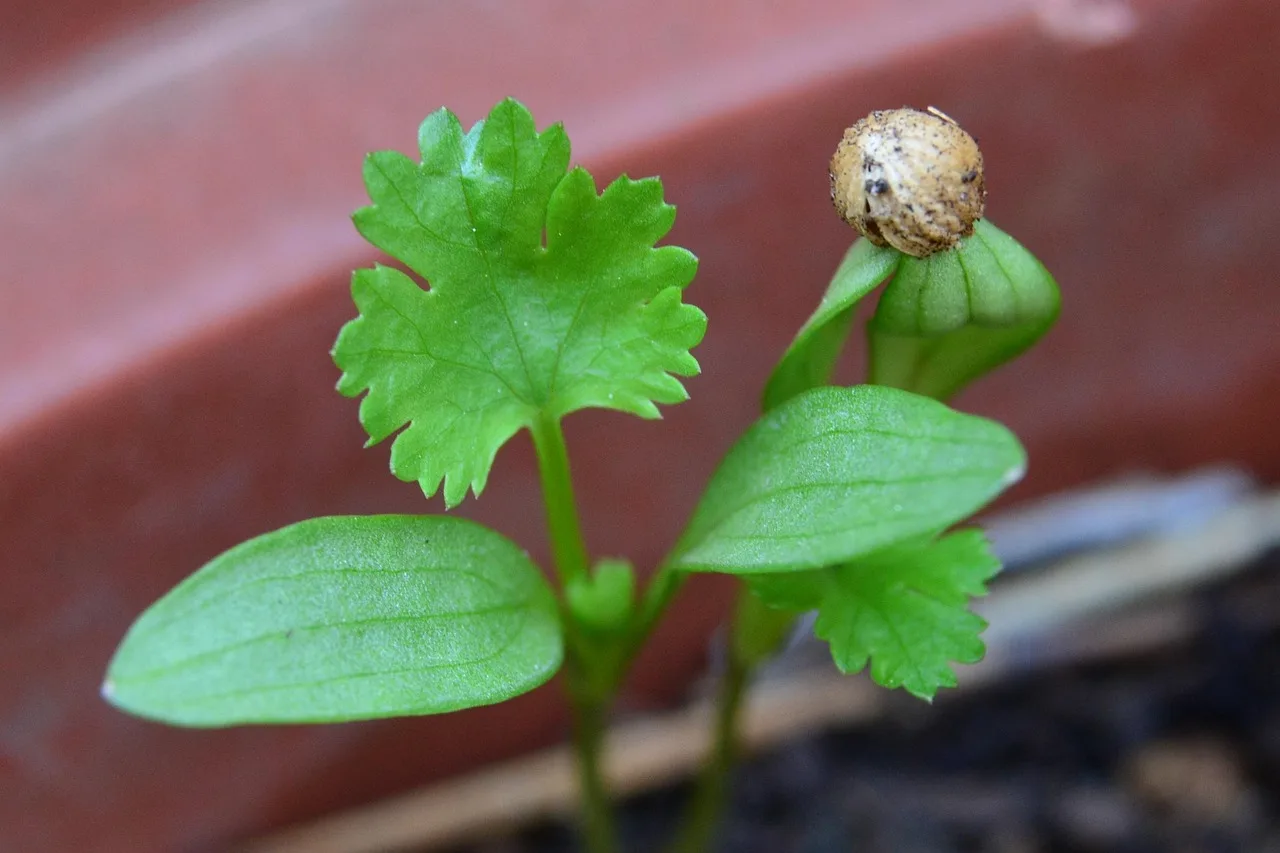
Use the first set of true leaves as the handling cue. True leaves appear after the cotyledons, the first seed leaves, and they tell you the plant is ready for a lighter crowding load or a new pot. That is the point to thin, transplant, or move to larger containers.
Use true leaves as the handling cue
True leaves look like the herb’s normal foliage, not the smooth seed leaves that come up first. When they appear, seedlings can usually handle thinning or transplanting. Waiting much longer lets roots tangle, which makes the move harder on basil and other tray-grown herbs.
Thin crowded seedlings before they compete
Two or three seeds per cell improves the odds of getting one final plant, but it also means thinning is part of the plan. Snip extras at the soil line rather than pulling them out, so you do not disturb the roots of the one you want to keep. Leave the strongest seedling standing.
Pot up seedlings that outgrow the tray
Move seedlings to larger pots when roots fill the cell, tops crowd each other, or the tray dries too fast between waterings. Basil usually responds well to a timely transplant. Cilantro and dill are less tolerant of root disturbance, so if you start them indoors, move them early and gently.
Picture a 6-cell tray of parsley where three seedlings share each cell and all have true leaves. Thin down to one plant per cell, then give the survivors stronger light and a little more space. That change keeps the growth rhythm going instead of forcing all six to compete in a small tray.
How to keep harvests coming
Harvest small amounts often, then resow on a schedule. The steady system comes from alternating sowing waves, not from one huge tray. Basil can be cut repeatedly once it is established, while slower herbs like parsley need a longer runway before the first cutting.
Frequently asked questions
Which herb seeds are easiest to start indoors?
Basil and chives are often the most forgiving first-tray choices. Basil is the fastest and most forgiving of the group for many beginners. Parsley is slower, but still practical if you are patient and keep the mix lightly moist rather than wet.
How much light do herb seedlings need indoors?
They need strong light after sprouting. A south-facing window is only enough if it gets strong light for at least half the daylight hours. If seedlings stretch, tip, or pale out, add a full-spectrum LED grow light 2 to 4 inches above the leaves and use a timer for steady day length.
How deep should I plant herb seeds in pots?
Follow the packet first. Most small herb seeds need only a light cover, and some tiny seeds can sit on top. Keep the covering loose, not packed, so air and moisture can reach the seed. If a packet gives a depth in inches, use that value instead of guessing.
When should I thin or transplant herb seedlings?
Thin or transplant when the first true leaves appear. That is the point at which the seedling is sturdy enough for handling. If several seedlings share one cell, keep the strongest one and snip the rest at the soil line. For herbs like basil, move them before roots bind tightly.