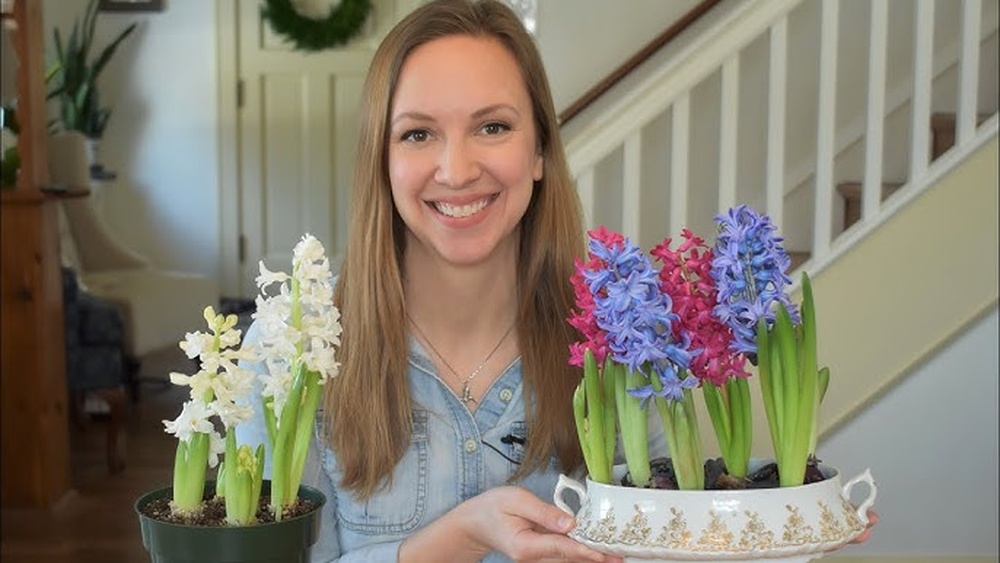
How to Plant a Hyacinth Bulb in Water for Indoor Blooms
The sight of vibrant hyacinth blooms unfurling indoors in the midst of winter is nothing short of enchanting. For many garden enthusiasts and beginners alike, growing hyacinths in water offers a fascinating and rewarding way to bring spring’s fragrance and color into their homes long before the outdoor garden awakens. This method, also known as forcing hyacinth bulbs, requires no soil and minimal mess, making it ideal for apartments, offices, and anyone eager to experience the magic of bulbs blooming up close.
The process of planting a hyacinth bulb in water is both a science and an art. It involves selecting the right bulb, preparing it for indoor growth, and providing the ideal conditions for roots and blooms to develop. With the right guidance, patience, and attention to detail, you can enjoy bold, fragrant blossoms that brighten any indoor space.
This guide walks you through every essential step, backed by research, expert tips, and real-world examples, so you can confidently cultivate your own indoor hyacinth display.
Key Takeaways
- Planting hyacinth bulbs in water is a clean, space-efficient way to enjoy spring blooms indoors during winter.
- Proper bulb selection, chilling, and water management are essential for successful growth.
- A hyacinth glass or vase is the best container, but alternatives exist for creative displays.
- Indoor hyacinths provide intense fragrance, vivid color, and educational value.
- The process is accessible for beginners and rewarding for experienced gardeners.
Credit: www.agardenforthehouse.com
Understanding Hyacinths: The Basics
What Are Hyacinths?
Hyacinths (Hyacinthus orientalis) are perennial bulbs native to the Mediterranean and southwestern Asia, renowned for their dense spikes of fragrant, colorful flowers. Each bulb produces a single flower stalk with up to 40 florets, creating a dramatic indoor display. Hyacinths were first cultivated in Turkey and introduced to Europe in the 16th century, quickly gaining popularity for their scent and beauty.
Hyacinths have become symbolic of renewal and spring in many cultures. Their striking blue, pink, white, and purple hues, combined with their intoxicating scent, make them a favorite for both indoor and outdoor displays. Notably, hyacinths are also celebrated during festivals such as Nowruz (Persian New Year) and are used in arrangements for religious and cultural ceremonies, underscoring their global appeal.
Why Grow Hyacinths In Water?
Planting hyacinth bulbs in water—often called hydroponic forcing—eliminates the need for soil and allows for a clean, visually appealing growing experience. This method:
- Enables close observation of root and shoot development, which is especially valuable for educational purposes and for those interested in plant biology.
- Is less messy than traditional potting, eliminating the risk of soil spills and making cleanup easier.
- Works well in small spaces, as containers can be placed on windowsills, desks, or shelves without requiring extensive surface area.
- Allows for earlier blooms, often in midwinter, providing a much-needed burst of color and scent during the coldest months.
In addition, water forcing is an excellent way to introduce children to gardening, as they can watch roots and shoots emerge in real time, fostering curiosity and appreciation for nature.
Hyacinth Bulb Anatomy
Understanding the structure of a hyacinth bulb helps ensure proper handling and successful forcing:
- Basal plate: The flat bottom from which roots emerge. This is the critical point that must be positioned just above the water to encourage healthy root growth.
- Scales: Fleshy layers that store nutrients. These layers act as the bulb’s energy reservoir, supporting the plant during its flowering cycle.
- Flower bud: Pre-formed within the bulb, ready to grow. The bud contains all the necessary components for the future flower, making hyacinths especially reliable for indoor forcing.
- Tunic: The papery outer covering for protection. The tunic shields the bulb from injury and infection during storage and handling.
Popular Hyacinth Varieties For Indoor Forcing
Some cultivars are especially suited for water forcing due to their robust blooms and compact growth:
- ‘Delft Blue’: Classic light blue, strong fragrance. This variety is often recommended for beginners due to its consistent performance.
- ‘Carnegie’: Pure white, elegant and striking. Its neutral color blends seamlessly into any decor.
- ‘Pink Pearl’: Vibrant pink, excellent for indoor displays, offering a cheerful and warm presence.
- ‘Jan Bos’: Deep red, dramatic appearance, and ideal for making a bold statement.
Other notable varieties include ‘City of Haarlem’ (yellow), ‘Woodstock’ (rich purple), and ‘Gypsy Queen’ (salmon-pink), each offering unique color options and varying scent intensities. For more about hyacinth varieties, see the Wikipedia page on Hyacinthus orientalis.

Credit: www.thrive.org.uk
Selecting And Preparing Hyacinth Bulbs
How To Choose Quality Bulbs
Not all bulbs are created equal. For the best indoor results, select:
- Large, firm bulbs (16 cm circumference or greater). Larger bulbs generally produce more substantial blooms and are less prone to disease.
- Bulbs labeled as “prepared” or “for forcing”, pre-treated for indoor bloom. These bulbs have been exposed to chilling, ensuring reliable flowering.
- Bulbs free from mold, soft spots, or cuts. Inspect each bulb closely, as any sign of damage or decay can compromise the entire forcing process.
High-quality bulbs deliver stronger stems, more vibrant flowers, and reduce the risk of disease. When purchasing, ask for bulbs specifically intended for forcing, as some varieties are bred for outdoor use and may not adapt well to indoor hydroponic conditions.
Where To Buy Hyacinth Bulbs
- Local garden centers and nurseries in autumn, where staff can advise on suitable varieties and provide hands-on selection.
- Online retailers specializing in bulbs (e.g., White Flower Farm), offering a wider range of cultivars and often detailed care instructions.
- Specialty bulb suppliers for rare varieties, such as heritage bulbs or unusual color options.
Purchase bulbs in early fall for best selection. Availability tends to decrease as the season progresses, and late-purchased bulbs may have already begun to dry out or lose viability.
Bulb Preparation: Chilling Requirements
Hyacinths require a cold period to initiate flowering. This mimics winter dormancy and is critical for indoor forcing.
- Chilling time: 10–14 weeks at 35–48°F (2–9°C). The length of chilling can affect both bloom quality and timing.
- Method: Place bulbs in a breathable bag in the refrigerator, away from fruit (which emits ethylene gas). Ethylene can trigger premature aging or inhibit flowering.
- Some bulbs are sold pre-chilled—check labels. Pre-chilled bulbs save time and are ideal for those who want faster results.
If you lack refrigerator space, alternative chilling locations include cold garages or garden sheds, as long as temperatures remain consistent and above freezing.
Cleaning And Prepping The Bulbs
- Gently remove any loose outer tunic but do not damage the basal plate. This helps minimize the risk of fungal infections.
- Discard bulbs showing signs of rot or disease. Even a single diseased bulb can spread problems to others if stored together.
Example: Chilling Success Story
A classroom in Minnesota chilled their hyacinth bulbs in a dedicated fridge for 12 weeks, then forced them in water. The result: 95% of bulbs flowered within 20 days, providing a fragrant, educational experience for students. Teachers reported that students became more engaged in science lessons, and the blooms created a positive atmosphere in the classroom.

Credit: www.thrive.org.uk
Choosing The Right Container: Hyacinth Glasses And Alternatives
The Classic Hyacinth Glass
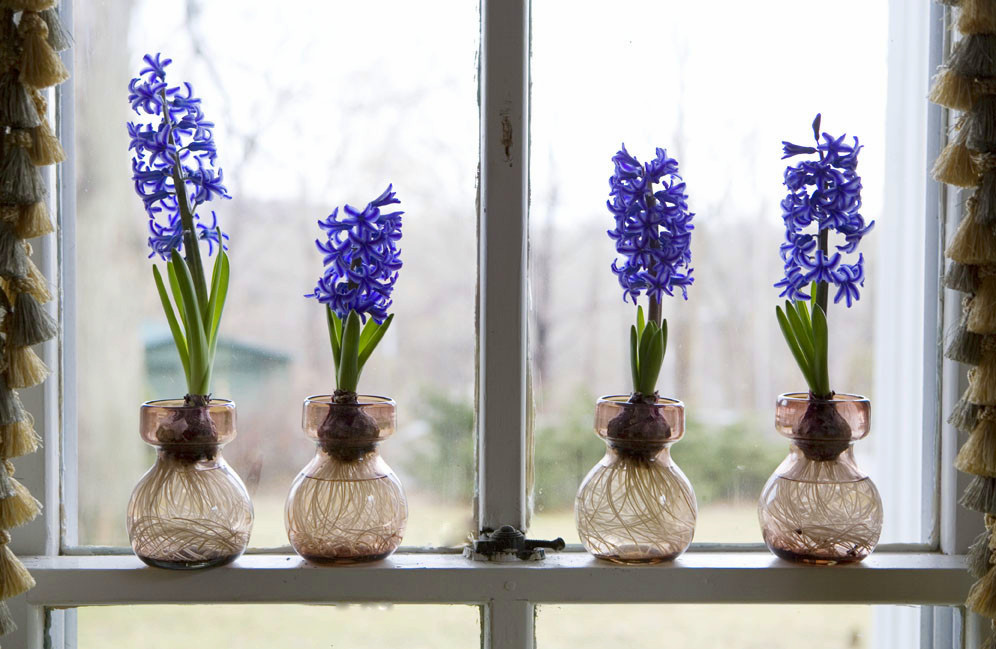
A hyacinth glass is a vase with a narrow neck and wide base, designed to:
- Suspend the bulb above water, preventing rot while allowing roots to access moisture.
- Allow roots to grow downward into the water, creating a visually striking display.
- Prevent bulb rot by keeping the base just above the waterline, ensuring only the roots are submerged.
Hyacinth glasses are available in a variety of styles, from clear to colored glass, and can be found at specialty garden stores or online. Their shape is specifically engineered for bulb forcing, ensuring optimal conditions for growth.
Alternative Containers
If you don’t have a hyacinth glass, try:
- Narrow-necked jars or bottles (e.g., recycled spice jars, glass soda bottles). These are cost-effective and easily sourced.
- Wine glasses with a layer of glass beads to suspend the bulb. The beads support the bulb and allow for creative arrangements.
- DIY supports using wire or mesh to cradle the bulb. This method enables you to customize the container for any bulb size.
When using alternative containers, ensure that the bulb is not sitting directly in the water, as this increases the risk of rot. Creativity is encouraged; some gardeners use teacups, terrariums, or even old light bulbs for unique displays.
Table: Comparison Of Hyacinth Forcing Containers
| Container Type | Pros | Cons | Best For |
|---|---|---|---|
| Hyacinth Glass | Perfect fit, elegant, reusable | Specialty item, may be costly | Traditional forcing, display |
| Narrow Jar/Bottle | Easy to find, inexpensive | May need support, less stylish | Budget-friendly, upcycling |
| Wine Glass with Beads | Customizable, creative | Requires setup, less root visibility | Unique displays, group arrangements |
| DIY Wire Support | Fits any jar, flexible size | Requires crafting, less polished look | Large bulbs, unusual containers |
Cleaning And Sterilizing Containers
- Wash with hot, soapy water before use to remove any residues that might harbor bacteria.
- Rinse with a 10% bleach solution to kill pathogens. This step is crucial for preventing mold and root diseases.
- Rinse thoroughly to remove all bleach, as any remaining chemicals can harm the bulb.
Regular cleaning prevents algae growth and ensures clear visibility of roots, which is part of the appeal of water forcing.
Case Study: Upcycled Forcing Success
A family in Boston used recycled glass bottles and wire mesh to force a dozen hyacinths. Not only did the bulbs bloom beautifully, but the unique containers became a conversation piece at their winter dinner party. Guests were intrigued by the visible root systems and the creative use of materials, demonstrating that bulb forcing can be both eco-friendly and aesthetically pleasing.
Step-by-step Guide: Planting Hyacinth Bulbs In Water
Step 1: Assemble Your Materials
You’ll need:
- Prepared hyacinth bulbs (chilled as described above)
- Clean hyacinth glasses or suitable alternative containers
- Fresh water (preferably distilled or filtered)
Optional materials include colored beads, decorative ribbons, and labels for recording bloom dates.
Step 2: Position The Bulb
- Set the bulb so its basal plate (flat end) faces downward.
- The base should just touch the water but not be submerged. Roots need moisture, but the bulb itself should remain dry.
- Add or remove water to achieve this precise height. Some containers may require adjustment with beads or mesh.
Correct positioning is essential for healthy root development. If the bulb sits in water, it risks rot; if too far from the water, roots may not form.
Step 3: Root Development
- Place the assembled bulbs and glasses in a cool, dark place (40–55°F/4–13°C) for 2–3 weeks.
- Ideal locations: Unheated basement, garage, or a dark closet.
During this stage:
- Roots will grow into the water, often forming a dense mat at the base.
- Check water level twice weekly, topping up as needed. Evaporation may occur, especially in dry environments.
You may notice the bulb swelling slightly and the tip beginning to green. This signals the start of shoot development.
Step 4: Move To Light
- When roots are well developed (2–4 inches long) and a shoot emerges, move the glasses to a bright, indirect light location, such as a north-facing window or under grow lights.
- Gradually introduce to more light to prevent shock. Sudden exposure to strong sunlight can cause leaf burn or rapid drying.
A gradual transition mimics natural spring conditions and encourages sturdy, upright growth.
Step 5: Enjoying The Blooms
- Within 2–4 weeks, the flower spike will develop. The stalk will lengthen, and florets will begin to open sequentially from bottom to top.
- Peak bloom lasts 1–2 weeks, filling the room with fragrance. The scent is strongest in the morning and evening.
Rotate the vase occasionally to ensure even light exposure and straight stems.
Table: Timeline For Forcing Hyacinth Bulbs In Water
| Stage | Duration | Temperature | Notes |
|---|---|---|---|
| Chilling | 10–14 weeks | 35–48°F (2–9°C) | Essential for bloom initiation |
| Rooting in Dark | 2–3 weeks | 40–55°F (4–13°C) | Roots grow, shoot emerges |
| Growth in Light | 2–4 weeks | 65–70°F (18–21°C) | Flowers develop and open |
| Blooming | 1–2 weeks | Room temperature | Enjoy fragrance and color |
Real-world Example: School Science Project
A middle school science class forced 30 hyacinth bulbs in various containers. Over 90% bloomed successfully, and students tracked root growth, shoot emergence, and days to flowering—demonstrating the educational value of this process. The project integrated biology, math, and art, as students measured, graphed, and photographed their results.
Care And Troubleshooting During Growth
Water Quality And Maintenance
- Use distilled or filtered water to minimize mineral buildup. Tap water is acceptable but may lead to limescale deposits in hard water areas.
- Change the water every 7–10 days to prevent stagnation and disease. Algae and mold can form if water is left unchanged.
- Keep the water level consistent—just touching the bulb’s base. Too much water risks rot; too little dries out roots.
If you notice any cloudiness or odor, change the water promptly. Rinse the container and roots gently before refilling.
Light And Temperature Requirements
- Gradually increase light exposure as shoots grow. Start in indirect light, moving to brighter spots as the plant matures.
- Avoid direct sunlight at first to prevent scorching. Later, a few hours of morning sun can enhance color and strengthen stems.
- Ideal room temperature is 65–70°F (18–21°C). Consistent temperatures promote uniform growth and prevent stress.
Hyacinths are relatively tolerant of cool indoor conditions but should be kept away from drafts, heaters, and air conditioners.
Common Problems And Solutions
- Bulb rot: Occurs if bulb sits in water—raise bulb so only roots touch water. Remove affected bulbs and change water in all containers.
- Stunted growth: Often due to insufficient chilling; ensure proper cold period. If a bulb does not sprout, it may have been improperly stored or not chilled long enough.
- Weak stems/floppy flowers: May result from too little light; move to a brighter spot. You can also rotate the vase to encourage upright growth.
- Mold or algae: Clean container, change water, use distilled water. A few drops of hydrogen peroxide can be added to water if algae persists, but use caution.
Supporting Tall Blooms
If flower stalks are especially tall or heavy, support with:
- Decorative stakes, such as bamboo or glass rods.
- A ring of small pebbles at the vase neck, which can gently brace the stem.
Alternatively, group containers closely together, allowing plants to support each other.
Aftercare: What To Do When Blooms Fade
- Most forced hyacinth bulbs will not bloom again indoors. Their stored energy is expended during the bloom cycle.
- Bulbs can be composted or planted outdoors after bloom, but may not flower the following year. Allow foliage to die back naturally before transplanting.
For further troubleshooting tips, consult the Royal Horticultural Society’s guide.
Enhancing Indoor Hyacinth Displays
Creative Container Groupings
- Cluster several hyacinth glasses for a bold centerpiece. Mixing colors creates a lively, dynamic effect.
- Mix hyacinths with other water-forced bulbs (e.g., narcissus, tulips) for variety. This not only extends the display’s blooming period but also introduces contrasting shapes and scents.
Consider arranging bulbs in geometric patterns or staggered heights for visual interest. Groupings can be tailored for dining tables, mantels, or office desks.
Decorative Touches
- Add colored glass beads or marbles for root support and visual interest. These can be matched to the flower color or theme.
- Use ribbons or twine around the vase neck for a personal touch. Seasonal decorations like miniature ornaments or sprigs of greenery add festive flair.
You can also incorporate natural elements such as moss, stones, or driftwood to create a miniature landscape.
Scent Management
Hyacinths are powerfully fragrant. In small spaces, the scent may be intense—ventilate as needed or display in larger rooms. For those sensitive to strong scents, select less fragrant varieties or reduce the number of bulbs per display.
Integrating With Holiday Decor
- Forced hyacinths are ideal for Easter, Valentine’s Day, and winter celebrations. Their fresh colors and scent are a welcome contrast to winter’s monotony.
- Combine with candles, greenery, or tableware for seasonal flair. Hyacinths can be paired with spring-themed accessories for a cohesive look.
Table: Hyacinth Vs. Other Indoor Bulb Blooms
| Bulb Type | Forcing Difficulty | Bloom Duration | Fragrance | Best for |
|---|---|---|---|---|
| Hyacinth | Easy | 1–2 weeks | Strong | Fragrance lovers, vibrant color |
| Narcissus (Paperwhite) | Very Easy | 2–3 weeks | Moderate | Beginners, rapid results |
| Tulip | Moderate | 1–2 weeks | Mild | Color variety, group displays |
| Amaryllis | Easy | 2–4 weeks | Light | Large flowers, dramatic effect |
Case Study: Interior Designer’s Winter Showcase
An interior designer in Seattle created a dramatic dining table display by arranging groups of forced hyacinths in antique glassware, accented with silver beads and moss. The result was featured in a local magazine, highlighting how hyacinth forcing can be adapted for high-style home decor.
The designer noted that the hyacinths’ fragrance and color transformed the ambiance, providing both visual and olfactory appeal.
Health, Safety, And Environmental Considerations
Are Hyacinths Toxic?
Hyacinth bulbs contain oxalic acid, which can irritate skin and is toxic if ingested by pets or children. Handle with gloves, and keep bulbs out of reach of children and animals. Even after flowering, the bulb remains toxic, so safe disposal is important.
For more, visit the ASPCA’s Hyacinth Toxicity Page.
Allergies And Fragrance Sensitivity
The intense scent of hyacinths can cause headaches or respiratory issues in sensitive individuals. If you’re prone to allergies, display hyacinths in well-ventilated areas. Consider limiting the number of bulbs or choosing less fragrant varieties.
Eco-friendly Forcing
- Reuse containers for future seasons, reducing waste and saving money.
- Compost spent bulbs or plant outdoors if possible, contributing to soil health and biodiversity.
- Purchase bulbs from sustainable growers when available, supporting ethical farming practices.
Indoor Air Quality Benefits
While hyacinths are not noted for air purification, the visual and psychological benefits of indoor plants—such as reduced stress and increased well-being—are well documented. For more on the positive effects of indoor plants, see this NIH research article.
Safe Disposal And Reuse
- Never dump used water or bulbs in natural waterways, as this can introduce non-native species or contaminants.
- Glasses and jars should be washed and stored for future use. Proper storage prevents damage and preserves clarity.
Real-world Inspiration: Successful Hyacinth Forcing Stories
The Urban Apartment Gardener
Maria, a New York City resident with no outdoor space, started forcing hyacinths in water as a winter hobby. Using a set of thrifted vases, she achieved a 100% bloom rate after following proper chilling and rooting steps. Her Instagram posts inspired dozens of followers to try the technique.
Maria also experimented with different varieties, sharing bloom times and scent profiles with her community.
School Science Lab Project
A high school biology teacher used hyacinth forcing to teach students about plant anatomy, phototropism, and root growth. Students compared bulbs forced in water with those in soil, collecting data on growth rates and bloom quality. The experiment fostered teamwork and scientific inquiry, with students presenting their findings at a local science fair.
Community Center Display
A senior center in Chicago forced 50 hyacinth bulbs in water glasses for a winter event. The project brought together residents, provided weeks of indoor color and fragrance, and sparked conversations about gardening and nature. The center documented the process in a photo album, inspiring other community groups to try similar projects.
For more community gardening ideas, visit National Gardening Association.
Maximizing Bloom Quality And Longevity
Ideal Environmental Conditions
- Consistent moisture at the bulb base. Regularly check and top up the water as needed.
- Bright, indirect light after rooting. Use sheer curtains or move vases as necessary to balance light intensity.
- Moderate temperatures (avoid heat sources and drafts). Stable conditions prevent stress and prolong bloom time.
Fertilizing: Is It Necessary?
- Bulbs contain all nutrients needed for one indoor bloom cycle. Fertilizer is unnecessary and may do more harm than good.
- Do not add fertilizer to water; it may encourage rot or algae. If you wish to reuse bulbs outdoors, wait until after the foliage dies back to fertilize.
Extending Bloom Time
- Move blooming bulbs to a cooler room (55–60°F/13–16°C) at night. This slows aging and extends flower life.
- Avoid placing near radiators or heat vents, which can dry out plants and accelerate wilting.
- Remove spent flowers promptly to keep the display tidy. Faded blooms can be pinched off at the base.
Some gardeners report that gentle misting or using humidifiers can help prolong bloom quality in dry winter environments.
Saving Bulbs For Outdoor Planting
After indoor blooming, bulbs are depleted and usually do not rebloom indoors. However:
- Allow foliage to die back naturally, which replenishes the bulb for future growth.
- Plant bulbs in the garden in spring; they may recover and bloom outdoors in 1–2 years. Choose a sunny, well-drained site and monitor for signs of regrowth.
For more on aftercare, see the Iowa State University Extension guide.
Frequently Asked Questions
How Long Does It Take For A Hyacinth Bulb To Bloom In Water?
From start to finish, the process typically takes 12–18 weeks: 10–14 weeks for chilling, 2–3 weeks for rooting in the dark, and 2–4 weeks for growth and blooming in light. Once the flower spike appears, blooms last about 1–2 weeks. The exact timing can vary based on bulb quality, chilling temperature, and indoor environment.
Can You Reuse Hyacinth Bulbs After Forcing In Water?
Most forced hyacinth bulbs are depleted and will not rebloom indoors. However, you can plant the spent bulbs outdoors after blooming. With proper care, they may recover and flower again in one to two years. Allow leaves to die back naturally before transplanting for best results.
Do You Need To Fertilize Hyacinth Bulbs Grown In Water?
No, fertilizer is not necessary when forcing hyacinths in water. The bulb contains all nutrients required for one bloom cycle. Adding fertilizer may encourage algae growth or bulb rot.
Why Didn’t My Hyacinth Bulb Bloom?
Common reasons for failure include:
- Insufficient chilling period—bulbs need at least 10 weeks of cold.
- Bulb sitting too deep in water (causing rot)—roots should be in water, bulb above.
- Poor-quality or unprepared bulbs—always use bulbs labeled for forcing.
- Inadequate light after rooting—move bulbs to brighter spots as shoots emerge.
Check each step carefully for best results. If unsure, consult local gardening experts or extension services.
Are Hyacinth Bulbs Safe For Pets?
No. Hyacinth bulbs contain oxalic acid and are toxic if ingested by cats, dogs, or other pets. Always keep bulbs and finished displays out of reach of animals. Symptoms of poisoning include drooling, vomiting, and difficulty breathing.
With the right preparation, attention, and a little patience, anyone can enjoy the stunning, fragrant beauty of hyacinth blooms indoors—even when snow still blankets the garden outside. Whether you’re a seasoned gardener, a curious student, or simply looking to brighten your winter days, planting hyacinth bulbs in water is a rewarding and educational project that brings spring’s promise into your home. Try it this season and join a centuries-old tradition of indoor flowering that continues to inspire awe and delight. By carefully following the steps outlined here, you’ll not only cultivate beautiful blooms but also deepen your understanding of plant biology and indoor gardening. The experience of witnessing a hyacinth’s journey from dormant bulb to vibrant flower is both magical and memorable, making it a perfect activity for individuals, families, classrooms, or community groups.