How To Plant Grass Seeds For Lawn
A lush, green lawn instantly elevates the curb appeal of any home, yet establishing one from scratch can feel daunting. Planting grass seeds is the most cost-effective way to create a beautiful yard, but success hinges on understanding soil preparation, choosing the right seed, and following proven steps.
Whether rejuvenating a patchy lawn or starting fresh, the process rewards patience and careful attention to detail.
Many homeowners underestimate the impact of factors like climate, seed variety, and post-planting care. By mastering the science and practical techniques behind planting grass seeds, you can transform even stubborn soil into a vibrant, healthy lawn that thrives season after season.
This guide walks you through every stage, from initial planning to maintenance, backed by data, real-life examples, and expert insights.
Key Takeaways
- Proper soil preparation is essential for maximizing grass seed germination and healthy growth.
- Seed selection should be based on regional climate, soil type, and lawn usage.
- Timing matters: Plant grass seeds during optimal seasons for your region to ensure best results.
- Watering and maintenance are crucial during the first weeks for successful establishment.
- Common mistakes, such as overseeding or poor soil management, can be avoided with simple steps.
- Long-term care ensures your lawn stays resilient, green, and weed-free.
Understanding Lawn Grass Types
Selecting the best grass seed is fundamental to achieving a healthy lawn. The right choice depends on climate, intended lawn use, and maintenance preferences.
Cool-season Vs. Warm-season Grasses
Grass varieties fall into two main categories: cool-season and warm-season. Cool-season grasses, such as Kentucky bluegrass and tall fescue, thrive in northern climates with moderate summers. Warm-season grasses, like Bermuda and zoysia, perform best in southern regions with hot summers.
| Grass Type | Recommended Climate | Growth Period |
|---|---|---|
| Kentucky Bluegrass | Cool-season (North) | Spring/Fall |
| Bermuda Grass | Warm-season (South) | Late Spring/Summer |
| Tall Fescue | Cool-season (Transition) | Spring/Fall |
| Zoysia Grass | Warm-season (South) | Late Spring/Summer |
Factors Influencing Grass Seed Choice
- Climate: Match the seed to your region’s temperature and rainfall patterns.
- Soil Type: Sandy soils drain quickly, favoring drought-tolerant seeds; clay soils retain moisture, supporting slow-growing varieties.
- Sun Exposure: Some seeds require full sun, others tolerate shade.
- Lawn Use: High-traffic lawns need durable varieties like perennial ryegrass.
Real-world Example: Midwest Lawns
In the Midwest, homeowners often combine Kentucky bluegrass and perennial ryegrass for a resilient, attractive lawn. The blend offers both fine texture and quick germination , handling fluctuating temperatures and family activity.
Pro Tip
Consult your local extension office or nursery for recommendations tailored to your region. Seed mixes labeled “sun & shade” are often ideal for lawns with variable light conditions.

Credit: www.thespruce.com
Preparing The Soil For Grass Seed
Proper soil preparation is the foundation of successful lawn establishment. Neglecting this step can lead to poor germination, patchy growth, or persistent weeds.
Testing And Amending Soil
Begin by testing your soil’s pH and nutrient levels. Most grasses thrive in soil with a pH between 6. 0 and 7. 0. Kits are available at garden centers or you can send samples to your county extension service for detailed analysis.
- Adjust pH: Add lime to raise pH, sulfur to lower it.
- Nutrient Deficiency: Apply balanced fertilizer if tests reveal low nitrogen, phosphorus, or potassium.
Clearing And Leveling
Remove existing vegetation, rocks, and debris. For smaller lawns, a manual rake suffices; for larger areas, consider renting a sod cutter or rototiller.
- Remove Weeds: Use a non-residual herbicide, wait 2-3 weeks before seeding.
- Level the Area: Fill low spots and grade for drainage. Aim for a smooth, even surface.
Aerating And Tilling
Aerate compacted soils to promote root growth. Tilling to a depth of 2-4 inches loosens soil and blends amendments.
Example: Urban Backyard Renovation
Soil for a backyard lawn in Chicago tends to test too acidic. Adding lime and tilling compost improved seed germination, resulting in a thick, healthy turf within eight weeks.

Credit: greengroupcompanies.com
Choosing And Applying Grass Seed
After preparing the soil, selecting high-quality grass seed and applying it correctly maximizes germination rates and uniform growth.
Selecting Seed Quality
- Certified Seed: Choose seeds labeled “certified” for purity and viability.
- Seed Mix vs. Single Variety: Mixes are ideal for varied conditions; single varieties suit uniform lawns.
Calculating Seed Quantity
Proper seeding rates prevent overcrowding or sparse growth. Refer to packaging guidelines for square footage coverage.
| Grass Type | Seeding Rate (lbs/1000 sq ft) | Average Germination Time |
|---|---|---|
| Kentucky Bluegrass | 2-3 | 14-21 days |
| Perennial Ryegrass | 5-10 | 7-10 days |
| Bermuda Grass | 1-2 | 7-14 days |
| Tall Fescue | 6-8 | 10-14 days |
Application Methods
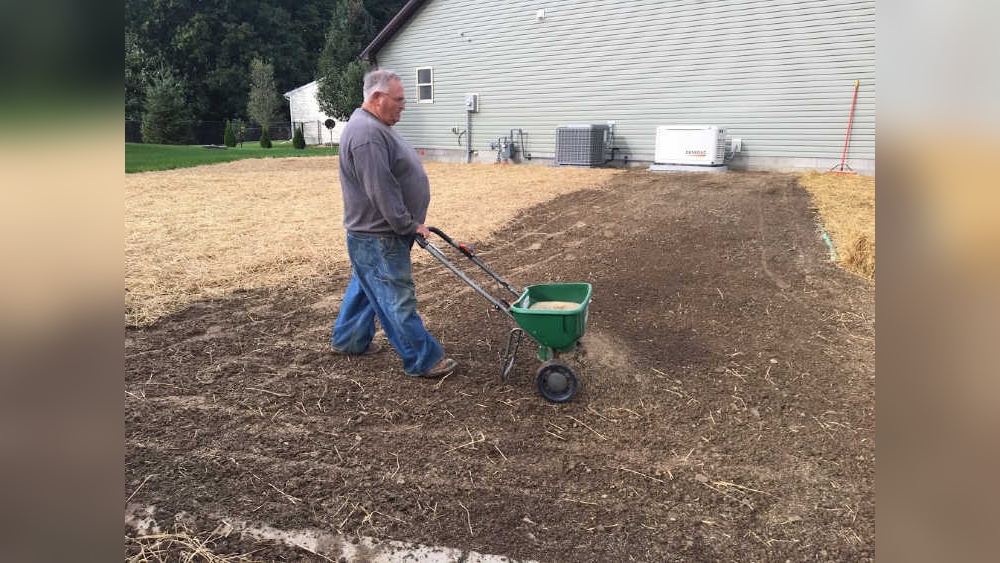
- Broadcast Spreader: For large lawns, ensures even coverage.
- Hand Spreader: Suitable for small patches.
- Slit Seeder: Cuts grooves and places seeds directly into soil.
Example: Small Patch Repair
A homeowner in Atlanta used a hand spreader to reseed a shaded area with tall fescue. By lightly raking after sowing and maintaining consistent moisture, the patch filled in within three weeks.
Pro Tip
Divide your seed into two portions. Apply half lengthwise, half crosswise, to guarantee uniform coverage and reduce bare spots.

Credit: www.pennington.com
Best Timing And Environmental Considerations
Planting at the right time is crucial for successful grass seed establishment. Environmental factors also influence germination and growth.
Optimal Planting Seasons
- Cool-Season Grasses: Early fall (September, October) or early spring (April, May).
- Warm-Season Grasses: Late spring (May, June) when soil temperatures reach 65, 70°F.
Temperature And Rainfall
Avoid seeding during extreme heat, drought, or heavy rainfall. Ideal soil temperatures for germination are 50, 70°F.
Sunlight And Shade
Assess the lawn’s exposure before choosing seed. Some grass types, like fine fescue, tolerate shade, while others require full sun.
Example: Southern Lawn Establishment
A homeowner in Dallas planted Bermuda grass in late May, after soil temperatures rose. Consistent watering and full sun enabled rapid germination and dense turf.
Warning
Seeding too early or late can lead to poor germination and weed invasion. Always check local weather forecasts and soil temperatures before planting.
Step-by-step Guide To Planting Grass Seeds
Following a systematic approach ensures a thriving lawn. Each step is essential for maximizing success.
Step 1: Prepare The Soil
- Remove debris, weeds, and old sod.
- Test and amend soil as needed.
- Till and grade for drainage.
Step 2: Apply Seed
- Select appropriate seed type and quantity.
- Use a spreader for even distribution.
- Sow seeds in two passes (lengthwise and crosswise).
Step 3: Cover Seeds
- Lightly rake to mix seeds into the top 1/4 inch of soil.
- Add a thin layer of straw or mulch to retain moisture and deter birds.
Step 4: Water Thoroughly
- Water immediately after seeding.
- Keep soil consistently moist (not soggy) for 2, 3 weeks.
- Water lightly 2, 3 times daily until seedlings emerge.
Step 5: Monitor And Maintain
- Reduce watering frequency as grass matures.
- Mow when grass reaches 3, 4 inches.
- Avoid heavy foot traffic during establishment.
Example: Community Park Renovation
A city park in Minneapolis followed these steps to reseed a high-traffic area. Volunteers used a broadcast spreader, applied straw mulch, and maintained diligent watering. Within a month, the area was restored with robust, green turf.
Watering, Fertilizing, And Early Maintenance
Proper care during the first weeks ensures lasting results. Neglecting these details can undermine even the best preparation.
Watering Schedules
- Initial Stage: Water lightly and frequently to keep seeds moist.
- Post-Germination: Gradually decrease frequency, increase depth.
Fertilizing Guidelines
Apply starter fertilizer high in phosphorus at seeding. Once grass reaches 2 inches, switch to balanced fertilizer (N-P-K ratio).
- Starter Fertilizer: Promotes root development.
- Balanced Fertilizer: Supports overall growth and resilience.
Mowing And Traffic Management
Wait until grass reaches recommended height before mowing. Use sharp blades to prevent pulling seedlings.
Example: Suburban Lawn Success
Consistent watering and timely fertilizer application result in 95% germination for a newly seeded lawn in Ohio. Early mowing at 4 inches helped thicken the turf.
Pro Tip
Avoid using herbicides during the first 6, 8 weeks after seeding. Early chemical application may damage tender seedlings.
Troubleshooting Common Issues
Even with careful planning, problems can arise. Recognizing and addressing issues early is key to healthy lawn establishment.
Patchy Growth
- Cause: Uneven seed distribution, poor soil contact, inadequate watering.
- Solution: Reseed bare spots, improve soil moisture, lightly rake.
Weed Invasion
- Cause: Seeding during warm weather, poor soil preparation.
- Solution: Remove weeds manually, apply post-emergent herbicide after grass matures.
Disease And Pest Problems
- Symptoms: Yellowing, wilting, or dead patches.
- Solution: Identify pests (grubs, chinch bugs) and treat accordingly; consult a lawn care specialist for persistent issues.
Example: Addressing Bare Spots
A homeowner in Seattle noticed patchy growth after spring seeding. By reapplying seed and adjusting watering, the lawn filled in within a month.
Warning
Overwatering can lead to fungal diseases and shallow root systems. Monitor soil moisture and adjust schedules as needed.
Long-term Lawn Maintenance
Once your lawn is established, ongoing care ensures it stays healthy and attractive for years.
Routine Mowing
Mow regularly, keeping blades sharp and grass at optimal height (usually 2. 5, 3. 5 inches for most varieties).
Fertilization Schedule
Apply fertilizer 2, 4 times per year, depending on grass type and local recommendations.
- Spring: Nitrogen-rich fertilizer for growth.
- Fall: Potassium-rich fertilizer for winter hardiness.
Aeration And Overseeding
Annual aeration prevents compaction and improves nutrient absorption. Overseeding fills in thin areas and maintains density.
Watering Practices
Adjust watering to local rainfall and seasonal needs. Deep, infrequent watering encourages strong roots.
Example: Annual Lawn Renewal
A homeowner in Denver aerated and overseeded every fall, maintaining a lush lawn despite heavy use and dry conditions.
Pro Tip
Monitor for signs of stress, such as discoloration or slow growth, and address promptly with soil amendments or irrigation adjustments.
Frequently Asked Questions
What Is The Best Grass Seed For Shady Lawns?
For areas with limited sunlight, fine fescue and rough bluegrass are excellent choices. Fine fescue varieties (such as creeping red fescue) tolerate shade and require less mowing. Rough bluegrass is also shade-tolerant but prefers moist conditions. Always check the seed label for “shade” recommendations.
How Long Does It Take For Grass Seeds To Germinate?
Germination times vary by seed type and environmental conditions. Perennial ryegrass usually sprouts within 7, 10 days, while Kentucky bluegrass may take 14, 21 days. Factors such as soil temperature, moisture, and seed quality all affect the timeline. Most lawns show visible growth within three weeks under ideal conditions.
Can I Plant Grass Seed Over Existing Lawn?
Yes, overseeding is a common practice for thickening lawns or repairing bare spots. Mow existing grass short, rake to expose soil, and apply seed evenly. Water regularly and avoid mowing until new seedlings are established. Overseeding helps combat thinning due to age, disease, or heavy use.
What Is The Best Way To Prevent Weeds After Planting?
Preventing weeds starts with proper soil preparation and timing. Apply seed during optimal seasons to outcompete weeds. After establishment, use pre-emergent herbicides in spring and maintain thick turf through regular fertilization, mowing, and watering. Mulching newly seeded areas also deters weed growth.
How Much Should I Water Newly Planted Grass Seeds?
Newly seeded lawns require consistent moisture. Water lightly 2, 3 times daily for the first 2, 3 weeks, ensuring soil stays damp but not saturated. Once seedlings emerge, reduce frequency but increase depth. Avoid puddling and runoff, which can wash away seeds. Adjust schedules based on rainfall and temperature.
A well-planted lawn begins with careful planning, high-quality seeds, and diligent maintenance. By following these proven steps and adapting to your region’s unique conditions, you can cultivate a vibrant, healthy turf that enhances your home’s beauty and value. For more advanced tips or troubleshooting, consult resources like your local extension office or the EPA Lawn and Garden guide. As you nurture your new lawn, remember that patience and consistency are the keys to lasting success. For detailed regional seed recommendations and soil management strategies, visit Wikipedia: Lawn.