When To Plant Grass Seed In Seattle
Seattle’s lush, green lawns are a signature feature of the city’s neighborhoods, parks, and landscapes. Yet, achieving a healthy, thriving lawn in the Pacific Northwest requires a precise understanding of when to plant grass seed . With its unique climate, characterized by mild temperatures, abundant rainfall, and periodic dry spells, Seattle presents both opportunities and challenges for lawn care enthusiasts.
Whether you’re rejuvenating a tired yard or starting from scratch, timing your grass seeding is the single most crucial factor in success.
Homeowners and landscaping professionals alike face the question: Which season offers the best conditions for establishing new grass? The answer isn’t as simple as picking a date from the calendar. Factors such as soil temperature, rainfall, grass species, and local microclimates all play a role. In my experience working with Seattle lawns, poor timing is the most common reason grass seed fails to establish, leading to wasted effort and resources. This guide draws on regional horticultural research, expert advice, and real-world examples to help you make informed decisions and maximize your chances for a vibrant, resilient lawn.
Key Takeaways
- Early fall is the optimal time to plant grass seed in Seattle due to ideal soil temperatures and consistent moisture.
- Spring seeding is possible but carries risks from weeds and unpredictable weather.
- Cool-season grasses like perennial ryegrass and fescue are best suited for Seattle’s climate.
- Preparation and timing are crucial: Soil readiness, seed selection, and post-planting care all influence success.
- Real-world examples show that following local guidelines yields stronger, healthier lawns.
- Consult local experts and reliable sources for tailored advice on grass seeding.

Credit: lawnlove.com
Seattle’s Unique Climate And Its Impact On Grass Growth
Seattle’s climate is shaped by its position between the Pacific Ocean and the Cascade Mountains. This results in moderate temperatures, frequent rainfall, and relatively dry summers. Understanding these conditions is essential for choosing the right time to plant grass seed.
Annual Weather Patterns
Seattle averages approximately 38 inches of rain per year according to the National Weather Service. Most precipitation occurs from October through April, while summers are generally dry and mild. Temperatures rarely drop below freezing, and summer highs seldom exceed 80°F.
- Rainfall: Reliable in fall and spring; summer droughts can stress new seedlings.
- Temperature: Mild winters and cool summers reduce heat and cold stress.
- Humidity: Consistently high humidity favors cool-season grass varieties.
Soil Temperature And Moisture
Grass seed germinates best when soil temperatures are between 50°F and 65°F. In Seattle, these conditions are typically met in early fall and late spring. Adequate moisture is necessary for germination , but excessive rainfall can cause runoff or seed washout.
Example: In September, Seattle’s average soil temperature is around 60°F, and rainfall begins to increase, providing optimal conditions for seed establishment.
Microclimates Within Seattle
Local variations, such as proximity to water, urban heat islands, and elevation, can influence lawn success. For instance, neighborhoods closer to Puget Sound may experience slightly milder temperatures and higher humidity compared to inland areas.
Pro Tip: Consult the University of Washington’s local climate resources for neighborhood-specific advice.
Best Times Of Year To Plant Grass Seed In Seattle
Timing is everything when establishing a new lawn. Planting during the wrong season can lead to poor germination, weed invasion, or seedling loss. Here’s a breakdown of the prime windows for Seattle:
Early Fall: The Gold Standard
Early fall (late August through mid-October) is widely recognized as the best time to seed lawns in Seattle. The combination of warm soil, cooling air temperatures, and increasing rainfall creates ideal conditions for grass growth.
Benefits:
- Reduced weed competition
- Consistent moisture
- Lower risk of heat stress
Example: The Washington State University Extension recommends seeding lawns in September for optimal results.
Spring: An Alternative With Caveats
Spring (March through early May) can work, but it’s less reliable. Rapid weed growth, unpredictable rainfall, and fluctuating temperatures pose challenges.
Risks:
- Weeds outcompeting grass seedlings
- Late spring heat waves
- Potential for “damping off” disease
Spring is suitable if fall seeding is missed, but extra care is required to manage weeds and maintain soil moisture.
Not Recommended: Summer And Winter
- Summer: Dry, hot conditions stress new seedlings. Irrigation is needed, but even with watering, heat can inhibit germination.
- Winter: Cold soil and low light levels prevent growth. Seeds may rot or be washed away.
| Season | Soil Temperature | Rainfall | Grass Growth Potential | Recommended? |
|---|---|---|---|---|
| Early Fall | 50-65°F | Increasing | Excellent | Yes |
| Spring | 50-65°F | Moderate | Good | Conditional |
| Summer | 65-75°F | Low | Poor | No |
| Winter | 35-45°F | High | Very Poor | No |

Credit: lawnsynergy.com
Choosing The Right Grass Seed For Seattle
Selecting the right grass species is as important as timing. Seattle’s climate favors cool-season grasses, which thrive in moderate temperatures and moist conditions.
Recommended Grass Types
- Perennial Ryegrass: Fast-growing, durable, and tolerant of Seattle’s rainfall.
- Fine Fescue: Drought-resistant, shade-tolerant, and low maintenance.
- Kentucky Bluegrass: Attractive and dense but requires more care.
- Tall Fescue: Good for high-traffic areas; deep roots for drought tolerance.
| Grass Type | Growth Rate | Shade Tolerance | Drought Tolerance | Maintenance |
|---|---|---|---|---|
| Perennial Ryegrass | Fast | Moderate | Moderate | Medium |
| Fine Fescue | Moderate | High | High | Low |
| Kentucky Bluegrass | Slow | Low | Low | High |
| Tall Fescue | Moderate | Moderate | High | Medium |
Blend Vs. Single Species
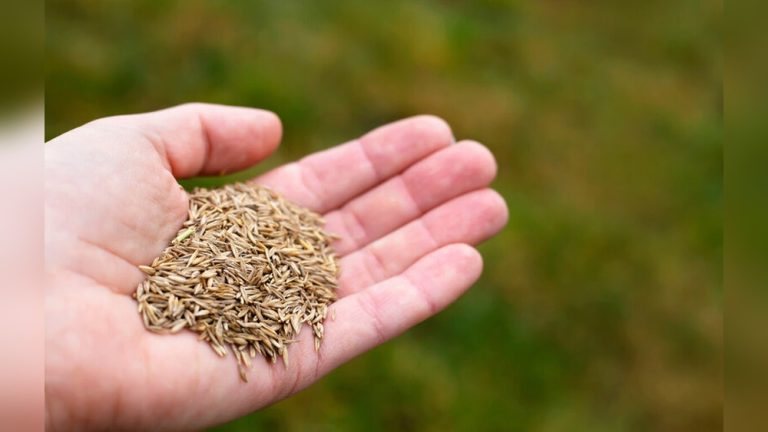
Blends combine multiple grass types, offering a balance of durability, appearance, and adaptability. For Seattle lawns with varying shade and traffic, a mix of perennial ryegrass and fine fescue is recommended.
Seed Quality And Source
Always purchase seed from reputable suppliers. High-quality, certified seed ensures better germination rates and fewer weeds. Consult local garden centers or the King County Extension for reliable sources.

Credit: lawnlove.com
Preparing Soil For Grass Seeding
Proper soil preparation is the foundation of successful grass seed establishment. Neglecting this step can undermine even the best timing and seed selection.
Soil Testing And Amendment
- Test soil for pH (target: 6.0, 6.5), fertility, and organic matter.
- Amend as needed with lime (to raise pH), compost, or fertilizer.
- Remove debris, rocks, and weeds to create a clean seedbed.
Example: A Seattle homeowner tested their soil and found a low pH. After applying lime, their grass seed germinated quickly and uniformly.
Grading And Drainage
- Level the area to prevent water pooling.
- Address drainage issues by adding sand or organic matter.
- Avoid compacted soil; aerate if necessary.
Pro Tip: Use a core aerator before seeding to improve root penetration and reduce compaction.
Seedbed Preparation
- Loosen top 2, 3 inches of soil with a rake or tiller.
- Rake smooth, removing large clumps.
- Lightly roll soil to create a firm, even surface.
Pre-seeding Fertilizer
Apply a starter fertilizer high in phosphorus to encourage root development. Follow manufacturer’s instructions for application rates.
Step-by-step Guide To Planting Grass Seed In Seattle
Planting grass seed involves several crucial steps. Attention to detail at each stage will maximize your chances of a healthy lawn.
Seeding Methods
- Broadcast Seeding: Evenly spread seed by hand or with a mechanical spreader.
- Drill Seeding: Use a seed drill for larger areas; ensures consistent depth.
- Hydroseeding: Sprays a slurry of seed, mulch, and fertilizer; ideal for slopes.
Example: Hydroseeding was used on a steep hillside in North Seattle, resulting in rapid erosion control and dense grass cover.
Seed Rate And Coverage
Follow recommended seed rates for your chosen grass type. Over-seeding can cause competition, while under-seeding leaves gaps for weeds.
- Perennial Ryegrass: 5, 10 lbs per 1,000 sq ft
- Fine Fescue: 3, 5 lbs per 1,000 sq ft
Mulching And Protection
- Apply a thin layer of straw or mulch to retain moisture and protect seeds from birds.
- Avoid heavy mulching, which can smother seedlings.
Watering Schedule
- Water lightly and frequently (2, 3 times daily) until seeds germinate.
- Reduce frequency as seedlings mature, but maintain consistent soil moisture.
Warning: Overwatering can cause fungal diseases and seed rot, monitor soil and adjust as needed.
Post-seeding Care
- Avoid foot traffic on newly seeded areas.
- Begin mowing when grass reaches 3, 4 inches.
- Apply additional fertilizer after 4, 6 weeks.
Real-world Examples And Case Studies
Learning from local experiences can highlight best practices and common pitfalls.
Residential Success Story: Ballard Neighborhood
A homeowner in Ballard seeded their lawn in mid-September using a blend of perennial ryegrass and fine fescue. Soil was tested, amended, and aerated. With consistent watering and mulching, germination occurred within 7 days. By October, the lawn was dense and green, with minimal weed intrusion.
Commercial Project: Seattle Parks
Seattle Parks and Recreation reseeded several public lawns in late September. Hydroseeding was used for large areas. Monitoring revealed uniform germination and rapid establishment, confirming fall as the optimal planting window.
Problem Example: Spring Seeding Challenges
A Queen Anne resident seeded their lawn in April. Despite initial growth, heavy spring rains led to runoff and patchy germination. Weeds quickly invaded, requiring extra maintenance. The homeowner later reseeded in fall with much better results.
Common Mistakes And How To Avoid Them
Avoiding pitfalls can save time, money, and frustration. Here are frequent errors and how to prevent them:
Planting At The Wrong Time
- Seeding in summer or winter leads to poor germination and high seed loss.
- Always aim for early fall or, if necessary, early spring.
Neglecting Soil Preparation
- Skipping soil testing and amendment results in nutrient deficiencies and weak growth.
- Take time to prepare the seedbed properly.
Using The Wrong Grass Type
- Warm-season grasses struggle in Seattle’s climate.
- Stick with cool-season varieties recommended for the region.
Overwatering Or Underwatering
- Excess moisture causes disease; insufficient water halts germination.
- Use a soil moisture meter if unsure.
Ignoring Mulching
- Leaving seeds exposed increases bird feeding and evaporation losses.
- Apply mulch lightly for protection.
Comparing Grass Seed Planting Methods For Seattle
Different seeding methods offer distinct advantages and disadvantages. Choose the approach that fits your site, budget, and goals.
| Method | Best For | Cost | Ease of Use | Success Rate |
|---|---|---|---|---|
| Broadcast Seeding | Small yards | Low | Easy | Moderate |
| Drill Seeding | Medium/Large areas | Medium | Moderate | High |
| Hydroseeding | Slopes/large sites | High | Professional | Very High |
Post-planting Care And Maintenance
After seeding, ongoing care is essential for lawn health and longevity.
Watering Adjustments
- Reduce watering frequency as grass matures.
- Aim for deep, infrequent watering to promote root growth.
Mowing Guidelines
- Mow when grass reaches 3, 4 inches.
- Keep mower blades sharp; avoid cutting more than one-third of the grass height.
Fertilizing And Weed Control
- Apply balanced fertilizer 4, 6 weeks after germination.
- Spot-treat weeds with appropriate herbicides; avoid blanket applications on young lawns.
Pro Tip: For eco-friendly weed control, use manual removal or natural products recommended by the EPA Safe Pest Control program.
Monitoring And Troubleshooting
- Inspect for pests, disease, or nutrient deficiencies.
- Address issues promptly to prevent long-term damage.
Example: In my experience, a neglected lawn can recover with proper fertilization and watering, but early intervention is always preferable.
Frequently Asked Questions
What If I Miss The Fall Planting Window In Seattle?
If you miss the optimal fall window, you can plant in early spring. However, expect slower establishment and higher weed competition. Cover seeds with mulch and monitor soil moisture closely. For best results, postpone major lawn projects until the next fall season.
Can I Use Sod Instead Of Grass Seed In Seattle?
Yes, sod provides instant results and is less vulnerable to weather fluctuations. Sod installation is best done in spring or fall. However, it’s more expensive than seeding and requires careful soil preparation and watering. Sod is ideal for areas where erosion or foot traffic is a concern.
How Long Does It Take For Grass Seed To Germinate In Seattle?
Germination typically occurs within 7, 14 days for cool-season grasses, depending on soil temperature and moisture. Fine fescue may take slightly longer. Full establishment can require several months, so avoid heavy use of the lawn during this period.
Are There Organic Options For Grass Seed And Fertilizers?
Organic grass seed and fertilizers are available at local nurseries. Organic fertilizers release nutrients slowly, reducing runoff and promoting soil health. Look for certifications from the Organic Materials Review Institute (OMRI) and consult staff for region-specific options.
Should I Consult A Landscaping Professional Before Seeding?
If you’re unsure about soil conditions, drainage, or grass selection, consulting a local landscaping professional is recommended. They can provide tailored advice and help avoid costly mistakes. For large projects, professional installation may yield more consistent results.
Seattle’s climate offers unique opportunities for establishing lush, resilient lawns if you time your seeding correctly and choose the right grass varieties. By following expert recommendations and adapting your approach to local conditions, you’ll enjoy vibrant, healthy turf year-round. Whether you’re a DIY gardener or working with a landscaping service, preparation, timing, and ongoing care are the keys to success.
Take advantage of Seattle’s mild autumns, use reputable sources, and monitor your progress for a lawn that stands out in the Emerald City.