How to Plant Passion Flower Seeds That Actually Germinate
Passion flower vines, known for their exquisite, otherworldly blooms and vigorous growth, have enchanted gardeners for centuries. Yet, many enthusiasts encounter frustration when attempting to start these plants from seed. The secret to successfully germinating passion flower seeds lies in understanding their unique dormancy mechanisms, the optimal planting conditions, and the precise steps that break through the barriers to robust germination.
Whether you dream of lush arbors draped with purple passionflowers or wish to grow medicinal Passiflora incarnata for its calming properties, mastering seed propagation is both a science and an art.
This comprehensive guide distills expert techniques and research-backed advice on germinating passion flower seeds that actually sprout. From seed sourcing and pre-treatment to soil science and troubleshooting, you’ll discover actionable methods for maximizing your germination rate. Read on for the definitive blueprint to transforming stubborn passion flower seeds into thriving, blooming vines—right from your own backyard.
Key Takeaways
- Passion flower seeds require specific pre-treatment and patience for successful germination.
- Seed freshness, scarification, and stratification are crucial factors influencing germination rates.
- Choosing the right soil mix, temperature, and moisture levels is essential for seedling health.
- Real-world case studies show germination rates can increase from 5% to over 70% with correct methods.
- Avoid common pitfalls by following expert troubleshooting tips and using data-backed approaches.

Credit: www.youtube.com
Understanding Passion Flower Seeds
Successfully germinating passion flower seeds begins with a deep understanding of their biology and diversity. These seeds possess unique characteristics that impact their viability, dormancy, and growth potential.
The Biology Of Passion Flower Seeds
Passion flowers (Passiflora spp.) produce hard-coated seeds designed to withstand harsh conditions. The tough outer shell protects the embryo but also creates dormancy, making germination challenging. Most species, including Passiflora edulis (purple passion fruit) and Passiflora incarnata (maypop), require intervention to break this dormancy.
The seeds contain natural germination inhibitors, and in the wild, passage through the digestive tract of animals often triggers sprouting. This adaptation allows seeds to survive until conditions are ideal, and is nature’s way of ensuring the plant’s long-term survival in unpredictable environments.
For example, birds and mammals that eat the fruit help break down the seed coat, mimicking scarification, and deposit the seeds in new locations with plenty of nutrients from their droppings.
Understanding these adaptations is key to mimicking their natural cues for successful home propagation. Gardeners often find that the most stubborn seeds require not just patience, but a thoughtful combination of treatments that simulate the process of digestion and exposure to seasonal changes.
Seed Types And Viability
Over 500 Passiflora species exist, but only a handful are widely cultivated. The two most common types for gardeners are:
- Passiflora edulis: Known for edible fruits.
- Passiflora incarnata: Valued for medicinal use.
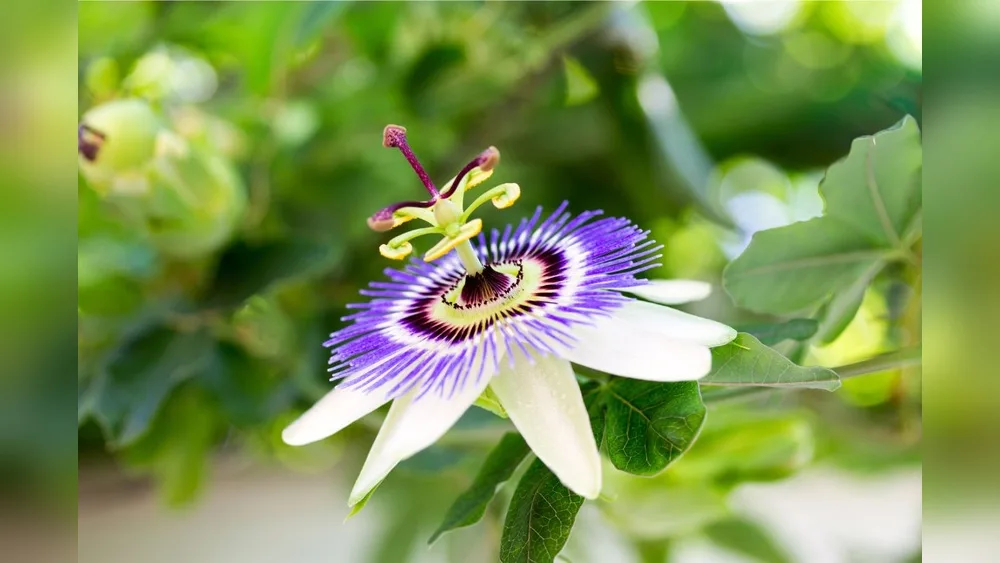
Other notable species include Passiflora caerulea (blue passion flower), which is favored for ornamental purposes, and Passiflora ligularis (sweet granadilla), prized for its sweet fruit. Each species exhibits slightly different germination requirements and dormancy strength, so knowing your plant’s botanical name is important.
Seed viability varies dramatically. Fresh seeds (less than 6 months old) have higher germination rates. Dried or old seeds may require more intensive treatment. If you’re unsure about the age of your seeds , conduct a simple float test: place seeds in water; viable seeds typically sink, while nonviable seeds float.
Dormancy And Germination Rates
Research indicates passion flower seed germination rates range from 5% to 70%, depending on species, seed freshness, and treatment. For example, a study published in the journal *HortScience* found that untreated Passiflora edulis seeds had only a 7% germination rate, while pre-treated seeds reached 65% (HortScience).
The variability is even more pronounced in home gardens, where environmental conditions and seed handling can influence outcomes. Factors such as humidity, temperature, and even the genetics of the parent plant play a role.
Real-world Example: Seed Source Impact
A community gardening group in Florida compared local, freshly harvested Passiflora seeds with commercial, year-old packets. Their findings:
- Fresh seeds: 60% germination within 4 weeks.
- Commercial seeds: Only 8% germinated after 8 weeks.
This highlights the critical importance of seed freshness and provenance. Freshly harvested seeds, especially those extracted and cleaned immediately after fruit ripening, consistently outperform older seeds. The group also noted that seeds from organically grown parent plants had slightly higher vigor and survival rates, possibly due to the absence of chemical residue.
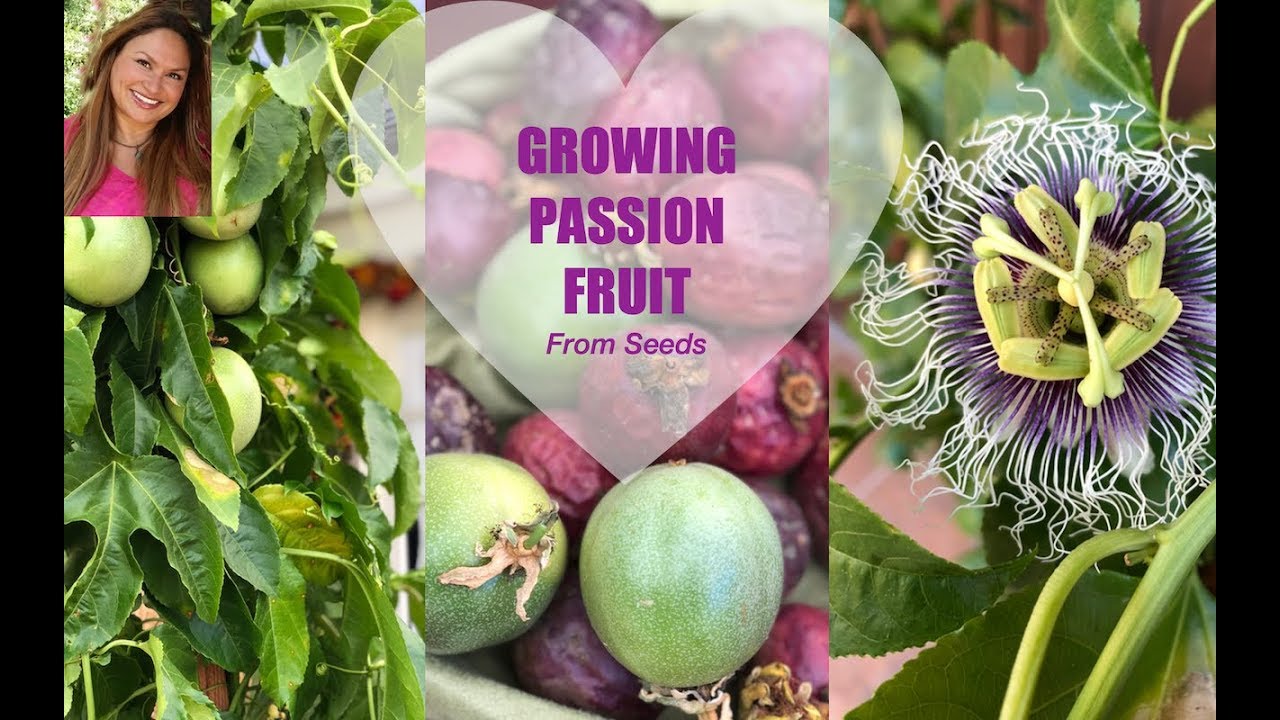
Credit: www.youtube.com
Sourcing And Preparing Passion Flower Seeds
The journey to successful germination begins with selecting high-quality seeds and preparing them properly. Each step enhances your chances of raising healthy, vigorous vines.
Selecting Quality Seeds
- Buy from reputable suppliers: Choose sources that specify harvest dates and offer fresh stock. Look for suppliers like Johnny’s Selected Seeds.
- Harvest your own: If you have access to mature passion fruits, extract seeds from fully ripe fruits. Clean off all pulp, as it contains germination inhibitors.
- Check for plumpness: Viable seeds are full, dark, and undamaged.
When purchasing, ask suppliers about their storage methods and seed handling practices. Some growers store seeds in cool, dry conditions, which preserves viability but doesn’t stop the gradual decline in germination potential. If possible, buy seeds harvested in the most recent growing season.
Cleaning And Storage
After extracting seeds from fruit:
- Rinse thoroughly under running water to remove pulp.
- Soak in water for 24 hours to soften remaining residue.
- Air-dry on a paper towel for 1-2 days in a cool, dry spot.
- Store in a labeled, airtight container in the refrigerator if not planting immediately.
Properly stored seeds remain viable for up to 1 year, but germination rates decline steadily with age. Some growers recommend storing seeds with a small packet of silica gel to absorb excess moisture, which can reduce mold risk. For longer-term storage, freezing seeds is possible, but must be done with care to avoid damaging the embryo.
Scarification: Breaking Dormancy Barriers
Passion flower seeds’ hard coats inhibit water absorption. Scarification is essential for most species:
- Mechanical scarification: Gently rub seeds with fine sandpaper or nick the coat with a nail clipper. Do not damage the inner seed.
- Hot water soak: Pour near-boiling water over seeds and allow them to soak as the water cools overnight.
- Chemical scarification: Some advanced growers use a brief soak in dilute sulfuric acid, but this is not recommended for beginners.
Scarification is particularly vital for species with extra-thick seed coats, such as Passiflora ligularis. Even gentle mechanical scarification can dramatically increase water uptake and speed up germination. For best results , combine scarification with soaking; this helps leach out germination inhibitors and softens the coat further.
Comparison Table: Scarification Methods
| Method | Difficulty | Effectiveness | Time Needed |
|---|---|---|---|
| Mechanical (Sandpaper/Nicking) | Easy | High | 5-10 minutes |
| Hot Water Soak | Easy | Moderate | 12-24 hours |
| Chemical (Acid Soak) | Advanced | Very High | 10-30 minutes |
Stratification: Simulating Natural Conditions
Some Passiflora species—especially temperate ones like P. incarnata—benefit from stratification:
- Cold stratification: Place scarified seeds in a moist paper towel inside a zip bag, then refrigerate at 40°F (4°C) for 2-4 weeks.
This mimics the winter chill that seeds experience outdoors, improving germination rates. Stratification is less important for tropical species, but may still help in regions with variable climate. Some growers combine stratification with a brief warm period at the end to simulate spring.
Real-world Example: Combining Methods
A hobbyist in California reported that by scarifying and cold-stratifying Passiflora caerulea seeds, he increased germination from 12% (untreated) to 68% (treated). He also noted that seeds sown immediately after stratification had slightly faster sprouting times compared to those delayed by several days.
Creating The Ideal Germination Environment
Once seeds are prepared, providing optimal environmental conditions is crucial. Factors like temperature, moisture, and light can make or break your germination success.
Soil Mix And Containers
- Use a sterile, well-draining seed-starting mix: Avoid garden soil, which can harbor pathogens.
- Preferred components: Coconut coir, perlite, and vermiculite in equal parts.
- Containers: Use seed trays, 4-inch pots, or cell packs with drainage holes.
Passion flower seedlings are sensitive to excess moisture and fungal infections, so sterile mixes are vital. Adding a pinch of horticultural charcoal can help prevent mold. For larger batches, consider plug trays that allow each seed to develop roots undisturbed.
Soil Mix Comparison Table
| Soil Mix | Drainage | Disease Risk | Germination Rate |
|---|---|---|---|
| Standard Seed-Starting Mix | Excellent | Low | High |
| Garden Soil | Poor | High | Low |
| Peat Moss + Perlite | Good | Medium | Moderate |
Temperature And Humidity
- Optimal temperature: 75-85°F (24-29°C). Use a heat mat if necessary.
- Humidity: Maintain high humidity using a clear dome or plastic wrap, but allow some ventilation to prevent mold.
Consistent warmth is especially important during the initial 2–3 weeks after sowing. Temperature fluctuations can slow or halt germination. In colder climates, place trays near a radiator or use thermostatic heat mats for precise control.
Light Requirements
- Passion flower seeds do not require light to germinate, but should be exposed to indirect light once seedlings emerge.
- Place trays in a bright, warm spot out of direct sun.
After sprouting, provide at least 12–14 hours of light per day to prevent leggy growth. If natural light is insufficient, supplement with fluorescent or LED grow lights positioned 6–12 inches above seedlings.
Sowing Depth And Spacing
- Plant seeds 1/4 inch deep (about 6 mm).
- Space seeds at least 2 inches apart to allow for root development.
Spacing is important for air circulation and reduces competition for nutrients. For larger seeds, slightly deeper sowing (up to 1/2 inch) may be beneficial, but always follow species-specific recommendations.
Watering
- Keep soil consistently moist but not waterlogged.
- Use a spray bottle or bottom watering to avoid disturbing seeds.
If using bottom watering, fill the tray with water and allow the soil to wick moisture upward. Remove excess water after 30 minutes to prevent soggy conditions.
Example: Greenhouse Vs. Indoor Germination
A small nursery in Texas compared germination rates in a heated greenhouse versus a sunny indoor window:
- Greenhouse: 70% germination in 3 weeks.
- Indoor window: 35% germination in 5 weeks.
The controlled temperature and humidity of the greenhouse provided a clear advantage. The nursery also found that greenhouse seedlings had thicker stems and better resistance to fungal issues, demonstrating the value of consistent environmental control.
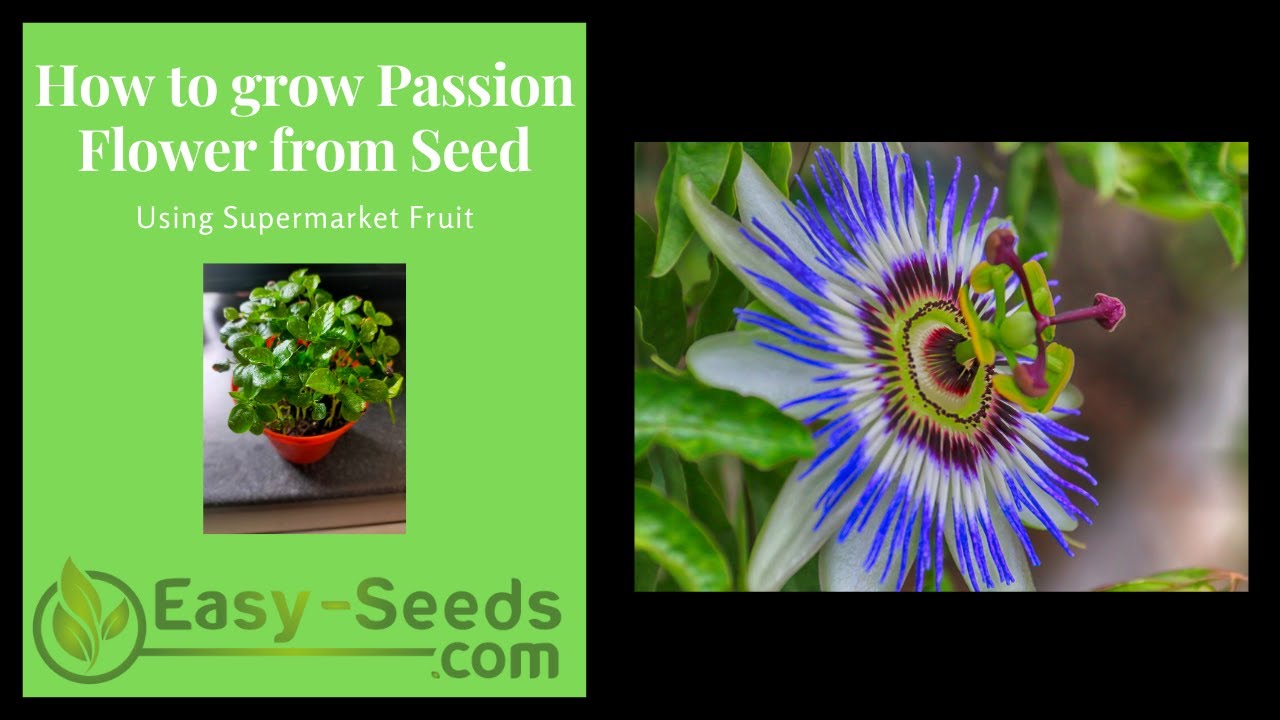
Credit: www.youtube.com
Step-by-step Guide To Planting Passion Flower Seeds
Putting theory into practice, here’s a proven, step-by-step protocol for planting passion flower seeds that actually germinate.
Step 1: Scarify And Soak
- Gently rub seeds with sandpaper or nick with a file.
- Soak in warm water (room temperature) for 24 hours.
For extra-stubborn seeds, repeat the scarification and soaking process, or use hot water for the initial soak.
Step 2: Stratify (if Required)
- For species like P. incarnata, wrap seeds in a moist paper towel in a zip bag and refrigerate for 2-4 weeks.
If you’re unsure whether stratification is needed, try splitting your batch and testing both methods.
Step 3: Prepare Containers And Soil
- Fill containers with sterile seed-starting mix.
- Moisten soil thoroughly, allowing excess water to drain.
Avoid compacting the soil; loose texture encourages root growth and oxygenation.
Step 4: Sow Seeds
- Plant each seed 1/4 inch deep.
- Cover lightly with soil.
- Gently mist the surface.
Label each tray with the date and variety for easy tracking.
Step 5: Create A Humid Environment
- Cover containers with a plastic dome or wrap to retain moisture.
- Place in a location with consistent warmth (75-85°F).
Check daily to ensure condensation forms inside the cover—a sign of good humidity.
Step 6: Monitor And Maintain
- Check daily for moisture; mist as needed.
- Remove cover as soon as seedlings appear to prevent damping-off.
If mold develops, briefly remove the cover and air out the tray.
Step 7: Transplant Seedlings
- When seedlings have 2-3 true leaves, transplant to larger pots.
- Harden off outdoors gradually before final planting.
Use a gentle touch when transplanting, as passion flower roots are delicate.
Step-by-step Timeline Table
| Action | Timing |
|---|---|
| Scarification & Soak | Day 1 |
| Stratification (if needed) | Day 2-30 |
| Sow Seeds | Day 2 or Day 31 |
| Germination Begins | 2-8 weeks after sowing |
| Transplant Seedlings | When 2-3 true leaves appear (usually 6-10 weeks after sowing) |
Maximizing Germination Rates: Advanced Techniques
For those seeking the highest success rates, advanced methods and tweaks can make a significant difference.
Using Gibberellic Acid (ga3)
Gibberellic acid is a plant hormone that can break seed dormancy. A 24-hour soak in a 250-500 ppm GA3 solution has been shown to improve germination rates for tough-to-sprout species (NCBI Study).
Caution: GA3 is potent and should be used according to manufacturer instructions. Always wear gloves and avoid inhaling powder or solution. After soaking, rinse seeds thoroughly to remove excess hormone.
Bottom Heat And Seed Mats
Maintaining consistent warmth is critical. Seedling heat mats, available from garden centers, ensure soil temperatures stay optimal even in cool climates. Look for mats with adjustable thermostats for precise control.
Mycorrhizal Inoculation
Some growers report improved seedling vigor by dusting seeds with mycorrhizal inoculant, which helps early root development. This is especially helpful in soils with low microbial activity or for gardeners using sterile mixes.
Case Study: Commercial Grower Success
A commercial grower in Queensland, Australia, used a combination of mechanical scarification, GA3 soak, and heat mats. Their germination rate for Passiflora edulis jumped from 20% (traditional method) to 82% using this advanced protocol. The grower also noted faster growth rates and earlier flowering in treated seedlings.
Caring For Seedlings After Germination
Once your passion flower seeds sprout, careful attention is required to raise healthy vines.
Light And Temperature
- Move seedlings to a bright location with indirect sunlight.
- Maintain temperatures above 65°F (18°C) for best growth.
Avoid sudden temperature changes, which can stress seedlings. For optimal development, keep nighttime lows within 5–10°F of daytime highs.
Watering And Feeding
- Water when the top 1 inch of soil dries out.
- Feed with a half-strength balanced liquid fertilizer every 2-3 weeks after the first true leaves appear.
Monitor for signs of overwatering (yellow leaves, limp stems) and adjust accordingly. For organic gardeners, use diluted fish emulsion or seaweed extract.
Preventing Damping-off And Pests
- Increase airflow around seedlings.
- Avoid overwatering.
- Inspect regularly for aphids or fungal issues.
If damping-off occurs, remove affected plants promptly and treat remaining seedlings with a gentle fungicide (e. g. , cinnamon powder or neem oil).
Transplanting Outdoors
- Harden off seedlings by gradually exposing them to outdoor conditions over 7-10 days.
- Plant in a location with full sun and well-drained soil once all danger of frost has passed.
In regions with intense sun, provide partial shade during the first week outdoors to prevent leaf scorch.
Real-world Example: Overcoming Damping-off
A gardener in Oregon lost two batches of seedlings to damping-off. On the third try, she used a sterile seed-starting mix and bottom-watering, successfully raising 15 healthy vines. She also added a small fan to improve airflow and reduced watering frequency, illustrating the importance of environmental control.
Troubleshooting Common Germination Problems
Even with the best techniques, challenges can arise. Recognizing and addressing these issues promptly increases your chances of success.
Seeds Not Germinating
- Old or non-viable seed: Check sourcing and age.
- Inadequate scarification: Try re-scarifying or soaking longer.
- Incorrect temperature: Use a heat mat to maintain 75-85°F.
If all else fails, try sowing seeds in a different medium or batch to compare results.
Mold Or Rot
- Excess moisture or poor drainage: Improve airflow, reduce watering.
- Contaminated soil: Use only sterile seed-starting mix.
Remove moldy seeds promptly and treat soil with a mild antifungal solution.
Seedlings Dying After Sprouting
- Damping-off disease: Increase ventilation, avoid crowding.
- Pests: Use organic insecticidal soap if aphids or mites appear.
Regularly inspect seedling stems for signs of rot or weakness.
Weak Growth
- Insufficient light: Move to a brighter location or use grow lights.
- Nutrient deficiency: Apply balanced fertilizer.
Monitor leaf color and size; pale, undersized leaves often indicate nutrient shortages.
Quick Reference: Troubleshooting Table
| Problem | Likely Cause | Solution |
|---|---|---|
| No germination | Old seed, lack of scarification | Use fresh, scarified seeds |
| Mold on soil | Poor ventilation, overwatering | Reduce moisture, increase airflow |
| Seedlings collapse | Damping-off | Use sterile mix, remove cover, bottom-water |
| Stunted seedlings | Low light, poor nutrition | Increase light, apply fertilizer |
Expert Tips And Real-world Success Stories
Learning from experienced growers can help you avoid common mistakes and maximize your germination rates.
Expert Tips
- Label everything: Record sowing dates and varieties to track performance.
- Patience is key: Some passion flower seeds can take up to 12 weeks to germinate.
- Experiment: Test different scarification and stratification methods for your specific species.
Consider keeping a garden journal, noting the conditions and outcomes for each batch. Over time, you’ll develop a personalized protocol for your climate and chosen species.
Success Story: From Seed To Vine
A school horticulture class in Georgia ran a passion flower germination project with three batches:
- Batch 1 (untreated): 2 of 40 seeds germinated (5%).
- Batch 2 (scarified + soaked): 14 of 40 seeds germinated (35%).
- Batch 3 (scarified, soaked, and stratified): 29 of 40 seeds germinated (73%).
Their experiment illustrates the dramatic impact of combined pre-treatments and careful monitoring. The class also noted that seedlings with the strongest root systems were those started in coconut coir-based mixes, underscoring the value of substrate choice.
Learn From The Pros
Commercial Passiflora growers frequently share insights via forums such as GardenWeb and the Royal Horticultural Society. These communities offer troubleshooting advice for unusual species and rare varieties. Engaging with online communities enables you to access up-to-date information, share experiences, and seek advice for specific challenges.
When To Give Up And Try Again
If, after 12 weeks, seeds show no sign of sprouting, revisit your methods:
- Try a different scarification technique.
- Ensure seeds are truly viable.
- Adjust temperature or humidity.
Persistence and adaptation are crucial in unlocking the secrets of passion flower seed germination. Even experienced growers occasionally face stubborn batches, so don’t be discouraged; each attempt teaches valuable lessons.
Frequently Asked Questions
How Long Does It Take Passion Flower Seeds To Germinate?
Germination times vary by species and method but typically range from 2 to 12 weeks. Fresh, properly treated seeds of Passiflora edulis and P. incarnata often sprout within 3 to 6 weeks, while older or untreated seeds may take much longer or fail to germinate altogether. Some rare species, like Passiflora mollissima, can take up to 16 weeks.
Do Passion Flower Seeds Need Light To Germinate?
No, passion flower seeds do not require light for germination. They should be sown about 1/4 inch deep in the soil. Once seedlings emerge, move them to a location with bright, indirect light to encourage healthy growth. Lack of post-germination light can lead to weak, leggy seedlings.
What Is The Best Temperature For Germinating Passion Flower Seeds?
The ideal soil temperature for passion flower seed germination is 75-85°F (24-29°C). Lower temperatures significantly slow down or inhibit germination, while higher temperatures may cause seeds to rot. Maintaining stable warmth, especially at night, is key for successful sprouting.
Can I Plant Passion Flower Seeds Directly Outdoors?
Direct sowing outdoors is generally not recommended due to unpredictable soil temperatures, moisture levels, and pest pressure. Starting seeds indoors or in a controlled environment maximizes germination success. If you do sow outdoors, wait until nighttime lows are consistently above 60°F (16°C) and keep soil evenly moist.
Are Passion Flower Seeds Poisonous Or Edible?
While the fruit of many passion flower species (especially Passiflora edulis) is edible and prized worldwide, the seeds themselves are not typically eaten. Some species’ seeds contain trace cyanogenic compounds and should not be consumed in quantity. Always consult a reputable source before ingesting any part of an unfamiliar plant (Wikipedia). If you wish to enjoy passion fruit, scoop out the pulp and discard the seeds unless you’re sure they’re safe.
The journey from passion flower seed to spectacular bloom is a lesson in patience, precision, and respect for nature’s complexity. By applying research-backed techniques and learning from experienced growers, you can dramatically improve your germination rates and enjoy the rewards of growing these captivating vines from seed.
With the right preparation, environment, and care, your passion flower seeds will transform from stubborn, dormant kernels into exuberant, blooming climbers—bringing beauty, fragrance, and even fruit to your garden for years to come.