Where Are Carrot Seeds On The Plant
Carrots are familiar residents in gardens and kitchens around the world, but few people pause to consider how these crunchy roots reproduce. For gardeners eager to save seeds or for those simply curious about the plant’s life cycle, the question arises: Where are carrot seeds on the plant? The answer opens a window into the fascinating world of biennial vegetables, pollination, and seed-saving techniques that can empower growers and deepen appreciation for this humble root.
Understanding where carrot seeds form involves exploring the plant’s flowering process, anatomy, and the specific conditions required for seed production. While supermarket carrots rarely provide clues, being harvested before maturity, carrots left to their natural cycle transform dramatically in their second year, producing towering flower stalks and intricate seed heads. This metamorphosis is not only visually striking but also critical for biodiversity, seed sovereignty, and sustainable gardening. Whether you are a home gardener, a science teacher, or simply a lover of botany, understanding the origins and location of carrot seeds can enrich your connection to the plants you grow and eat.
Key Takeaways
- Carrot seeds are produced in the plant’s second year, forming in umbrella-shaped clusters called umbels at the top of tall flowering stalks.
- Seeds develop from the fertilized flowers and are typically found in the center of the umbels, maturing from green to brown as they dry.
- Successful seed harvesting requires proper overwintering, isolation from other carrot varieties to prevent cross-pollination, and correct drying and storage techniques.
- Biennial lifecycle means carrots only flower and set seed in their second year, which is crucial knowledge for seed savers.
- Saving your own carrot seeds supports genetic diversity, reduces dependence on commercial seed sources, and is a key skill for self-sufficient gardening.
The Carrot Plant Life Cycle: From Root To Seed
Understanding where carrot seeds are located requires a look at the biennial life cycle of the plant. Unlike annuals, which complete their life cycle in a single season, carrots spend their first year focusing on root and leaf growth.
Year One: Building The Root
In the first growing season, carrots (Daucus carota subsp. sativus) devote their energy to developing the edible taproot and a rosette of leaves. This is the stage most people recognize, the crisp, orange root harvested for food. During this year, the plant does not flower or produce seed.
- Primary focus: Energy storage in the root
- Visible structures: Feathery leaves and a thickening taproot
- No seeds or flowers present
Overwintering And Vernalization
To initiate flowering, carrots require a period of cold exposure (vernalization), typically 30, 60 days at temperatures below 50°F (10°C). This natural process signals to the plant that it has survived winter and is ready to reproduce.
- Cold exposure: Essential for flowering
- Typical in temperate climates or via artificial storage for seed production
Year Two: Flowering And Seed Formation
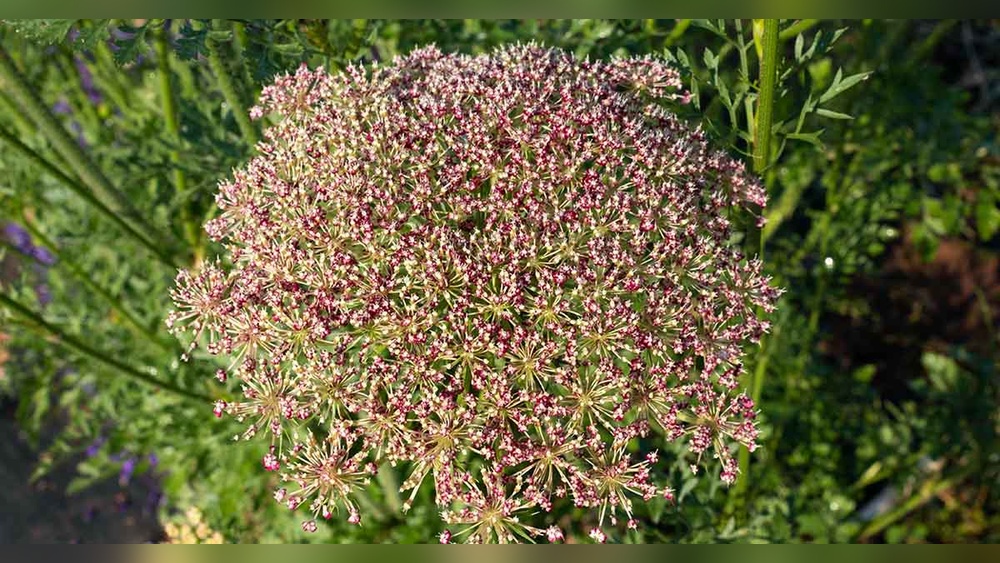
In the plant’s second year, energy stored in the root is redirected to shoot growth. The carrot sends up a tall, central flower stalk, sometimes reaching three feet or more, topped by clusters of small white flowers arranged in umbrella-like structures called umbels.
- Flowering stalk: Emerges rapidly in late spring or early summer
- Inflorescence: Compound umbels with hundreds of tiny flowers
Pollination And Seed Development
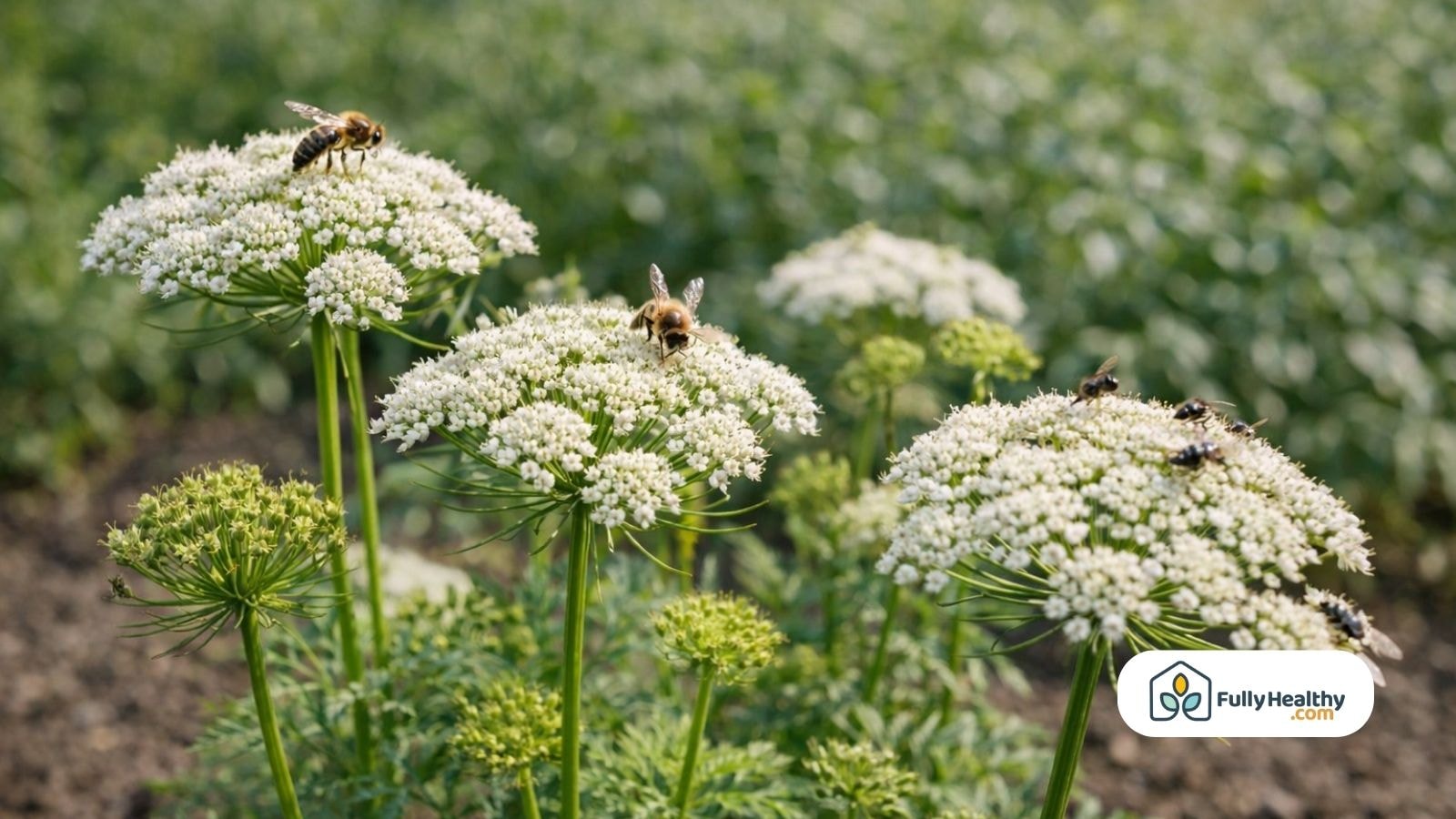
The small white flowers attract a variety of pollinators, especially bees and beneficial insects. After pollination, each fertilized flower develops a single seed. As the season progresses, the flowers dry out and the seeds mature, becoming visible as the umbels turn brown and spiky.
- Pollinators: Essential for seed set
- Each umbel: Can produce hundreds of seeds
Credit: tinyfarmblog.com
Anatomy Of A Carrot Plant: Locating The Seeds
To answer “Where are carrot seeds on the plant? ” It’s vital to understand the plant’s flowering structures and the stages of seed development.
The Flowering Stalk
The flowering stalk emerges from the center of the leafy rosette in the second year. This stalk can branch, with each branch terminating in an umbel.
- Height: Typically 2, 4 feet depending on variety and growing conditions
- Structure: Central stem with multiple branching umbels
Umbels: The Carrot’s Seed Factories
The carrot’s umbel is a compound inflorescence, meaning it consists of many smaller umbels (called umbellets) radiating from a central point. Each umbellet contains numerous tiny white flowers.
- Primary (central) umbel: First to flower, often produces the highest quality seeds
- Secondary umbels: Appear later, also viable for seed harvest but may be less robust
Example: In my experience, allowing only the central umbel to mature while removing side umbels can increase seed quality and reduce cross-pollination risk.
Flower To Seed: The Transformation
After successful pollination, the ovary of each flower swells and matures into a seed. Carrot seeds are technically “schizocarps,” dry fruits that split into two one-seeded parts.
- Early stage: Green, soft seeds attached to drying umbels
- Maturity: Brown, dry seeds easily separated from the umbel
Where To Find The Seeds
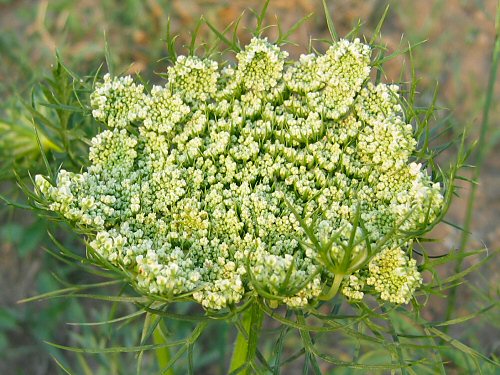
Carrot seeds are found clustered in the dried umbels at the top of the flowering stalk. They are not underground or inside the root, but rather exposed and accessible once the flower heads have dried.
- Location: Above ground, at the apex of the mature stalk
- Harvest time: Late summer to early autumn, when umbels turn brown and seeds are easily rubbed off

Credit: www.youtube.com
How Carrot Seeds Develop: Pollination, Maturation, And Harvest
Producing viable carrot seeds involves a complex sequence of biological events. From pollination to harvest, each step is influenced by environmental conditions, pollinators, and proper timing.
Pollination: Ensuring Seed Formation
Carrots are insect-pollinated, primarily by bees, flies, and wasps. This means that pollen must be transferred from the male anthers to the female stigmas, often between different plants.
- Cross-pollination: Common among carrot varieties
- Risk: Wild Queen Anne’s Lace (Daucus carota) can cross with cultivated carrots, affecting seed purity
Pro Tip: To maintain seed purity, separate different carrot varieties by at least 800, 1,600 feet, or use pollination barriers.
Seed Maturation: Timing And Indicators
After pollination, seeds take several weeks to mature. Signs of readiness include:
- Umbels turn brown and dry
- Seeds change from green to tan/brown
- Seeds feel hard and can be rubbed free from the umbel
Harvesting Seeds: Step-by-step
- Wait for dry weather to avoid mold and ensure mature seeds.
- Snip mature umbels from the stalk, ideally in the morning.
- Place umbels in paper bags or on screens to finish drying indoors.
- Rub umbels to dislodge seeds, then winnow to remove debris.
Data Table: Carrot Seed Maturation Timeline
| Stage | Visual Indicator | Time After Flowering |
|---|---|---|
| Flowering | White, open flowers | 0 weeks |
| Early Seed Set | Green, swelling seeds | 2, 4 weeks |
| Seed Maturation | Brown, dry umbels | 6, 8 weeks |
| Ready to Harvest | Seeds easily detach | 8, 10 weeks |
Storage And Viability
Properly dried carrot seeds can remain viable for 3, 4 years if stored in a cool, dry, and dark location. Labeling with date and variety ensures effective seed saving.
Credit: fullyhealthy.com
Why Most Gardeners Never See Carrot Seeds
Despite carrots being a staple crop, most people never encounter their seeds in the garden. Understanding why reveals important aspects of commercial agriculture and home gardening.
Early Harvest For Consumption
Carrots are typically harvested at the root stage during the first year, well before the plant flowers. The focus is on maximizing root quality and flavor, not seed production.
- First-year carrots: No seeds present
- Seeds only develop: After overwintering and second-year flowering
Commercial Seed Production
Seed companies grow carrots specifically for seed in isolated fields to prevent cross-pollination and ensure genetic purity. These plants are allowed to complete their biennial cycle, and only then are seeds collected.
- Commercial fields: Rarely seen by home gardeners
- Seed crops: Managed for purity, yield, and disease resistance
Queen Anne’s Lace: The Wild Counterpart
Wild carrot, or Queen Anne’s Lace, is a common roadside plant with similar umbels and seeds. However, its seeds are not used for culinary carrot production due to genetic differences.
- Seeds look similar: Not suitable for garden carrots
- Risk: Cross-pollination can produce undesirable traits
Example: Home Seed Saving Challenges
One gardener in the Pacific Northwest left carrots in the ground over winter, only to find the following summer that Queen Anne’s Lace had cross-pollinated with their carrots. The resulting seeds produced roots with poor flavor and texture, a lesson in the importance of isolation.
Step-by-step Guide: How To Harvest And Save Carrot Seeds
For those interested in saving carrot seeds from their own garden, following precise steps ensures healthy, true-to-type plants in future seasons.
Selecting Plants For Seed
Choose only the best roots to overwinter for seed production. Ideal candidates are:
- True to variety (not hybrids)
- Free from disease or deformity
- Exhibiting desirable traits (size, color, flavor)
Overwintering Carrot Roots
Carrots require vernalization to flower, so roots must survive winter. There are two main methods:
- In-ground overwintering: In mild climates, mulch roots heavily and leave them in place.
- Storage and replanting: In colder regions, lift roots after the first frost, store in damp sand at 32, 40°F, and replant in early spring.
Flowering And Isolation
Replanted carrots will send up flowering stalks. To maintain seed purity:
- Space different varieties widely
- Remove wild carrots nearby
- Consider using pollination cages or timing plantings
Harvesting And Cleaning Seeds
When umbels are dry and brown:
- Cut the umbels and place in a paper bag.
- Allow to finish drying in a well-ventilated area.
- Rub umbels gently to release seeds.
- Winnow or use a sieve to separate seeds from chaff.
Storing Seeds
Label seeds with variety and year. Store in an airtight container in a cool, dry, dark place.
- Shelf life: Up to 4 years under ideal conditions
Example: Successful Home Seed Saving
A Vermont gardener selected three top-performing ‘Danvers’ carrots, overwintered them in a root cellar, and replanted them in spring. By isolating the plants from wild carrots, they harvested over 5,000 seeds, enough for years of future crops and to share with neighbors.
Carrot Seed Structure And Identification
To the untrained eye, carrot seeds might look like tiny, bristly specks. Understanding their structure aids in proper harvest, cleaning, and sowing.
Seed Anatomy
Carrot seeds are small, flattened, and oval, measuring about 2, 3 mm long. They have fine bristles or hairs that help them disperse in the wild.
- Appearance: Light brown to grayish
- Texture: Rough, with short spines
Schizocarp Formation
Each fertilized flower produces a schizocarp, a dry fruit that splits into two mericarps (each containing one seed). Commercial seed packets sometimes contain these seeds still joined together.
Distinguishing Features
When cleaning and saving seeds, look for:
- Uniform color (tan/brown indicates maturity)
- Firm texture (immature seeds are soft)
- Absence of mold or rot
Comparison Table: Carrot Seeds Vs. Common Lookalikes
| Characteristic | Carrot Seeds | Queen Anne’s Lace Seeds | Dill Seeds |
|---|---|---|---|
| Shape | Flat, oval | Flat, oval | Flat, oval |
| Size | 2, 3 mm | 2, 3 mm | 4, 5 mm |
| Color | Light brown | Grayish brown | Brown |
| Bristles | Short, fine | Longer, hooked | Smooth |
| Smell | Earthy | Earthy | Strongly aromatic |
Pro Tip: When collecting seeds, always confirm plant identity, especially in wild settings, to avoid confusion with similar-looking but unrelated plants.
Seed Saving For Biodiversity And Food Security
Beyond curiosity, knowing where carrot seeds are found empowers gardeners to participate in seed saving, which has broad implications for biodiversity, local adaptation, and food sovereignty.
Genetic Diversity
Saving seeds from your own carrots allows you to select plants best suited to your climate, soil, and preferences. Over time, this leads to locally adapted varieties that may outperform commercial types.
- Adapting to local pests and diseases
- Improving resilience to climate variability
Food Security And Seed Independence
Relying solely on purchased seeds can leave gardeners vulnerable to supply chain disruptions or loss of traditional varieties. Home seed saving fosters self-reliance and helps preserve unique carrot types.
Community Seed Sharing
Many gardeners exchange seeds through local seed swaps or community organizations, spreading diversity and knowledge. By understanding how and where to harvest carrot seeds, you can contribute to these networks.
Example: Seed Library Initiatives
Organizations like the Seed Savers Exchange in the US support the preservation of heirloom carrot varieties by encouraging gardeners to save and share seeds, maintaining traits that might otherwise be lost in commercial breeding.
Common Challenges And Solutions In Carrot Seed Production
While harvesting carrot seeds is rewarding, several challenges can arise. Addressing them effectively ensures successful seed saving.
Cross-pollination With Wild Carrots
Wild carrot (Queen Anne’s Lace) can cross with cultivated carrots, leading to undesirable traits in the next generation.
- Solution: Remove wild carrots within a 1-mile radius or use pollination cages.
Disease Management
Overwintered carrot roots are susceptible to rot and fungal diseases.
- Solution: Store roots in well-drained, cool, and humid conditions, or mulch heavily if left in-ground.
Insect Damage
Aphids and other pests can attack flowering stalks, reducing seed yield.
- Solution: Monitor plants regularly and encourage beneficial insects for natural pest control.
Seed Maturation Issues
Rain during seed maturation can cause mold or premature sprouting.
- Solution: Harvest umbels as they begin to dry and finish drying indoors.
Data Table: Troubleshooting Common Carrot Seed Issues
| Problem | Cause | Solution |
|---|---|---|
| Low seed set | Poor pollination | Attract more pollinators; plant in clusters |
| Moldy seeds | Wet weather during maturation | Harvest and dry indoors |
| Off-type seedlings | Cross-pollination | Isolate varieties; remove wild carrots |
| Root rot in storage | Excess moisture | Store in damp sand, not wet; monitor temperature |
Real-world Examples Of Carrot Seed Production
Examining case studies and real-world practices highlights the diversity of approaches to carrot seed production and the importance of understanding seed location.
Community Garden Seed Harvest
In a Toronto community garden, participants selected their best carrots for seed, overwintered them in straw mulch, and observed the tall flowering stalks the next summer. By marking and isolating these plants, they produced seeds shared among members, fostering local food security.
Research Station Trials
At the USDA’s National Plant Germplasm System (NPGS), breeders maintain isolated carrot seed plots, rigorously documenting pollination and seed development. Their work preserves genetic resources and informs commercial breeding.
USDA National Plant Germplasm System
Small-scale Organic Seed Production
A small seed company in Oregon grows open-pollinated carrot varieties, using mesh cages and hand pollination to maintain variety purity. Their detailed tracking of seed maturation stages ensures high germination rates and quality for customers.
Frequently Asked Questions
What Do Carrot Seeds Look Like And How Can I Identify Them?
Carrot seeds are small, flat, and oval, usually light brown or grayish with fine bristles. They measure about 2, 3 mm in length. Unlike larger seeds (such as beans or peas), carrot seeds are light and may stick together due to their hairy surface. When mature, they detach easily from the dried umbel. To identify them, compare to reliable images from reputable sources such as the Wikipedia Carrot Entry.
Can I Collect Seeds From Supermarket Carrots?
Most supermarket carrots are harvested before they reach flowering stage, so they do not contain seeds. Additionally, many are hybrids (F1), so even if allowed to flower, the resulting seeds may not produce true-to-type plants. For reliable seed saving, use open-pollinated, non-hybrid varieties and allow them to complete their biennial life cycle.
How Many Seeds Does One Carrot Plant Produce?
A single healthy carrot plant can produce thousands of seeds. The central umbel typically yields the highest quality seeds, but side umbels also contribute. Large-scale seed production fields can harvest over a pound of seed from a small plot. However, actual yield depends on plant health, pollination success, and growing conditions.
How Long Are Carrot Seeds Viable For Planting?
When stored in a cool, dry, and dark location in airtight containers, carrot seeds remain viable for 3, 4 years. Germination rates decline over time, so it’s best to use fresher seeds for optimal results. Always label storage containers with the date and variety for tracking.
Is It Necessary To Isolate Carrot Plants For Seed Production?
Yes, isolating carrot plants is important to prevent cross-pollination with other carrot varieties or wild relatives like Queen Anne’s Lace. Without isolation, seeds may produce plants with undesirable traits. Isolation can be achieved by spacing varieties far apart, using physical barriers, or coordinating flowering times to avoid overlap.
The journey from root to seed in carrots is a remarkable process, revealing the complexity behind a common vegetable. By understanding the life cycle, flowering structures, and precise location of seeds on the plant, gardeners and enthusiasts can participate in seed saving and stewardship.
Harvesting your own carrot seeds not only connects you more deeply to your garden but also supports biodiversity and sustainable food systems. Whether you’re experimenting for the first time or refining your technique, the knowledge of where carrot seeds are found is a small but vital piece of the gardening puzzle.