Where Are the Seeds Located in a Sunflower Plant? Explained
Sunflowers are among the most recognizable and beloved plants worldwide, their vibrant yellow petals and towering stems making them a symbol of summer and vitality. But beyond their aesthetic appeal, sunflowers are also valued for their seeds—tiny powerhouses of nutrition and agricultural importance. If you’ve ever admired a sunflower’s impressive face, you may have wondered: where exactly are the seeds located in a sunflower plant? This seemingly simple question opens up a fascinating world of plant anatomy, seed biology, and agricultural science.
Understanding where sunflower seeds are found isn’t just a matter of curiosity. For gardeners, farmers, and even casual observers, knowing the precise location and structure of sunflower seeds can unlock insights into optimal harvesting, the plant’s reproductive cycle, and why sunflowers have become such a vital crop worldwide.
This article delves deep into the heart of the sunflower to answer this question thoroughly, drawing on expert research, real-world examples, and data-driven comparisons.
Key Takeaways
- Sunflower seeds are located within the plant’s large, circular flower head, embedded in its central disc.
- Each seed develops inside a floret—a small, individual flower that collectively forms the sunflower’s iconic head.
- The arrangement of seeds follows a Fibonacci spiral pattern, maximizing seed number and packing efficiency.
- The location and density of seeds impact harvest techniques, seed yield, and commercial value.
- Understanding seed location informs gardening, farming, and food production practices.

Credit: nuseed.com
Anatomy Of The Sunflower: Identifying The Seed-bearing Structures
To truly grasp where sunflower seeds are located, it’s essential to first break down the plant’s anatomy. The sunflower (Helianthus annuus) is a member of the Asteraceae family, renowned for its complex composite flower head.
The Composite Flower Head
Unlike typical flowers, a sunflower’s “face” is not a single bloom but a composite inflorescence called a capitulum. This structure consists of two main components:
- Ray florets: The bright yellow “petals” around the edge, which are sterile and serve only to attract pollinators. These ray florets are visually striking and play a crucial ecological role by signaling to insects and birds, but they do not produce seeds.
- Disc florets: Hundreds to thousands of tiny, tubular flowers densely packed in the central disc—these are the true reproductive organs. Each disc floret is structurally designed for pollination and subsequent seed development.
The composite nature of the sunflower head is an evolutionary adaptation that maximizes reproductive success. By clustering many florets together, sunflowers efficiently attract pollinators and produce large quantities of seeds in a compact space. This arrangement is seen in many members of the Asteraceae family but is particularly pronounced in sunflowers due to their size and seed density.
Disc Florets: The Birthplace Of Seeds
It is within the disc florets that the magic happens. Each disc floret is a miniature flower capable of producing one seed. As the florets mature, they are pollinated (often with the help of bees or wind), and the ovary at the base of each floret develops into a single sunflower seed.
Disc florets are arranged in concentric circles and spirals, starting from the outer edge of the central disc and moving inward. The outermost florets mature and are pollinated first, followed by the inner ones. This sequential maturation is known as centripetal flowering, and it ensures a steady supply of pollen for pollinators and a continuous process of seed development.
Seed Location Visualization
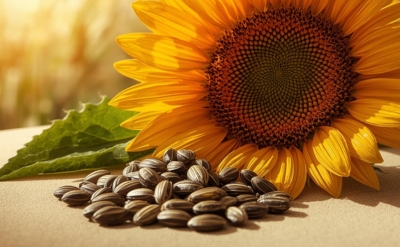
Consider the sunflower head as a giant mosaic. The seeds are not scattered randomly, but are embedded within the central disc, filling the area from the inner edge of the ray florets all the way to the center.
If you gently pull away the ray florets, you will see a tightly packed arrangement of disc florets, each one potentially housing a developing seed. In mature sunflowers, these seeds are visible as the plump, striped or black grains familiar in snack foods and bird feed.
Real-world Example: The Mammoth Sunflower
The Mammoth sunflower, known for its giant heads (sometimes up to 18 inches across), can contain over 2,000 disc florets, each with the potential to yield a seed. This makes the central disc the most valuable real estate of the plant, both for wildlife and human harvesters.
For gardeners growing Mammoth sunflowers, the sheer volume of seeds in the central disc can provide ample harvest for both culinary and planting purposes. Farmers cultivating these varieties for commercial purposes benefit from higher yields and more efficient harvesting, thanks to the dense seed packing within the disc.
The Development And Structure Of Sunflower Seeds
Understanding where sunflower seeds are located also means exploring how they develop and what their structure entails.
Stages Of Seed Development
Sunflower seeds progress through several distinct stages:
- Fertilization: Following pollination, the ovary in each disc floret begins seed formation. This process is critical, as successful pollination directly influences the number of seeds produced. Inadequate pollination due to poor weather or lack of pollinators results in empty spaces within the disc.
- Immature Seed Formation: The seed, initially soft and green, forms within the floret base. At this stage, the seed is vulnerable to environmental stressors, pests, and diseases.
- Maturation: The seed hardens, accumulates oils and nutrients, and its outer hull develops the characteristic black or striped appearance. The maturation process also includes the drying of surrounding floral tissues, which eventually facilitate easy seed extraction.
- Harvest Readiness: When the back of the sunflower head turns yellow-brown and the seeds are firm, they are ready for harvest. At this stage, seeds are fully formed and have reached their maximum nutritional value.
This developmental timeline is influenced by factors such as temperature, sunlight exposure, and soil moisture. Commercial producers often monitor these variables closely to optimize harvest timing.
Seed Anatomy
Each sunflower seed consists of:
- Hull (pericarp): The tough outer shell, either black or striped, depending on variety. The hull protects the seed from physical damage and desiccation. Its coloration is a useful identifier for seed variety.
- Kernel: The edible, nutrient-rich core used in snacks, oil production, and birdseed. The kernel contains essential fatty acids, proteins, vitamins, and minerals.
- Embryo: The living part of the seed, capable of sprouting into a new plant. The embryo is surrounded by a thin layer of endosperm, which provides nourishment during germination.
Sunflower seeds are classified botanically as achenes, meaning they are single-seeded fruits with a hard outer shell. This anatomy is ideal for protecting the seed during dispersal and for maintaining viability during storage.
Case Study: Oilseed Vs. Confectionery Sunflowers
There are two primary types of sunflower cultivars, differentiated by their seed use:
| Type | Seed Appearance | Main Use | Seed Location Density |
|---|---|---|---|
| Oilseed Sunflowers | Small, black seeds | Oil extraction | Higher (tighter packing) |
| Confectionery Sunflowers | Larger, striped seeds | Snacking, baking | Lower (larger seeds, slightly wider spacing) |
This comparison illustrates that while all seeds are located within the disc, the density and arrangement can vary by variety and intended use.
The selection of sunflower varieties for specific purposes is a major aspect of agricultural planning. Oilseed sunflowers are bred for maximal seed production per head, with smaller seeds packed tightly together. Confectionery sunflowers, meanwhile, produce larger seeds that are easier to consume and process for food products.
External Reference
For an in-depth botanical description of sunflower seed development, see the ScienceDirect overview on sunflower biology.
Credit: www.perfumersworld.com
The Fibonacci Sequence And Seed Arrangement
One of the most fascinating aspects of sunflower seed location is their arrangement within the head. Nature has optimized sunflower seed packing using mathematical principles.
The Fibonacci Spiral
Seeds in a sunflower head are arranged in spiral patterns that adhere closely to the Fibonacci sequence. If you look closely at a mature sunflower, you’ll see two sets of spirals—one winding clockwise, the other counterclockwise.
This spiral arrangement is not merely aesthetic; it is a mathematical solution to the problem of efficiently filling a space with objects of similar size. The number of spirals is not random but follows the Fibonacci sequence, where each number is the sum of the two preceding numbers (1, 1, 2, 3, 5, 8, 13, etc.
). In sunflowers, you often see spiral counts that correspond to Fibonacci numbers, such as 34 and 55, or 89 and 144.
Why The Fibonacci Pattern?
This arrangement maximizes the number of seeds that can fit within the disc, ensuring efficient use of space and even sunlight exposure for developing seeds. The golden angle (approximately 137.5°) between successive seeds prevents overlapping and crowding.
Mathematically, the golden angle ensures that each seed is placed at a unique point, avoiding direct alignment with any other seed and thus creating a uniform distribution. This pattern is seen not just in sunflowers but in pinecones, pineapples, and many other plants.
Data Table: Seed Density By Head Size
| Sunflower Head Diameter (inches) | Average Number of Seeds | Approximate Spiral Count (CW/CCW) |
|---|---|---|
| 6 | 800 | 34/55 |
| 12 | 1,600 | 55/89 |
| 18 | 2,000+ | 89/144 |
Real-world Example: Mathematical Optimization
Botanists have studied the phyllotactic pattern of sunflower heads to inspire everything from computer algorithms to architectural design. The sunflower’s natural packing efficiency has even been used to optimize solar panel arrays, as detailed in this Nature research article.
In agricultural research, understanding the spiral arrangement helps breeders develop varieties with optimal seed density and uniformity. In architectural design, the sunflower’s pattern has been applied to maximize space utilization and structural stability.
Impact On Seed Location
Because of this spiral packing, every available space in the central disc is occupied by a seed, making the disc the true heart of the sunflower’s reproductive system.
The spiral pattern also facilitates airflow and sunlight penetration, which are vital for seed maturation and drying. This natural efficiency is a testament to the evolutionary ingenuity of the sunflower.
Harvesting Sunflower Seeds: Methods And Implications
The location of seeds within the sunflower head directly impacts how they are harvested and processed.
Manual Vs. Mechanical Harvesting
- Manual Harvesting: Gardeners often cut the entire head when the seeds are mature, then rub or shake the seeds free from the disc. This method is practical for small-scale growers and hobbyists and allows for careful selection of the best seeds.
- Mechanical Harvesting: In commercial agriculture, specialized machines strip the seeds from the heads in the field, taking advantage of the uniform seed location. Harvesters are designed to efficiently remove seeds from the central disc while minimizing damage.
Optimal Harvest Time
Recognizing the precise location of mature seeds—deep in the disc, surrounded by drying florets—is key to determining the right harvest time. Seeds left too long may be lost to birds or rot, while premature harvest yields underdeveloped seeds.
Farmers often monitor the color of the back of the sunflower head, the firmness of the seeds, and the dryness of the surrounding tissue. These indicators help determine the ideal harvest window for maximum yield and quality.
Case Study: Commercial Sunflower Farming In Ukraine
Ukraine is a leading sunflower producer, accounting for over 30% of global sunflower oil exports. Farmers monitor the color change of the back of the sunflower head (from green to yellow-brown) as a cue that seeds within the disc are ready to be collected.
This synchronization ensures maximum yield and oil content.
Ukrainian farmers also utilize GPS-guided harvesters and precision agriculture tools to optimize harvest timing and minimize losses. The predictability of seed location within the disc simplifies logistical planning and boosts efficiency.
Seed Extraction Techniques
- Threshing: The process of separating seeds from the head, often using mechanical agitation. Threshers are calibrated to target the central disc, ensuring thorough seed removal.
- Winnowing: Removing debris and chaff from the seeds, which are all sourced from the central disc.
In large-scale operations, seeds are often cleaned, dried, and sorted by size and quality before further processing.
External Reference
For detailed harvesting protocols and seed extraction methods, consult the North Dakota State University Sunflower Production Guide.
Factors Affecting Seed Location And Yield
Not all sunflower heads produce the same number or quality of seeds. Several environmental and genetic factors influence seed development within the disc.
Pollination Success
Sunflower seed formation depends heavily on successful pollination of the disc florets. Poor pollination can leave gaps in the seed pattern, creating empty spots in the central disc.
- Bee activity is crucial, as bees transfer pollen among florets. Fields with abundant bee populations consistently show higher seed density and fewer gaps.
- Weather conditions (rain, wind) during the flowering phase can impact pollination rates. Excessive rain can wash away pollen, while high winds may disrupt pollinator activity.
In areas with limited pollinator presence, farmers may employ managed bee colonies or alternative pollination strategies to improve seed set.
Genetics And Cultivar Selection
Different sunflower varieties have been bred for:
- Higher seed yield
- Larger seed size
- Increased oil content
These traits influence how densely seeds are packed within the disc and the overall appearance of the seed mosaic. Genetic engineering and selective breeding have allowed for the development of sunflowers with enhanced resistance to disease, improved oil profiles, and optimal seed arrangement.
Environmental Stressors
- Drought: Reduces the number of florets that successfully set seed. Water stress during flowering leads to smaller heads and fewer seeds per disc.
- Pest pressure: Insects like the sunflower moth can damage disc florets, resulting in fewer viable seeds. Integrated pest management is vital for preserving seed yield.
- Soil fertility: Poor soil leads to smaller heads and lower seed density. Nutrient deficiencies, particularly in nitrogen and potassium, can significantly impact seed development.
Farmers often use soil amendments, irrigation, and pest control measures to mitigate these stressors and maximize seed yield.
Data Table: Factors And Their Impact On Seed Location
| Factor | Effect on Seed Location/Density | Example |
|---|---|---|
| Bee Pollination | Increases filled seeds, reduces gaps | Fields near apiaries have higher yield |
| Drought Stress | Reduces total number of seeds | Dry summers lead to patchy heads |
| Genetic Variety | Alters seed size and arrangement | Oilseed vs. confectionery types |
External Reference
For more on pollination and environmental impacts, visit the Food and Agriculture Organization’s sunflower production resource.
The Role Of Seed Location In Sunflower Ecology And Evolution
The central disc’s role as the seed repository is not just a biological curiosity—it’s a critical adaptation that has shaped the sunflower’s evolutionary success.
Attraction Of Pollinators And Seed Dispersers
- The dense arrangement of florets within the disc maximizes the plant’s reproductive potential by drawing in pollinators. The large, flat surface provides easy access for insects, ensuring widespread pollen transfer.
- Once seeds mature, the exposed location in the disc makes them accessible to birds and mammals, aiding in dispersal.
This accessibility is a double-edged sword: while it facilitates dispersal, it also makes seeds vulnerable to predation. However, the sunflower compensates by producing a large number of seeds, ensuring that some will survive and propagate.
Natural Selection And Seed Security
Having all seeds located in one easily accessible area (the disc) might seem risky, but it ensures that even if some are lost to predators, many will survive to germinate. The sheer number of seeds offsets predation losses.
Sunflowers have evolved mechanisms such as tough seed hulls and synchronized maturation to increase survival rates. Additionally, the central disc’s structure can deter some pests while allowing beneficial pollinators easy access.
Real-world Example: Sunflowers In Wild Habitats
In North American prairies, wild sunflowers serve as a critical food source for birds such as goldfinches and mammals like squirrels. These animals target the central disc, extracting seeds directly from their embedded positions.
The sunflower’s ecological role extends beyond food supply; it also provides habitat for beneficial insects and contributes to soil health through deep root systems.
Evolutionary Advantages Of Centralized Seed Location
- Efficient packing allows for more seeds per plant.
- Synchronous maturation enables mass dispersal events, overwhelming seed predators.
- Ease of harvest by humans has led to the sunflower’s domestication and spread across continents.
Sunflowers are now grown globally, with their centralized seed location being a key factor in their agricultural success.
External Reference
To explore the evolutionary biology of sunflowers, see the Britannica entry on sunflower evolution.
Sunflower Seeds In Agriculture And Food Production
The strategic location of seeds in the sunflower head underpins their massive value in agriculture and food systems worldwide.
Commercial Harvesting Practices
Modern sunflower farming relies on the predictable location of seeds within the disc for:
- Efficient mechanical harvesting
- Minimized seed loss
- Uniform drying and processing
Harvesters are designed to target the central disc, stripping seeds quickly and cleanly. This efficiency reduces labor costs and increases profitability for producers.
Seed Uses And Economic Importance
Sunflower seeds are used for:
- Edible snacks and garnishes
- Oil production (one of the world’s major vegetable oils)
- Birdseed mixtures
- Livestock feed
Their versatility makes sunflowers a staple crop in many regions. Sunflower oil, in particular, is valued for its high linoleic acid content and neutral flavor.
Global Production Data
According to the Statista sunflower seed production statistics:
- The top three sunflower seed producers are Russia, Ukraine, and Argentina.
- Global production exceeded 50 million metric tons in 2026.
This global distribution highlights the sunflower’s adaptability and importance in both temperate and subtropical climates.
Harvesting Innovations
- Hybrid varieties have been developed with optimized head shape and seed density for easier machine harvesting.
- Desiccants may be used to dry heads evenly, ensuring all seeds in the disc reach maturity at the same time.
These innovations allow for greater flexibility in harvest timing and reduce losses due to weather unpredictability.
Real-world Example: Snack Food Production
Major snack brands source sunflower seeds directly from the central discs of confectionery sunflower heads. The uniformity of seed location within the disc streamlines sorting, roasting, and packaging processes.
Quality control is facilitated by the predictable arrangement, allowing automated sorting machines to efficiently process large volumes of seeds.
External Reference
For a comprehensive overview of sunflower processing, check the USDA’s guide to sunflower harvesting and processing.
Frequently Asked Questions
Where Exactly Are Sunflower Seeds Located In The Plant?
Sunflower seeds are found within the central disc of the sunflower head. Each seed forms at the base of a tiny disc floret, densely packed in a spiral pattern within this disc. The seeds are not present in the yellow ray florets or elsewhere on the plant.
How Many Seeds Does A Typical Sunflower Head Contain?
The number of seeds varies by sunflower variety and head size. On average, a standard sunflower head can contain between 800 and 2,000 seeds, with some giant varieties exceeding this range.
Do All Sunflowers Produce Edible Seeds?
Most cultivated sunflowers produce edible seeds, but wild or ornamental varieties may have smaller, less palatable seeds. Commercial varieties are bred specifically for seed size, taste, and oil content.
What Is The Significance Of The Spiral Pattern In Sunflower Seed Arrangement?
The spiral pattern follows the Fibonacci sequence, allowing the plant to pack the maximum number of seeds into the disc efficiently. This arrangement ensures even spacing and optimal development for each seed.
How Can I Harvest Seeds From My Own Sunflowers?
Wait until the back of the sunflower head turns yellow-brown and the seeds are plump and firm. Cut the head, let it dry, and then rub or shake the seeds free from the central disc. Store seeds in a cool, dry place.
Sunflowers, with their iconic faces turned toward the sun, are not just striking ornamental plants—they are marvels of biological engineering. Their seeds, meticulously arranged in the central disc, reflect a perfect blend of aesthetic beauty and mathematical precision. Understanding the precise location and development of sunflower seeds unlocks deeper appreciation for their ecological, agricultural, and cultural significance.
Whether you’re a gardener eager to harvest your own seeds, a farmer seeking optimal yields, or simply a nature enthusiast, the story of where sunflower seeds are located is a testament to the wonders hidden in plain sight. For more on this, see our guide on Seeds & Bulbs.