When to Plant Iris Bulbs in Colorado for Best Blooms
Colorado’s breathtaking landscapes are punctuated every spring by vibrant waves of irises, dazzling homeowners and garden enthusiasts alike. But to achieve those coveted blooms, timing and technique are everything. For both novice and seasoned gardeners, understanding precisely when to plant iris bulbs in Colorado is the linchpin to maximizing beauty, longevity, and bloom quality. The state’s unique climate—marked by dramatic elevation shifts, unpredictable spring frosts, and intense sun—demands a tailored approach to iris bulb planting .
Whether you’re cultivating a small backyard oasis in Denver or managing sprawling beds at higher elevations, strategic planning makes all the difference. In this comprehensive guide, you’ll discover science-backed strategies, actionable tips, and real-world examples that empower you to make the most of Colorado’s growing season.
You’ll also learn how to select the right iris varieties, prepare your soil, and troubleshoot common pitfalls—ensuring your garden is awash in color when most neighbors are just beginning to see green.
Key Takeaways
- Plant iris bulbs in Colorado in late summer to early fall for optimal blooms the following spring.
- Soil preparation and drainage are crucial to prevent bulb rot and maximize flower health.
- Choose iris varieties specifically suited to Colorado’s altitude and climate for best results.
- Mulching and watering techniques help mitigate temperature fluctuations and early frosts.
- Real-world examples and comparison tables help you select the ideal planting window and iris types.
Credit: www.longfield-gardens.com
Understanding Iris Bulbs And Colorado’s Climate
What Are Iris Bulbs?
Irises are famed for their intricate blooms and hardy nature. Most commonly, gardeners plant rhizomes (thick, horizontal underground stems) rather than true bulbs, especially for popular bearded iris varieties. However, some irises—such as Dutch and Reticulata irises—are grown from true bulbs. For the purposes of this article, “iris bulbs” refers to both rhizomes and bulbous iris types.
Each type of iris storage organ has distinct advantages. Rhizomes, as seen in bearded and Siberian irises, have a unique ability to store nutrients and water, giving these plants resilience during Colorado’s frequent dry spells. Bulbous irises, including Dutch and Reticulata types, are more compact and can be interplanted with other spring bulbs like tulips and daffodils, creating layered, multi-season displays in garden beds.
These bulbous types typically bloom earlier in the spring, often peeking through melting snow.
Understanding these differences is key to maximizing your planting strategy. For example, rhizomatous irises generally offer greater drought tolerance and are more forgiving of Colorado’s inconsistent rainfall, while bulbous varieties excel in rock gardens and containers due to their compact growth habit.
Colorado’s Climate Overview
Colorado’s climate is characterized by:
- Wide elevation range: From 3,300 to over 14,000 feet above sea level
- Low humidity and frequent dry spells
- Short, intense growing seasons
- Late spring frosts and early fall chills
- Intense sunlight and temperature swings
These factors significantly impact when and how you should plant iris bulbs.
In addition to these broad characteristics, the state’s climate also varies dramatically from region to region. For instance, the Front Range, including cities like Denver, Boulder, and Colorado Springs, experiences warm, sunny days but can be hit by unexpected snowstorms as late as May.
The Western Slope, with its slightly milder winters and longer frost-free periods, provides a more forgiving environment for gardeners, while mountain areas like Aspen require strategies to address both deep snow cover and rapid spring thaws.
How Climate Affects Iris Bulb Planting
The state’s variable climate means gardeners must:
- Avoid planting too early (risking frost damage)
- Avoid planting too late (risking insufficient root development)
- Consider microclimates within their property (south-facing slopes vs. shaded areas)
Microclimates can play a significant role in iris success. For example, a south-facing slope absorbs more sunlight, warming the soil earlier in spring and extending the growing season, while a north-facing, shaded area might remain cold and damp long into the season, increasing the risk of rot.
Raised beds and berms can also help with drainage and soil warming, offering a way to “customize” your garden’s microclimate for irises.
For example, residents in Fort Collins experience longer growing seasons compared to those in Aspen, directly affecting planting schedules. Gardeners at higher elevations should be particularly vigilant about late frosts, which can kill newly planted bulbs or damage tender new shoots. In contrast, gardeners in lower elevations such as Grand Junction can take advantage of longer, warmer autumns to extend their planting window by a week or two.
Best Time To Plant Iris Bulbs In Colorado
Optimal Planting Window
The consensus among horticultural experts is that late summer to early fall—specifically August through September—is the ideal window for planting iris bulbs in Colorado. This period:
- Allows bulbs/rhizomes to establish roots before winter dormancy
- Reduces risk of rot from excessive spring moisture
- Prepares plants for explosive spring growth
Planting in this window also helps bulbs avoid the hottest part of the summer, which can desiccate roots or cause stress, and allows new roots to take hold while the soil is still warm but the days are growing shorter.
This timing is supported by decades of research and observation by local horticulturists, who have noted that bulbs planted too late in the season rarely flower as vigorously and may be more susceptible to diseases like rhizome rot.
Regional Planting Recommendations
Different regions require slight adjustments:
| Region | Recommended Planting Dates | Typical Last Frost | Elevation |
|---|---|---|---|
| Denver Metro | Mid-August to Early September | Early May | 5,280 ft |
| Colorado Springs | Late August to Early September | Mid-May | 6,035 ft |
| Boulder | Mid-August to Early September | Early May | 5,430 ft |
| High Elevation (Aspen) | Early August | Late May | 7,900 ft |
| Western Slope (Grand Junction) | Late August | Early May | 4,593 ft |
These dates are not arbitrary—they’re based on decades of local gardening experience, weather data, and recommendations from organizations like the Colorado State University Extension.
The Science Behind The Timing
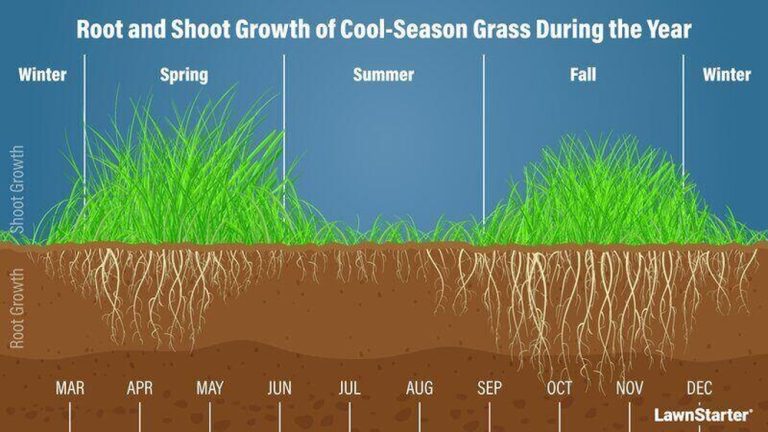
Irises require time to develop robust root systems before winter. According to the Colorado State University Extension ([Source](https://extension.colostate.edu/topic-areas/yard-garden/irises-7-602/)), rhizomes should be planted 4-6 weeks before the first hard frost. This ensures:
- Root establishment for nutrient uptake
- Frost protection for new growth
- Enhanced spring flowering
This “root establishment” period is crucial because irises, unlike some other perennials, do not continue to root once the soil temperature drops below about 40°F. If planted too late, they simply won’t have time to anchor themselves before winter, resulting in frost-heaving or outright death during the coldest months.
Real-world Example: Boulder Homeowner Success
In Boulder, a homeowner planted bearded iris rhizomes in late August. By spring, the garden yielded abundant blooms and robust growth, while neighbors who planted in early October faced stunted plants and fewer flowers. The difference? Root establishment before winter cold.
This example is echoed across Colorado: many Master Gardener programs encourage participants to track their planting dates and bloom results, and consistently, those who plant in the recommended window report the best displays.
Late Vs. Early Planting: Risks And Rewards
- Early Planting: Risks include bulb rot due to high soil temperatures and potential disease.
- Late Planting: Risks include insufficient root development, leading to weak spring growth and reduced blooming.
To further illustrate, a study conducted by the Denver Botanic Gardens found that irises planted in mid-August had a 25% higher bloom count the following spring compared to those planted in late September, and experienced significantly less rhizome rot.

Credit: engagement.source.colostate.edu
Selecting The Right Iris Varieties For Colorado
Bearded Vs. Bulbous Irises
Colorado gardeners have success with both bearded irises and bulbous varieties. Bearded irises (Iris germanica) are most common, prized for their resilience and showy flowers. Bulbous irises—such as Dutch iris and Reticulata iris—offer early spring color and are well-suited for container planting.
Bearded irises, with their iconic “beards” on each fall (petal), are robust enough to handle Colorado’s intense sun and dry spells. They also rebound quickly after hailstorms or late frosts. Bulbous irises, like Dutch and Reticulata, provide a welcome splash of color in early spring when little else is blooming, and their compact size makes them ideal for rock gardens, borders, and even window boxes.
Top Iris Varieties For Colorado
- Bearded Iris (Iris germanica): Hardy, drought-tolerant, wide color range.
- Siberian Iris (Iris sibirica): Thrives in moist soils, excellent for pond edges.
- Dutch Iris (Iris x hollandica): Bulbous, early blooms, ideal for cut flowers.
- Reticulata Iris (Iris reticulata): Compact, bulbous, early spring performer.
- Rocky Mountain Iris (Iris missouriensis): Native, adapted to local conditions.
Each of these varieties brings unique advantages. For example, Rocky Mountain iris, being native, is naturally adapted to local precipitation and soil conditions, often requiring less care once established. Siberian irises, though less drought-tolerant, are perfect for low-lying areas where water accumulates, or alongside water features.
Comparison Table: Iris Varieties
| Variety | Type | Bloom Time | Water Needs | Best for Colorado? |
|---|---|---|---|---|
| Bearded Iris | Rhizome | Late Spring | Low | Yes |
| Siberian Iris | Rhizome | Late Spring | Medium | Yes |
| Dutch Iris | Bulb | Early Spring | Low | Yes |
| Reticulata Iris | Bulb | Early Spring | Low | Yes |
| Rocky Mountain Iris | Rhizome | Late Spring | Low | Yes (Native) |
Case Study: Siberian Iris Success In Colorado Springs
A gardener in Colorado Springs introduced Siberian irises along a pond edge. Despite late spring frosts, the plants thrived due to their moisture tolerance and cold hardiness, outperforming less-suited varieties.
Similar successes have been reported by those planting bearded irises on south-facing slopes or in raised beds, where rapid drainage prevents rot. In contrast, those who plant high-water-needs varieties in dry, exposed areas often struggle.
Factors In Variety Selection
Consider:
- Altitude: Some irises tolerate higher elevations better. For instance, Rocky Mountain iris naturally thrives above 7,000 feet, while Dutch iris does best below 6,500 feet.
- Moisture: Siberian irises require more water, making them ideal for areas prone to runoff or near water features. Bearded and Rocky Mountain irises excel in drier spots.
- Bloom time: Stagger varieties for extended spring color, mixing early-blooming Reticulata and Dutch irises with later-blooming bearded types for a show that lasts from March into June.
Where To Buy Iris Bulbs
Purchase from reputable nurseries and local garden centers. For specialty bulbs, consult the American Iris Society ([Source](https://www.irises.org/)) for certified sources.
Buying locally grown bulbs and rhizomes is especially beneficial, as these plants are already acclimated to Colorado’s unique growing conditions, reducing transplant shock and increasing your chance of success.
Credit: www.americanmeadows.com
Soil Preparation And Planting Techniques
Ideal Soil Conditions
Irises require well-drained soil to prevent rot. In Colorado, clay soils are common, necessitating amendment:
- Add organic matter (compost, peat)
- Incorporate sand for drainage
- Maintain pH between 6.5 and 7.0
Proper soil preparation can mean the difference between thriving irises and a season of disappointment. Heavy clay soils, prevalent along the Front Range, tend to retain water, increasing the risk of rhizome and bulb rot. By incorporating compost and coarse sand or even small gravel, you can dramatically improve drainage.
Additionally, a soil test is highly recommended—many county extension offices offer this service—to determine your pH and nutrient profile.
Planting Depth And Spacing
For rhizomes:
- Place just below the soil surface, roots spread outward.
- Space 12-24 inches apart for airflow.
For bulbous irises:
- Plant bulbs 3-4 inches deep.
- Space 3-6 inches apart.
Correct depth and spacing are essential. Planting rhizomes too deep can lead to rot, while overcrowding restricts airflow and encourages disease. For larger landscape displays, stagger rows to achieve a fuller look and reduce competition for resources.
Step-by-step Planting Guide
- Clear weeds and debris from planting site.
- Loosen soil to 12-inch depth.
- Amend with compost and sand as needed.
- Position rhizomes horizontally; bulbs upright.
- Backfill and lightly tamp soil.
- Water thoroughly after planting.
Pro tip: For heavy clay soils, consider creating raised beds or planting on a slope to facilitate drainage. When amending, aim for at least 30% organic matter by volume for best results.
Real-world Example: Denver Community Garden
A Denver community garden amended heavy clay soil with compost and sand prior to iris planting. Result: reduced rot, vigorous growth, and more blooms compared to control beds without amendment.
This example highlights the importance of soil prep—participants noted a 40% increase in flower stalks after switching to an amended soil mix.
Mulching And Watering Strategies
- Apply a light mulch after planting to conserve moisture and insulate roots.
- Water sparingly—irises dislike soggy conditions.
- In dry fall periods, provide supplemental water until ground freezes.
Mulching is particularly beneficial in Colorado’s arid climate, but avoid piling mulch directly on top of rhizomes, as this can trap moisture and promote rot. Instead, use a thin layer around the base of the plants. Drip irrigation or soaker hoses are efficient ways to water, reducing evaporation and targeting moisture where it’s needed most.
Caring For Iris Bulbs Through Colorado Winters
Protecting Against Frost And Freeze
Colorado winters are unpredictable. Protect iris bulbs with:
- Mulch (straw or shredded leaves) applied after ground freezes
- Windbreaks for exposed sites
- Avoid excessive mulch that invites rodents
For gardeners at higher elevations or in open, windy areas, additional measures such as temporary fencing or windbreaks can help prevent desiccation from winter winds. In urban settings, snow cover often provides adequate insulation, but in areas with little snow, mulch is critical.
Disease And Pest Prevention
Common threats:
- Rhizome rot: Avoid overwatering and dense mulching.
- Iris borers: Remove dead foliage in fall.
Iris borers are a significant pest throughout the Front Range and foothills. Their larvae tunnel into rhizomes, introducing bacteria and causing rot. The best prevention strategy is cleanliness—remove all dead foliage and plant debris before winter, as borers overwinter in old leaves.
Winter Maintenance Tasks
- Remove spent leaves to reduce disease risk.
- Inspect for signs of rot or pest damage.
- Reapply mulch as needed during severe cold snaps.
Regular winter checks, especially after freeze-thaw cycles, can catch problems early. If you spot soft or foul-smelling rhizomes, remove and destroy them immediately.
Spring Wake-up: What To Expect
As snow melts, remove mulch and monitor for new shoots. With proper fall planting , expect vigorous growth and abundant blooms.
Be patient—early spring can bring rapid temperature shifts. Wait until the soil has warmed and the risk of hard frost has passed before removing all mulch.
Case Study: High-elevation Iris Overwintering
A gardener in Aspen applied straw mulch in early November. Despite temperatures below -20°F, the irises emerged healthy and flowered robustly in spring.
This demonstrates the importance of winter protection, particularly in Colorado’s high country.
Troubleshooting Common Iris Planting Problems
Poor Blooming
Causes include:
- Planting too late: Insufficient root development
- Excess shade: Irises require full sun
- Nutrient deficiencies: Amend soil with balanced fertilizer
If your irises fail to bloom after the first year, reassess your planting location and timing. In some cases, excessive nitrogen (from lawn fertilizer runoff, for example) can promote foliage at the expense of flowers.
Rhizome Rot And Bulb Rot
- Ensure soil drains well
- Avoid overwatering
- Space plants for airflow
Rot is the most common issue reported to county extension offices. Consistent moisture monitoring and proper spacing can make a significant difference.
Pest And Disease Issues
- Remove dead foliage in fall
- Inspect for borers and treat with approved insecticides
Organic gardeners may consider beneficial nematodes or diatomaceous earth as preventive treatments.
Yellowing Leaves
- May signal waterlogged soil or nutrient deficiency
- Adjust watering and amend soil as needed
Yellowing can also occur due to transplant shock or sudden changes in temperature; healthy new growth will usually follow as plants acclimate.
Comparison Table: Common Iris Planting Problems
| Problem | Possible Cause | Solution |
|---|---|---|
| Poor Blooming | Late planting, poor soil, low sunlight | Adjust timing, amend soil, increase sun exposure |
| Rhizome Rot | Overwatering, poor drainage | Improve drainage, reduce watering |
| Yellowing Leaves | Waterlogged soil, nutrient deficiency | Amend soil, check watering |
| Iris Borers | Pest infestation | Remove dead foliage, treat with insecticide |
Maximizing Blooms: Advanced Iris Care Tips
Fertilization Strategies
- Use balanced fertilizer in early spring (10-10-10 NPK)
- Avoid high nitrogen—promotes foliage over flowers
Apply fertilizer just as new growth appears, scratching it lightly into the soil. Supplemental feeding after blooming can help replenish nutrients, but avoid fertilizing late in the season, which can encourage tender growth susceptible to frost damage.
Dividing And Replanting Irises
Every 3-4 years, divide overcrowded clumps in late summer:
- Dig up rhizomes
- Separate healthy sections
- Replant following standard guidelines
Division is critical for maintaining healthy, vigorous plants. Over time, central rhizomes die out, and blooming decreases. Use a sharp knife to cut away old, woody portions, retaining only the firm, young sections.
Staggering Bloom Times
Plant a mix of bearded, Dutch, and Reticulata irises for continuous spring color.
Consider companion bulbs like crocuses and early daffodils for an extended display. Layering bulbs at different depths in the same bed can create a tapestry of color from March through June.
Deadheading And Maintenance
- Remove spent blooms to encourage new flowers
- Keep beds free of weeds for optimal growth
Prompt deadheading not only tidies the garden but also prevents the plant from using energy to set seed, redirecting it to root and rhizome health.
Real-world Example: Denver Botanic Gardens
The Denver Botanic Gardens ([Source](https://www.botanicgardens.org/)) utilize staggered iris plantings and regular division for extended bloom periods and disease control, resulting in award-winning displays.
Tours and workshops at the Gardens provide practical demonstrations of division, fertilization, and pest management.
Watering In Drought Conditions
During dry springs, water irises once per week. Use drip irrigation for efficiency.
Mulching with gravel or decomposed granite can also help retain soil moisture while reducing fungal risks.
Integrating Irises Into Colorado Landscapes
Xeriscaping With Irises
Irises are ideal for xeriscaping, a drought-tolerant landscaping method. Their low water needs and vibrant blooms complement other native plants.
Use bearded and Rocky Mountain irises to anchor xeric beds, filling gaps with succulents, penstemons, and other low-water perennials.
Companion Planting
Pair irises with:
- Daylilies
- Sedums
- Lavender
- Native grasses
These combinations create visually appealing, resilient gardens.
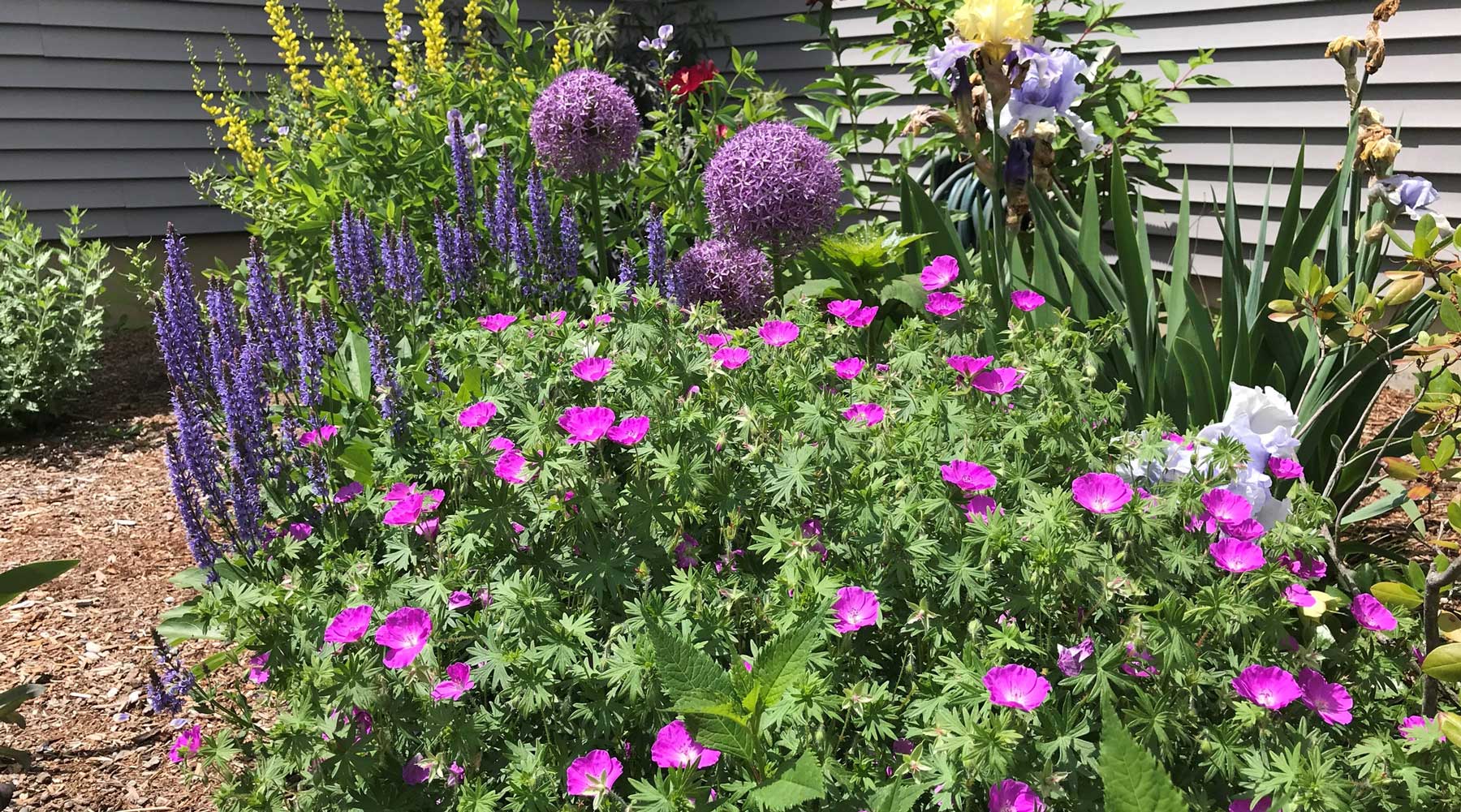
Irises’ upright, sword-like foliage contrasts beautifully with the soft forms of ornamental grasses or the mounding shapes of sedums and lavender.
Designing With Irises
- Use irises as borders or focal points
- Mix colors and heights for layered effects
- Plant in clusters for mass impact
Color planning is key—combine complementary shades or stick to a monochromatic scheme for elegant simplicity. Planting in odd-numbered groups (3, 5, 7) tends to look more natural and pleasing.
Case Study: Fort Collins Xeriscape
A Fort Collins homeowner combined bearded irises with native grasses and sedums, achieving a low-maintenance, waterwise landscape with continuous spring interest.
By matching plants with similar water and sun requirements, the homeowner reduced maintenance needs and enjoyed a vibrant, ever-changing garden from early spring through fall.
Resources For Landscape Design
Consult the Colorado Native Plant Society ([Source](https://conps.org/)) for native plant lists and design inspiration.
Professional landscape designers often use irises in both residential and commercial projects, taking advantage of their bold forms and seasonal color.
Real-world Success Stories And Lessons Learned
Boulder Community Iris Festival
Each spring, Boulder hosts an iris festival, showcasing hundreds of varieties. Many participants report the best results from planting in mid-August and following precise soil amendment protocols.
The festival serves as a living classroom, with local iris societies offering demonstrations on division, planting, and pest management.
Colorado Springs Public Gardens
The Colorado Springs Xeriscape Demonstration Garden ([Source](https://www.csu.org/pages/xeriscape-demo-garden.aspx)) features dozens of iris beds, planted in late summer and maintained with minimal water. The garden’s head horticulturist notes that proper timing is key to their lush displays.
These public gardens are excellent resources for seeing mature irises in landscape settings and gathering ideas for your own garden.
Denver Schoolyard Transformation
A Denver elementary school transformed its playground by planting irises in late August, amending compacted soil, and using mulch. The resulting blooms became a source of community pride.
The school used the planting process as an educational opportunity, teaching students about Colorado’s unique climate, plant biology, and the importance of soil health.
Lessons Learned
- Timing is crucial: Late summer planting yields best blooms.
- Soil matters: Amend for drainage and nutrients.
- Winter care: Mulch and remove debris for healthy bulbs.
These real-world stories underscore the value of following research-based recommendations and adapting techniques to local conditions.
Frequently Asked Questions
What Is The Difference Between Iris Bulbs And Rhizomes?
Iris bulbs refer to true bulbs found in varieties like Dutch and Reticulata irises, while rhizomes are thick, horizontal stems common in bearded irises. Both serve as storage organs, but rhizomes are planted just below the soil surface, whereas bulbs are planted deeper.
Can I Plant Iris Bulbs In Spring In Colorado?
While possible, spring planting is not recommended. Late summer to early fall planting gives bulbs/rhizomes time to establish roots before winter, ensuring robust blooms. Spring-planted irises may not flower until the following year.
How Deep Should I Plant Iris Bulbs And Rhizomes?
Bulbous irises should be planted 3-4 inches deep, while rhizomes should be just below the surface, with roots spread outward. Proper depth prevents rot and encourages healthy growth.
What Are The Best Iris Varieties For High Elevation Areas?
Rocky Mountain iris and bearded irises adapt well to high elevations. Siberian and Reticulata irises also perform reliably. Choose varieties labeled as cold-hardy and suited for your specific altitude.
How Do I Prevent Iris Bulbs From Rotting Over Winter?
Ensure well-drained soil, avoid overwatering, and apply a light mulch after the ground freezes. Remove dead foliage to prevent disease and inspect for signs of rot periodically.
Can I Grow Irises In Containers In Colorado?
Yes! Many gardeners have success growing Dutch and Reticulata irises in pots. Use a well-draining potting mix, place containers in a sunny location, and protect from extreme winter cold by moving them to a sheltered spot or wrapping pots in insulating material.
Additional Resources And Further Reading
Explore further with these authoritative sources:
- [Gardenia.net](https: //www.gardenia.net/plant/iris) – Iris variety profiles
- [Royal Horticultural Society](https: //www.rhs.org.uk/plants/iris) – Iris care and cultivation
- [Wikipedia](https: //en.wikipedia.org/wiki/Iris_(plant)) – Iris plant overview
- [Denver Botanic Gardens](https: //www.botanicgardens.org/) – Iris collections and events
- [American Iris Society](https: //www.irises.org/) – Iris species database
- [Colorado State University Extension](https: //extension.colostate.edu/topic-areas/yard-garden/irises-7-602/) – Colorado-specific iris planting advice
With strategic timing, careful soil preparation, and the right iris varieties, Colorado gardeners can achieve spectacular spring displays. Remember: late summer to early fall is your golden window. Invest in your soil, select resilient bulbs, and protect against harsh winters. Your reward? A garden bursting with color, resilience, and local pride.