When to Plant Gladiolus Bulbs in Zone 7 (Timing Guide)
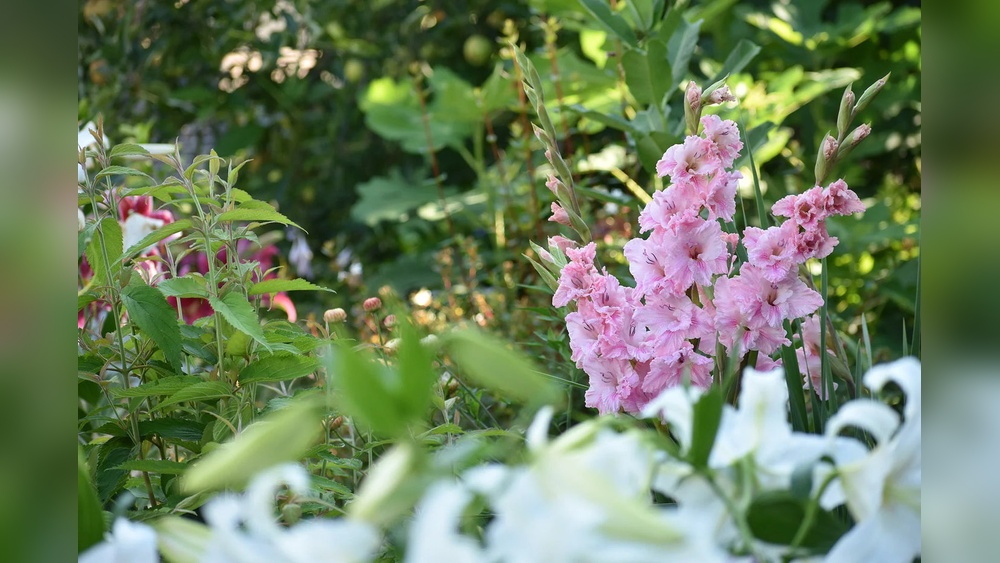
Gladiolus bulbs, with their dramatic spikes of color, are a summer garden staple prized by both novice and seasoned gardeners. In USDA Zone 7, which encompasses regions with mild winters and warm summers, timing your gladiolus planting is crucial for optimal growth and the most vibrant blooms. Plant too early, and bulbs risk rot or frost damage; plant too late, and you might miss the peak of summer’s floral display. Understanding the nuances of your local climate, soil conditions, and the unique growth cycle of gladiolus can make all the difference in transforming your garden into a dazzling showcase.
This comprehensive guide will equip you with data-driven insights, actionable advice, and expert strategies for planting gladiolus bulbs in Zone 7. Whether you aim to create continuous waves of color, harvest show-stopping cut flowers, or simply enjoy a low-maintenance summer spectacle, mastering the timing and techniques for gladiolus in your region is the first step toward a successful season.
Key Takeaways
- Optimal planting time for gladiolus bulbs in Zone 7 is mid-April to early June, after the last frost.
- Successive planting every 2 weeks ensures continuous blooms throughout summer.
- Soil temperature should be at least 55°F for best bulb development.
- Bulbs require full sun and well-drained soil for robust growth.
- Fertilization, watering, and staking are crucial to healthy gladiolus plants.
- Monitor for common pests and diseases to protect your investment.
Understanding Zone 7: Climate And Growing Conditions
Zone 7 stretches across large portions of the United States, including parts of the Pacific Northwest, the Mid-Atlantic, and the South. This zone is characterized by average annual minimum temperatures between 0°F and 10°F, which shapes both the growing season and the specific timing for planting gladiolus bulbs.
Key Characteristics Of Zone 7
- Last frost date: Typically falls between April 1 and April 15.
- First frost date: Usually occurs between October 15 and November 15.
- Growing season length: Averages 180-210 days.
- Average summer temperatures: Range from 70°F to 90°F.
- Rainfall: Moderate, but regional variations exist.
Zone 7’s climate is favorable for a wide range of ornamental plants, and its extended growing season allows for a robust succession of blooms. However, gardeners should always consider microclimates within their property—areas sheltered from wind or shaded by buildings may affect temperature and moisture levels, requiring adjustments in care.
Understanding these parameters helps gardeners pinpoint not only when to plant but also how to manage gladiolus throughout the season.
Impact On Gladiolus Growth
Gladiolus bulbs (corms) are frost-sensitive and thrive in warm, well-drained soil. Zone 7’s moderate climate means that bulbs can be left in the ground year-round in some areas, but in regions with wetter winters or clay-heavy soils, lifting and storing bulbs is advisable to prevent rot.
The mild winters allow gardeners the flexibility to start planting earlier compared to colder zones, and the relatively high summer temperatures encourage strong, rapid growth. However, excessive humidity or rainfall can promote diseases, so site and soil preparation are critical.
Real-world Example: Raleigh, North Carolina
In Raleigh, a classic Zone 7 location, the last average frost date is around April 7. Gardeners typically begin planting gladiolus corms in mid-April, once the risk of frost has passed and soil temperatures stabilize above 55°F. This ensures healthy root development and a strong start to the growing season.
In addition, local extension offices recommend monitoring rainfall patterns, as spring storms can saturate soils and delay planting by a week or two if conditions are excessively wet.
Credit: www.longfield-gardens.com
When To Plant Gladiolus Bulbs In Zone 7
Timing is everything with gladiolus. The goal is to plant after the last frost but early enough to enjoy a full season of blooms. The following guidelines will help you optimize your planting schedule in Zone 7.
Ideal Planting Window
- Start: Mid-April (after last frost)
- Finish: Early June (about 12 weeks before first frost)
- Soil temperature: Minimum 55°F (13°C)
Planting within this window ensures that gladiolus corms are not exposed to damaging cold and have ample time to grow, flower, and store energy for the next season. Late plantings can still yield flowers, but the bloom period may be shortened, and corms may not have enough time to mature fully.
Successive Planting For Extended Blooms
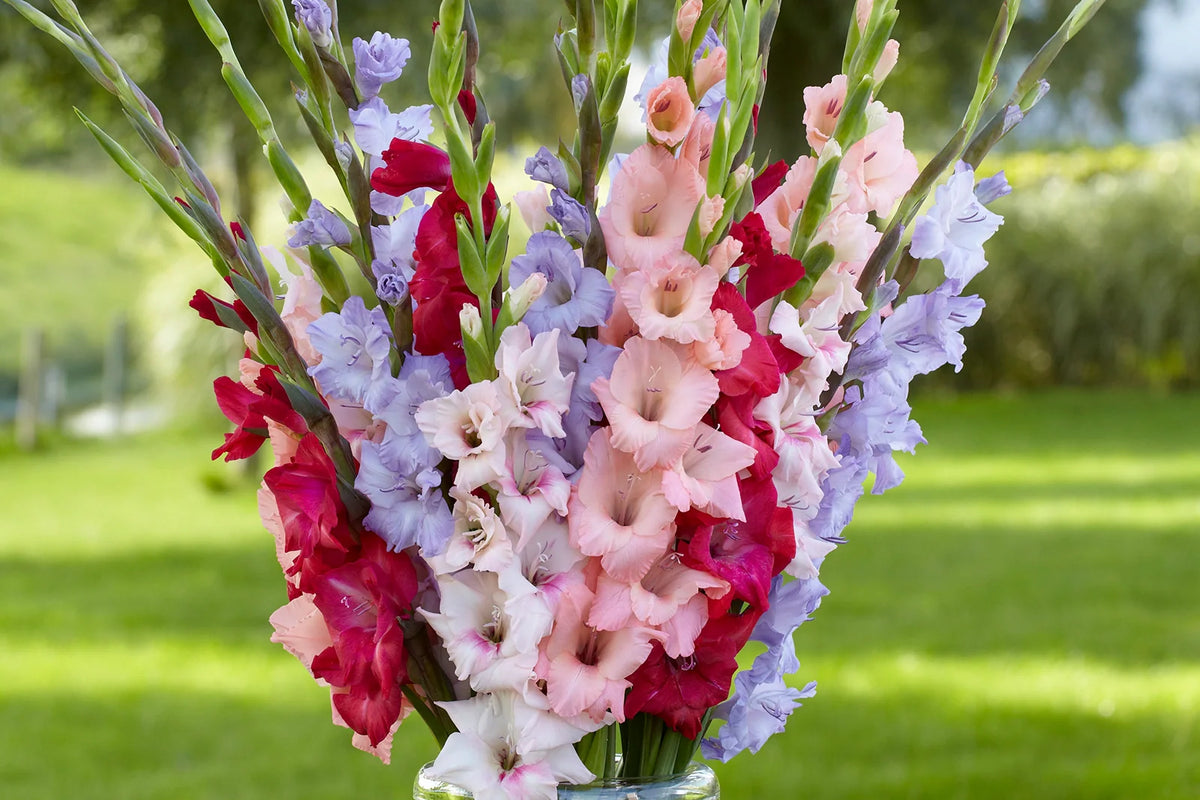
One of the best ways to maximize your gladiolus display is successive planting. By planting batches of corms every two weeks from mid-April through early June, you can enjoy continuous blooms from late spring into early fall. This approach is especially useful for those who grow gladiolus for cutting, as it ensures a steady supply of fresh stems.
Example Schedule:
- First batch: April 15
- Second batch: May 1
- Third batch: May 15
- Fourth batch: June 1
Each batch will bloom approximately 8–12 weeks after planting, ensuring a rolling display of color. For larger gardens, consider staggering planting locations as well, which can help reduce pest buildup and facilitate easier maintenance.
Regional Variations In Zone 7
Zone 7 covers a range of microclimates. For example:
- Zone 7a (colder): Plant closer to late April.
- Zone 7b (warmer): Plant as early as mid-April.
Check your local frost dates using reliable sources such as the National Weather Service or The Old Farmer’s Almanac for precise timing. In urban areas, the heat island effect can advance soil warming, making earlier planting feasible.
Case Study: Atlanta, Georgia
Atlanta gardeners, in Zone 7b, can safely plant as early as mid-April. By utilizing successive planting, local flower farms have reported harvests stretching from late June through September, significantly increasing their yield and marketability. For home gardeners, this means more opportunities to enjoy vibrant bouquets and garden color throughout the summer, with the additional benefit of attracting pollinators for extended periods.
Credit: lifetips.alibaba.com
Preparing The Soil And Site For Gladiolus
Proper site selection and soil preparation are vital for healthy, vigorous gladiolus. These steps ensure your bulbs receive the nutrients, drainage, and sunlight they require.
Choosing The Right Location
- Sunlight: Gladiolus need at least 6–8 hours of full sun daily.
- Air circulation: Plant in areas with good airflow to reduce disease risk.
- Shelter: Avoid areas prone to strong winds, or plan to stake plants as they grow.
Selecting a site with optimal sunlight not only encourages robust flowering but also helps dry foliage quickly after rainfall or irrigation, reducing fungal risk. Gladiolus can be used as a striking backdrop in mixed borders, but avoid planting too close to large shrubs or trees, which compete for water and nutrients.
Soil Requirements And Amendments
- Soil type: Light, sandy loam is ideal.
- Drainage: Essential to prevent bulb rot; avoid clay-heavy or waterlogged soils.
- PH range: 6.0–6.5 (slightly acidic to neutral)
Improving Heavy Soils
Amend clay or compacted soils with:
- Compost or peat moss (improves drainage and fertility)
- Coarse sand or perlite (enhances aeration)
For best results, test your soil before planting. Local extension services offer affordable testing kits, and adjusting soil chemistry can significantly impact bloom quality and longevity.
Fertilization And Nutrient Management
Gladiolus are heavy feeders. Incorporate a balanced fertilizer (e.g., 10-10-10 N-P-K) at planting, and side-dress with additional nutrients as plants grow. Avoid high-nitrogen fertilizers, which can promote foliage at the expense of flowers.
Consider supplementing with bone meal or bulb food at planting to encourage strong root development. For organic gardeners, well-rotted manure or worm castings are excellent alternatives.
Site Preparation Steps
- Clear the area of weeds, rocks, and debris.
- Loosen soil to a depth of 8–10 inches.
- Incorporate amendments as needed.
- Level and smooth the bed for even planting.
Taking time for thorough site preparation can pay dividends later, as healthy soil provides the foundation for vigorous plants and spectacular blooms.
Example: Raised Beds For Gladiolus
In areas with heavy rain or clay soils, raised beds are a proven solution. A flower enthusiast in Tulsa, Oklahoma, reported a 40% reduction in bulb rot and a significant improvement in bloom quality after switching to raised beds filled with amended loam.
Raised beds also facilitate easy maintenance and harvesting, particularly for those growing gladiolus for cut flowers.
Credit: www.longfield-gardens.com
Step-by-step Guide: Planting Gladiolus Bulbs
Planting gladiolus is straightforward, but attention to detail yields the healthiest plants and the best blooms.
Step 1: Timing And Soil Temperature
Check that soil temperature has reached at least 55°F at a depth of 4 inches before planting. Use a soil thermometer for accuracy. If soil is too cool, corms may fail to sprout or rot, so patience is key for optimal results.
Step 2: Spacing And Depth
- Planting depth: 4–6 inches (deeper planting yields sturdier stems)
- Spacing: 6 inches apart in rows 12 inches apart
Planting Table
| Planting Factor | Recommended Range | Notes |
|---|---|---|
| Depth | 4–6 inches | Deeper for taller varieties |
| Spacing (between bulbs) | 6 inches | Allows for airflow and root growth |
| Row Spacing | 12 inches | Ease of maintenance |
| Soil Temp | ≥ 55°F | For best root development |
Step 3: Planting Process
- Dig trenches or individual holes to the proper depth.
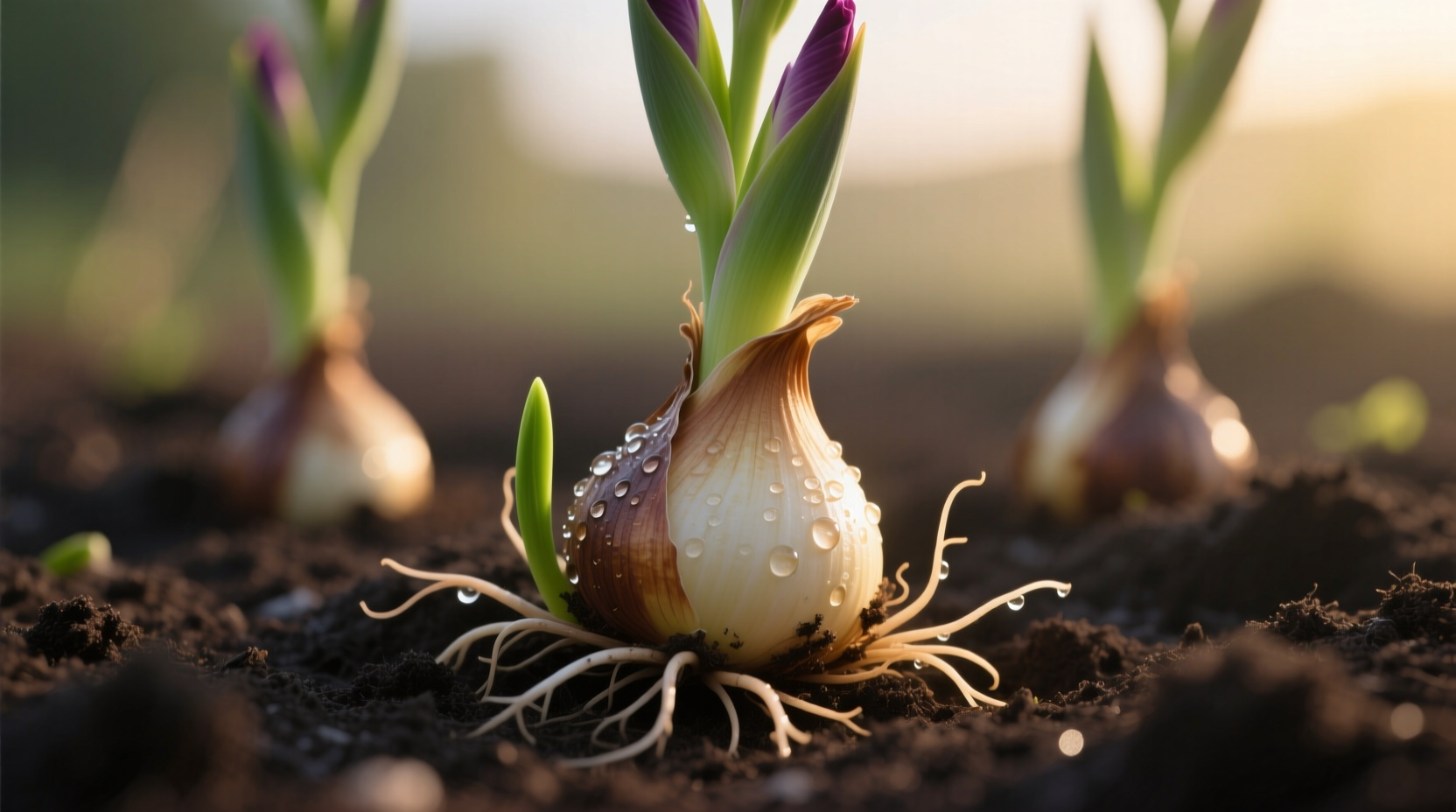
- Place corms with the pointed end up.
- Cover with soil and lightly tamp down.
- Water thoroughly after planting.
Careful placement and coverage help protect corms from pests and ensure even sprouting. Watering immediately after planting settles soil around the bulbs and initiates root growth.
Step 4: Labeling And Mapping
Mark planted rows or groups with labels indicating variety and planting date. This helps with care and future planning, especially when using successive planting. For larger plantings, a garden map is recommended to track bloom times and identify high-performing varieties.
Step 5: Mulching
Apply a 2-inch layer of organic mulch (straw, pine needles, or shredded bark) to:
- Retain moisture
- Suppress weeds
- Moderate soil temperature
Mulching also protects emerging shoots from late frosts and helps maintain soil structure during heavy rains.
Care, Maintenance, And Season-long Strategies
Once your gladiolus bulbs are planted, ongoing care is essential for robust growth and abundant flowers.
Watering Guidelines
- Initial watering: Deeply after planting.
- Growing season: 1–1.5 inches per week (more during hot, dry spells)
- Method: Drip irrigation or soaker hoses minimize leaf wetness and disease risk.
Monitor soil moisture regularly, especially during dry periods. Gladiolus are relatively drought-tolerant once established, but consistent moisture is crucial during the active growth and blooming phase.
Fertilization Schedule
- At planting: Balanced granular fertilizer (10-10-10)
- When shoots appear: Apply a side-dressing of fertilizer.
- Mid-season: Additional light feeding to support bloom development.
Avoid fertilizing late in the season, as this can encourage late growth susceptible to frost damage.
Staking Tall Varieties
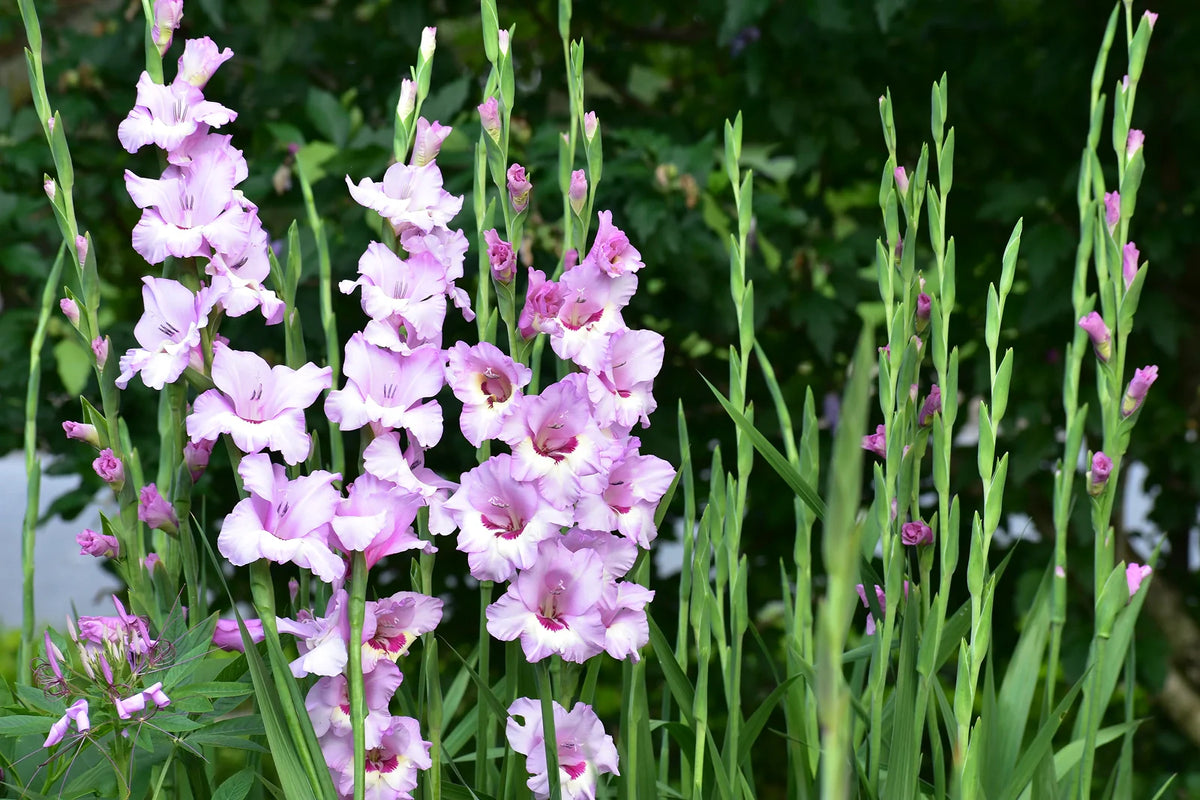
Gladiolus spikes can reach 3–5 feet and may require support, especially in windy areas.
- Install stakes at planting time to avoid damaging roots later.
- Tie stems loosely with soft twine as they grow.
For mass plantings, string or netting can be used to support multiple stems. Proper staking ensures flowers remain upright and attractive, reducing the risk of breakage.
Weed And Pest Management
Keep beds weed-free to reduce competition and pest habitat. Mulching helps, but regular hand weeding or cultivation is still necessary.
Common Pests:
- Thrips: Cause streaked, deformed flowers; control with insecticidal soap.
- Aphids: Feed on sap; remove with water spray or neem oil.
- Bulb Mites: Attack stored corms; inspect before planting.
Integrated pest management (IPM) strategies, including beneficial insects and regular inspection, can keep populations in check without heavy reliance on chemicals.
Disease Prevention:
- Botrytis (Gray Mold): Avoid overhead watering; ensure good air circulation.
- Fusarium Wilt: Rotate planting sites; avoid planting in the same spot for consecutive years.
Remove and destroy infected plant material promptly to limit spread. For further guidance, local extension offices offer disease identification services.
Case Study: Continuous Blooms With Successive Planting
A cut-flower grower in Little Rock, Arkansas, planted gladiolus corms every two weeks from April 15 to June 1. By mid-July, she harvested weekly bouquets through mid-September, increasing her revenue by 35% compared to a single planting. The staggered harvest also allowed her to experiment with different varieties and colors, catering to changing customer preferences through the season.
Maximizing Blooms: Advanced Tips For Zone 7 Gardeners
For those looking to take their gladiolus gardening to the next level, several advanced strategies can further enhance bloom quality and season length.
Selecting Superior Varieties
Choose disease-resistant and heat-tolerant cultivars for best results in Zone 7. Consider:
- ‘Ben Venuto’: Large, pink blooms; excellent for cutting.
- ‘Black Beauty’: Deep maroon, dramatic spikes.
- ‘Green Star’: Unique lime-green flowers.
Local nurseries often carry regionally adapted cultivars, and online specialty bulb suppliers can provide rare varieties with unique colors and forms.
Pre-sprouting Corms
In cool springs, pre-sprout corms indoors 2–3 weeks before planting. Place in trays with moist peat at 65°F until shoots appear, then transplant outdoors after frost risk. This technique gives gladiolus a head start, resulting in earlier blooms and reducing transplant shock.
Extending The Season
- Late planting: Push the last planting to early June for September blooms.
- Frost protection: Use row covers if a late frost threatens newly sprouted plants.
Gardeners in Zone 7 can also experiment with containers, bringing gladiolus indoors during unexpected cold snaps, or using cold frames to extend the season.
Harvesting For Cut Flowers
- Harvest when lower 1–2 flowers are open.
- Cut early in the morning for best vase life.
- Remove spent blooms to encourage further flowering.
For maximum vase longevity, place stems in lukewarm water immediately after cutting and change water daily.
Comparing Gladiolus With Other Summer Bulbs
| Bulb Type | Planting Time (Zone 7) | Bloom Period | Special Care |
|---|---|---|---|
| Gladiolus | Mid-April to Early June | June–September | Successive planting, staking |
| Dahlias | Late April to Mid-May | July–October | Pinching, digging up in fall |
| Calla Lilies | April–May | June–August | Moist soil, partial sun |
| Cannas | April–May | July–Frost | Heavy feeders, full sun |
Gladiolus stand out for their vertical impact and ease of successive planting, while other summer bulbs offer complementary colors and forms.
Common Challenges And Solutions
Even with the best planning, gladiolus growers in Zone 7 may encounter a few hurdles. Here’s how to troubleshoot the most frequent issues.
Frost Damage
Problem: Late spring frost injures emerging shoots.
- Solution: Cover beds with frost cloth or mulch if cold weather is forecasted after planting. For container-grown gladiolus, temporarily move pots to sheltered locations.
Poor Flowering
Problem: Lush foliage but few or no flowers.
- Solution: Reduce nitrogen, increase phosphorus and potassium, ensure full sun exposure. Review soil pH and adjust if outside the optimal range.
Bulb Rot
Problem: Bulbs turn soft or mushy, fail to sprout.
- Solution: Improve drainage, avoid overwatering, use raised beds or mounds if necessary. Select only firm, healthy corms for planting.
Pests And Diseases
Problem: Thrips, aphids, or fungal diseases.
- Solution: Practice crop rotation, remove debris, and use organic or chemical controls as needed. For more information, consult the Clemson Cooperative Extension. Introduce beneficial insects and monitor regularly for early signs.
Overcrowding
Problem: Small, weak flowers over time.
- Solution: Dig and divide corms every 2–3 years to maintain vigor. After division, replant only the largest corms for optimal performance.
Lifting, Storing, And Replanting Gladiolus Bulbs
In most parts of Zone 7, gladiolus corms can remain in the ground, but for best results, especially in wet winters or heavy soils, lifting and storing bulbs ensures long-term health.
When To Lift Corms
- After foliage yellows and dies back in fall (usually October)
Monitor weather forecasts and soil moisture; if heavy autumn rains are expected, lift corms earlier to reduce rot risk.
How To Lift And Store
- Cut back stalks to 2–3 inches above the corm.
- Gently dig up corms with a fork, avoiding damage.
- Brush off soil and allow to dry in a well-ventilated area for 2 weeks.
- Remove old corms and small cormels; keep the largest, healthiest bulbs.
- Store in mesh bags or crates at 40–50°F in a dry, dark location.
Proper storage is crucial for preventing mold and preserving viability. Use breathable containers and check regularly for signs of decay.
Storage Table
| Step | Action | Purpose |
|---|---|---|
| 1 | Cut stalks back | Prepares for digging |
| 2 | Dig corms carefully | Prevents damage |
| 3 | Dry for 2 weeks | Reduces rot risk |
| 4 | Store at 40–50°F | Preserves viability |
Replanting For The Next Season
Inspect stored corms in early spring. Discard any with mold or soft spots. Replant healthy corms as soon as soil conditions permit in mid-April. Consider soaking corms in a mild fungicide solution before planting for additional protection.
Sustainable And Organic Gladiolus Growing
For gardeners committed to sustainable practices, growing gladiolus without synthetic chemicals is entirely feasible in Zone 7.
Organic Soil Preparation
- Compost: Enriches soil and supports beneficial microbes.
- Green manures: Plant cover crops in fall to improve structure and nutrients.
Organic practices also improve soil health year after year, resulting in stronger plants and more resilient blooms.
Natural Pest Control
- Neem oil: Effective against aphids and thrips.
- Beneficial insects: Attract ladybugs and lacewings to control pests.
Companion planting with marigolds or nasturtiums can deter insect pests and enhance visual appeal.
Disease Management
- Crop rotation: Prevents build-up of soil-borne pathogens.
- Sanitation: Remove spent flowers and dead foliage promptly.
For persistent disease issues, solarize beds between seasons by covering soil with clear plastic for several weeks, reducing pathogen loads.
Water Conservation
- Mulching: Reduces evaporation, maintains consistent moisture.
- Drip irrigation: Delivers water directly to roots, minimizing waste.
Rain barrels and drought-tolerant landscaping can further reduce water use. For more organic gardening insights, visit the Rodale Institute.
Real-world Success Stories: Gladiolus In Zone 7
Case Study 1: Community Garden, Richmond, Virginia
A local community garden adopted a coordinated schedule of successive planting among members. By sharing corms and rotating varieties, they achieved continuous blooms for summer events and educational programs, inspiring more residents to join. The garden also used organic methods, demonstrating sustainable practices and providing fresh flowers for local charities.
Case Study 2: Cut Flower Startup, Nashville, Tennessee
A small-scale flower farmer invested in raised beds, drip irrigation, and organic pest control. By focusing on specialty gladiolus varieties and precise planting times, she grew her customer base and supplied local florists with premium, long-stem blooms all season. Her business flourished as she shared growing tips and hosted workshops for aspiring gardeners.
Case Study 3: Home Gardener, Oklahoma City
A gardening enthusiast experimented with both in-ground and container gladiolus. By monitoring soil temperature and adjusting planting times, he successfully extended his bloom period by three weeks, outperforming previous years. His experience highlights the adaptability of gladiolus in various settings, from traditional beds to patios and balconies.
Recommended Resources For Gladiolus Growers
- AmericanHort – Industry news, research, and best practices.
- Royal Horticultural Society – Comprehensive care guides.
- Gardenia.net – Variety information and design ideas.
- University of Georgia Extension – Regional advice for southern growers.
For local advice, connect with your county extension office or local gardening clubs, which can offer tailored recommendations and troubleshooting tips.
Frequently Asked Questions
When Is The Best Time To Plant Gladiolus Bulbs In Zone 7?
The best time to plant gladiolus bulbs in Zone 7 is from mid-April to early June, after the last frost date and once soil temperatures consistently reach 55°F or higher. This timing ensures bulbs are not exposed to frost and have ample time to mature before the first fall frost.
Can I Leave Gladiolus Bulbs In The Ground Year-round In Zone 7?
In most areas of Zone 7 with well-drained soil, gladiolus bulbs can be left in the ground over winter. However, in regions with heavy, wet soils or excessive winter rainfall, it’s recommended to lift and store bulbs to prevent rot.
Mulching can also provide extra winter protection.
How Do I Achieve Continuous Gladiolus Blooms Throughout Summer?
To enjoy continuous blooms, plant gladiolus bulbs in successive batches every two weeks from mid-April to early June. Each planting will flower about 8–12 weeks after planting, creating a rolling display from early summer into fall.
What Are The Most Common Problems When Growing Gladiolus In Zone 7?
The most common issues are bulb rot (from poor drainage), thrips and aphid infestations, and fungal diseases like botrytis. Prevent problems by ensuring excellent drainage, practicing crop rotation, and using pest controls as needed. For more details, see the UC IPM Gladiolus Guide.
Are There Any Gladiolus Varieties Especially Suited For Zone 7?
Yes, many gladiolus varieties perform well in Zone 7. Look for disease-resistant, heat-tolerant cultivars such as ‘Ben Venuto’, ‘Black Beauty’, and ‘Green Star’. Local garden centers and extension services can recommend the best options for your area.
Gladiolus bulbs are a rewarding addition to any Zone 7 garden, bringing months of vibrant color and drama to beds, borders, and containers. With the right timing, thorough soil preparation, and attentive care, you can enjoy a spectacular display year after year—and perhaps even inspire others in your community to do the same.
Happy planting!