How To Plant Purple Shamrock Bulbs
The purple shamrock (Oxalis triangularis) is a striking ornamental plant prized for its vivid purple leaves and delicate white or pink flowers. Native to Brazil, this unique bulbous perennial offers both aesthetic appeal and surprising resilience, making it a favorite for both novice and expert gardeners.
Whether you’re looking to brighten up a shady spot indoors or add a splash of color to your outdoor beds, purple shamrock bulbs deliver year-round beauty and easy-care charm.
Planting purple shamrock bulbs isn’t just about adding a new plant to your collection, it’s about cultivating an environment where their stunning foliage thrives. Success hinges on understanding the right techniques, optimal conditions, and ongoing care. This article provides a comprehensive, step-by-step guide backed by expert advice, real-world examples, and data-driven comparisons.
By the end, you’ll have everything you need to confidently plant and nurture purple shamrock bulbs, ensuring vibrant results season after season.
Key Takeaways
- Purple shamrock bulbs are versatile, thriving indoors and outdoors with proper care.
- Planting success depends on choosing high-quality bulbs, suitable soil, and correct timing.
- Consistent moisture and indirect light are essential for healthy growth.
- Real-world examples show purple shamrock’s adaptability in varied climates.
- Common mistakes include overwatering and inadequate drainage, avoid these for optimal results.
Understanding Purple Shamrock Bulbs
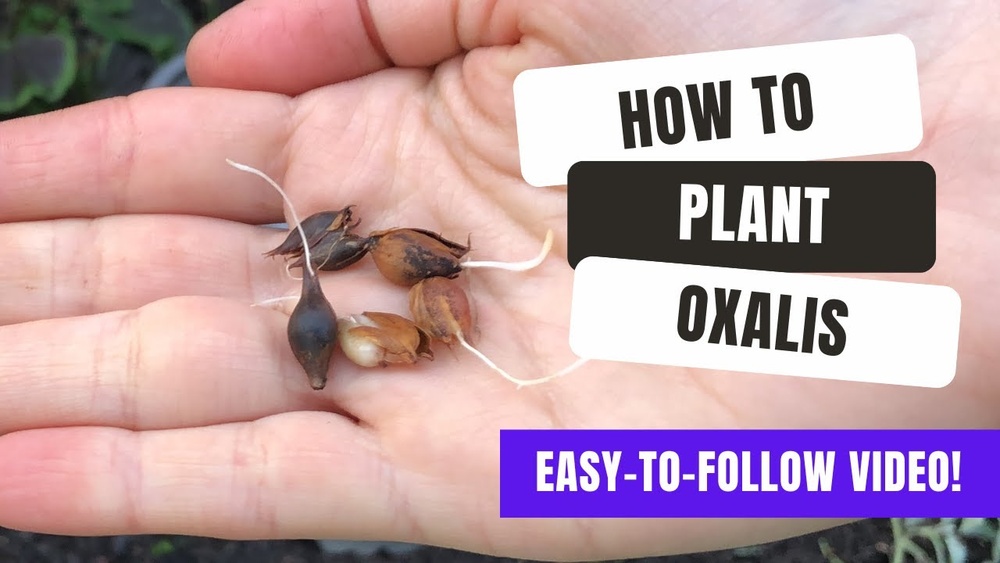
Purple shamrock bulbs, technically known as Oxalis triangularis, are small, triangular corms rather than true bulbs. Their fascinating foliage changes throughout the day, opening with sunlight and folding at night. The plant’s origins in South America contribute to its ability to withstand periods of dormancy and regrow when conditions improve.
Botanical Characteristics
Oxalis triangularis is part of the Oxalidaceae family, distinguished by its three-lobed leaves. The purple shamrock’s leaves are not only visually appealing but also photoreactive, moving in response to light. The corms are typically 1, 2 cm wide, with a papery brown exterior and white interior.
Growth Cycle And Dormancy
Purple shamrock exhibits a dormancy phase, usually during summer or under stress. During this period, leaves die back, and the corms remain viable underground. Understanding dormancy is crucial: improper care can cause bulbs to rot or fail to regrow.
Indoor Vs. Outdoor Cultivation
While purple shamrock thrives outdoors in USDA zones 6, 10, it is equally suited for indoor environments. Indoor cultivation allows for year-round enjoyment and easier control of temperature and moisture.
| Aspect | Indoor | Outdoor |
|---|---|---|
| Light Needs | Bright, indirect | Partial shade |
| Temperature | 60, 75°F | 40, 90°F (hardy zones) |
| Watering | Consistent, avoid soggy soil | Let soil dry between watering |
| Dormancy | Triggered by dry soil | Triggered by hot weather |
Real-world Example
In my experience, growing purple shamrock indoors in a well-lit living room led to rapid leaf expansion and regular flowering. By contrast, outdoor beds in partial shade produced larger clusters but required careful monitoring for dormancy during hot spells.

Credit: www.youtube.com
Selecting And Preparing Purple Shamrock Bulbs
Choosing the right bulbs is the foundation of successful planting. Quality and health directly impact growth, vigor, and longevity.
How To Select Healthy Bulbs
- Choose bulbs that are firm and plump, avoiding those with soft spots, mold, or shriveling.
- Look for uniform coloration; avoid bulbs with excessive discoloration.
- Buy from reputable nurseries or garden centers to ensure disease-free stock.
Pre-planting Preparation
Before planting , inspect bulbs for damage and gently remove any loose outer layers. Soak bulbs in lukewarm water for 1, 2 hours to jumpstart growth. This step is particularly effective if bulbs have been stored for several months.
Soil Requirements
Purple shamrock prefers well-draining, slightly acidic soil (pH 6.0, 7.0). Incorporate organic matter like peat moss or compost to enhance structure and fertility.
| Soil Type | Drainage | pH Range | Organic Matter |
|---|---|---|---|
| Loam | Excellent | 6.0, 7.0 | High |
| Sandy | Good | 6.0, 7.0 | Moderate |
| Clay | Poor | 6.0, 7.0 | Low |
Container Vs. Ground Planting
- Containers: Use pots with drainage holes and a quality potting mix. Containers offer mobility and climate control.
- Ground beds: Amend soil with compost and ensure proper drainage, especially in clay-heavy soils.
Pro Tip:
When planting multiple bulbs, stagger them at least 2, 3 inches apart to prevent overcrowding and promote airflow.
Step-by-step Guide To Planting Purple Shamrock Bulbs
Proper planting technique is essential for purple shamrock’s vibrant, healthy growth. Follow these steps for both indoor and outdoor planting.
When To Plant
- Indoors: Plant bulbs any time of year, avoiding dormancy periods.
- Outdoors: Plant in early spring after the last frost or in fall, depending on climate.
Planting Depth And Spacing
- Dig holes or create depressions 1, 2 inches deep.
- Place bulbs with the pointed end facing up.
- Space bulbs 2, 3 inches apart for containers; 4, 6 inches apart for garden beds.
Planting Steps
- Prepare soil or potting mix with organic amendments.
- Water soil lightly before planting.
- Place bulbs in holes, cover gently with soil.
- Water thoroughly after planting.
- Keep soil consistently moist but not waterlogged.
Example: Indoor Container Success
A gardener in Chicago planted purple shamrock bulbs in a 6-inch ceramic pot using a peat-based mix. By maintaining soil moisture and placing the pot near an east-facing window, the plant produced vibrant leaves within three weeks.
Mulching And Protection
For outdoor planting, apply a thin layer of mulch to regulate moisture and temperature. Avoid heavy mulch, which can retain excess moisture and cause bulb rot.
Common Mistakes To Avoid
- Overwatering: Leads to bulb rot; ensure proper drainage.
- Planting too deep: Slows emergence; stick to 1, 2 inches.
- Crowding bulbs: Reduces airflow and increases disease risk.

Credit: terracegardenfrance.com
Caring For Purple Shamrock Bulbs After Planting
Post-planting care determines whether your purple shamrock bulbs reach their full potential. These plants reward attentive but not excessive care.
Watering Guidelines
- Maintain even moisture; allow the top inch of soil to dry between waterings.
- Reduce watering during dormancy or after leaves die back.
Light Requirements
- Provide bright, indirect light indoors, direct sunlight can scorch leaves.
- Outdoors, plant in partial shade; full shade reduces flowering, while too much sun causes stress.
Fertilization
Feed with a balanced liquid fertilizer (10-10-10 or 20-20-20) every 4, 6 weeks during active growth. Avoid overfertilizing, which may cause leaf tip burn.
Pest And Disease Management
Purple shamrock is generally resistant but can suffer from aphids, spider mites, or fungal rot. Check plants regularly and treat infestations with insecticidal soap or neem oil.
Real-world Example
A home gardener in Dallas reported a spider mite infestation after placing their shamrock outdoors in midsummer. Prompt treatment with neem oil and increased humidity resolved the issue without harming the plant.
Managing Dormancy
When leaves die back, stop watering and allow bulbs to rest for 6, 8 weeks. Resume watering when new shoots appear.
Pro Tip:
Rotate indoor pots every few weeks to ensure even leaf growth and prevent plants from leaning toward light sources.
Troubleshooting Common Purple Shamrock Bulb Issues
Even with best practices, problems can arise. Here’s how to identify and resolve the most frequent challenges.
Yellowing Leaves
- Often caused by overwatering or poor drainage.
- Check soil moisture and reduce watering if needed.
- Inspect roots for rot and remove affected bulbs.
Stunted Growth
- May result from nutrient deficiency or insufficient light.
- Apply a balanced fertilizer and relocate to a brighter spot.
Bulb Rot
- Occurs in waterlogged soil; ensure drainage holes are clear.
- Use a fungicide on affected areas and replace soil if necessary.
Pest Infestations
- Aphids appear as small green clusters on new leaves.
- Spider mites cause fine webbing and stippling.
- Treat promptly with insecticidal soap or neem oil.
Example: Outdoor Bed Recovery
A gardener in Seattle noticed yellowing leaves in a shaded garden bed. After improving drainage and reducing watering, the purple shamrock rebounded within two weeks.
Comparing Solutions
| Issue | Primary Cause | Solution |
|---|---|---|
| Yellowing Leaves | Overwatering | Reduce water, improve drainage |
| Stunted Growth | Nutrient deficiency | Fertilize, increase light |
| Bulb Rot | Waterlogged soil | Use fungicide, replace soil |
| Pest Infestation | Low humidity, poor air circulation | Treat with neem oil, increase humidity |
Seasonal Care And Maintenance
Understanding seasonal changes and adapting care ensures your purple shamrock bulbs thrive year-round.
Spring And Summer
- Resume watering and fertilizing as new growth appears.
- Monitor for pests and treat as needed.
- Outdoor plants benefit from a light mulch to conserve moisture.
Fall
- Reduce watering and let plants enter dormancy.
- Remove dead leaves and store bulbs indoors if climate is cold.
Winter
- For outdoor bulbs in colder regions, dig up and store indoors.
- Indoors, maintain minimal watering and indirect light.
Dividing And Repotting Bulbs
Every 2, 3 years, divide crowded bulbs to promote growth. Gently separate corms and replant in fresh soil.
Example: Annual Maintenance Success
A gardener in Boston divided and repotted their shamrock bulbs each spring, resulting in healthier, more vigorous plants and improved flowering.
Pro Tip:
Label stored bulbs with planting date and variety to track performance and prevent mix-ups.
Real-world Case Studies: Purple Shamrock Success Stories
Examining how gardeners across regions plant and care for purple shamrock bulbs provides valuable insights and practical strategies.
Case Study 1: Indoor Growth In New York City
A Brooklyn apartment dweller planted purple shamrock bulbs in a north-facing window box. Despite limited sunlight, the plant flourished by supplementing light with LED grow lamps. Consistent watering and monthly feeding produced lush leaves and frequent blooms.
Case Study 2: Outdoor Bed In San Francisco
An urban gardener in San Francisco planted purple shamrock bulbs in a partially shaded courtyard. The cool, moist climate supported robust growth, but the gardener had to monitor for slug damage during the rainy season. Organic slug pellets resolved the issue without harming wildlife.
Case Study 3: Climate Adaptation In Miami
A Miami homeowner planted purple shamrock bulbs outdoors in spring. High humidity and summer rains led to rapid leaf growth but also increased fungal threats. Mulching and improving air circulation minimized disease, demonstrating the plant’s adaptability in warm climates.
Comparing Purple Shamrock Bulbs To Similar Ornamental Bulbs
Purple shamrock bulbs are often compared to other ornamental plants for their foliage and ease of care. Here’s how they stack up against common alternatives:
| Plant | Leaf Color | Flower Type | Care Level | Dormancy |
|---|---|---|---|---|
| Purple Shamrock | Purple | White/Pink | Easy | Yes |
| Caladium | Variegated | White/Red | Moderate | Yes |
| Begonia | Green/Red | Red/Pink | Moderate | No |
| Oxalis Regnellii | Green | White | Easy | Yes |
Purple shamrock stands out for its unique coloration, photoreactive leaves, and resilience to varying conditions. Unlike caladium or begonia, shamrock bulbs tolerate periods of neglect and return with renewed vigor.
Expert Tips For Long-term Success
Leveraging expert advice ensures your purple shamrock bulbs remain healthy and vibrant.
Choosing The Right Location
- Select spots with filtered light and moderate temperatures.
- Avoid drafty windows or areas with extreme temperature fluctuations.
Soil Amendments
- Regularly add organic material to improve soil structure.
- Use mulch for outdoor beds but keep away from bulb tops.
Watering Techniques
- Use a moisture meter to prevent overwatering.
- Water in the morning to reduce fungal risks.
Maximizing Blooms
- Deadhead spent flowers to encourage new growth.
- Provide consistent feeding during active growth periods.
Pro Tip:
If leaves fold during the day, check light intensity, plants may be reacting to excessive heat or dryness.
Frequently Asked Questions
How Long Does It Take For Purple Shamrock Bulbs To Sprout After Planting?
Purple shamrock bulbs typically sprout within 2 to 3 weeks under optimal conditions. Factors like bulb health, soil temperature, and moisture can influence the speed. Cooler temperatures or dry soil may delay emergence, while soaking bulbs before planting can accelerate sprouting.
Can Purple Shamrock Bulbs Be Grown Hydroponically?
Yes, purple shamrock bulbs can adapt to hydroponic systems with proper support. Use inert media like expanded clay and ensure bulbs are not submerged. Keep humidity high and provide indirect light. Hydroponic cultivation can reduce soil-borne pests and diseases.
Are Purple Shamrock Bulbs Safe For Pets?
Purple shamrock (Oxalis triangularis) contains oxalic acid, which can cause mild gastrointestinal upset if ingested by pets. Symptoms may include drooling, vomiting, or diarrhea. Place pots out of reach of cats and dogs and consult a veterinarian if ingestion occurs.
How Do You Store Purple Shamrock Bulbs During Dormancy?
During dormancy, remove bulbs from soil, gently clean, and air dry. Store in a cool, dry place (40, 50°F) in paper bags or breathable containers. Avoid plastic, which can trap moisture and lead to rot. Check periodically for signs of mold or shriveling.
What Is The Best Way To Propagate Purple Shamrock Bulbs?
Purple shamrock bulbs propagate best through division of corms. After the dormancy period, gently separate clustered bulbs and replant each corm in fresh soil. Avoid cutting or damaging bulbs, as this can hinder growth. Propagation ensures genetic consistency and healthy plants.
Planting purple shamrock bulbs is a rewarding endeavor that combines vibrant aesthetics with straightforward care. By following the guidelines outlined here, from selecting healthy bulbs to maintaining seasonal care, you’ll cultivate thriving plants that enliven your indoor or outdoor spaces. Remember to monitor moisture, provide indirect light, and embrace the plant’s unique growth cycle. With a little patience and attention, your purple shamrock bulbs will reward you with enduring beauty year after year. For additional advice and detailed botanical information, visit Wikipedia and consult reputable horticulture resources like Royal Horticultural Society.