What Seeds Can You Plant in Early Spring?
Cold-tolerant crops like peas, spinach, lettuce, radish, carrots, beets, and kale can go in as soon as soil can be worked; warm-season crops like tomatoes, peppers, beans, cucumbers, squash, and corn should wait. Planting too early can leave seeds sitting in cold, wet soil where they rot, stall, or sprout unevenly. This guide sorts early-spring seeds into direct sow now, start indoors now, and wait until soil warms.
What can you sow before the last frost?
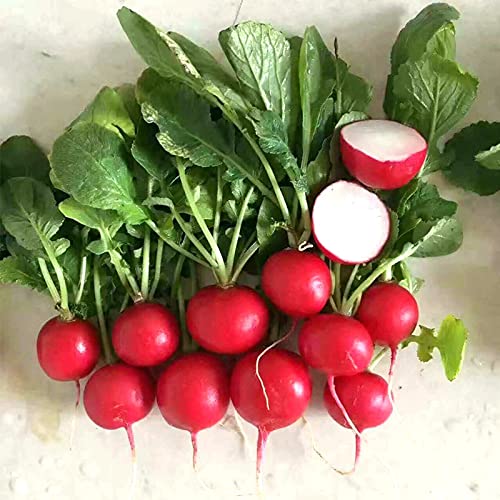
- Fast-growing for early spring sowing
- Non-GMO heirloom Cherry Belle variety
- Easy to grow for beginners
Before the last frost, focus on crops that handle cool soil and cold nights. Use your local last frost date first, then check your USDA zone and the seed packet, because timing changes by region. If the packet gives a tighter window, follow that.
Days to maturity matters too. A fast crop may still fit a short spring window, while a slow crop may need an indoor head start even if it handles cool weather. For early spring, the real question is not “Is it spring yet?” but “Can this crop germinate and finish before heat or frost gets in the way?”
How cool soil changes germination
Cool soil slows germination for many seeds. Some crops still do well because they are built for that pace. Root crops do well when direct sown, and cool-season crops often tolerate chilly soil far better than warm-season vegetables do.
A common first-timer mistake is sowing beans into cold mud because the bed looks workable. The soil may hold moisture, but the seed can sit there and fail. The same bed may be ideal for spinach, which handles cool conditions much better.
How days to maturity affects the choice
Days to maturity tells you whether a crop can finish before the season turns. A packet that lists about 45 to 60 days can fit early spring more easily than one that needs about 100 or more days, especially in short seasons. That number matters even more when spring starts cold and stays that way.
Fast-maturing crops also help with succession sowing. If a crop finishes quickly, you can replant the same space before summer heat arrives. That is why radishes, lettuce, and some baby greens are useful in early spring beds.
When packet timing beats a calendar
Seed packet sowing instructions should override a generic calendar when they differ. Packets often list indoor-start windows, transplant timing, and whether a variety is meant for direct sowing. That variety-specific note matters more than a broad chart.
Say your packet for a cabbage variety recommends starting indoors 6 weeks before transplanting, but a general spring chart says direct sowing is fine. Follow the packet. A specific cultivar can have a different pace, and that timing often reflects the crop’s real needs better than a general rule.
Spring sowing decision table
| Crop type | Sowing method | Trigger condition |
|---|---|---|
| Peas | Direct sow now | Soil can be worked and stays cool |
| Spinach | Direct sow now | Cool soil and cool nights |
| Lettuce | Direct sow now or start indoors | Cool soil; transplant only if seedlings are small |
| Radishes | Direct sow now | Soil is workable and evenly moist |
| Carrots | Direct sow now | Soil is loose and not crusted |
| Beets | Direct sow now | Cool soil and steady moisture |
| Broccoli | Start indoors now or direct sow early | Cool-weather brassica crop; spring heat is still far off |
| Cabbage | Start indoors now or direct sow early | Cool-weather brassica crop with time for transplanting |
| Kale | Direct sow now or start indoors | Cool weather and a short spring window |
| Swiss chard | Direct sow now | Soil is workable and nights remain cool |
| Turnips | Direct sow now | Cool soil and fast turnover desired |
| Parsnips | Direct sow now | Deep, loose soil is workable |
| Scallions | Direct sow now or start indoors | Cool spring conditions and room for thinning |
| Onions from seed | Start indoors now | Long season and slow early growth |
| Celery | Start indoors now | Long season crop that needs a head start |
| Leeks | Start indoors now | Long season and slow establishment |
| Parsley | Start indoors now or direct sow early | Slow germination and cool spring weather |
| Calendula | Direct sow now | Cool soil and early bloom goal |
| Pansy | Start indoors now | Cool-weather flower that benefits from transplants |
| Sweet alyssum | Direct sow now or start indoors | Cool spring beds and light seed coverage |
| Snapdragon | Start indoors now | Longer start needed before planting out |
| Nasturtium | Direct sow now | Cool but not wet soil; low disturbance bed |
| Cosmos | Wait until soil warms up | Warm soil and steady nights |
| Zinnia | Wait until soil warms up | Warm soil and frost risk is past |
Which vegetables go in the ground first?
Root crops and quick greens usually go in first because they tolerate cool soil and many finish before summer heat arrives. Peas, lettuce, spinach, radishes, carrots, beets, and turnips are commonly used direct-sow choices. Broccoli, cabbage, and kale also fit early planting, but brassicas can bolt if spring warms too fast.
Root crops and quick greens
Root crops are best direct sown, because transplanting can disturb the root shape. Carrot seeds can be direct seeded in the garden, and carrot seeds sprout best around 70 to 85°F. Lettuce seed germinates in about 5-10 days, which makes it useful when you want quick results in a cool bed.
Picture a 4-foot by 8-foot bed that can be worked in early March. If the soil is loose enough for carrots and moist enough for lettuce, that bed can carry several sowings before warm weather changes the plan. Thin seedlings early so roots and leaves do not compete.
Cool-weather brassicas
Broccoli, cabbage, and kale-family crops are cool-weather brassicas. They can be started indoors or direct sown early, depending on the variety and the length of spring. If warm weather arrives quickly, these crops may shift into flower before they size up.
That bolting risk is why brassicas often do better with a timely transplant than with a rushed sowing. Indoor sowing is recommended 4-10 weeks before transplanting, and zones 7 and cooler typically need more crops started indoors.
When succession sowing helps
Early spring is a good time for succession sowing of fast crops. Repeat sowings of radishes, lettuce, spinach, and turnips can keep a bed productive as long as the soil stays cool enough for germination. Small sowings every 1 to 2 weeks are often more useful than one large batch.
A short-season bed can shift from radishes to beans later, but only after the warm-season crop’s trigger is met. That means the early sowing should serve the next crop, not crowd it out.
Which flowers can you plant early?
Hardy annuals and cool-season flowers can go early, while warm-season flowers should wait. For early spring, direct sow calendula, sweet alyssum, and nasturtium if the soil is workable. Start pansy and snapdragon indoors if you want earlier bloom and stronger transplants. Cosmos and zinnia need warmer conditions.
Hardy annuals for early sowing
Calendula, sweet alyssum, and nasturtium are practical early-spring flower seeds because they tolerate cool weather better than heat lovers do. They can fit in edges, borders, and small gaps between vegetable rows. Keep the soil moist, but do not plant into waterlogged ground.
Flowers with tiny seed often need light coverage or only a light dusting of soil. If the packet says to press in the seed rather than bury it deeply, follow that note exactly.
Flowers better started indoors
Pansy and snapdragon often benefit from indoor seed starting because they need a controlled start before going outside. A bright windowsill can work for a few crops, but a true indoor setup is better for long, leggy starts and for seeds that need steady light. If seedlings stretch toward the glass, they need more light than the window provides.
Suppose a tray of snapdragons leans toward one side of a kitchen window after a week. That is a sign the light is not enough, not a reason to water more. Move the tray under brighter light or expect weak stems.
Flowers to hold until warm
Cosmos and zinnia should wait until soil warms up. They are warm-season flowers and do poorly in cold ground. Planting them too early often leads to slow emergence, rot, or stunted seedlings that never catch up.
Which seeds should stay indoors?

Start indoors when a crop needs a head start, a longer season, or more precise control than early spring can provide outdoors. That includes many long-season crops, especially in zones 7 and cooler. It also includes crops that stay tiny for too long outdoors before heat arrives.
Crop types that need a head start
Long-season crops are best started indoors in early spring. Tomatoes, peppers, celery, onions, and leeks fit that group in many gardens. Tomatoes are a common crop that can be started too early indoors, so do not rush them months ahead of planting time.
Indoor seed starting is usually 4-10 weeks before the last frost, then transplant after the outside conditions are ready. Warm crops also need night temperatures above 55 degrees Fahrenheit, so do not move them out just because the calendar says spring.
Light, warmth, and space limits
Indoor starts need light and room. A windowsill may help for a few pots, but it rarely gives enough intensity for healthy vegetable seedlings. Grow lights or very bright conditions are better, especially for tomatoes and peppers that can stretch fast when light is weak.
If you do not have enough light, start fewer crops. A compact tray of onions or brassicas is more realistic than a crowded row of tomatoes on a shelf with poor light.
When a windowsill is not enough
A basic windowsill setup can handle a small number of cool-season starts, but it is not a good match for everything. Tall, slow, or heat-loving seedlings often need steadier light than a window gives. If seedlings bend sharply toward the light or stay pale green, the setup is short on intensity.
In that case, choose direct sowing for easy crops and reserve indoor space for the ones that truly need it. That keeps trays manageable and improves transplant quality.
What should wait until soil warms?
Warm-season vegetables and flowers should wait until the soil is warm and the nights are stable. Beans, cucumbers, squash, corn, tomatoes, peppers, melons, cosmos, and zinnia are poor bets in cold spring ground. If the bed feels workable but nights are still cold, hold off.
Warm-season vegetables
Tomatoes, peppers, melons, squash, beans, cucumbers, and corn generally prefer warm soil. Tomatoes, peppers, and melons prefer warm soil, and night temperatures should stay above 55 degrees Fahrenheit for warm crops. Direct sowing them too early often leads to poor germination or slow, stressed seedlings.
Zucchini can be harvested in just 55 days, but that speed does not make it a cold-soil crop. Wait for warmth, then plant. A fast harvest still depends on a healthy start.
Warm-season flowers
Cosmos and zinnia belong in warm soil too. If planted early into cold beds, they may sit unchanged for days or fail to emerge evenly. Once the soil warms, they usually take off quickly.
Cold-soil failure signs
Cold-soil failure often looks like slow sprouting, rotting seed, or uneven emergence. Transplants may sit still for weeks after moving out, which points to transplant shock. Warm crops can also go yellow or stall when nights are too cold.
That is the point where patience saves time. Planting again into warmer conditions usually beats nursing weak seedlings that were set out too early.
Frequently asked questions
What seeds can I plant in early spring outdoors?
You can plant peas, spinach, lettuce, radishes, carrots, beets, turnips, kale, Swiss chard, calendula, sweet alyssum, and nasturtium outdoors when the soil can be worked. These crops tolerate cool soil better than warm-season vegetables do, and many are easier to direct sow than to transplant.
What vegetable seeds can I direct sow in early spring?
Direct sow peas, spinach, lettuce, radishes, carrots, beets, turnips, parsnips, Swiss chard, and kale. Root crops do especially well that way, and many cool-season crops germinate well in cool conditions if the soil is workable and not soggy.
Which seeds should I start indoors in early spring?
Start tomatoes, peppers, onions, celery, leeks, broccoli, cabbage, pansy, and snapdragon indoors when the season is short or the crop needs a longer lead time. Indoor sowing helps when the plant needs 4-10 weeks before transplanting or when cool outdoor soil would slow it too much.
Can I plant cold-hardy seeds before the last frost?
Cold-hardy seeds can usually go in before the last frost as long as the soil can be worked and the crop tolerates cool nights. Peas, spinach, lettuce, radishes, carrots, beets, and broccoli are the usual early choices, especially in gardens where spring stays cool for a while.
What seeds germinate in cool soil?
Peas, spinach, lettuce, radishes, carrots, beets, turnips, parsnips, kale, and some brassicas germinate in cool soil. They still need moisture and soil contact, but they do not need the same warmth that tomatoes, peppers, cucumbers, and squash need.
How do I know if a seed should be direct sown or started indoors?
The seed packet should be the first reference if direct-sowing and indoor-start instructions differ. If it says direct sow, follow that. If it gives an indoor-start window, count backward from your last frost date and transplant later. Root crops usually stay direct sown, while long-season crops and many brassicas often do better with an indoor start.