How to Plant Seeds in Cold Soil Safely
Plant seeds in cold soil only when the crop can germinate at that soil temperature, the bed drains well, and the next 48 hours stay above freezing; for tender seeds, wait for warmer soil or start indoors. Bad timing can cause imbibitional chilling, rot, and seeds that sit idle long enough to fail. This guide gives a crop-by-crop decision framework for the first 48 hours after sowing, with checks for soil temp, moisture, and species risk.
Why cold soil changes seed safety
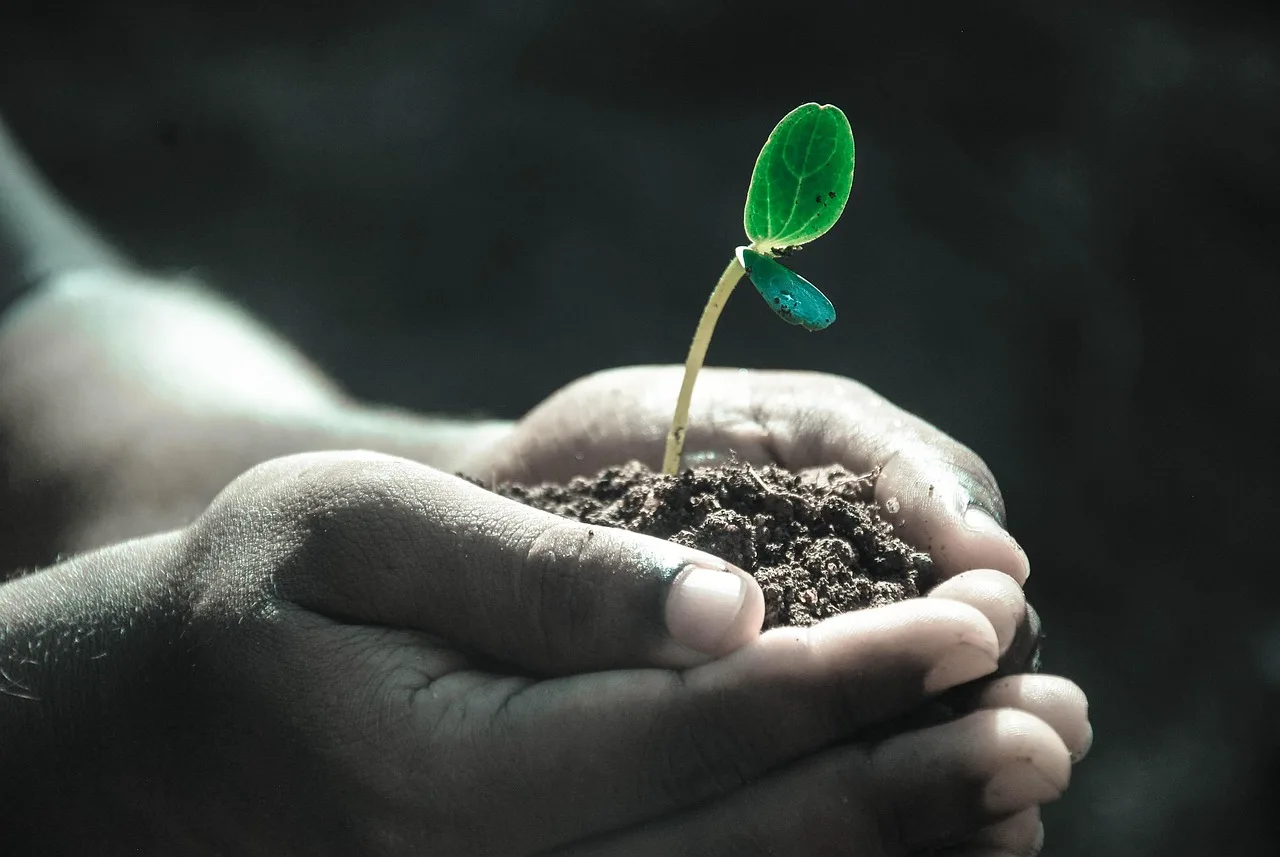

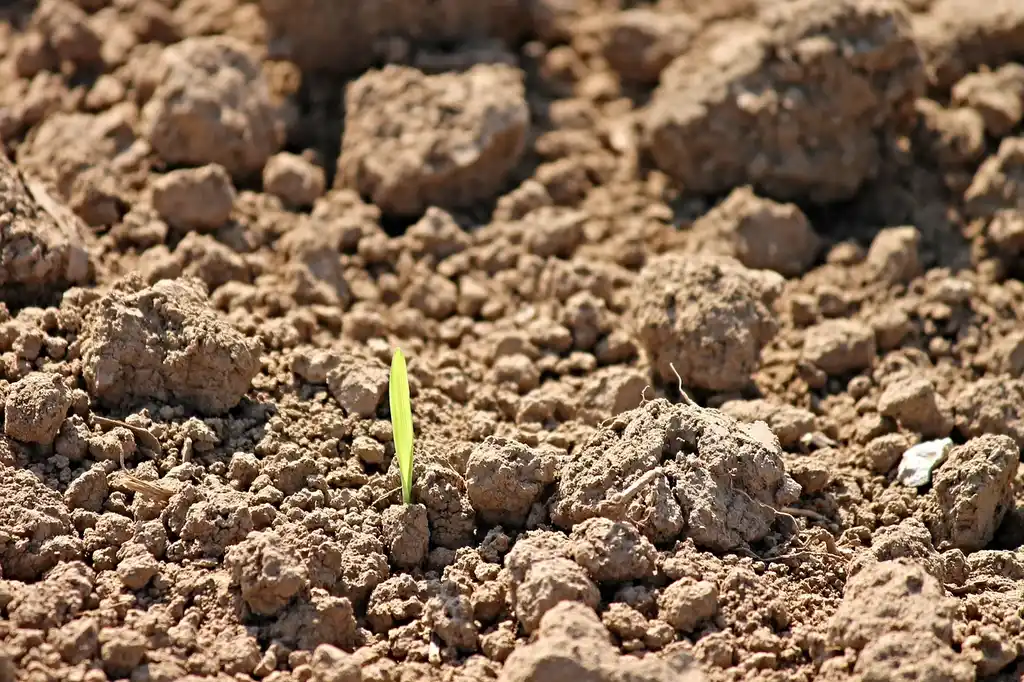
Cold soil slows water movement into the seed and delays germination. That matters most in the first 48 hours, when seeds take up moisture and shift from dormancy to growth. If the soil stays cold and wet, the seed can sit long enough for rot, decay, crusting, or damping off to take hold.
Some seeds are built for this. Others are not. Cold-hardy crops can handle early sowing in cool ground, while warm-season seeds need consistently warm soil and fail when planted too early.
What the first 48 hours do to a seed
The first 48 hours after planting are the danger window for crops that are sensitive to imbibitional chilling. During that window, the seed takes up water. If the water is very cold, cell membranes can be damaged before the seed has a chance to activate normal growth. Corn is the clearest example: it needs a two-day warm window after planting, soil should not drop much below 50°F during that time, and cold soil below 50°F for 48 hours can cause germination problems. (UNL)
That does not mean every crop follows the same cutoff. It means you should sort crops by their own minimum soil temperature and then decide whether to sow, protect, or wait.
Which failures matter most?
Cold, wet soil raises the risk of damping off disease and other seedbed failures. The common problems are simple: the seed rots before it sprouts, the emerging seedling collapses, the soil crusts over and traps the shoot, or rodents find exposed seed in a slow bed and remove it. Each failure looks different above ground, but the cause often starts in saturated cold soil.
Say your pea bed is soggy after rain and the surface forms a crust by morning. Even if peas can tolerate cool soil, crusting can delay emergence and leave the seedling weak enough to fail at the surface.
📊 Soil should not drop much below 50°F during that 48-hour window. Source: UNL.
How cold is too cold for each crop?
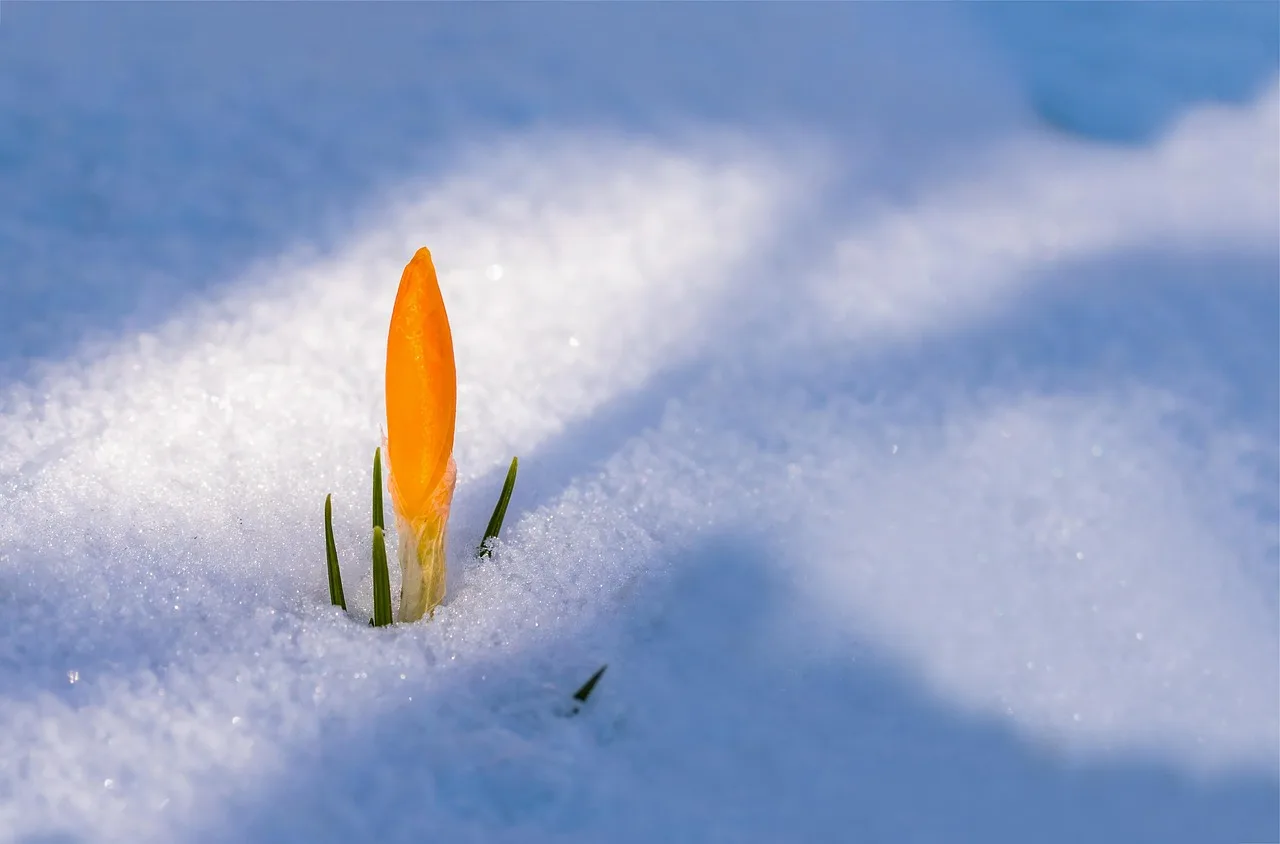
The answer depends on the crop group. Cold-hardy seeds can usually go first. Warm-season seeds need warmer, steadier soil and should wait unless you can protect the bed and the forecast is mild. Minimums also differ from practical sowing temperatures, so the decision is not only about whether a seed might sprout, but whether it is likely to do so safely and on time.
Cold-hardy crops you can usually sow first
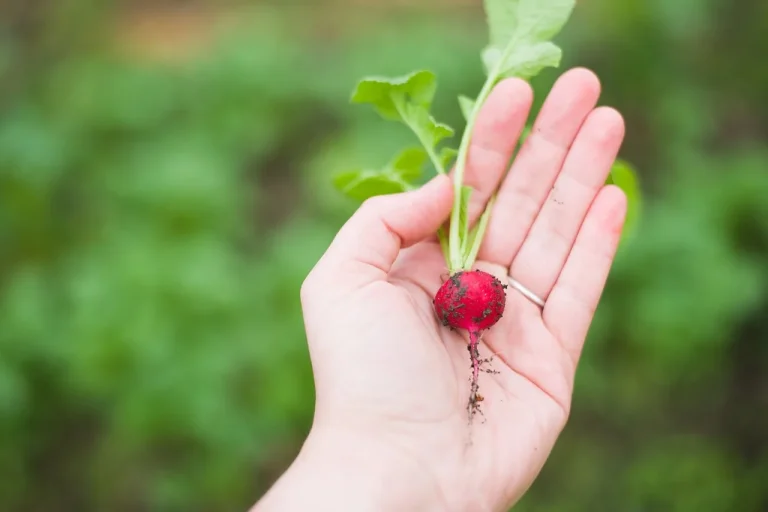
Spinach and kale can tolerate soil as low as 40°F. Peas and lettuce are listed at 45°F minimum soil temperature. Carrots and radishes are listed at 50°F minimum soil temperature. These crops can handle cool starts better than tender seeds, though wet soil still raises decay risk and slow emergence can expose them to crusting and pests.
Warm-season crops that need warmer soil
Tomatoes and peppers fail below 50-60°F according to the table. They are poor choices for cold beds unless you can maintain warmth and drainage. If soil is still cool, wait. A warm-season crop that germinates slowly in cold soil is more likely to rot than to establish a strong stand.
Why minimums differ from practical sowing temperatures
A minimum temperature tells you the lower edge of germination, not the best field timing. A seed may technically sprout at a low temperature and still perform poorly if the bed stays cold, wet, and dark for days. That is why the first 48 hours matter so much. The decision is about survival and uniform emergence, not only whether one seed can technically begin to grow.
How to check soil temperature before planting
Measure the soil at planting depth before you sow. Use a soil thermometer or probe, not a guess from the air temperature. The reading should come from the root zone, not the surface, because the top inch can warm quickly in sun while the seed zone stays cold.
Measure at planting depth, not at the surface
For a quick check, use a soil thermometer at 2-inch depth before planting. If you are sowing deeper or planting a large seed, use the depth that matches the seed placement. Surface readings can mislead you on bright spring days, especially in dark beds or under mulch.
What to do if the bed is warmer in the day than at dawn
Check in the early morning if possible. That is usually the coldest point of the day and gives the most useful planting read. If the bed is warm at noon but cool at dawn, trust the dawn reading. Seeds experience the whole day, not the warmest hour.
How soil moisture changes what the reading means
Wet soil holds cold longer than a dry surface bed. That is why a cool, saturated bed is riskier than a cool but friable one. If the soil is sticky, shining, or puddled, wait for drainage before sowing even when the temperature looks close to acceptable.
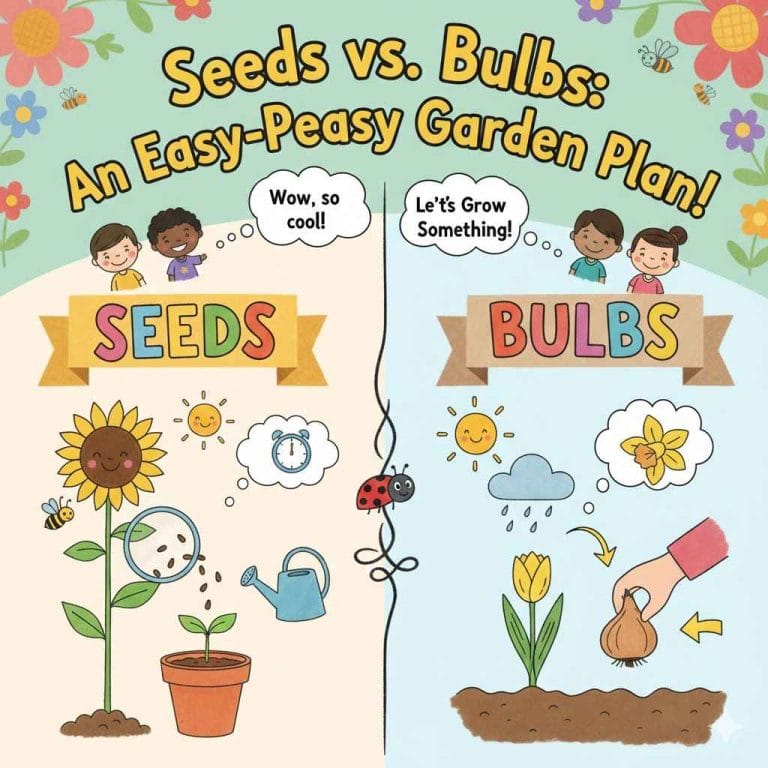
Some seeds need a cold-moist period before they will sprout well. That process is called cold stratification. It matters most for many perennials and natives, and it is often handled with winter sowing or a similar cold-moist setup rather than direct sowing into a spring bed.
Which seeds need a cold-moist period?
Many perennials and native species need a cold-moist period to break dormancy. The goal is not to germinate them in winter. The goal is to give them the cold signal they need so they can sprout when conditions improve.
Winter sowing containers with drainage and ventilation
Winter sowing uses mini-greenhouses made from recycled containers. Milk jugs or clear plastic containers are common choices. Make four to six drainage holes, leave a ventilation opening, and fill the container with 3-4 inches of pre-moistened potting soil. This setup protects the seed while still giving it cold, moisture, and air.
When to sow outdoors versus in containers
Use winter sowing containers when a seed needs cold stratification but you want more control over moisture and drainage. Direct sow outside when the crop is hardy and can handle the forecast. Choose the container method when you need the cold-moist signal without leaving seed exposed in a soggy garden bed.
A common first-timer mistake is sowing stratified seed in a shallow tray with no drainage. The seed gets the cold, but it also gets standing water, which can trigger decay before it ever wakes up.
Cold soil sowing decision table
Use this table as a go, protect, or wait guide for common seed groups. The action depends on the crop, the minimum soil temperature, and whether the next 48 hours look cold, wet, or both.
| Crop group | Minimum soil temp | 48-hour forecast risk | Watering caution | Recommended action |
|---|---|---|---|---|
| Spinach, kale | 40°F | Low if soil drains and stays above freezing | Water lightly; avoid soaked seedbeds | Direct sow now, or protect with row cover if frost is likely |
| Peas, lettuce | 45°F | Moderate if nights are cold and soil is wet | Use only enough moisture to settle seed | Sow now if the bed drains well; otherwise protect or wait |
| Carrots, radishes | 50°F | Moderate to high in cold, crusting soil | Keep the top layer evenly moist, not saturated | Sow now only in well-drained soil; use protection if cold snaps are brief |
| Corn | Needs a two-day 48-hour warm window after planting | High if soil stays below 50°F for 48 hours or enters the low 40s | Avoid cold irrigation and soggy furrows | Wait for steady warmth or sow only when the forecast is stable |
| Tomatoes, peppers | Below 50-60°F they fail | High in cool spring soil | Do not compensate with heavy watering | Wait for warmer soil or start indoors |
Can you plant seeds now or should you wait?
Plant now only if the crop can handle the measured soil temperature and the forecast stays mild enough for the first 48 hours. Use row cover or a cold frame when the crop is borderline but still within its safe range. Wait when the crop needs warm, stable soil or when the bed is cold, wet, and slow to drain.
Direct sow now when the crop can take cold soil
Direct sow hardy crops such as spinach, kale, peas, lettuce, carrots, and radishes when soil temperature matches the crop group and the bed is workable. Keep the seedbed loose, follow packet depth directions, and use only enough water to settle the soil around the seed.
Use covers or a cold frame when the soil is borderline
Black plastic mulch can help warm the bed before sowing. Row covers and cold frames can hold heat after planting and reduce exposure to wind and frost. These tools are most useful when the soil is close to the minimum and the forecast is only briefly cold.
Wait when the crop needs warm, stable soil
Tomatoes and peppers belong in this category. If the soil is still cool enough to slow emergence, the seed may sit too long and fail. Waiting is the safer choice than forcing a warm-season crop into a cold bed.
How to warm and protect the seedbed
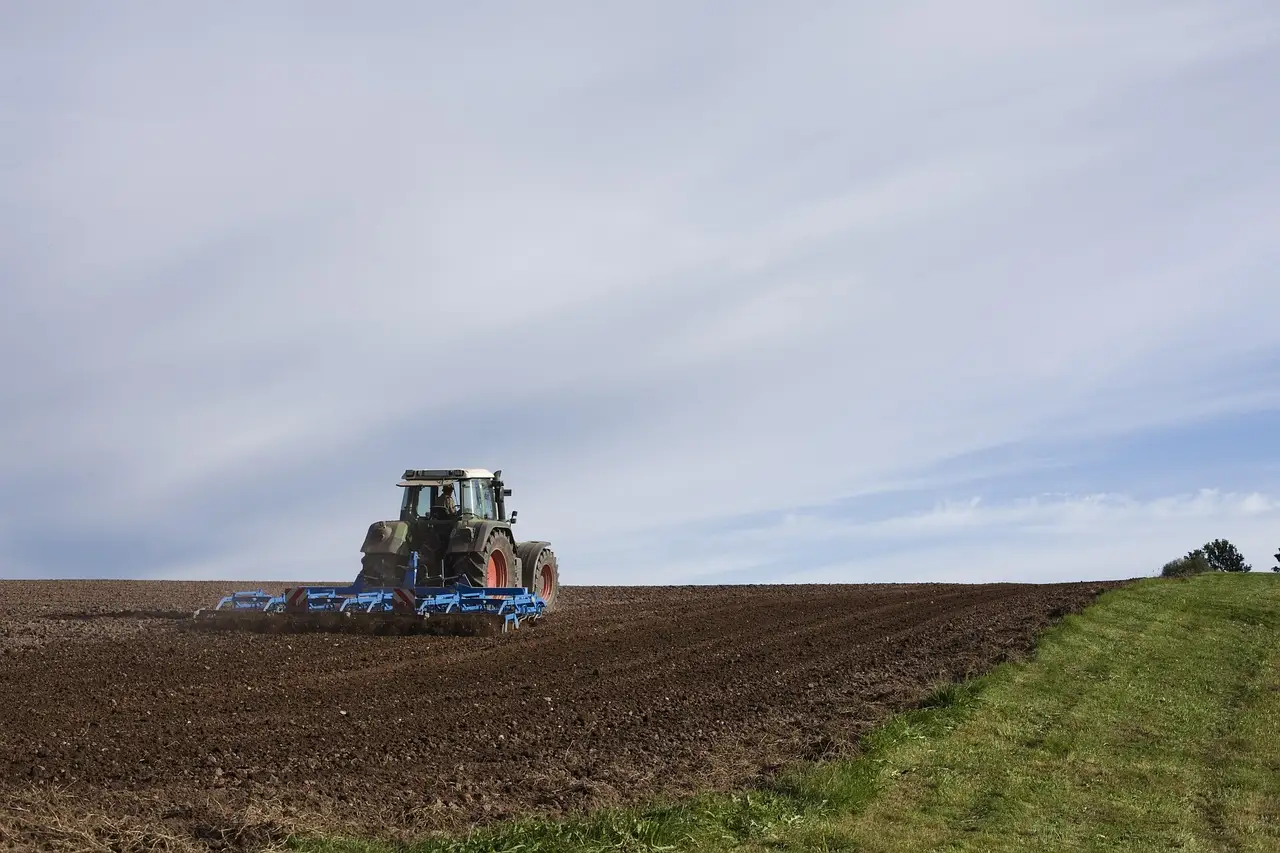
Raised beds, row covers, cold frames, and black plastic mulch are the main tools for warming a seedbed. They do not change the crop’s biology, but they can move the soil into a safer range and reduce the risk window after sowing. Keep the bed drained first; warmth helps little if the seed is sitting in water.
Avoid waterlogged soil
Do not flood a cold bed. Too much moisture raises rot risk and can also slow oxygen exchange around the seed. Water only enough to settle the planting line. If irrigation is needed, warmed irrigation water can be useful, but the point is to avoid chilling the seedbed with very cold water when the soil is already near the crop’s limit.
When fungicide seed treatment can help
Fungicide seed treatment is sometimes used for the earliest planted fields, especially when soils are soggy and cool. It can reduce pathogen pressure, but it is not a cure for poor timing or bad drainage. For home gardeners, the first defense is still proper crop choice, drainage, and forecast timing.
Seed depth and aftercare
As a general rule, plant seed about twice as deep as the seed is wide, unless the packet says otherwise. Some seeds need light and should be pressed into the surface instead of buried. Label the row, keep the surface evenly moist, and check for crusting after rain or irrigation.
- Measure soil temperature at planting depth.
- Check the crop group against its minimum soil temperature.
- Review the next 48 hours for frost, rain, and cold rain.
- Choose direct sow, protect with a cover, or wait.
- Plant at the correct depth and water lightly.
- Inspect for crusting, standing water, or rodent damage.
Frequently asked questions
Will seeds germinate in cold weather?
Some will, but not all seeds germinate at the same temperature. Cold-hardy crops such as spinach and kale can tolerate soil as low as 40°F, while tomatoes and peppers need much warmer soil. Cold, wet conditions also slow emergence and raise the chance of rot or damping off.
How cold is too cold for seedlings
Seedlings are less forgiving than seeds because they have already started growing. Cold can slow them, stunt them, or kill tender transplants if frost or saturated soil follows. Use row cover, a cold frame, or delayed planting when the forecast threatens a crop that needs warm, stable soil.
What soil to use to start seeds
Use a fine, well-drained medium that holds moisture without staying waterlogged. For winter sowing containers, a pre-moistened potting soil layer of 3-4 inches is a common setup. In the garden, the most important feature is drainage, because cold, wet soil is where many seed failures begin.
How to cold treat seeds
Cold treating means giving seed a cold-moist period that mimics winter. Some perennials and natives need that signal before they sprout. You can cold treat in winter sowing containers or another controlled setup, but not every seed needs it, so check the crop before you chill it.
How to plant seeds in garden
Check the soil temperature first, then sow only when the crop matches that temperature and the bed drains well. Follow the packet for depth, which is often about twice the seed width unless the seed needs light. Water lightly, label the row, and protect the bed if frost or heavy rain is coming.