How to Plant Wildflower Seeds for a Better Meadow
Prepare the site first. Remove or weaken existing grass, expose bare soil, and sow wildflower seed at the packet rate in fall or early spring, then press it in without burying it. Skip those steps, and grass and weeds usually outcompete seedlings, leaving a thin stand and few blooms.
What you need first


- Wildflower seed mix matched to your region, sun level, and soil
- Rake or garden fork for loosening and leveling the surface
- Hand spreader or clean bucket for broadcasting seed
- Dry sand for blending seed so it spreads more evenly
- Watering can or gentle hose nozzle
- Tarps or cardboard for smothering grass where digging is impractical
- Optional wildflower plugs for faster fill-in
- Gloves and a soil test if your site is very fertile or compacted
Seed is the cheapest route for a large meadow, but it is also the slowest. Plugs cost more and take more labor, yet they give you visible plants sooner and help where seedling loss would be high.
Which seed mix should you buy?
Pick a mix that fits your site first, then think about color. Full sun is essential for most wildflower varieties, and most wildflowers need at least 6+ hours of sun. If your spot gets only 3-4+ hours of sun, buy a mix labeled for partial shade instead of forcing a sun mix into dim conditions.
Native or non-native mixes
A native mix is usually the safest starting point when you want long-term compatibility with local conditions. Non-native mixes can work, but only when the species list fits your climate and light level. Avoid generic “meadow” packets that do not say where they are meant to grow.
Annual, perennial, and mixed blends
Annuals flower fast and fill gaps in the first season. Perennials take longer, but they build the long-term structure of the meadow. A mixed blend often gives the best balance: early color from annuals, then a steadier stand from perennials.
Match the mix to sun and soil
Use dry, open mixes on sunny, well-drained ground. Use mixes that tolerate heavier or moister soil only where drainage is poor and the site stays wet after rain. Poor, lean soil is better than rich garden soil because fertility pushes grass harder than flowers.
When should you sow?
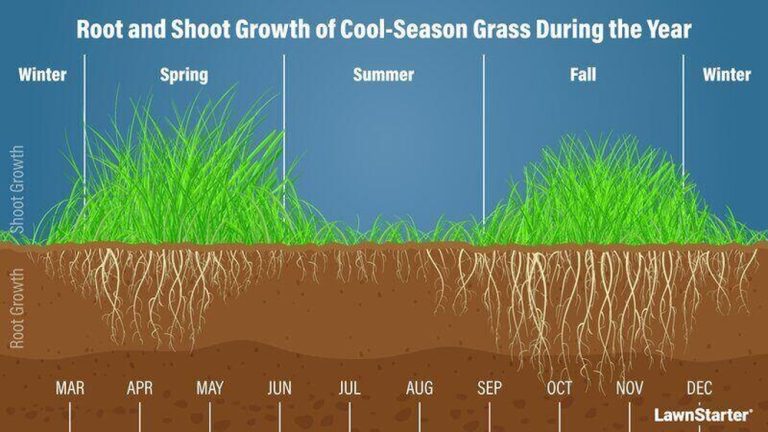
Fall is often the best time to establish a meadow, especially if you want natural winter weather to help the seed settle in. Spring also works after your last frost date. Summer sowing is possible, but it needs extra watering because heat and dry spells can dry out new seedlings fast.
Spring after last frost
Sow once frost risk is past and the soil has warmed. American Meadows says seeds germinate when soil reaches 55°F or warmer. That threshold matters because cold soil can slow or stall establishment even when the calendar says “spring.”
Summer sowing and extra watering
Summer sowing works best where you can water regularly. Use it on smaller areas, or where you can keep the surface moist through germination. It is a poor choice for a hot, unattended site.
Fall sowing and dormant seeding
Gardeningetc says the best time to create a meadow from scratch is early autumn. For cold-winter climates, dormant planting after 2-3 killing frosts is another useful option. That lets seed sit through winter and sprout when conditions improve.
Using soil temperature as a cue
Soil temperature matters more than the air temperature you feel. If the ground stays below 55°F, germination slows for many mixes. In cold climates, some seed also benefits from cold stratification before planting indoors in mid-spring.
How do you prepare soil for a wildflower meadow?
Clear the site of grass and weeds, then leave the surface open enough for seed to touch soil. Do not add rich compost or fertilizer unless a soil test shows a true need. Meadow plants do better when grass is not given a fertility advantage.
Remove grass and weeds
Dig out sod, scalp the turf, or repeatedly weaken it before sowing. On a lawn conversion, grass pressure is the main reason seed fails. If you can still see a strong turf layer, you are still planting into competition.
Loosen soil without overfeeding it
Fork or lightly loosen the top layer so seed can settle into contact with soil. The same source recommends removing 10-15cm of topsoil when converting a border into a meadow. That makes sense on rich ground because it reduces fertility and gives wildflowers a fairer start.
Use tarps or cardboard when needed
If the site is too weedy or sod-bound to clear by hand, smother it first. A tarp or layered cardboard can weaken the existing cover without digging in extra nutrients. That is often the cleaner choice for renovation patches and problem lawn edges.
Meadow setup table
| Site condition | Recommended prep | Sowing method | Seed rate check | Watering plan | Likely failure mode |
|---|---|---|---|---|---|
| Sunny dry ground | Remove weeds, rake smooth, keep soil lean | Broadcast on bare soil; firm after sowing | Use the packet rate; larger projects can use about 1/2 pound per 1,000 square feet | Keep moist during germination, then reduce irrigation | Seed dries out before roots anchor |
| Heavy wet soil | Check drainage; avoid adding compost; raise the surface slightly if needed | Sow in spring if the ground stays waterlogged | Do not oversow to “fix” poor drainage | Water lightly only if the surface begins to crust | Rot, weak emergence, grass gain from wet fertility |
| Existing lawn | Kill or remove grass first; use tarp or repeated smothering if needed | Sow only after turf is weak and exposed | Follow packet coverage carefully; thin lawns need full area coverage, not extra depth | Keep the top layer damp until seedlings are established | Grass outcompetes seedlings and leaves a thin stand |
| Meadow renovation | Cut back grass, remove thatch, open patches of soil | Overseed thin areas and add plugs in gaps | Use full rate on bare sections; patchy areas need reseeding | Water new seed and plugs more often in dry spells | Renovation fails if old grass canopy stays dense |
How do you sow wildflower seed?
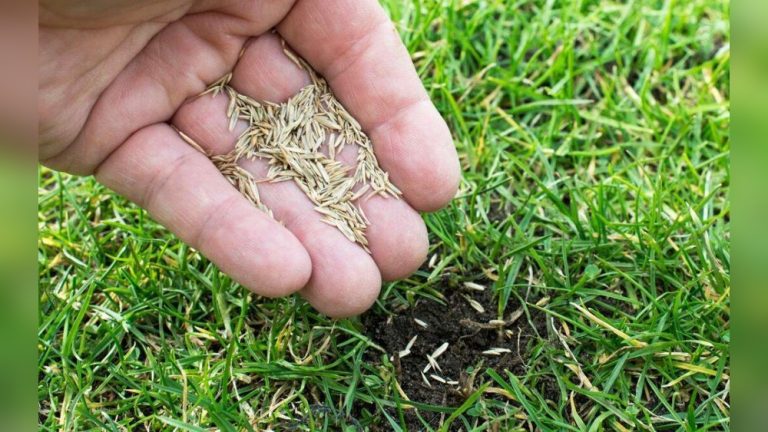
Broadcast seed evenly, keep it close to the surface, and firm it down so it has contact with soil. Do not bury wildflower seed deeply. Shallow placement is far safer because many meadow species need light and surface contact to germinate well.
- Measure the area and read the packet coverage before opening the seed.
- Mix seed with dry sand if it is hard to spread evenly.
- Broadcast in two passes, one north-south and one east-west, so coverage is less patchy.
- Rake very lightly or press the seed into the surface.
- Firm the bed with the back of your rake, as RHS guidance notes, so seed-to-soil contact improves.
- Water gently enough that the seed stays put.
Should you mix wildflower seeds with sand? Often yes, especially for small seed or windy sites. Dry sand makes the seed easier to see as you spread it, which helps prevent clumps and bare strips.
Say your 200-square-foot strip sits beside a driveway and the seed is tiny and hard to judge by eye. Mixing it with dry sand lets you see where coverage is thin, so you can correct the spread before watering starts moving seed around.
Common mistakes
Most meadow failures come from three habits: too much seed, too much water or too little, and letting grass stay dominant. The fix is simple, but only if you catch the problem early.
- Too much seed: Crowded seedlings can weaken each other. If the mix is thick in one spot, redistribute the surface layer instead of adding more seed.
- Too much water or too little: Keep the surface moist for germination, then back off once seedlings root. Hot, dry weather needs more frequent watering than cool, damp weather.
- Grass taking over: Cut back or smother the grass before sowing. If grass already dominates after the first season, overseed the open patches and reduce mowing height only where the mix tolerates it.
A common first-timer mistake is sowing wildflower seed into dense turf and expecting it to sprout evenly without first thinning the grass. As an example, a 10-by-10-foot patch may be seeded on top of intact turf in May. The grass will usually shade the seedlings before they establish, and the “meadow” becomes a thin flower strip instead.
Yellow rattle can help where grasses are the problem. It is an annual that weakens grass competition and can support flower establishment in suitable meadow mixes. Use it only where your mix and climate can support it.
What about plugs, turf, or faster methods?
Wildflower plugs make sense when speed matters more than budget. The same source suggests about five plug plants per square metre for a natural look. Keep the spacing irregular rather than grid-like, or the planting will read as a row of dots instead of a meadow.
Use plugs on edges, around paths, or where seed keeps failing. Turf or pre-grown meadow products are faster still, but they cost more and usually need more planning. Seed remains the best choice for larger areas where time is less urgent.
Frequently asked questions
What is the best way to plant wildflower seeds?
The best method is to match the mix to the site, sow at the right season, and keep seed shallow. For most gardens, that means a prepared surface, even broadcasting, and firming with a rake or roller so the seed stays in contact with soil.
How and when to plant wildflower seeds?
Plant after last frost in spring, in early autumn, or as dormant seed after 2-3 killing frosts in cold-winter regions. Use spring when soil is 55°F or warmer, and use summer only if you can water regularly through establishment.
Do wildflower seeds need full sun?
Most do. Full sun is essential for most wildflower varieties, and many need at least 6+ hours of sun. If your site gets only 3-4+ hours, choose a mix labeled for partial shade instead of assuming any meadow blend will do.
Should you mix wildflower seeds with sand?
Yes, often. Dry sand helps tiny seed spread more evenly and makes it easier to see where you have already broadcast. It is especially useful on breezy sites, small seed mixes, and patches where even coverage matters more than speed.