How to Sow Tiny Seeds Evenly Without Overcrowding
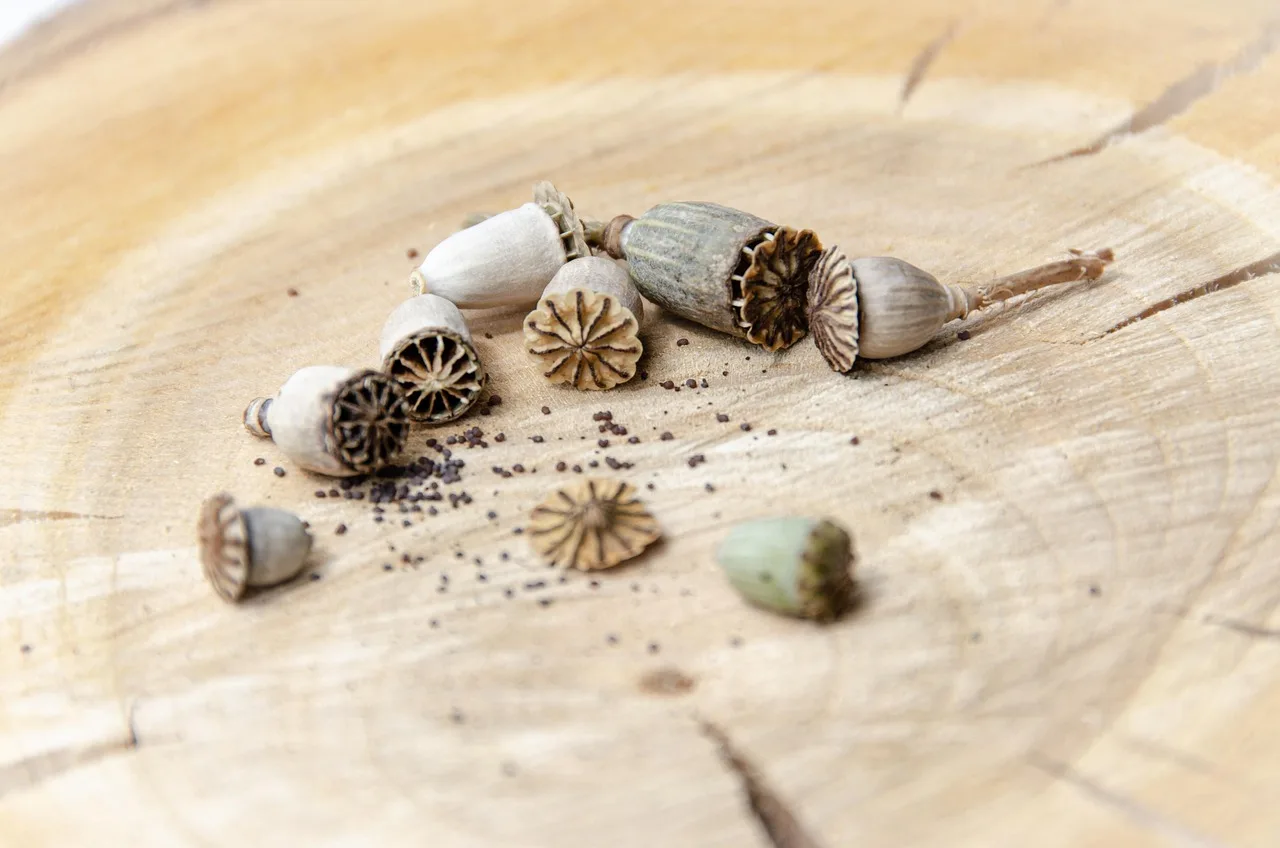
Mix tiny seeds with about 5 to 10 parts dry, fine sand, then tap or pinch-sow in short passes so seeds land as a light, even scatter instead of clumps. Crowding wastes seed, makes thinning tedious, and leads to weak, crowded seedlings. This guide shows the prep, sowing, moisture control, and thinning steps for trays, pots, flats, and direct rows.
This guide is part of our Seed planting guide for beginners series.
What you’ll need


- Fine-textured seed-starting mix
- Cell tray, flat, or small pots
- Seed dispenser, folded paper, or pinch method
- Dry, fine sand for a carrier
- Spray bottle
- Sieve or fine mesh for a light cover
- Clear humidity cover, lid, or plastic cover with vents
- Plant labels and a waterproof marker
- Optional: shallow tray or dibber for leveling
Tiny seed sowing setup matrix
| Method | Seed size fit | Precision | Cleanup | Best use case |
|---|---|---|---|---|
| Pinch | Very fine seed, mixed packets | Low to medium | Very easy | Fast sowing in trays or short rows |
| Folded-paper tap | Fine seed that still flows | Medium | Easy | Steadier placement than a bare hand |
| Seed dispenser | Small to very fine seed | Medium to high | Moderate | Controlled stream over flats or rows |
| Salt-shaker style sieve | Very tiny, free-flowing seed | Medium | Moderate | Even dusting across a tray surface |
| Pelleted-seed spacing | Ultra-fine seed in pellets | High | Very easy | When each seed needs spacing and speed |
| Pre-mixed dry sand carrier | Dust-fine seed | Medium to high | Easy | Best for uniform scatter in rows or trays |
Step 1: Prepare a fine, level sowing surface
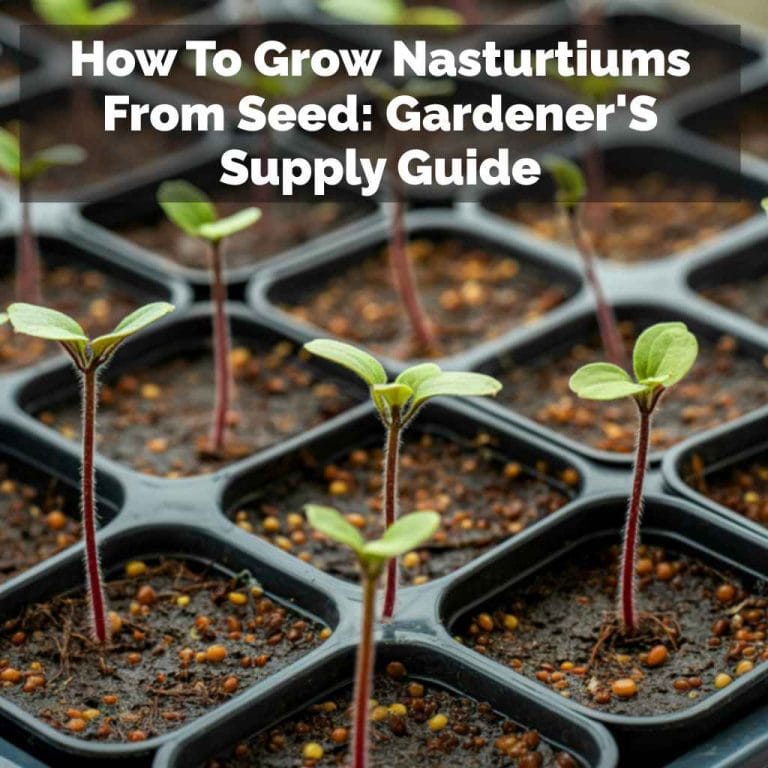
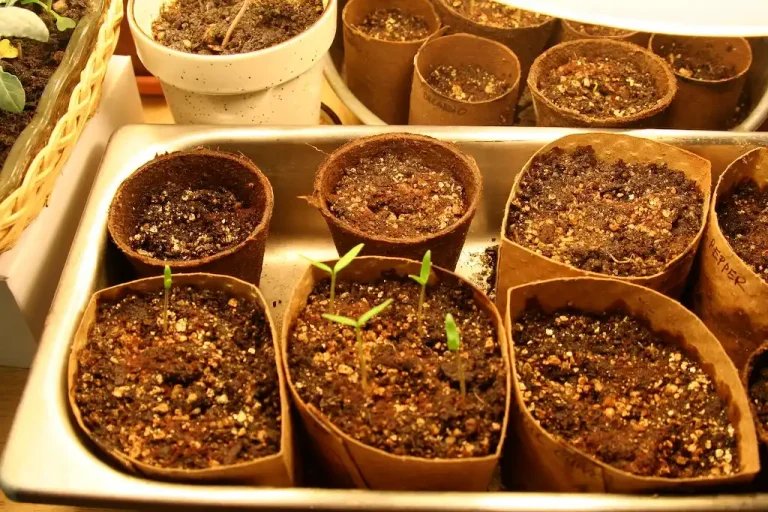
- Fill the tray, pot, flat, or cell tray with fine-textured seed-starting mix and settle it gently.
- Moisten the mix thoroughly before sowing so it is evenly damp, not muddy.
- Level the surface with a straight edge or hand so seeds do not roll into low spots.
- Mark shallow rows or a light grid if you want spacing control for direct counts or patch repairs.
A fine-textured seed-starting mix gives tiny seeds better contact with moisture and keeps them near the germination zone. Tiny seeds are easy to lose, clump, or bury too deeply, so a level bed matters. Warm conditions are ideal for germination, and a steady surface helps keep those seeds in place.
How do you sow tiny seeds evenly?
Use the lightest control method that still lets the seed flow, then sow in short passes rather than one heavy scatter. For dust-fine seed, mix 5 to 10 parts dry, fine sand with 1 part seed and tap the mixture in a thin stream. That cuts static clumps and stops damp fingers from grabbing the seed.
Pinch sowing works for a few seeds at a time. A folded-paper tap gives better control when seed slips too fast from your fingers. A seed dispenser or sieve helps when you need a steadier stream across a larger tray. The goal is even spread across the surface, not a full cover in one pass.
Suppose lettuce seed is clinging to damp fingertips and landing in one corner of the flat. Switch to a folded-paper tap, keep the fingers dry, and make two light passes instead of one heavy one. The same seed can spread much more evenly without changing the mix or the tray.
Use the right distribution method
- Pinch: best for the smallest amounts and the least gear.
- Folded-paper tap: best when you need better aim without extra tools.
- Seed dispenser: best when you want a controlled stream and less hand contact.
- Salt-shaker style sieve: best for broad, even dusting over flats.
- Pelleted seed: best when spacing must be clearer and faster.
- Dry sand carrier: best when the seed is so tiny that raw scattering turns into clumps.
How do you stop overcrowding in trays?
Match sowing density to the final spacing you want, then thin after true leaves develop if the tray still comes up thick. If each plant needs room and transplanting is the plan, a cell tray often prevents crowding better than a crowded flat. If the seed patch is sparse, re-sow that area instead of waiting on one weak cluster.
Thin after true leaves develop for most tiny seeds. Before that, seedlings are too fragile to judge well. If a tray is uneven but not packed, leave the gap and fill it only if the bare area is large enough to matter. Thin later if the stand is dense.
Picture a tray of tiny herb seed where one corner has six seedlings in a coin-sized patch and the rest of the cell is bare. Re-sowing the bare patch is the better fix. Thinning only solves the crowded corner; it does not correct the empty space.
When to use cell trays or direct sowing
Use cell trays when each plant needs room, when seedlings will be transplanted, or when you want one seedling per cell with less thinning. Use direct sowing outdoors when the crop dislikes root disturbance or is usually grown in place. Direct sowing needs more careful labeling and spacing because weather and pests can thin the row before you do.
How do you direct sow tiny seeds outdoors?
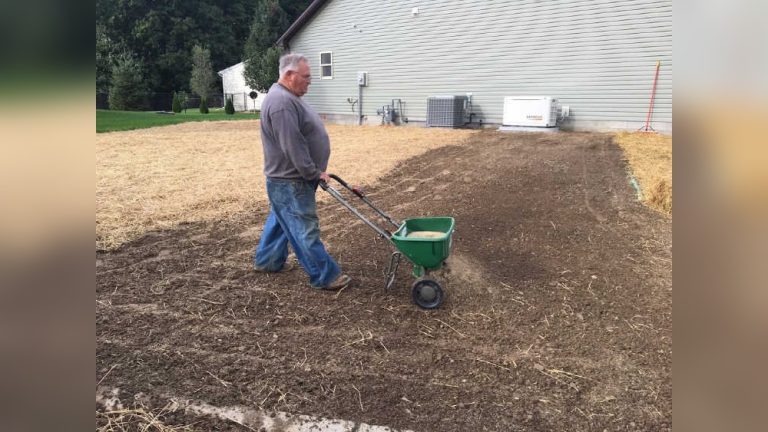
Prepare a fine seedbed, make a shallow row, and sow in short passes so the seed falls evenly. Mixing tiny seed with dry sand gives steadier spacing in the row. Keep labels close by, because small seed rows disappear fast once watered in. Surface moisture matters more outdoors because wind and sun dry the top quickly.
Direct sowing puts seed under more exposure to weather and pests than trays do. That makes even spacing and careful marking more important. After sowing, water gently with a spray bottle so seeds are not moved out of place, then check daily for drying at the surface.
A common first-timer mistake is sowing carrot seed by hand into a dry, fluffy bed and then watering hard from above. The seed bunches, shifts, and leaves one dense section and one bare strip. A fine bed, dry sand carrier, and light spray avoid that pattern.
Surface sowing and light covering
Most tiny seeds are surface-sown because they need light, so keep them on or near the top of the medium. If the packet calls for a cover, use a sieve or fine mesh to dust only a very thin layer over seeds that can take it. Do not bury light-requiring seed deeply.
How do you plant very small seeds so they don’t clump?
Keep your hands and tools dry, sow in short passes, and move the seed with a carrier when the seed is almost dust-fine. Static and damp skin are common causes of clumping, and sticky tools make it worse. A fine-textured seed-starting mix also helps seeds land without sinking unevenly.
If a seed sticks to the spoon, paper fold, or fingertips, pause and dry the tool before the next pass. For tiny vegetable seed, a pinch method is fine only when the amount is small. For wildflowers or very fine herbs, a sand carrier often gives the cleanest spread.
- Fill and level the container.
- Moisten the surface before scattering.
- Choose pinch, paper tap, dispenser, sieve, pellet, or sand carrier.
- Sow in two or three light passes.
- Check for bare strips, then add one more pass if needed.
- Cover only if the seed type can take a very light dusting.
- Spray the surface gently and keep it evenly moist until the seeds sprout.
Watering, cover, and moisture control
Use a spray bottle for the first watering after sowing, because a hard stream can move tiny seeds out of place. Keep the medium evenly damp until germination. A clear humidity cover helps hold moisture, but it should be vented so excess dampness does not linger.
Common mistakes
- Burying light-requiring seed too deeply: use only a very thin cover, or none if the seed needs light.
- Watering too hard: switch to a spray bottle or fine mist.
- Leaving the cover sealed too long: vent the humidity cover once condensation builds.
- Thinning too early: wait for true leaves, then remove weaker seedlings.
- Thinning too late: crowded seedlings compete longer and stay weak.
- Using one heavy scatter: break sowing into short passes and recheck the surface between passes.
Keep a label with the seed type and sowing date on every tray or row. That matters more with tiny seed because the seedlings can look alike at first, and the decision to thin or re-sow depends on what is actually in the tray. The Rike advises checking product-specific sowing guidance before starting and confirming the planting area’s space, light, moisture, and care needs.
Frequently asked questions
How to plant very small seeds so they don’t clump
Dry your hands, keep tools dry, and avoid touching the seed with damp fingers. A folded-paper tap, seed dispenser, or pre-mixed sand carrier gives better flow than a bare pinch for dust-fine seed. Moisten the medium first so the seed does not stick to dry pockets.
How to sow very fine seeds on the soil surface
Prepare a fine, level seed-starting mix, then scatter the seed on top and press it in only lightly if the crop needs contact. Many tiny seeds are surface-sown because they need light. Mist with a spray bottle so the seed stays put and the top layer stays evenly moist.
What is the best way to sow small vegetable seeds?
For carrots, lettuce, and similar fine vegetable seed, a dry sand carrier often gives the most even result. Use it over a shallow row or a flat, then water with a spray bottle. If the seed is pelleted, you can space it more precisely with less cleanup.