How Many Seeds Should You Plant Per Hole or Cell? Guide
Sow 2–3 seeds per hole or cell for most small seeds, 1–2 for large seeds, then thin to the strongest seedling. Too many seeds uses extra seed, packs roots too tightly, and gives you spindly starts. I use this rule every season, then adjust by seed size, germination rate, and whether I am transplanting or direct sowing.
How many seeds should you plant per hole or cell?


Start with one seed for large seeds, two seeds for medium seeds, and three seeds for small seeds. If the packet is old or the seed lot looks doubtful, I add one backup seed instead of stuffing every cell and hoping the tray sorts itself out.
The short answer for most home gardeners
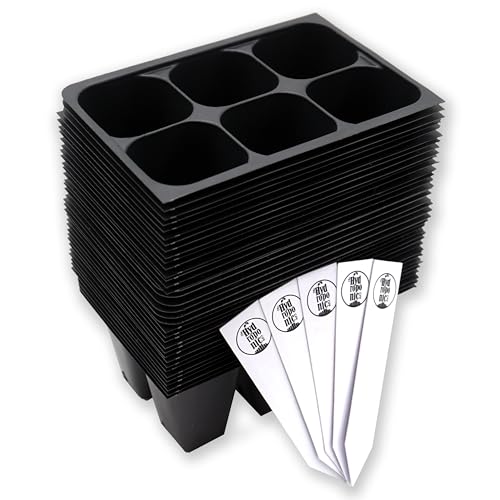
Use 2–3 seeds per hole or cell as a practical default. That fits many tray starts and gives you a spare if one seed fails. Seedling tray cells are the usual starting unit for this kind of sowing, and they work best when each cell has one planned outcome.
When one seed is enough
One seed can be enough when the seed is large, costly, or likely to be crowded. It also fits when you want one transplant with one strong root system per cell. In those cases, extra seeds usually add thinning work without giving you anything back.
When two or three seeds make sense
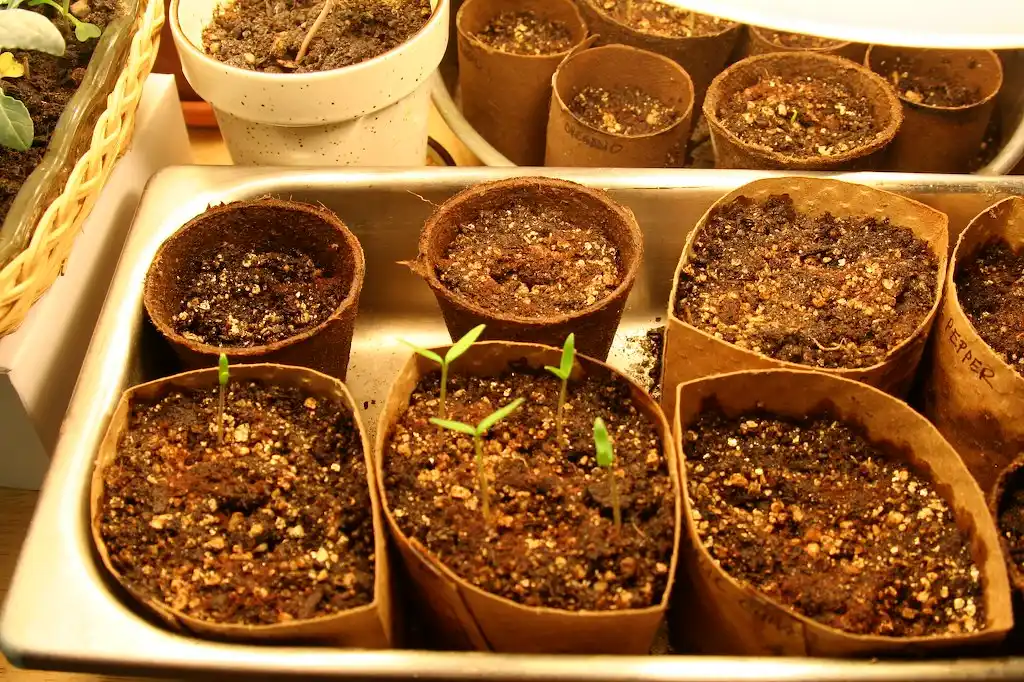
Two or three seeds make sense when germination is uncertain, the seed is small, or the crop handles clustering. That is especially useful for tray starts, where an empty cell means time lost. More than one seed improves the odds that at least one sprout fills the space.
What changes the right seed count?
The right count comes down to three things: seed size, the packet germination percentage, and your planting goal. A final transplant needs cleaner spacing than a direct-sown patch. A small herb cell can take a cluster. A large-fruited crop usually needs one seed, not a crowded backup pair.
According to How Many Seeds to Plant Per Hole, Pot, or Cell — It uses a 72-plant starter tray as an example.
How do germination rates change how many seeds you sow?
Seed germination rate is the percentage-based viability number that tells you how many seeds are likely to sprout. It varies by species and seed age, so the packet percentage should guide your sowing count. Lower confidence means more backup seeds. Higher confidence means fewer extras and less thinning.
Using the packet percentage as a planning number
The packet germination percentage is the easiest planning tool on the table. If you need a set number of plants, divide that target by the germination percentage. A packet that lists 80% germination means you should sow more seeds than the number of plants you want to end with.
Old seed lots and lower viability
Older seed lots often need more backup seed because viability drops with age and storage conditions. That does not mean every old packet is useless. It means the sowing count should rise when the seed is past its best window or when the crop is slow to germinate.
A quick way to add backup seeds without wasting a full packet
Add one extra seed per cell when confidence is moderate. Add two extras only when the seed is old, the crop is valuable, or you need a near-perfect tray. If the packet is fresh and the crop is forgiving, stick to the basic count and thin later.
When should you plant one seed only?
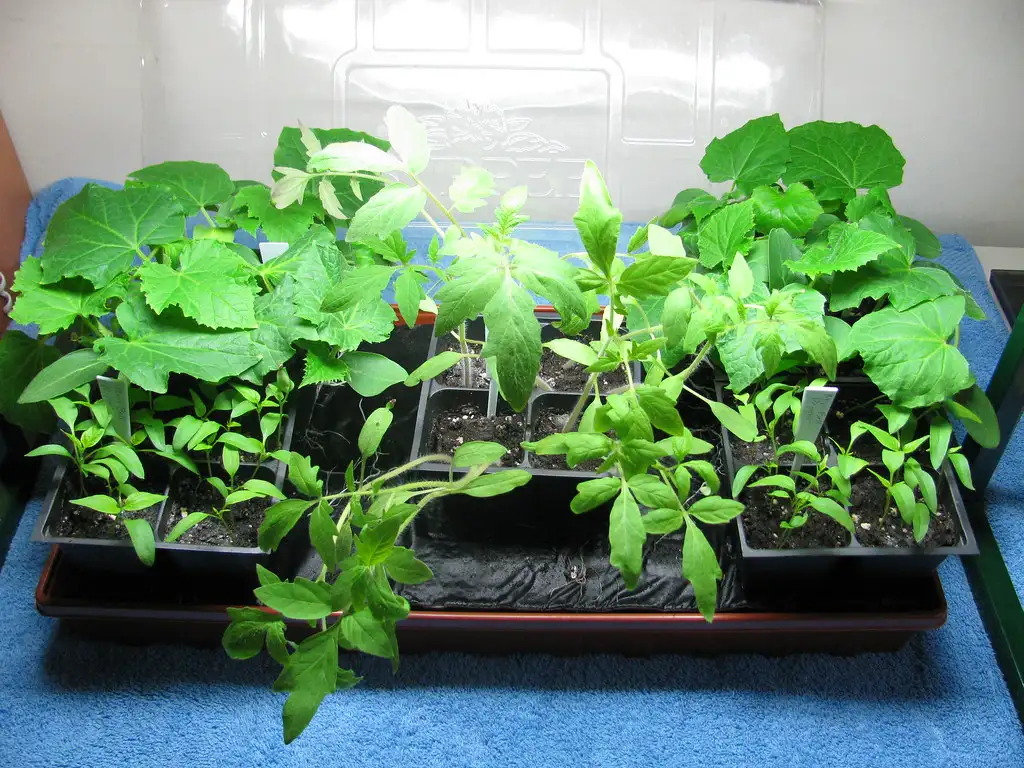
Plant one seed only when the seed is large, the crop dislikes root disturbance, or you want to avoid unnecessary thinning. Large seeds usually have enough stored energy to emerge well on their own. Extra seeds in the same hole can crowd the root zone before the seedlings even reach the surface.
Large seeds that usually get one per hole
Large seeds are the clearest one-seed case. Cucumbers, melons, and pumpkins are the standard examples. They are large enough that one seed per hole or cell is usually the cleanest choice, especially if you plan to transplant them or direct sow them where they will finish.
Why extra seeds can create more work than they solve
Extra seeds in a large-seed cell can twist roots together fast. Then thinning becomes awkward, and the plants you keep are easy to disturb. If the seed is already large and the germination rate is decent, one seed per hole saves space, seed, and time.
When should you plant two or three seeds per cell?
Plant two or three seeds per cell when the seed is medium or small, when you expect some failures, or when the crop can be thinned cleanly after sprouting. This is also the best choice for many herbs that can grow as a small cluster rather than a single stem.
Medium and small seeds that are harder to space one by one
Medium seeds commonly get two per hole, and small seeds commonly get three. That matches the standard guidance many gardeners use because the seeds are cheap, light, and easy to oversow. The extra seed acts as insurance when your sowing mix, watering, or heat is less than perfect.
Herbs that can stay clustered
Cilantro, dill, and basil are common herbs that can be planted multiple seeds per hole. In some setups, you can leave them clustered instead of thinning to a single stem. That works best when you want a fuller pot or a cut-and-come-again style harvest.
When a backup seed is smarter than reseeding later
A backup seed is smarter when the cell is hard to reach, the crop is slow, or you want a full tray on the first pass. If a hole stays empty, you can reseed it, but the new seed often lags behind the rest. A built-in spare keeps timing more even.
Sowing decision table: seed size, germination rate, and planting goal
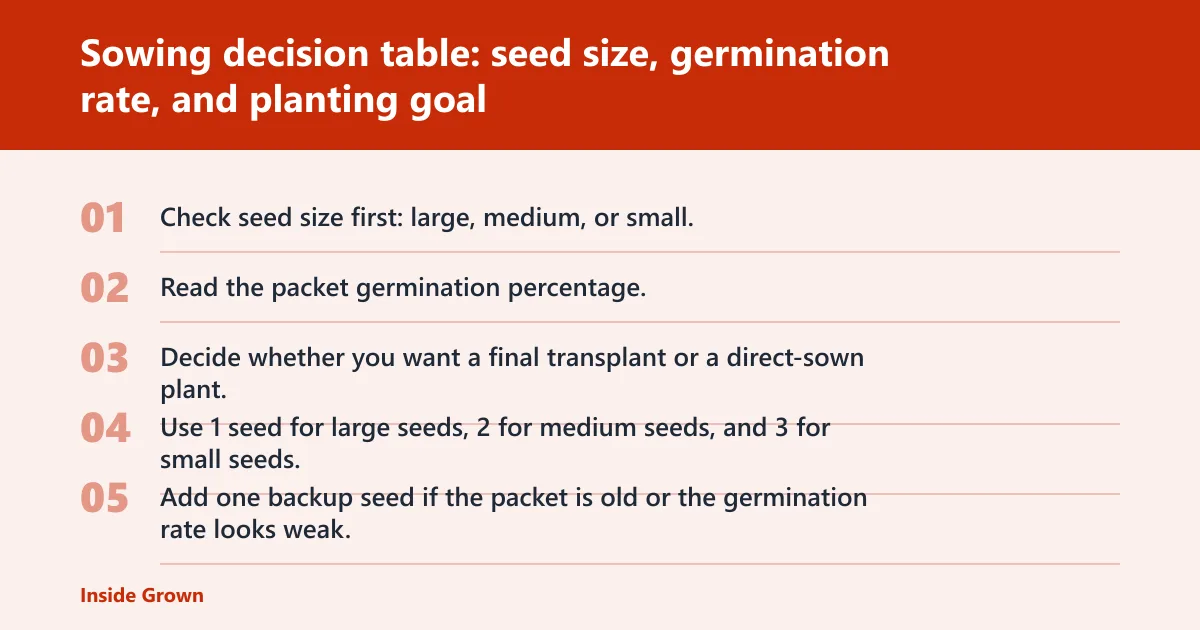
Use this table as a decision rule, not a slogan. Start with seed size, then check the packet germination percentage, then decide whether you want a final transplant or a direct-sown plant. The number in the last column is the count to sow per hole or cell.
| Seed size | Packet germination percentage | Planting goal | Seeds per hole or cell | Backup plan | Thin timing |
|---|---|---|---|---|---|
| Large | Fresh or trusted | Direct sow or transplant | 1 | Reseed empty spots once, after checking moisture | Do not thin unless two sprout |
| Large | Low or uncertain | Direct sow or transplant | 2 | Keep the stronger seedling, remove the weaker one early | Thin as soon as true leaves appear |
| Medium | Fresh or trusted | Transplant | 2 | If one cell stays empty, reseed it rather than doubling every cell | Thin when the first true leaves open |
| Medium | Low or uncertain | Transplant | 3 | Leave the strongest plant, cull the rest | Thin early to avoid root tangling |
| Small | Fresh or trusted | Direct sow | 2–3 | Keep extra seedlings only if the crop is meant to be cut young | Thin after sprouting if spacing is needed |
| Small | Low or uncertain | Transplant or direct sow | 3 | Use empty-cell reseeding for missed spots, not extra crowding in every cell | Thin at first true leaf stage |
| Herbs that tolerate clusters | Any ordinary packet | Clustered pot or short-row sowing | 3 | Leave the strongest clump if the goal is a fuller pot | Thin only if the stand becomes crowded |
- Check seed size first: large, medium, or small.
- Read the packet germination percentage.
- Decide whether you want a final transplant or a direct-sown plant.
- Use 1 seed for large seeds, 2 for medium seeds, and 3 for small seeds.
- Add one backup seed if the packet is old or the germination rate looks weak.
- Reseed empty cells once, then stop and move on.
What do you do after more than one seed sprouts?
When more than one seed sprouts, thin to the strongest seedling unless the crop is meant to grow as a cluster. Thin after germination, once the seedlings are large enough to judge leaf shape and stem strength. That keeps roots from tangling and cuts competition for light, water, and nutrients.
When to thin seedlings
Thin after the seedlings come up and once the strongest one is easy to identify. Do it before the roots knit together. If you wait too long, pulling one plant can disturb the rest. For most tray starts, early thinning is cleaner than trying to sort them out later.
Which seedling to keep
Keep the seedling with the thickest stem, the healthiest color, and the most balanced growth. If one seedling is stretched or bent, it is usually the first to remove. In a crowded cell, the strongest-looking plant is usually the one that will hold up best after transplanting.
When clustered seedlings can stay together
Some seedlings can stay together if the crop is intended for a clump or a cut-and-come-again harvest. Cilantro, dill, and basil often fit that pattern. If the goal is a fuller pot, leave the cluster. If the goal is one strong transplant, thin to one.
Frequently asked questions
How many seeds should I plant per hole or cell?
Use a few seeds per hole or cell for most small seeds, fewer for medium seeds, and one for large seeds. That gives you backup without filling every cell with excess plants. If the packet is old or the crop is uncertain, add one more seed.
Should I plant one seed or two seeds per cell?
Use one seed per cell for large seeds like cucumbers, melons, and pumpkins. Use two seeds per cell for many medium seeds, especially when the packet germination percentage is solid. If the seed lot is old, a second seed is often cheaper than reseeding a blank cell.
When should I thin extra seedlings after sowing?
Thin after germination, once the seedlings are large enough to identify the strongest one but before roots become tangled. That usually means waiting for early true leaves, not full maturity. The longer crowded seedlings sit together, the more likely you are to lose roots when you separate them.
Do small seeds need more than one per hole?
Yes, small seeds often do. Three seeds per hole is a common rule for small seed types, especially when germination confidence is not perfect. That approach helps fill the cell quickly, then you can thin or leave a small cluster if the crop tolerates it.
Can I plant multiple seeds in one pot?
Yes, and many gardeners do. Multiple seeds in one pot are useful for herbs, short-term transplants, and direct-sown crops where a cluster is acceptable. Just do not crowd every pot without a plan, because overcrowding leads to weak stems and a thicker root mass than the pot can support.
Which seedlings should I keep if more than one comes up?
Keep the strongest, most upright seedling with the thickest stem and healthiest color. Remove the weaker, stretched, or damaged one first. If the plant is one that can stay clustered, such as cilantro, dill, or basil, you can keep a small group instead of forcing a single survivor.