How to Plant Large Seeds for Better Germination
Treat large seeds as their own sowing group: soak only when the seed coat is hard, scarify only when water cannot enter, and plant at a depth of about 2 to 3 times the seed’s thickness. Miss the basics, and germination slows, rot starts, or seedlings emerge weak and uneven. This guide covers the pre-plant choices for soaking, scarifying, depth, and moisture in trays, pots, and beds.
Large seeds usually have thicker coats and need better moisture access than tiny seeds. That is why they need more careful handling at sowing, even though the core needs stay the same: water, oxygen, and the right temperature. Many seeds germinate at 15-20°C, but crop-specific warmth still matters.
Preparing soil and seeds for optimal germination


What you’ll need
- Seed packet with germination time, depth, and any pre-treatment notes
- Light, well-draining seed-starting mix, preferably sterile or soilless
- Tray, cell pack, small pot, or prepared bed
- Mist bottle or gentle watering can with a fine rose
- Sandpaper, nail file, or a clean blade for hard-coated seed
- Labels, if you are sowing more than one crop
Use the packet first. It may list transplant timing, sowing depth, or a pre-treatment such as soaking. Some packets also note whether a crop is better direct sown or started in cells.
Plant large seeds in 4 steps
- Check the packet before you sow. Match the crop to its listed depth, germination time, and any soak or scarify note.
- Decide whether to soak or scarify. Choose soaking for many hard or thick-coated seeds, and scarification when the coat needs a small break for water entry.
- Place the seed at the right depth. Use the packet first; when it is vague, a common rule of thumb is about 2 to 3 times the seed’s thickness, not the width of the whole seed if it is oddly shaped.
- Water in and hold moisture steady. Keep the medium evenly moist, never waterlogged, and do not let it dry while germination is underway.
A light, well-draining seed-starting mix gives young roots better air and drainage than heavy garden soil. Heavy soil crusts more easily, which can stop a large seedling before it reaches the surface.
Large seed sowing triage
| Seed type | Coat hardness | Soak time | Scarify? | Recommended sowing depth rule | Common failure mode | Stop now if… |
|---|---|---|---|---|---|---|
| Beans | Moderate | 8-12 hours | No, usually | Follow packet; often about 2 to 3 times seed thickness | Over-soaking and soft rot | the seed has swollen and the coat looks split |
| Peas | Moderate | 8-12 hours | No, usually | Follow packet; plant deeper only when the packet says so | Drying out before radicle emergence | the seed coat feels soft or papery |
| Squash | Thin to moderate | 8-12 hours | No | Follow packet; Grow Organic says squash should be started 3-4 weeks before the last frost | Cold, wet mix slows emergence | the seed has already swollen clearly |
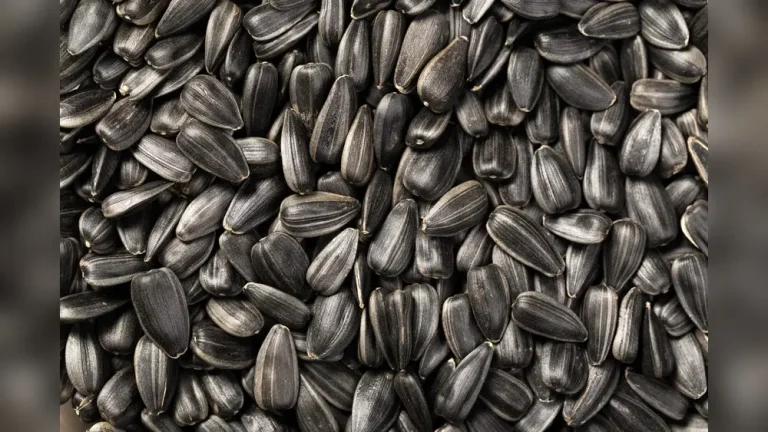
| Sunflower | Moderate | 8-12 hours | No, usually | Follow packet; many gardeners use the seed-width guide only when the packet is vague | Sowing too deep in crusting soil | the seed cracks or the embryo shows |
| Nasturtium | Hard | 8-12 hours | Sometimes light scarification | Follow packet; keep cover light | Water cannot enter the coat | the seed has turned soft after soaking |
| Sweet pea | Hard | 8-24 hours | Yes, often | Follow packet; do not bury deeply | Over-soaking or poor air exchange | the seed is already splitting at the seam |
Say your sweet pea seed has a hard coat and sits in water for 24 hours. If it puffs up and the seam begins to split, stop soaking and sow it at once. Leave it in water longer, and oxygen drops while rot risk rises.
Should you soak large seeds?
Soak many large seeds when the coat is hard or thick, but skip soaking when the packet says not to, or when the seed is already prone to rot. A practical range is 8 to 12 hours for thinner coats and up to 24 hours for thicker coats. Watch for swelling and stop as soon as the seed has clearly taken up water.
When to stop soaking
Use warm water, not hot water, and check the seed partway through. If the coat has softened, the seed has swelled, or a seam begins to open, move it into the mix. Do not leave seeds submerged after they are fully hydrated, because oxygen deprivation is one of the easiest ways to lose them.
What seeds benefit most from pre-soaking?
Hard-coated seeds usually benefit most, especially beans, peas, sunflower, squash, nasturtium, and sweet pea when the packet allows it. Epic Gardening notes that many seeds benefit from soaking before sowing, and that larger seeds with thick coatings can soak for about 24 hours.
How deep should you plant them?
Use the seed packet first. If it gives a depth, follow it rather than a generic rule, because large seeds are not all handled the same way. When the packet is vague, a common guide is about 2 to 3 times the seed’s thickness. Too deep can delay or prevent emergence.
When the seed-width rule fits
Scotts says a hole should be made double the width and depth of the seeds. That works as a rough guide for some crops, but it is not universal. Fine-tuned depth matters more with large seeds in crusting soil, in compacted beds, or when the seedling must push through a long distance to reach light.
Picture sunflower seeds sown too deep in a tray with a heavy cover. The seed may still germinate, but the shoot can run out of stored energy before it reaches the surface, especially if the medium dries at the top and crusts over.
Can large seeds be started in trays instead of direct sowing?
Yes, many large seeds can start in trays, pots, or direct in the bed, but the best choice depends on root sensitivity and transplant timing. Grow Organic recommends sowing two seeds to a cell in some trays, which helps if one seed fails. Space seeds so you can separate them later without tearing roots.
Tray, pot, or bed?
Use trays or pots when you want tighter control over moisture and temperature, or when frost timing still matters. Use direct sowing when the crop dislikes root disturbance or when the packet recommends it. For larger seeds, individual placement is usually easier than for tiny seeds, so spacing is simple to manage.
What is the best way to keep large seeds moist after planting?
Keep the medium evenly moist, never saturated. Gentle watering or misting works best because it does not dislodge the seed. The same source notes that seedlings need a continuous supply of water during germination, and if the medium dries at that stage, the seed can die before sprouting.
Adjust moisture in small amounts
If the surface looks dry, add water in 50 to 100 ml increments for a small tray, then recheck after a few minutes. That keeps you from flooding the cell and collapsing the mix. Covering the tray can help hold humidity, but move seedlings to better airflow once they sprout.
Why do some large seeds fail to germinate?
Large seeds fail most often because they were soaked too long, buried too deep, kept too wet, or allowed to dry after sowing. Heavy soil and poor air exchange also matter. Some seeds need scarification, while others need a different trigger such as cold stratification, so one treatment does not fit every crop.
If that didn’t work, try this next
- Check for rot first. Lift one seed carefully. If it is soft or smells off, discard it and resow with less soaking time.
- Check depth second. Re-sow at the packet depth, or closer to the surface if the crop needs light or only a light cover.
- Check moisture and air. Switch to a lighter mix, water gently, and keep the surface evenly moist rather than wet.
- Check temperature last. Many seeds germinate around 15-20°C, but some need more warmth or less heat than your setup provides.
A common first-timer mistake is to cover a soaked sweet pea seed with heavy compost and then water again the same day. That combination can block oxygen and slow emergence even if the seed itself was healthy at the start.
Frequently asked questions
How do you plant large seeds so they germinate better?
Start with the packet, then decide whether the seed coat needs soaking or scarification. Place the seed at the listed depth, use a light seed-starting mix, and keep moisture even without waterlogging. Large seeds do best when each step is matched to coat hardness and root sensitivity.
Should large seeds be soaked before planting?
Only when the seed coat is hard enough to slow water entry. A warm soak of 8 to 12 hours fits thinner coats, while thicker coats may take up to 24 hours. Stop as soon as the seed swells, and do not soak every large seed by default.
How deep should I plant large seeds?
Follow the packet first. When it is vague, a common rule is about 2 to 3 times the seed’s thickness. Too much depth can delay or stop emergence, especially in dense soil or when the seedling has limited energy.
Do large seeds need scarification before sowing?
Only hard-coated seeds usually need it. A nail file, sandpaper, or a small nick can help water reach the embryo faster. The goal is to weaken the coat just enough for hydration, not to cut into the embryo itself.