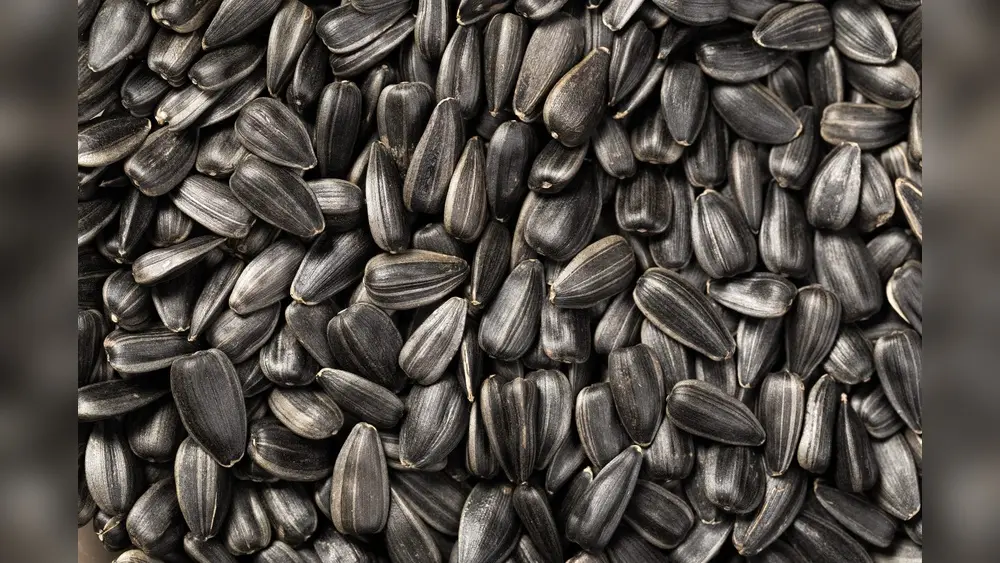
Can You Plant Black Oil Sunflower Seeds From the Bag?
Planting sunflowers is a time-honored tradition for gardeners and wildlife enthusiasts alike. With their tall stalks and iconic yellow blooms, sunflowers are both visually stunning and environmentally beneficial. But as the popularity of feeding backyard birds with black oil sunflower seeds grows, many wonder: can you plant black oil sunflower seeds from the bag you buy at the store for bird feed? The answer is more nuanced than a simple yes or no.
This question is more relevant than ever as gardeners look for affordable, sustainable ways to grow sunflowers. Birdseed bags of black oil sunflower seeds are readily available and cost-effective compared to commercial seed packets. However, the journey from birdseed bag to blooming sunflower involves critical factors like seed quality, potential contaminants, genetic purity, and even legal considerations. The decision to plant these seeds can impact not just your garden’s aesthetics, but also its health, productivity, and local ecology.
This comprehensive guide dives deep into everything you need to know about using black oil sunflower seeds from the bag for planting. We’ll explore the science, risks, benefits, and best practices, backed by research, expert opinions, and practical examples. Whether you’re an urban gardener, a homesteader, or simply curious, this article will empower you to make informed, eco-friendly decisions about growing sunflowers from store-bought seeds.
Key Takeaways
- Black oil sunflower seeds from the bag can germinate and grow, but there are important caveats regarding purity, treatment, and potential contamination.
- Seed quality, cleanliness, and origin are crucial factors influencing planting success and garden health.
- There are significant differences between birdseed sunflower seeds and commercial garden seeds, including germination rates and disease risks.
- Legal and ecological considerations may affect your ability to plant these seeds in certain locations.
- Following best practices for selection, preparation, and planting can dramatically improve your results.

Credit: www.youtube.com
Understanding Black Oil Sunflower Seeds
What Are Black Oil Sunflower Seeds?
Black oil sunflower seeds are the most common type used in birdseed mixes due to their high oil content, thin shells, and nutritional value. These seeds are smaller and have a black shell, distinguishing them from the larger, striped sunflower seeds often sold for human consumption. Black oil sunflower seeds are a preferred food source for a variety of wild birds, especially finches, cardinals, and chickadees.
How Are They Produced?
The majority of black oil sunflower seeds are grown on large-scale farms, primarily in the United States, Russia, and Argentina. The seeds destined for bird feed are typically not subjected to the same rigorous selection, cleaning, or treatment processes as those intended for human consumption or commercial agriculture. This can affect their purity, cleanliness, and viability for planting.
Typical Uses
- Bird feed: The largest market for black oil sunflower seeds.
- Oil production: Pressed for sunflower oil, a popular cooking oil.
- Wildlife food plots: Used by hunters and conservationists to attract game and pollinators.
The Science Of Germination
The ability of black oil sunflower seeds to sprout and grow into healthy plants depends on several factors:
- Seed viability: Whether the seed is alive and capable of germinating.
- Dormancy: Some seeds require specific conditions to break dormancy.
- Seed treatment: Some birdseed is heat-treated to prevent sprouting.
According to a study published by the USDA Sunflower Research Unit, black oil sunflower seeds have a typical germination rate between 60% and 80% when fresh and properly stored. However, this rate can drop significantly if seeds are old, stored improperly, or treated to prevent sprouting.
Comparing Birdseed Sunflower Seeds Vs. Commercial Seeds
Not all sunflower seeds are created equal, especially when it comes to planting. Understanding the differences between black oil sunflower seeds sold for bird feed and those intended for gardens is essential for making informed choices.
Seed Quality And Purity
- Birdseed-grade seeds are not cleaned as thoroughly as garden seeds. They may contain:
- Debris (stems, husks, dust)
- Weed seeds
- Broken or damaged kernels
- Garden seeds are subject to strict quality control, testing, and certification. They are often treated to prevent disease and ensure high germination rates.
Germination Rates
Studies and anecdotal evidence suggest that birdseed sunflower seeds often have lower and less predictable germination rates than certified garden seeds. Some birdseed is intentionally heat-treated to prevent sprouting, further lowering viability.
Genetic Uniformity
- Commercial garden seeds are selected for uniform traits: Height, bloom size, color, and disease resistance.
- Birdseed seeds are typically open-pollinated and may produce a range of plant types, some with less ornamental value.
Disease And Pest Risks
Birdseed may harbor pathogens, molds, or insects not present in treated garden seeds. Planting these seeds can introduce problems into your garden.
Cost Comparison
| Seed Type | Average Cost (per lb) | Germination Rate | Purity & Cleaning | Disease Risk |
|---|---|---|---|---|
| Birdseed Black Oil Sunflower | $1.00–$2.50 | 40–80% | Low | Higher |
| Commercial Garden Sunflower | $4.00–$12.00 | 85–98% | High | Lower |
Real-world Example: Backyard Gardener Experiment
A home gardener in Minnesota planted two rows of sunflowers: one from a bag of black oil sunflower seeds for birds, and one from certified garden seed. The birdseed row had a 50% germination rate, uneven growth, and some plants failed to flower. The garden seed row had a 95% germination rate, uniform height, and large, showy blooms. This demonstrates the trade-offs between cost and performance.
Potential Risks And Challenges
While planting black oil sunflower seeds from the bag can be rewarding, several risks and challenges must be considered.
Disease And Contamination
Birdseed is processed for animal consumption, not planting. It may contain:
- Fungal spores: Such as *Alternaria* or *Sclerotinia*, which can cause stem rot.
- Bacterial pathogens: Leading to poor seedling development or plant death.
- Weed seeds: Introducing invasive species to your garden.
According to the USDA APHIS, introducing contaminated seeds is a primary vector for new plant diseases and pests in home gardens.
Chemical Treatments
Some birdseed is treated with chemicals or heat to prevent sprouting during shipping or storage. While rare, such treatment renders the seeds nonviable. Always check the bag for phrases like “not for planting” or “treated seed”.
Genetic Uncertainty
Open-pollinated birdseed can produce plants with unpredictable characteristics:
- Variable height (from 2 to 8 feet)
- Mixed bloom sizes
- Non-uniform oil content
For ornamental gardens, this lack of uniformity may be undesirable.
Legal And Environmental Considerations
In some regions, planting non-certified seeds can violate local agricultural regulations or invasive species controls. For example, seed certification laws in the UK and parts of the US prohibit planting uncertified agricultural seeds in large quantities.
Case Study: Unintended Consequences
A community garden in Oregon planted bulk birdseed sunflower. Within two seasons, volunteer sunflowers and weeds spread aggressively, crowding out vegetables and becoming difficult to control. The initial cost savings led to higher long-term management costs.
Benefits Of Planting Black Oil Sunflower Seeds From The Bag
Despite the risks, many gardeners successfully grow sunflowers from birdseed. There are several compelling reasons to consider this method.
Cost Savings
Birdseed is significantly cheaper than garden seed packets, especially for large plantings or wildlife plots.
Supporting Wildlife
Growing sunflowers from birdseed creates a natural food source for birds, bees, and pollinators. This is particularly valuable in urban or suburban areas where natural forage is limited.
Simplicity And Accessibility
Birdseed is widely available at supermarkets and hardware stores, making it an accessible option for beginner gardeners or those on a budget.
Real-world Example: Urban Pollinator Garden
A school in Chicago used black oil sunflower birdseed to plant a pollinator strip along a fence line. Despite uneven growth, the sunflowers attracted goldfinches and bees, providing valuable habitat and educational opportunities for students.
Environmental Benefits
Sunflowers grown from birdseed can:
- Improve soil health via deep roots
- Reduce erosion
- Provide shade and windbreaks
- Support beneficial insect populations
Table: Benefits Overview
| Benefit | Description | Who Benefits |
|---|---|---|
| Low Cost | Significantly cheaper than garden seeds | Budget gardeners, community projects |
| Wildlife Support | Provides food for birds and pollinators | Birdwatchers, schools, conservationists |
| Accessibility | Widely available at retail stores | Urban and rural gardeners |
| Environmental Impact | Improves soil and supports ecosystems | All gardeners, local wildlife |
How To Plant Black Oil Sunflower Seeds From The Bag
Planting black oil sunflower seeds from a birdseed bag can be successful with the right approach. Follow these steps to maximize your chances of healthy sunflowers.
Selecting The Right Seeds
- Read the label: Avoid any bag labeled “treated,” “not for planting,” or “sterilized.”
- Check for freshness: Choose bags with recent packing dates and no signs of moisture or mold.
- Look for whole seeds: Avoid bags with excessive broken or crushed seeds.
Cleaning And Preparing Seeds
- Rinse seeds: Place seeds in a colander and rinse under running water to remove dust and debris.
- Float test: Place seeds in a bowl of water; discard any that float, as they are likely nonviable.
- Dry thoroughly: Spread rinsed seeds on a towel to dry completely before planting.
Soil Preparation
- Choose a sunny location: Sunflowers require 6–8 hours of direct sunlight daily.
- Prepare the soil: Work in compost or well-rotted manure to improve fertility and drainage.
- Test soil pH: Sunflowers prefer a pH between 6.0 and 7.5 (University of Minnesota Extension).
Planting Technique
- Plant after frost: Wait until soil temperatures reach at least 50°F (10°C).
- Depth and spacing: Plant seeds 1 inch deep and 6–12 inches apart, depending on variety.
- Water gently: Keep soil moist but not waterlogged until seedlings emerge.
Maintenance And Care
- Thin seedlings: Once plants are 6 inches tall, thin to the strongest plants at the desired spacing.
- Mulch: Apply mulch to conserve moisture and suppress weeds.
- Support tall varieties: Use stakes or plant near a fence for support.
- Monitor for pests: Watch for cutworms, aphids, and birds eating young seedlings.
Real-world Example: Step-by-step Success
A community garden in Denver planted a 20-foot row with black oil sunflower birdseed. By carefully cleaning seeds, amending the soil, and thinning seedlings, they achieved a 65% germination rate and a spectacular late-summer display. The sunflowers fed goldfinches and provided shade for lettuce crops.
Maximizing Success: Tips And Best Practices
To get the best results from black oil sunflower seeds sourced from birdseed, follow these expert tips.
Test Germination Rate
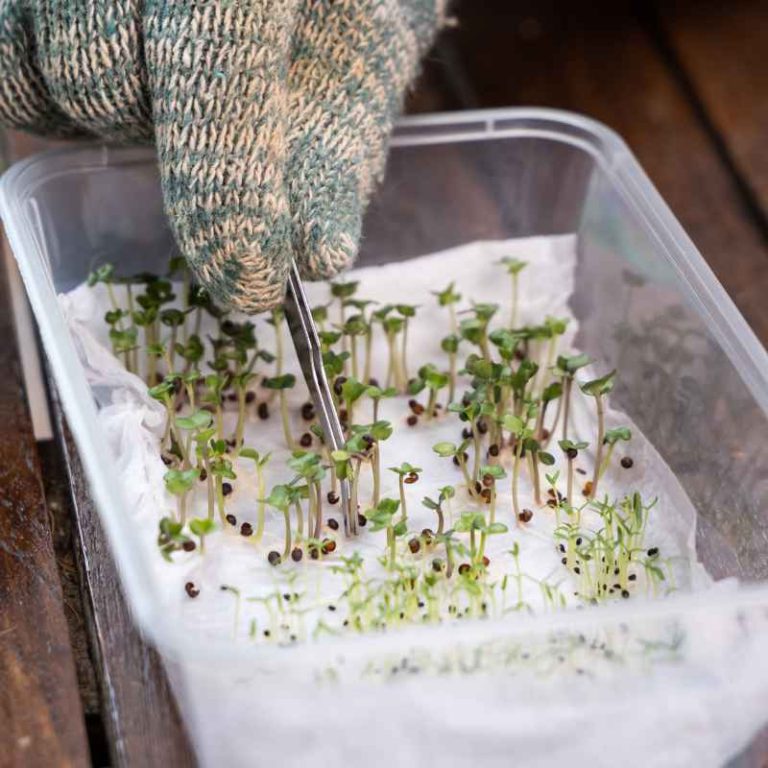
Before planting a large area, conduct a simple germination test:
- Dampen a paper towel.
- Place 10–20 seeds evenly spaced.
- Fold and place in a plastic bag in a warm spot.
- Check after 5–7 days for sprouting.
A germination rate below 50% suggests you should plant more densely or consider another source.
Plant In Bulk
Due to variable germination, plant more seeds than needed. Thin seedlings as they grow to avoid overcrowding.
Rotate Crops
Avoid planting sunflowers in the same spot year after year to reduce disease risk. Rotate with legumes or other crops to maintain soil health.
Monitor For Weeds
Birdseed can introduce weed seeds. Stay vigilant and remove weeds early to prevent competition.
Use As A Wildlife Plot
If uniformity and bloom quality are less important, plant black oil sunflower seeds in a designated wildlife plot. This attracts birds and pollinators while minimizing potential garden problems.
Table: Sunflower Growth Comparison
| Source | Average Height | Bloom Size | Days to Maturity |
|---|---|---|---|
| Birdseed Sunflower | 3–7 feet | 3–8 inches | 70–95 days |
| Commercial Garden Sunflower | 5–10 feet | 6–12 inches | 60–85 days |
Preventing Disease Spread
- Don’t plant in infected soil: If previous sunflower crops had disease, wait several years before replanting.
- Dispose of diseased plants: Do not compost infected plant material.
- Sanitize tools: Clean garden tools after use to prevent spread.
Consult Local Regulations
Check with your local extension office or agriculture department before planting non-certified seed, especially for large plots or near sensitive ecosystems (USDA Plants Database).
Common Problems And Solutions
Planting black oil sunflower seeds from the bag can present unique challenges. Here’s how to address some of the most frequent issues.
Poor Germination
- Possible causes: Old seed, heat-treated seed, planting too deep or shallow, inadequate moisture.
- Solutions: Conduct a germination test, plant at correct depth, keep soil consistently moist.
Seedling Diseases
- Symptoms: Damping off, yellowing, wilting.
- Solutions: Improve soil drainage, avoid overwatering, use clean seeds, rotate crops.
Pest Issues
- Common pests: Birds, squirrels, cutworms, aphids.
- Prevention: Use row covers for seedlings, plant extra to account for losses, attract beneficial insects for pest control.
Weed Infestation
- Origin: Birdseed contamination.
- Solutions: Regularly weed by hand, mulch heavily, inspect seeds before planting.
Irregular Growth
- Symptoms: Plants of varying heights, some failing to flower.
- Causes: Genetic variability in birdseed.
- Solutions: Thin out weak plants, plant more seeds to select for strong growers.
Real-world Example: Overcoming Setbacks
A gardener in Texas had poor sunflower emergence from birdseed due to heavy clay soil and overwatering. By amending the soil with compost, switching to raised beds, and reducing watering, germination improved to over 70% the following season.
Ecological And Ethical Considerations
Planting black oil sunflower seeds from birdseed isn’t just a gardening question—it has ecological and ethical implications.
Impact On Native Ecosystems
Introducing non-local sunflower genetics or weed seeds can disrupt native plant communities. Always consider the local ecosystem before planting large quantities.
Supporting Biodiversity
Sunflowers are excellent for supporting pollinators and birds, but planting monocultures can reduce overall biodiversity. Mix sunflowers with native wildflowers for a more balanced habitat (National Wildlife Federation).
Ethical Sourcing
Whenever possible, buy birdseed from reputable suppliers who source seeds ethically and sustainably.
Avoiding Invasive Species
Inspect birdseed for any non-sunflower seeds, as these can introduce invasive plants. If in doubt, plant only in controlled or contained areas.
Case Study: Community Rewilding Project
A rewilding project in Ohio used black oil sunflower birdseed to restore a former industrial lot. By mixing sunflowers with native grasses and wildflowers, they created a diverse, resilient pollinator habitat that improved local biodiversity.
Frequently Asked Questions
Can You Plant Any Black Oil Sunflower Seed From A Birdseed Bag?
In most cases, yes, you can plant black oil sunflower seeds from a birdseed bag if they are raw, untreated, and whole. However, check the packaging for any indications of chemical treatment or sterilization, and be aware of lower germination rates and possible contamination.
Will Sunflowers Grown From Birdseed Look The Same As Commercial Sunflower Varieties?
Not necessarily. Sunflowers grown from birdseed are typically open-pollinated and not selected for ornamental traits. Expect variation in plant height, bloom size, and color compared to commercial varieties bred for uniformity and aesthetics.
Are There Any Legal Issues With Planting Birdseed Sunflowers?
In some locations, agricultural regulations or invasive species laws may restrict planting non-certified seed, especially for large plots. Check with your local extension office or agriculture department to ensure compliance (National Plant Board).
How Can I Improve Germination Rates When Planting Birdseed Sunflowers?
- Select fresh, whole seeds.
- Rinse and clean seeds before planting.
- Conduct a germination test to gauge viability.
- Plant more densely and thin later.
- Provide optimal soil, moisture, and sunlight conditions.
What Are The Best Uses For Sunflowers Grown From Birdseed?
Sunflowers grown from birdseed are ideal for:
- Wildlife plots
- Pollinator gardens
- Educational projects
- Windbreaks and cover crops
They may be less suitable for ornamental flower beds where uniformity and showy blooms are desired.
Growing sunflowers from black oil sunflower seeds in the bag is a rewarding, budget-friendly way to support wildlife and enjoy beautiful blooms, but it does require careful selection and management. By understanding the risks and following best practices, you can transform a simple bag of birdseed into a thriving sunflower patch.
For more on sunflower cultivation and biodiversity, visit the Nature Conservancy or consult the National Gardening Association. With a thoughtful approach, your garden can flourish while supporting local ecosystems and communities.