How To Grow Marigolds From Seeds When Gardening Is Your Passion
Marigolds are easy to grow from seed. You need good soil, sunlight, and water. Start seeds indoors a few weeks before the last frost or sow directly outside after the danger of frost has passed. Plant seeds about 1/4 inch deep. Keep the soil moist. Once seedlings appear, give them plenty of light. Transplant them when they are strong enough.
For the broader gardening context, How To Grow Hyssop Plants gives readers a useful next step on the same topic.
Understanding Marigolds and Their Seeds
Marigolds are vibrant annual flowers. They are loved for their sunny colors. You can find them in shades of yellow, orange, red, and even cream.
Many varieties exist. Some are small and bushy. Others grow tall and elegant.
Their scientific name is Tagetes. They are native to the Americas. This makes them a perfect fit for American gardens.
Growing marigolds from seed is very popular. It’s cost-effective. It also gives you access to a wider variety of colors and types.
Seed packets are easy to find. You can get them at garden centers or online. Each seed holds the promise of a beautiful bloom.
It’s like a tiny miracle waiting to happen. You just need to give it the right conditions.
There are two main types of marigolds. These are French marigolds and African marigolds. French marigolds are smaller.
They grow about 6 to 12 inches tall. They bloom profusely. African marigolds are larger.
They can grow up to 3 feet tall. They have big, fluffy flower heads. Knowing the type helps you plan your garden space.
It also helps you choose the right seeds.
The seeds themselves are interesting. They are usually elongated and thin. They have a distinct shape.
It’s easy to handle them. They are not powdery like some other seeds. This makes sowing them a cleaner process.
The quality of the seed matters. Look for seeds from reputable sources. Fresh seeds have a better germination rate.
This means more of them will sprout and grow.
When you buy seeds, check the packet. It usually tells you the expected height. It also mentions the bloom time and color.
Some packets even give planting instructions. This is a good starting point. But this guide will give you more details.
It covers everything from soil preparation to caring for your young plants.

Starting Your Marigold Seed Journey
Your marigold adventure begins with the seeds. You have two main choices for starting them. You can start them indoors early.
Or you can sow them directly outside. Both methods have their pros and cons. Your choice often depends on your climate.
It also depends on how soon you want blooms.
Starting seeds indoors is a great option. It gives your plants a head start. This is especially helpful if you live in a region with a short growing season.
It allows you to have blooming marigolds earlier. You can start them about 4 to 6 weeks before the last expected frost. This gives them time to grow strong roots and get a good size.
To start seeds indoors, you need some supplies. You’ll need seed starting trays or small pots. Good quality seed starting mix is important.
It’s lighter and drains better. It helps prevent damping off. You’ll also need a warm place.
And a light source is crucial. A sunny windowsill can work. But grow lights are even better.
They provide consistent light for strong seedlings.
Fill your trays or pots with the seed starting mix. Moisten the mix thoroughly. It should feel damp, not soggy.
Plant 1-2 seeds per cell or pot. The seeds should be planted about 1/4 inch deep. Gently cover them with soil.
Then lightly water again. You can cover the tray with a plastic lid or plastic wrap. This helps keep moisture in.
It also creates a mini-greenhouse effect.
Keep the trays in a warm spot. The ideal temperature is around 70-80°F (21-27°C). Many people place them on top of a refrigerator.
Or use a heat mat designed for seedlings. Check the soil moisture daily. You want it to stay consistently moist.
Do not let it dry out. But avoid overwatering. Too much water can cause seeds to rot.
Germination usually takes 5 to 10 days. You’ll start to see tiny green sprouts. Once the sprouts appear, remove the plastic cover.
This is very important. It allows for air circulation. It also prevents the seedlings from getting too leggy.
If you are using a windowsill, rotate the pots daily. This ensures the seedlings grow straight. They won’t all lean towards the light.
If you are using grow lights, keep them about 2-3 inches above the seedlings. Set them on a timer for 14-16 hours a day. As the seedlings grow, lower the lights slightly.
But always keep them close enough for good growth. Once the seedlings have a few sets of true leaves, you can begin to harden them off. This is a vital step before transplanting them outside.
Hardening off gradually exposes the seedlings to outdoor conditions. Start by placing them in a sheltered spot outside for a few hours. Gradually increase the time they spend outdoors.
Also, increase their exposure to direct sunlight. Do this over a week to 10 days. This process prepares them for the change.
It reduces transplant shock.
The direct sowing method is simpler. It requires less equipment. You plant the seeds straight into your garden bed.
Wait until after the last frost. The soil should be warm. This is usually in late spring.
Check your local frost dates. You can find them online. Or ask experienced gardeners in your area.
Prepare your garden bed. Loosen the soil. Remove any weeds or rocks.
Mix in some compost. This adds nutrients. It improves soil drainage.
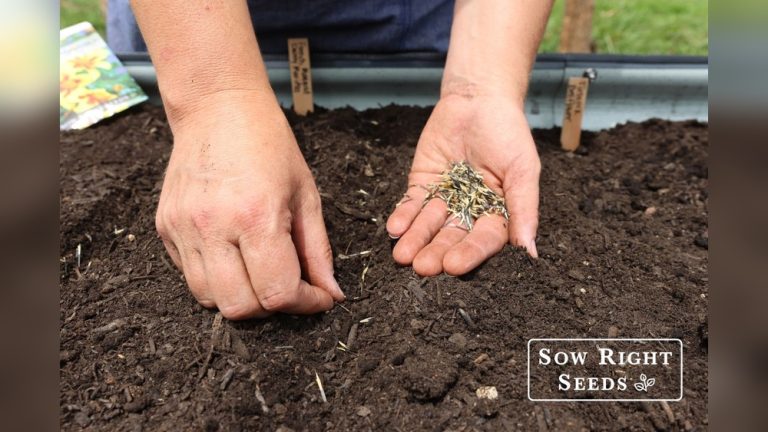
Sow the seeds about 1/4 inch deep. You can plant them in rows or scatter them. Space them according to the seed packet.
For French marigolds, this might be 6-10 inches apart. For African marigolds, give them more space, 12-18 inches.
Gently water the area after sowing. Keep the soil consistently moist. You should see sprouts within a week or two.
If you sowed them too densely, thin them out. Gently pull out extra seedlings. This gives the remaining ones enough room to grow.
Direct sowing is very satisfying. You see the plants grow right where they will bloom.
Seed Starting Quick Guide
Indoors:
- Start 4-6 weeks before last frost.
- Use seed starting mix.
- Plant seeds 1/4 inch deep.
- Keep warm (70-80°F).
- Provide ample light (grow lights best).
- Harden off before transplanting.
Direct Sow:
- After last frost, soil is warm.
- Prepare garden bed with compost.
- Plant seeds 1/4 inch deep.
- Space according to variety.
- Keep soil moist.
- Thin seedlings if needed.
Soil, Sun, and Water: The Marigold Essentials
Marigolds are not picky plants. But they do thrive with the right conditions. The three key elements are soil, sun, and water.
Getting these right will ensure healthy growth. And abundant blooms all season long.
Soil: Marigolds prefer well-draining soil. This is perhaps the most important factor. If the soil stays too wet, the roots can rot.
This is a common problem. Most garden soils are fine. But if you have heavy clay soil, amend it.
Adding compost is a great idea. It improves drainage and aeration. Sand can also help improve drainage.
You can also grow marigolds in containers. Use a good quality potting mix. Ensure the pots have drainage holes.
Marigolds are not heavy feeders. They don’t need rich, overly fertilized soil. In fact, too much nitrogen can lead to lots of leaves.
But fewer flowers. So, avoid over-fertilizing. A soil that is moderately fertile is perfect.
If you are amending your garden bed, a good layer of compost is usually enough. For containers, a standard potting mix is sufficient.
Sun: Marigolds love sunshine. They need at least 6-8 hours of direct sunlight per day. The more sun they get, the more flowers they will produce.
If they don’t get enough sun, they may become leggy. Their blooms might be sparse. A sunny spot in your garden is ideal.
They also do well in pots placed on sunny patios or balconies.
Some afternoon shade is okay, especially in very hot climates. This can prevent the flowers from scorching. But full sun is what they crave.
Consider this when choosing a location. Think about where the sun falls in your yard throughout the day. Marigolds are a great choice for sunny, open areas.
They can tolerate some heat and dry spells once established.
Water: Watering marigolds correctly is key. Like most plants, they need regular water. Especially when they are young seedlings.
Keep the soil consistently moist. But not waterlogged. Once established, they are quite drought-tolerant.
This is one of their best features. They can handle dry spells better than many other flowers.
When watering established plants, water deeply. Water at the base of the plant. Avoid wetting the foliage too much.
Wet leaves can encourage fungal diseases. Water in the morning. This allows any splashed water to dry off.
During hot, dry periods, you may need to water more often. Check the soil moisture. Stick your finger about an inch into the soil.
If it feels dry, it’s time to water.
Container-grown marigolds will dry out faster. They need more frequent watering. Especially on hot days.
Check them daily. It’s easy to overwater or underwater container plants. So, be mindful of this.
Signs of underwatering include wilting leaves. Signs of overwatering include yellowing leaves and mushy stems.
Marigold Must-Haves
Sunlight: Minimum 6-8 hours of direct sun daily.
Soil: Well-draining soil is crucial. Amend heavy soil with compost.
Watering: Keep soil moist when young. Water deeply when established. Water at the base.
Planting Your Marigolds: From Seedling to Garden Bed
So, your little marigold seedlings are ready. Or perhaps you’ve direct-sown them and they’ve sprouted. Now it’s time to get them into their final home.
Whether it’s a garden bed, a border, or a pot, proper planting is important. This ensures they get off to a strong start. It helps prevent transplant shock.
If you started seeds indoors, remember hardening off. This is vital. It prepares your tender plants for the outdoors.
Without it, they might wilt and die. Once they are hardened off, choose a sunny spot. Make sure the soil has been prepared.
Loosen it and add compost if needed. Ensure good drainage. If planting in containers, choose pots with drainage holes.
Dig holes for your seedlings. The holes should be about as deep as the root ball. And slightly wider.
Gently remove the seedling from its pot or tray. Try not to disturb the roots too much. If the roots are tightly wound (root-bound), you can gently loosen the bottom ones.
This encourages them to spread out into the new soil.
Place the seedling in the hole. The top of the root ball should be level with the soil surface. Or slightly below.
Fill the hole with soil. Gently firm the soil around the base of the plant. This removes air pockets.
Water the newly planted seedling thoroughly. This helps settle the soil. And reduces stress on the plant.
Spacing is important. For French marigolds, plant them about 6 to 10 inches apart. For larger African varieties, give them 12 to 18 inches.
Proper spacing allows for good air circulation. This helps prevent diseases. It also gives plants room to grow to their full size.
If you are planting in containers, the process is similar. Use a good potting mix. Plant one or two seedlings per pot.
Depending on the size of the pot. Ensure the pot has drainage holes. Water them well after planting.
Place them in a spot that gets plenty of sun.
If you are direct sowing, you’ve already done this. But if you need to thin your seedlings, do it now. Wait until they are a few inches tall.
Gently pull out weaker seedlings. Or snip them at the soil line with scissors. Leave the strongest ones.
The spacing should match the recommendations for your variety. This ensures healthy, robust plants.
After planting, keep an eye on your new marigolds. They might look a little stressed for a day or two. This is normal.
But with good care, they will soon perk up. And begin to grow vigorously. Mulching around the base of the plants can help.
It conserves moisture. It also suppresses weeds. Use a light layer of mulch.
Transplanting Tips
Hole Size: Dig a hole as deep as the root ball and slightly wider.
Root Handling: Gently loosen root-bound plants.
Planting Depth: Keep the top of the root ball level with the soil.
Spacing: 6-10 inches for French, 12-18 inches for African.
Watering: Water thoroughly after planting.
Mulching: Helps retain moisture and control weeds.
Caring for Your Marigolds: Feeding, Pruning, and Pest Control
Once your marigolds are planted, they are relatively easy to care for. They are known for being low maintenance. But a little attention goes a long way.
Especially when it comes to deadheading and keeping an eye out for pests.
Feeding: As mentioned, marigolds don’t need a lot of fertilizer. If you planted them in good soil with compost, they might not need any extra food. If your soil is poor, you can apply a balanced liquid fertilizer.
Use it at half strength. Do this once or twice during the growing season. Avoid fertilizers high in nitrogen.
This can reduce flowering.
Over-fertilizing can actually be detrimental. It can make the plants weak. It can attract pests.
So, err on the side of caution. It’s better to under-feed marigolds than over-feed them. They are tough plants.
They can find nutrients in most garden soils. And their natural beauty shines without excessive boosting.
Deadheading: This is one of the most important care tasks. Deadheading means removing spent flowers. As flowers fade, they go to seed.
This signals the plant to stop producing new blooms. By removing the old flowers, you encourage the plant to keep blooming. It’s like giving it a little nudge to stay productive.
Simply pinch or snip off the faded flower. Cut it back to a leaf or a side shoot. You can do this regularly.
It makes your plants look tidier too. It also prevents them from putting energy into seed production. This energy then goes into making more flowers.
For prolific bloomers like marigolds, this is a game-changer. You’ll have blooms right up until the first frost.
Pinching Back: For bushy varieties, especially French marigolds, pinching can be beneficial. When the seedlings are about 6-8 inches tall, pinch off the central stem. Use your fingers or small scissors.
This encourages the plant to branch out. It leads to a fuller, bushier plant. This means more flowers overall.
It prevents them from becoming leggy and lanky.
This is an optional step. But it really improves the shape of the plant. And the quantity of blooms.
If you have taller African marigolds, you might not need to pinch them. They tend to branch naturally. Or their structure is meant to be more upright.
Pest Control: Marigolds are actually known for deterring some garden pests. Their roots can repel nematodes. Their strong scent can confuse or repel other insects.
However, they are not entirely immune. Sometimes, they can be bothered by common garden pests.
Spider mites can be an issue. Especially in dry, hot weather. You might see fine webbing.
And tiny yellow stippling on the leaves. Slugs and snails can sometimes nibble on young seedlings. Aphids can also appear.
They are small, pear-shaped insects. They cluster on new growth.
If you spot pests, act quickly. For aphids, a strong blast of water from the hose can work. You can also use insecticidal soap.
Make sure to spray in the evening or on a cloudy day. For spider mites, increase humidity. Wash the plants with water.
If the infestation is severe, use a miticide.
The best defense is a healthy plant. Healthy plants are less susceptible to pests. Ensure good air circulation.
Water correctly. And avoid over-fertilizing. Marigolds are generally quite resilient.
Most of the time, they will fend off pests on their own.
Marigold Maintenance Checklist
Fertilizing: Apply balanced fertilizer sparingly if needed (low nitrogen).
Deadheading: Remove spent blooms regularly to encourage more flowers.
Pinching: Pinch young plants (6-8 inches) for bushier growth (French types).
Pest Watch: Look for spider mites, aphids, slugs. Act early with water or insecticidal soap.
Common Marigold Varieties and Their Traits
The world of marigolds is diverse. There are many different types. They come in various sizes and colors.
Knowing a few popular varieties can help you choose. And plan your garden better. Let’s look at some common ones.
French Marigolds: These are perhaps the most common. They are compact. They grow about 6 to 12 inches tall.
They are fantastic for edging beds. Or for planting in borders. They also do very well in containers.
French marigolds bloom prolifically. They produce single or double flowers. Colors range from yellow and orange to red and mahogany.
Some have bi-colored petals. Varieties like ‘Bonanza’, ‘Disco’, and ‘Janie’ are popular French types.
They are great for interplanting with vegetables. This is because they repel pests. Their smaller size makes them versatile.
They fit into almost any garden space. If you want continuous color, French marigolds are a solid choice. They start blooming early and keep going.
Pinching them back can make them even bushier.
African Marigolds: These are the larger marigolds. They can grow from 1.5 to 3 feet tall. They have big, dramatic flower heads.
Often described as pom-pom like. They are great for the back of borders. Or as specimen plants.
They provide a bold splash of color.
African marigold flowers are typically double. Colors are usually shades of yellow, gold, and orange. Some varieties can be very large, up to 4-5 inches across.
Popular African varieties include ‘Crackerjack’, ‘Jubilee’, and ‘Marvel’. They have a longer bloom time than some other types. They are robust and stand up well to conditions.
Signet Marigolds: These are a bit different. They are often smaller than French marigolds. But they have a more delicate, airy appearance.
Their flowers are usually single. And they have finely divided foliage. This foliage is sometimes fragrant.
Varieties like ‘Lemon Drop’ and ‘Golden Gate’ are examples. They are great for rock gardens. Or for planting in drifts.
Their bloom is continuous. They are excellent for mass planting. They create a carpet of color.
They are also quite hardy and disease-resistant. Their growth habit is more sprawling and low-growing. They are beautiful in their own right.
Triploid Marigolds: These are a special group. They are hybrids. They often produce sterile seeds.
This means they keep blooming all season long. They don’t put energy into making seeds. They just keep producing flowers.
They are often very vigorous. And disease-resistant. Varieties like ‘Inca’ and ‘Titan’ are examples.
They are known for their large, uniform flowers.
These are excellent for bedding plants. They provide consistent color. And they require little deadheading.
Because they don’t produce viable seeds. They are a low-maintenance marvel. Their growth habit can vary.
Some are more compact. Others are larger.
Marigold Variety Snapshot
French Marigolds: Compact (6-12 inches), bushy, prolific blooms, good for edges and containers.
African Marigolds: Tall (1.5-3 feet), large pom-pom flowers, bold display, good for borders.
Signet Marigolds: Delicate, airy, single flowers, finely divided foliage, good for rock gardens.
Triploid Marigolds: Vigorous, sterile seeds, continuous bloom, low maintenance, excellent for beds.
The Best Time to Plant Marigold Seeds
Timing is key in gardening. For marigolds, the best time to plant seeds depends on where you live. And whether you are starting indoors or sowing directly outside.
Starting Indoors: If you plan to start your marigold seeds indoors, aim for 4 to 6 weeks before your area’s average last frost date. This gives the seedlings enough time to grow. They will become strong enough to transplant.
Transplanting should happen after all danger of frost has passed. And the soil has started to warm up.
For example, if your last frost is around May 15th, you would start your seeds indoors around April 1st. This allows for a good buffer. And ensures your plants are ready when the weather is right.
Starting too early indoors can result in leggy, weak plants. Starting too late means fewer blooms early in the season.
Direct Sowing: If you are sowing marigold seeds directly into the garden, you need to wait. Wait until all danger of frost has passed. And the soil has warmed up.
Marigold seeds need warm soil to germinate. Cold, damp soil can cause them to rot. Aim for soil temperatures of at least 60°F (15°C).
In many parts of the U.S., this means planting in late spring. For example, in colder climates, this might be late May or early June. In warmer climates, you might be able to sow them earlier, perhaps in April.
Always check your local last frost date. This is the best guide. It ensures you don’t plant too soon.
Once planted, germination takes about 5 to 10 days. The plants will then grow. And start flowering within 6 to 8 weeks of sowing.
This means if you plant in late May, you can expect blooms by mid-July.
Successive Planting: For a continuous supply of blooms, consider successive planting. Sow a batch of seeds every few weeks. You can do this from the time your last frost date has passed.
Until about 8 weeks before your first expected fall frost. This way, you always have young plants coming into bloom. Replacing older ones.
This method is especially effective with French marigolds. They bloom so readily. And they fill in spaces beautifully.
It ensures your garden stays vibrant. From early summer right through to the fall. Marigolds are quite resilient.
They can handle light frosts. But a hard freeze will kill them. So, planting before the final frost is important.
Planting Timeline Key Points
Indoor Starting: 4-6 weeks before last frost.
Direct Sowing: After last frost, when soil is warm (60°F+).
Bloom Time: 6-8 weeks after sowing.
Successive Planting: Sow every few weeks for continuous blooms.
Marigolds as Companion Plants
Marigolds are more than just pretty flowers. They are valuable companion plants in the vegetable garden. Their ability to deter pests is well-known.
This makes them a gardener’s best friend. Interplanting them can lead to healthier crops. And fewer problems with insects.
Pest Deterrence: The strong scent of marigolds is a key factor. It confuses many harmful insects. It makes it harder for them to find their target plants.
French marigolds are particularly good at this. They are often planted near tomatoes, beans, and peppers.
One of the most celebrated benefits is their ability to repel nematodes. These microscopic roundworms live in the soil. They can damage the roots of many vegetables.
Marigold roots release a substance that is toxic to nematodes. Planting marigolds around susceptible crops can significantly reduce nematode populations.
Other pests that marigolds can help deter include:
- Aphids
- Whiteflies
- Some types of beetles
- Squash bugs
The presence of marigolds can lead to less damage on your vegetables. This means healthier plants. And potentially higher yields.
Attracting Beneficial Insects: While they deter some pests, marigolds can also attract beneficial insects. Ladybugs and lacewings are natural predators of aphids. These helpful insects are sometimes drawn to the nectar or pollen of marigold flowers.
This creates a more balanced garden ecosystem.
A balanced garden is a healthy garden. It relies on a mix of plants and creatures. Marigolds play a role in this balance.
They contribute to a more natural pest control system. This is a core principle of organic gardening.
Soil Improvement: As mentioned, marigold roots help combat nematodes. This is a form of soil improvement. By reducing harmful soil organisms, they make the soil healthier for other plants.
This is especially beneficial in areas where nematodes are a persistent problem.
When marigolds are tilled back into the soil at the end of the season, they add organic matter. This further enriches the soil. This practice is called green manuring.
It’s a sustainable way to improve soil health.
Examples of Companion Planting:
- Tomatoes: Plant marigolds around tomato plants. They help deter tomato hornworms and nematodes.
- Beans: Marigolds can help keep bean beetles away.
- Cucurbits (Squash, Melons): They can deter squash bugs and cucumber beetles.
- Corn: Can help deter corn rootworms.
- Potatoes: Can help repel potato beetles and nematodes.
It’s important to note that marigolds are not a magic bullet. They won’t eliminate all pests. But they are a valuable tool.
They contribute to a more resilient and productive garden. When you consider companion planting, you are working with nature. You are creating a system that supports itself.
Marigolds as Garden Allies
Pest Repellent: Deter nematodes, aphids, whiteflies, beetles, squash bugs.
Beneficial Attraction: Attract ladybugs and lacewings.
Soil Health: Roots combat nematodes; tilled plants add organic matter.
Best Companions: Tomatoes, beans, peppers, corn, squash, potatoes.

Troubleshooting Common Marigold Problems
While marigolds are generally robust, sometimes things don’t go perfectly. Here are some common issues you might encounter. And how to address them.
Yellow Leaves: This can happen for several reasons. Overwatering is a common cause. Check your soil moisture.
Ensure it’s not waterlogged. Poor drainage can also lead to yellow leaves. If your soil is heavy clay, amend it with compost.
Underwatering can also cause yellowing, though the leaves might also look wilted. Ensure consistent moisture. Nutrient deficiency is another possibility.
If you haven’t fertilized and your soil is poor, a balanced liquid fertilizer might help. Too much fertilizer can also cause yellowing. Especially if it’s high in nitrogen.
Leggy Seedlings: If your seedlings are tall and thin with long gaps between leaves, they are leggy. This usually happens when seedlings don’t get enough light. Or if they are growing in too warm a temperature without adequate light.
If you are starting seeds indoors, ensure they have plenty of light. Grow lights are best. If using a windowsill, rotate the pots.
And keep the lights as close as possible without touching.
Lack of Blooms: This is frustrating! The most common reasons for few blooms are insufficient sunlight. Marigolds need at least 6 hours of sun.
If they are in shade, they won’t flower well. Over-fertilizing, especially with nitrogen, can also lead to lush foliage but few flowers. Another cause is not deadheading.
Old flowers signal the plant to stop blooming. Regularly remove spent blooms. Ensure good air circulation.
And proper watering.
Fungal Diseases (e.g., Powdery Mildew): You might see white, powdery patches on the leaves. This is powdery mildew. It often occurs in humid conditions.
Or when there’s poor air circulation. Or if the foliage stays wet for too long. Water at the base of the plant.
Avoid overhead watering. Ensure plants are spaced properly. Remove affected leaves.
In severe cases, a fungicide may be needed.
Damping Off: This is a serious problem for seedlings. It’s caused by soil-borne fungi. Seedlings suddenly wilt and die at the soil line.
It often looks like they’ve been pinched off. This usually happens with overly wet soil. And poor air circulation.
Use sterile seed starting mix. Don’t overwater. Ensure good airflow.
Remove affected seedlings immediately to prevent spread.
Pest Infestations: As discussed, aphids and spider mites can be an issue. Check your plants regularly. Especially the undersides of leaves.
Early detection is key. A strong spray of water can dislodge many pests. Insecticidal soap is effective for aphids.
For spider mites, increasing humidity and washing plants can help. Always follow product instructions carefully.
The key to troubleshooting is observation. Regularly check your plants. Look for any changes.
And address issues early. Most problems are manageable with simple adjustments.
Marigold Problem Solver
Yellow Leaves: Check watering, drainage, fertilization, and light.
Leggy Seedlings: Increase light intensity and duration.
No Blooms: Ensure enough sun, deadhead regularly, avoid high nitrogen fertilizer.
Fungal Diseases: Improve air circulation, water at base, avoid wet foliage.
Damping Off: Use sterile mix, avoid overwatering, ensure airflow.
Pests: Inspect regularly, use water spray or insecticidal soap as needed.
Frequently Asked Questions About Growing Marigolds
Are marigolds poisonous to pets?
Marigolds are generally considered non-toxic to dogs and cats. However, some pets might experience mild stomach upset if they ingest large quantities. It’s always a good idea to supervise pets in the garden.
If you notice any unusual symptoms, contact your veterinarian.
How long do marigolds bloom?
Marigolds are known for their long blooming season. They typically start flowering in early summer and continue until the first frost of fall. With regular deadheading, you can encourage continuous blooms throughout the season.
Can I grow marigolds in shade?
Marigolds thrive in full sun. They need at least 6-8 hours of direct sunlight daily to produce abundant blooms. While they might survive in partial shade, they will likely produce fewer flowers and may become leggy.
For the best results, plant them in a sunny location.
When should I transplant marigold seedlings outside?
You should transplant marigold seedlings outside after all danger of frost has passed in your area. The soil should also be warm. This is typically in late spring.
Ensure the seedlings have been hardened off for about a week before transplanting.
Do marigolds need to be deadheaded?
Yes, deadheading is highly recommended for marigolds. Removing spent or faded flowers encourages the plant to produce more blooms. It also keeps the plant looking tidy.
If you don’t deadhead, the plant will put energy into seed production and may bloom less.
Why are my marigold leaves turning yellow?
Yellow leaves on marigolds can be caused by several factors, including overwatering, poor drainage, underwatering, nutrient deficiency, or excessive fertilization. Check your watering habits and soil conditions. If the soil is consistently wet, reduce watering.
If the soil is poor, consider a light feeding.
What is the difference between French and African marigolds?
French marigolds are smaller, more compact plants (6-12 inches tall) with profuse blooms, ideal for borders and containers. African marigolds are much taller (1.5-3 feet) and produce large, showy flower heads, making them great for the back of borders. Both are great for seed starting.
Bringing it All Together: Your Marigold Garden Success
Growing marigolds from seeds is a truly rewarding experience for any gardener. From the thrill of seeing tiny sprouts emerge to the vibrant display of color they bring to your landscape, marigolds offer so much joy. They are forgiving, resilient, and incredibly beautiful.
Remember the key steps: choose good seeds, provide well-draining soil and plenty of sun, and water them correctly. Whether you start them indoors for an early start or sow them directly into the warm spring soil, marigolds are up for the task. Their ability to deter pests and attract beneficial insects makes them stars in the vegetable garden too.
Embrace the process. Enjoy the journey. And soon your garden will be filled with the cheerful, sunny faces of marigolds.
Happy gardening!