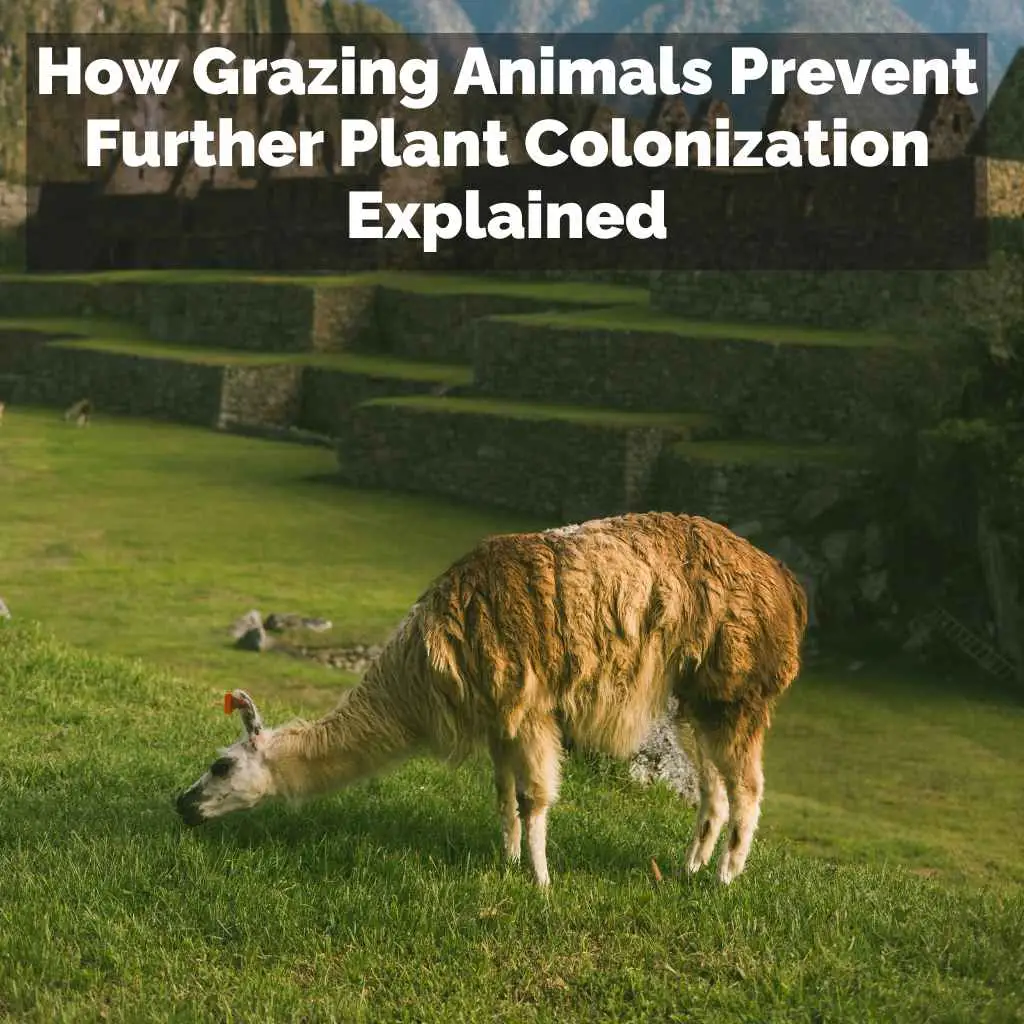
How Grazing Animals Prevent Further Plant Colonization Explained
It’s a common sight: a vast field dotted with cows, sheep, or even wild horses. They munch away, seemingly just eating. But what they’re doing is so much more.
Grazing animals are like nature’s own gardeners. They keep certain plants from taking over everything. This helps other plants grow.
It keeps the whole landscape healthy. Understanding this process is key to managing lands. It’s important for farmers and nature lovers alike.
Grazing animals help stop new plants from spreading too much. They keep plant life diverse by eating certain plants. This makes ecosystems healthier.
The Power of the Grazer: How Animals Shape Plant Life
Think about a wild meadow. It’s not just one type of flower. You see many colors and kinds of plants.
This rich mix doesn’t happen by accident. Animals that eat plants, called grazers, are a big reason why. They are always moving.
They eat the plants that try to grow too big or too fast. This stops one kind of plant from winning. It makes space for others to sprout.
This eating action is called grazing. It’s a natural force. It shapes where plants can grow.
It also affects how many different plants can live in one spot. When we talk about preventing further plant colonization, we mean stopping new plants from spreading everywhere. Grazers do this by eating young plants and seeds.
They also eat the parts of older plants that make them spread more.
Scientists call this a natural disturbance. Disturbance can sound bad. But in nature, it’s often good.
It keeps things fresh. It prevents a single species from dominating. This is super important for biodiversity.
Biodiversity means having many different kinds of life. A diverse place is a strong place. It can handle changes better.
Grazing animals are not just eating grass. They are shaping the future of the plants around them. They decide which seeds get a chance to grow.
They decide which plants get too big. They are active participants in the ecosystem. They don’t just live there; they help build it.

My Own “Aha!” Moment with Grazing Animals
I remember visiting a large ranch in Montana years ago. I was helping a friend who was learning about sustainable farming. We were walking through a pasture.
My friend pointed out how different the grass looked in one area compared to another. One side was just a sea of one type of tall grass. It looked a bit dull.
The other side had shorter grasses. But it also had small wildflowers peeking through.
I asked him why. He explained that the ranch had recently moved their cattle. They had moved them from the tall grass area to the wildflower area.
The cattle had been in the wildflower area for a few weeks. They ate down the taller grasses. They also nibbled on the young shoots of some plants that were trying to spread too much.
It was amazing to see. The cattle weren’t just eating. They were actively managing the plant growth.
They were creating a more varied environment. I could almost feel the land breathing a sigh of relief. It was a powerful lesson.
It showed me that animals are not just consumers. They are engineers of their world. That day, the idea of “preventing further plant colonization” clicked for me.
It wasn’t just a scientific term. It was a visible, tangible process happening right before my eyes.
Grazing’s Impact: A Quick Look
What animals do:
- Eat young plants and seeds.
- Trim down fast-growing grasses.
- Prevent one plant type from taking over.
- Help diverse plant life thrive.
The Science Behind the Munching
So, how do grazers actually stop plants from colonizing? It’s a few clever tricks. First, they eat the plants.
This directly removes them. If an animal eats a plant before it makes seeds, that plant can’t reproduce. This is a direct way to stop plant reproduction.
Some plants spread through roots or runners. Think of mint or dandelions. If a grazer eats the leaves, the plant still has its roots.
But if the grazers are managed well, they can actually wear down these spreading plants. Constant nibbling weakens them. It stops them from sending out new shoots.
Another big thing is how they handle seeds. Animals eat many things. Seeds are often part of their diet.
Some seeds pass right through the animal. They come out in their droppings. This can spread seeds to new places.
But many seeds are chewed up or destroyed in the gut. They never get a chance to grow.
Grazers also change the soil. When they walk around, their hooves can break up hard ground. This helps water get in.
It can also make it easier for new seeds to sprout. Their droppings add nutrients to the soil. This is like giving new plants fertilizer.
So, while they eat some plants, they also help new ones get started.
The key is balance. Too many animals can eat everything. This is bad.
Not enough animals means some plants grow too much. This is also bad. The goal is to have just the right amount of grazing.
This keeps the plant community varied. It stops any single plant from becoming a problem.
When Nature Loses Its Grazers
What happens when there aren’t enough grazing animals? This is a big question for land managers. Without grazers, the plants that grow fastest or get tallest start to take over.
These are often grasses or certain bushes. They form a thick carpet. They shade out smaller plants.
These smaller plants can’t get enough sun. They start to disappear.
This leads to a loss of biodiversity. The landscape becomes less interesting. It has fewer types of plants.
This also affects the animals that depend on those plants. Insects, birds, and other creatures need a variety of plants for food and shelter. If the plants disappear, so do the animals.
Think about forests. Many forests have a floor with many different plants. But if you have an area where deer are too numerous, they eat all the young trees and small plants.
The forest floor can become bare. It’s hard for new trees to grow. This changes the whole forest structure.
It makes it less healthy.
In prairies, without grazing, thick grasses can take over. They can push out the colorful wildflowers. This is bad for pollinators like bees and butterflies.
They need nectar from many types of flowers. A field of only one type of grass doesn’t help them much.
This problem is called overgrowth or monoculture. It happens when one species becomes too dominant. It’s like having only one friend.
You miss out on all the other amazing people you could know. Nature thrives on variety. Grazers are one of the main ways nature keeps that variety alive.
Myth vs. Reality: Grazing
Myth: Grazing animals only eat grass and damage the land.
Reality: Well-managed grazing prevents overgrowth, boosts plant diversity, and supports healthy ecosystems.
Myth: All plants are bad if they spread too much.
Reality: Many plants play important roles. Grazing helps balance their growth so no single plant dominates.
How Different Animals Graze
Not all grazing animals are the same. They eat different things. They graze in different ways.
This means they have different effects on the plants. Understanding these differences helps us manage land better.
Cattle are often called “bulk grazers.” They tend to eat grasses. They can eat larger amounts of food. They tend to pull up plants by the roots more than sheep do.
This can be good for controlling deep-rooted weeds. But too much cattle grazing can harm delicate grasses.
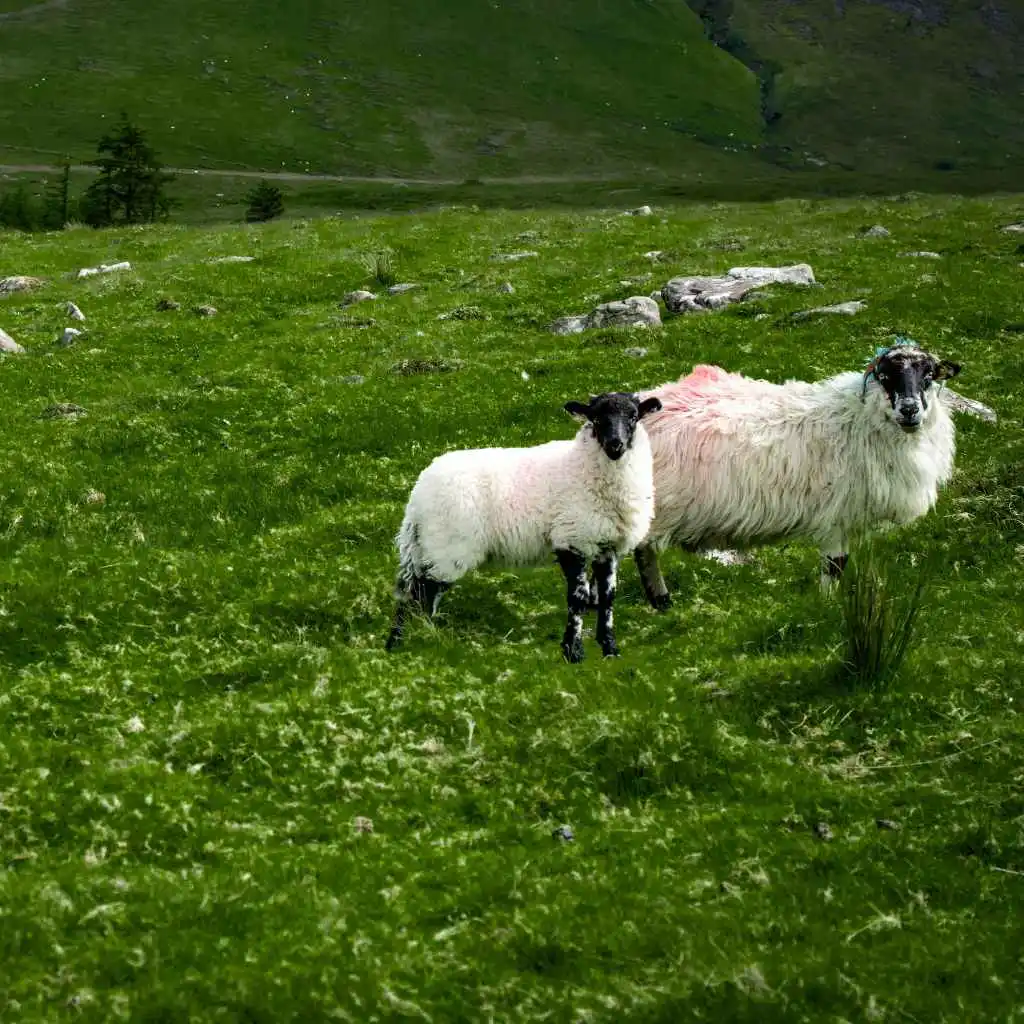
Sheep are more selective. They like to eat broadleaf plants and forbs. These are plants that are not grasses.
They are also good at eating young bushes. Sheep tend to have a closer bite than cattle. This means they can keep plants shorter.
They are good for managing woody plants.
Horses are also selective. They often prefer grasses. They tend to eat more of the plant than cattle.
This can leave less food for other animals. Horses can also overgraze certain areas if not moved.
Goats are browsers more than grazers. They like to eat leaves, twigs, and bushes. They are very good at clearing out brush.
This can be useful for preventing forests from encroaching on grasslands. Or for controlling invasive woody plants. They can eat plants that other animals won’t touch.
Wild animals like bison or deer have their own grazing habits. Bison are bulk grazers like cattle. They can be very important for maintaining grasslands.
Deer are more selective. They can eat many different plants. When their populations get too high, they can have a big impact on plant life.
Each animal has a unique role. By using different types of animals, or rotating them, we can manage the land in many ways. We can prevent certain plants from colonizing too much.
We can encourage a wider variety of plants to grow. It’s like having a team of specialized gardeners.
The Role of Rest: Letting Plants Recover
Grazing is only half the story. The other half is letting the land rest. When animals graze an area, they eat the plants.
The plants need time to grow back. They need time to make seeds. They need time to store energy in their roots.
This resting period is super important. It’s called rotational grazing or managed grazing. Instead of letting animals stay in one field all the time, we move them around.
They graze one pasture for a short time. Then they move to another. The first pasture then gets to rest.
It can recover.
During the rest period, plants can regrow. They can become stronger. Their root systems can grow deeper.
This makes them more resilient. It helps them survive future grazing. It also helps them withstand drought or other stresses.
A rested pasture will have more plant growth. It will have a wider variety of plants. The soil will improve.
This leads to a healthier ecosystem overall. It helps prevent overgrazing. It ensures that the land can support grazers for a long time.
Think of it like sleeping. You can’t work all the time. You need rest to be productive.
Plants are similar. They need time to “rest” and recover after being grazed. Without this rest, they become weak.
They can’t grow back well. Then, the plants that can survive on less might take over. This reduces diversity.
Managed grazing systems often use electric fences to create smaller paddocks. Animals are moved frequently. This ensures that plants get enough rest.
It also distributes their droppings more evenly. This whole system helps animals prevent unwanted plant colonization. It also builds soil health.
Quick Scan: Grazing Benefits
| Benefit | How it Works |
|---|---|
| Plant Diversity | Prevents one plant type from dominating by eating it. |
| Soil Health | Nutrients from droppings, improved soil structure from hooves. |
| Reduced Fire Risk | Keeps dead plant material low. |
| Habitat for Wildlife | Creates varied plant structures for different animals. |
Real-World Scenarios: Where This Matters Most
This concept of preventing plant colonization through grazing is important in many places. It’s not just about farms. It’s about managing wild lands too.
Rangelands and Pastures: This is the most obvious place. Farmers use grazing animals to keep pastures healthy. They want a mix of grasses and legumes.
This provides good food for their livestock. Without grazing, certain grasses can become too dominant. This reduces the quality of the pasture.
National Parks and Wilderness Areas: In places like Yellowstone National Park, wild grazers like bison and elk play a huge role. They keep certain plants in check. This helps maintain the habitat for many other species.
For example, managing elk populations can allow young trees to grow. This is important for forest health.
Conservation Efforts: Sometimes, conservation groups deliberately introduce or manage grazing animals. This is done to restore a specific habitat. For instance, in some areas, rare wildflowers are being lost because fast-growing grasses are taking over.
Bringing in sheep or other grazers can help clear out the dominant grasses. This gives the wildflowers a chance to grow back.
Controlling Invasive Species: Certain plants are not native to an area. They are called invasive species. They can spread very quickly and push out native plants.
Sometimes, grazing animals can be used to control these invasive plants. For example, goats are often used to eat invasive bushes and vines. This helps native plants return.
Fire Prevention: Areas with lots of dry grass can be a fire hazard. Grazing animals eat this dry grass. They reduce the amount of fuel available for fires.
This can make areas safer. It helps prevent large wildfires. This is especially important in dry climates.
In all these cases, grazing acts as a natural tool. It helps maintain balance. It keeps the ecosystem diverse.
It prevents any one plant from taking over. It’s a living, breathing system at work.
What This Means for You: Recognizing Healthy Landscapes
So, what should you look for? How can you tell if grazing is helping an area? You can start by observing the plant life.
Look for Variety: A healthy grazed area will have many different types of plants. You’ll see different colors of flowers. You’ll see grasses of different heights.
You might see some small bushes or other woody plants too. If an area is all one type of grass, it might be lacking good grazing or rest.
Observe Animal Signs: If you see livestock or wild animals in an area, look at how they are interacting with the plants. Are they spread out? Or are they all clustered in one spot?
Are they eating selectively, or just chomping down everything?
Soil Health: Healthy grazed land often has good soil. You might see earthworms. The soil might be darker and more crumbly.
This is a sign that the ecosystem is functioning well. It shows that animal droppings are adding nutrients.
When to Be Concerned: You should be concerned if an area looks overgrazed. This means animals have eaten too much. There won’t be much plant growth left.
The soil might be bare and dusty. This can lead to erosion. It means the land is not recovering.
Also, if you see very few types of plants, that’s a sign of imbalance.
The Goal is Balance: The key takeaway is that grazing is not just about eating. It’s about managing the landscape. It’s about creating and maintaining a healthy, diverse environment.
When done right, grazing animals are essential partners in this process. They prevent the land from being taken over by just a few tough plants.
Simple Checks and Tips for Land Health
If you manage land or are just curious about nature, here are a few things to keep in mind:
- Observe Plant Growth: Pay attention to which plants are growing the most. Are they native or invasive? Are they crowding out other plants?
- Consider Grazing Rotation: If you have livestock, don’t let them stay in one spot too long. Move them often. Give the land a chance to recover.
- Watch for Overgrazing: If plants are constantly eaten down to the dirt, it’s a sign of too much grazing.
- Embrace Diversity: A mix of plants is usually a sign of a healthy system.
- Learn About Local Wildlife: Understand what wild animals live in your area and what they eat. Their grazing habits are part of the natural balance.
It’s a continuous learning process. Nature is always changing. By understanding how grazing works, we can help nature stay healthy and vibrant.
Frequently Asked Questions About Grazing and Plant Life
What is the main benefit of grazing animals for plant life?
The main benefit is that grazing animals prevent a single type of plant from growing too much or spreading everywhere. This helps keep many different kinds of plants alive, which is good for the whole environment.
Can grazing animals actually help new plants grow?
Yes, they can. When animals eat plants, their droppings add nutrients to the soil. This acts like fertilizer.
Also, their hooves can break up hard ground. This makes it easier for new seeds to sprout and grow.
What happens if there are too many grazing animals?
If there are too many animals, they can eat all the plants. This is called overgrazing. It can damage the land, leave the soil bare, and lead to erosion.
It also means fewer plants will grow back.
How do different animals graze differently?
Cattle tend to eat grasses. Sheep prefer leafy plants. Goats eat bushes and twigs.
Horses also like grasses. Each animal has a unique diet and eating style, which affects the plants in different ways.
What is rotational grazing?
Rotational grazing is a method where animals are moved from one field or “paddock” to another. This gives the grazed plants time to rest and grow back strong before the animals return.
Can grazing help with controlling invasive plants?
Yes, in many cases. Certain grazing animals, like goats, are very good at eating invasive bushes and weeds. This can help native plants that were being crowded out to make a comeback.
Why is plant diversity important for an ecosystem?
Plant diversity is important because different animals and insects rely on different types of plants for food and shelter. A variety of plants makes an ecosystem stronger and more able to handle changes like drought or disease.
Putting It All Together: The Grazing Balance
It’s clear that grazing animals are far more than just creatures eating grass. They are active managers of the plant world. Their constant foraging prevents any single plant species from dominating.
This keeps landscapes diverse and healthy.
This balance is delicate. Too much or too little grazing can cause problems. But when managed thoughtfully, it supports life.
It creates vibrant ecosystems. It’s a natural process we can learn from and help protect.