Why Are Seeds An Evolutionary Advantage For Seed Plants?
Ever looked at a tiny seed and wondered about its incredible power? It seems so small, so fragile. Yet, this little thing holds the secret to life for so many plants.
It’s not just about making more plants. Seeds are a true game-changer in nature. They helped plants survive tough times and spread everywhere.
Seeds are a significant evolutionary advantage for seed plants because they offer protection for the embryo, a food source for initial growth, and a means of dispersal, all contributing to increased survival and wider colonization of new habitats. This innovation was a major step in plant evolution.
Seeds: Nature’s Tiny Survival Kits
So, what exactly makes a seed so special? Think of it like a super-protected, self-contained package. Inside, there’s a baby plant, waiting to grow.
But it’s not just the baby plant. There’s also food packed alongside it. And all of this is wrapped up in a tough coat.
Before seeds, plants had to rely on spores or just the naked embryo. Spores are tiny and easily damaged. They often need very specific conditions to even start growing.
It’s a bit like sending a baby out into the world with just a thin blanket. Seeds changed all of that.
This seed design allowed plants to move into drier places. It let them live through cold winters. It helped them reach new lands.
It’s a huge reason why we see so many different kinds of plants today. Their ancestors were the ones who cracked the seed code.
The Journey to the Seed
To really get why seeds are amazing, it helps to know what came before. Early plants, like ferns and mosses, reproduced using spores. These spores are single cells.
They are very light and float on the wind. Many spores are made. But only a few find the right spot to grow.
These ancient plants also needed water for their reproduction. A male part had to swim to meet a female part. This limited where they could grow.
They had to be near lakes, streams, or damp areas. It was a big step for them to move onto land, but water was still a must-have for making new plants.
Then came the gymnosperms, like pine trees. They were the first to develop seeds. But their seeds were often “naked.” This means they weren’t covered by a fruit.
They grew on the surface of scales or leaves. Think of a pine cone. The seeds are right there.
These naked seeds were a huge step. They had the embryo and food. They had a protective coat.
This meant they didn’t need water to swim. They could survive much drier conditions. They could also wait longer to grow.
This gave them a big edge over spore-bearing plants.
Later, the angiosperms, or flowering plants, came along. They took the seed idea and added one more layer. They enclosed the seed inside a fruit.
This fruit not only protected the seed but also helped it travel. Many fruits attract animals. Animals eat the fruit and spread the seeds far away.
The Basic Seed Structure
Inside every seed, you’ll find these key parts:
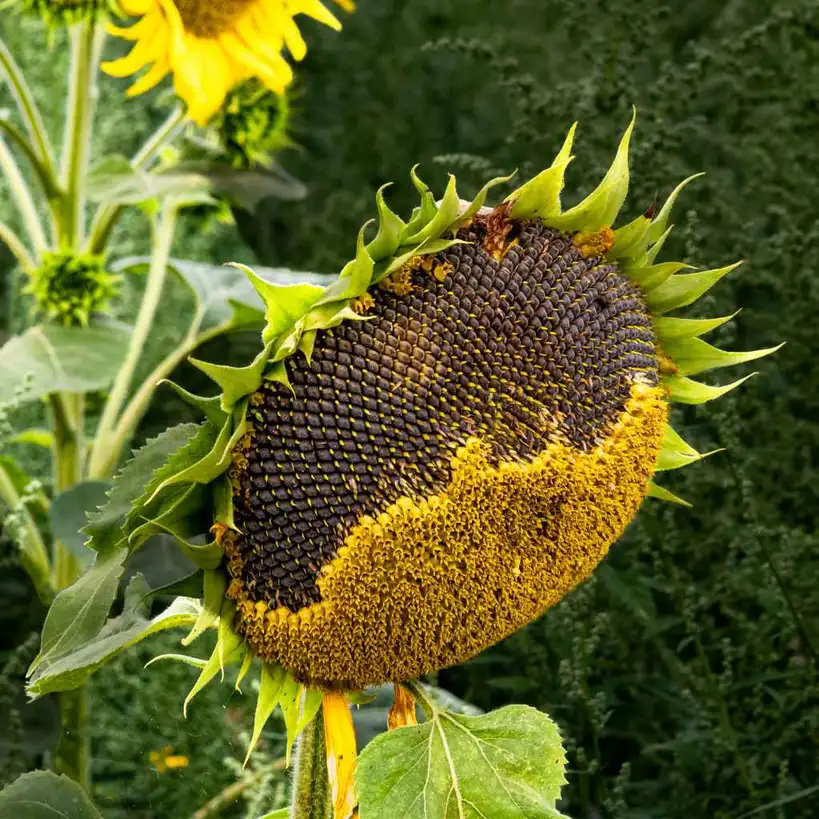
- Embryo: This is the baby plant. It has a tiny root, stem, and leaves. It’s ready to start growing when conditions are right.
- Food Supply: This is stored food. It gives the embryo energy to grow its roots and shoots. It’s like a packed lunch for the new plant.
- Seed Coat: This is the outer layer. It’s tough and protects the embryo and food. It keeps them safe from drying out and damage.
The Key Advantages Explained
Let’s break down the super-powers of seeds. Why are they such a big deal for plants?
1. Protection for the Young Plant
Imagine trying to grow up in a harsh world with no shelter. That’s what it was like for many early plants. Their young ones were exposed.
They could easily get dried out or eaten. The seed coat is like a shield. It’s made of tough stuff.
It keeps out pests and prevents water loss.
This protection is vital. It means the embryo can survive in tough spots. It can wait for rain.
It can wait for warmer weather. This waiting game is crucial. Many plants would die if they tried to grow too soon.
The seed coat buys them time. It lets them pick the perfect moment.
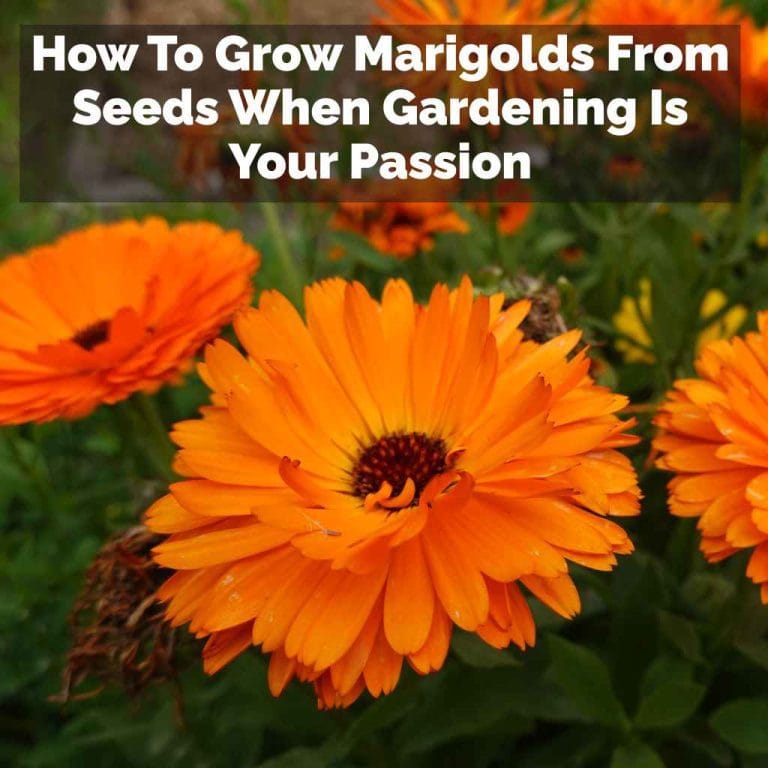
I remember once I found a packet of old marigold seeds. They were from a few years back. I thought they’d never grow.
I planted them anyway, just to see. Most didn’t sprout. But a few did!
The seed coat had kept them safe and sound inside. They were just waiting for the right conditions to pop.
This ability to wait is a massive evolutionary plus. It means plants can spread to places that are dry for part of the year. They can survive cold winters.
They can even survive droughts. The seed coat is the key to this resilience. It’s a tiny fortress for the future.
2. Built-in Food Source
Starting life is hard work. A new plant needs energy to push its way out of the ground. It needs energy to make its first leaves.
The food stored inside the seed is like a starter pack. It provides all the fuel the embryo needs to get going. This is usually in the form of starches, proteins, or oils.
This stored food means the seedling doesn’t need to find food right away. Many other organisms have to start hunting or gathering as soon as they are born. A plant seedling, however, can focus all its energy on growing.
It can build strong roots first. Then it can develop leaves to start making its own food from sunlight.
Think about it. If a seed had no food, the embryo would have to sprout roots and find nutrients in the soil almost immediately. This is a race against time.
The soil might be poor. The weather might be bad. Without stored food, many seedlings would simply not make it past their first few days.
This internal food supply is why seeds can germinate in a variety of places. They don’t need super-rich soil right away. They just need a bit of moisture and warmth.
The seed provides the push they need. This makes them much more likely to succeed. It’s a very smart design for survival.
3. Dispersal – Spreading Far and Wide
One seed is good. Many seeds spread out are even better. If all the seeds from one plant landed right next to it, they would compete for the same sun, water, and nutrients.
This would mean fewer, weaker plants. Seeds need to travel. This is called dispersal.
Seeds have many clever ways to get around. Some are light and have wings or fluffy bits. The wind can carry them far away.
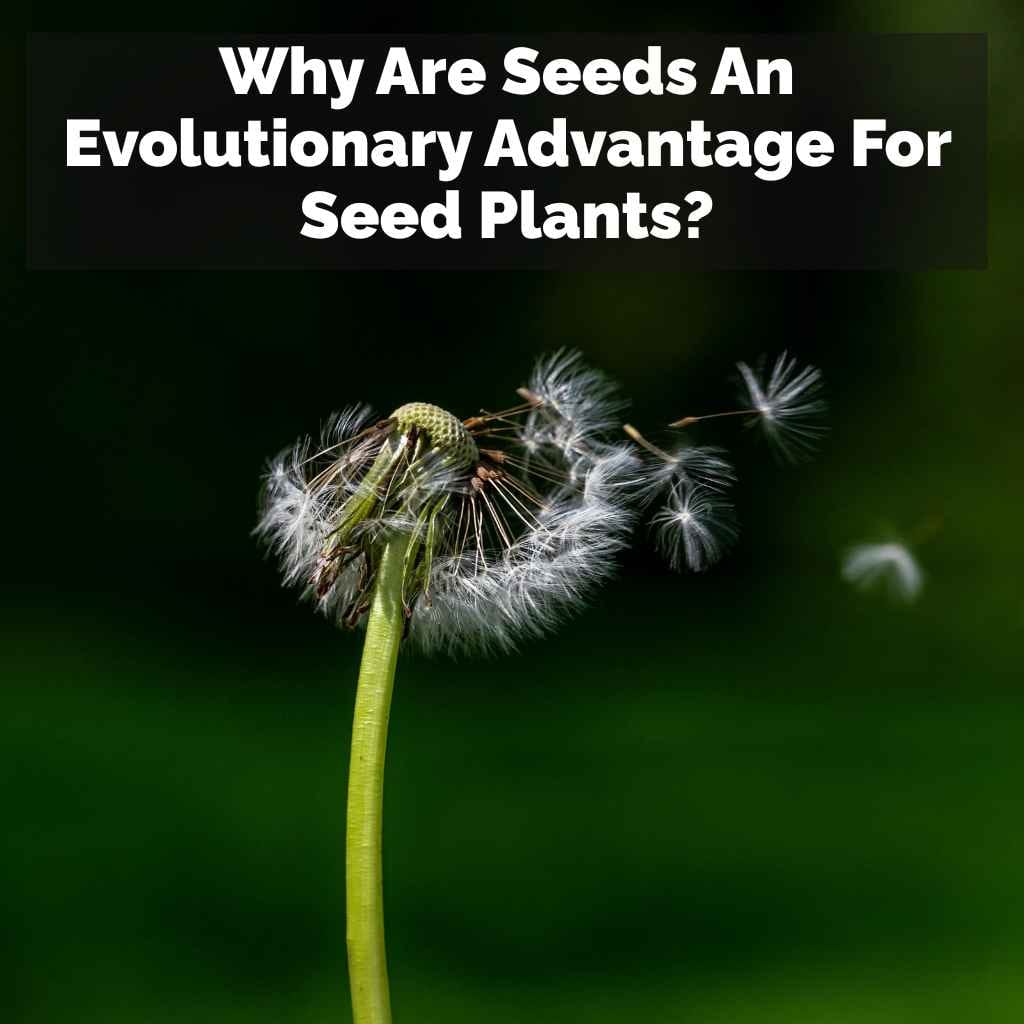
Dandelions and maple trees are great examples. Their seeds catch the breeze. They can travel for miles.
Other seeds have hooks or sticky surfaces. They attach to the fur of passing animals. Think of burdock seeds.
They cling to your socks. They hitch a ride to a new spot. This is a common way for plants to spread.
It’s an easy way to get a lift.
Seed Travel Agents
How seeds get from here to there:
- Wind: Lightweight seeds with wings or parachutes float on the breeze. (e.g., Dandelion, Maple)
- Water: Seeds that can float are carried by rivers and oceans. (e.g., Coconut)
- Animals (External): Seeds with hooks or sticky surfaces stick to fur or feathers. (e.g., Burdock, Stickseed)
- Animals (Internal): Edible fruits enclose seeds. Animals eat the fruit and deposit the seeds elsewhere in their droppings. (e.g., Berries, Apples)
- Explosive Mechanisms: Some seed pods burst open, flinging seeds away from the parent plant. (e.g., Pea, Violet)
Many seeds are found inside fruits. These fruits are often colorful and tasty. Animals eat the fruit.
They get nourishment. The seeds pass through their digestive system. They are then deposited in a new location, often far from the parent plant.
This is how many of our favorite fruits, like berries and apples, spread.
Some plants have even more active dispersal methods. Their seed pods build up pressure. When the conditions are right, they burst open.
They shoot the seeds out like tiny projectiles. This can send seeds several feet away. It’s like a tiny catapult system.
This ability to disperse means plants can colonize new areas. They can escape crowded conditions. They can find new sources of light and water.
They can even escape diseases that might be affecting the parent plant. Dispersal is about survival and growth.
Seeds and Dormancy: The Waiting Game
Another amazing trait of many seeds is their ability to remain dormant. This means they can stay alive, but not growing, for a long time. They are essentially in a state of suspended animation.
They wait for the right cues.
What are these cues? They usually involve water, temperature, and light. A seed might need to be cold for a while (like through winter) before it can sprout.
This is called stratification. Other seeds need light to germinate. Some need complete darkness.
This dormancy is crucial for survival. Imagine a plant that flowers and sets seed in the summer. If those seeds tried to sprout right away, they might be hit by an early frost.
They would likely die. Dormancy allows the seeds to wait for spring. Then they can sprout when the weather is reliably warm and wet.
I recall trying to grow some rare alpine flowers. The instructions said I needed to put the seeds in the fridge for a month. I was skeptical.
It seemed weird. But I did it. And sure enough, when I planted them after their “cold nap,” they all sprouted.
It was like they woke up ready to go.
Dormancy also helps seeds survive long periods of drought. A seed might lie in dry soil for years. Then, when a rare rainstorm hits, it’s ready to go.
It has survived the dry spell thanks to its tough coat and low metabolism. This allows plants to persist in challenging environments.
This ability to wait is a powerful evolutionary advantage. It means a plant species can survive even if its parent generation is wiped out by a disaster. The seeds are the insurance policy.
They ensure the continuation of the species. They are true survivors.
The Impact on Plant Evolution
The invention of the seed was a turning point. It allowed plants to conquer new territories. They could move away from water sources.
They could live in deserts, mountains, and temperate forests. This led to a massive increase in plant diversity.
Gymnosperms, like conifers, were the first to truly benefit. Their cones protected their naked seeds. They could grow in vast forests.
They became dominant in many cooler regions. Think of the huge pine forests in the western United States or Canada.
Then came the angiosperms. The addition of the flower and the fruit was another evolutionary leap. Flowers attracted pollinators.
Fruits helped with seed dispersal. This allowed flowering plants to spread everywhere. They became the most diverse and widespread group of plants on Earth.
Seed Plants vs. Non-Seed Plants
Key differences that highlight the seed advantage:
Non-Seed Plants (e.g., Ferns, Mosses)
Water Needed: Absolutely, for sperm to swim.
Reproduction: Relies on spores.
Habitat: Mostly moist environments.
Survival: Limited by water availability.
Seed Plants (e.g., Pines, Flowers)
Water Needed: Not for fertilization itself.
Reproduction: Uses seeds.
Habitat: Wide range, including dry areas.
Survival: Enhanced by protection, food, and dispersal.
The success of seed plants is evident all around us. From the grass in our lawns to the towering trees in our forests, they are everywhere. Their evolutionary journey, marked by the development of the seed, is a story of resilience and adaptation.
Real-World Context: Seeds in Our Lives
We interact with seeds every single day, even if we don’t always think about it. Our food system is built on seeds. Grains like wheat, rice, and corn are all seeds.
Beans and lentils are seeds. Nuts are often seeds too.
Even fruits and vegetables we eat are part of the seed’s life cycle. An apple is a fruit that contains seeds. A tomato is a fruit that contains seeds.
These are all part of the flowering plants’ strategy to reproduce and spread.
Think about agriculture. The entire practice of farming relies on selecting and planting seeds. We use the evolutionary advantage that seeds provide to grow our crops.
We choose seeds from plants that have desirable traits, like higher yield or disease resistance. This is artificial selection building on natural selection.
Consider the impact on ecosystems. Forests are made of seed-bearing trees. Meadows are filled with grasses and wildflowers, all propagated by seeds.
The availability of seeds affects animal populations too. Birds, rodents, and insects rely on seeds for food. The life cycle of countless creatures is tied to the success of seed plants.
The simple act of a bird eating a berry and flying away is an ecological interaction driven by seed dispersal. The powerful winds carrying dandelion seeds are shaping landscapes. The cycle of life, growth, and renewal in nature is profoundly connected to the humble seed.
What This Means for You
Understanding why seeds are an evolutionary advantage helps us appreciate the plants around us. It explains their success. It also gives us insight into gardening and farming.
When you plant a seed, you are tapping into millions of years of evolution. You are giving that tiny embryo the best chance to grow. You are providing the right conditions: soil, water, warmth, and light.
It also means we should be mindful of seed diversity. Many ancient or wild varieties of seeds are important. They hold genetic information that could be vital for future crops, especially as the climate changes.
Protecting these seed banks is a way of protecting our future food security.
If you’re a gardener, understanding dormancy is key. Knowing that some seeds need cold treatment or light can help you get better germination rates. It’s about working with nature’s design, not against it.
The resilience of seeds also offers a lesson. They can wait, they can endure. Even when conditions are tough, they hold the potential for new life.
This perspective can be inspiring.
Quick Tips for Seed Success
If you’re hoping to grow plants from seeds, here are a few simple ideas:
- Fresh Seeds: Use seeds that are not too old. Check the packaging for a harvest or expiry date if possible.
- Right Conditions: Most seeds need moisture, warmth, and light to sprout. Do a quick search for the specific needs of your chosen seed.
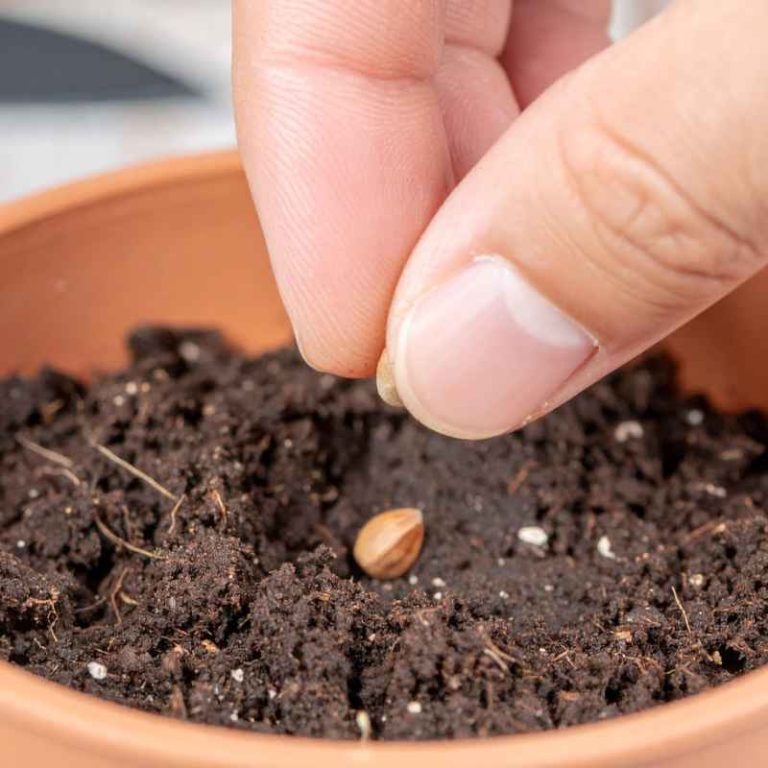
- Don’t Plant Too Deep: Many seeds only need to be covered by their own diameter in soil. Too deep, and they won’t have the energy to reach the surface.
- Patience: Some seeds sprout quickly, others take weeks or even months. Be patient.
- Research Dormancy: If you’re trying to grow a difficult plant, look up if its seeds need special treatment like cold stratification.

Frequently Asked Questions About Seed Advantages
Why are seeds better than spores?
Seeds are better than spores because they contain a protective outer coat, a stored food supply for the embryo, and a multicellular embryo itself. Spores are single cells and much more vulnerable to environmental damage and dehydration. They also lack a built-in food source, requiring immediate access to nutrients.
Do all plants make seeds?
No, not all plants make seeds. Plants that make seeds are called seed plants (or spermatophytes). This group includes gymnosperms (like pine trees, firs, and cycads) and angiosperms (flowering plants).
Plants like mosses, ferns, and horsetails reproduce using spores, not seeds.
How do fruits help seeds?
Fruits help seeds in several ways. They protect the developing seeds. Many fruits also attract animals, which eat the fruit and then disperse the seeds by carrying them away and depositing them in their droppings.
This helps the seeds reach new areas where they can grow without competing with the parent plant.
What is seed dormancy and why is it important?
Seed dormancy is a state where a seed does not germinate even when environmental conditions appear favorable. It’s important because it allows seeds to survive harsh periods like winter or drought. Dormancy ensures seeds sprout only when conditions are optimal for survival and growth, greatly increasing their chances of success.
Can seeds survive for a very long time?
Yes, many seeds can survive for a very long time, sometimes for decades or even centuries, under the right conditions. This is due to their protective seed coat, low metabolic rate in the dormant state, and ability to withstand dehydration. This long-term viability is a key survival advantage.
Did the evolution of seeds lead to forests?
The evolution of seeds was a crucial step that allowed plants to grow much larger and colonize drier land environments. This led to the development of woody plants like trees. Eventually, these trees formed the vast forests we see today.
So, while seeds didn’t create forests overnight, they were a necessary foundation for their existence.
Conclusion
The seed is truly one of nature’s most brilliant inventions. It’s a small package with immense power. It has allowed plants to spread across the globe.
It has driven incredible diversity. The seed’s ability to protect, nourish, and disperse new life is a testament to evolutionary genius. It’s a key reason plants rule our planet.