Can You Plant Squash Seeds Right Out Of The Squash? Try This
It’s a question that pops up often when you’re enjoying a delicious squash. You know, you’re slicing into a beautiful zucchini or a hearty butternut, and you see those seeds. A thought might cross your mind: “Can I just plant these right now?” It’s a wonderfully natural curiosity!

Sow Right Seeds
Sow Right Seeds - Black Beauty Zucchini…
- Beautiful - Large full-color packet of Black Beauty Zucchini (Cucurbita pepo) seeds. Compact zucchini plant produces a bounty of g…
- Productive - Zucchini germinates in 10-14 when soil temps are 65-75°F. Plant 1/2” deep and space 18-24” apart in an area with full…
- Good Eats - On its own, fresh zucchini squash is delicious sauteed in butter with a little garlic. But it is also a wonderful addi…
As an Amazon Associate I earn from qualifying purchases.
You’re not alone in thinking this. Many home gardeners, especially those just starting out, look at the bounty of a ripe squash and see more than just food. They see potential for next year’s garden.
It’s a clever way to save money and keep your favorite varieties going. But is it really as simple as scooping them out and tossing them in the dirt? Let’s explore this idea together.
We’ll dive into what makes planting squash seeds from a mature squash work, and what often doesn’t. We’ll cover the best ways to prepare those seeds. Plus, we’ll talk about what you might get if you try it.
By the end, you’ll know exactly what to expect and how to get the most from your garden’s future.
It is possible to plant squash seeds directly from a mature squash, but success is not guaranteed. For best results, seeds should be properly harvested, dried, and stored. Some varieties, especially hybrids, may not grow true to the parent plant.
Understanding Squash Seeds
Squash, whether it’s summer squash like zucchini or winter squash like pumpkin, has seeds inside. These seeds are the plant’s way of making more squash plants. Each seed holds the blueprint for a new squash vine.
They contain all the energy the little sprout needs to get started.
Think of them as tiny little packages of life. They are protected by a hard shell. This shell keeps them safe until the right conditions come along.
Warmth, moisture, and soil are what they need to wake up and grow.
The viability, or the ability of a seed to sprout, depends on a few things. How mature was the squash when it was harvested? Was the squash fresh, or had it been sitting for a while?
These details matter a lot for whether a seed will grow into a healthy plant.

Can You Plant Seeds Directly from the Squash?
Yes, you absolutely can try planting squash seeds straight from the squash. It’s a common question because it seems so straightforward. You cut open the squash, see the seeds, and think, “Why not?” It’s a direct connection from the fruit to the next generation of plants.
However, this method has its challenges. The seeds are still wet inside the squash. They are packed in a slimy pulp.
This moisture can be a problem if you try to plant them right away. It can cause the seeds to rot before they even have a chance to sprout.
Also, not all seeds inside a squash are ready for planting. Some might be immature. Others might have been damaged during the cutting process.
The squash itself needs to be fully ripe for its seeds to be at their strongest. This means the squash should be fully mature on the vine.
For winter squash, this means letting it sit on the vine until the rind is hard. For summer squash, this can be tricky. Summer squash is best eaten when young.
If you let it get too big, it’s often past its prime for eating. But for seeds, bigger can be better.
So, while the direct answer is yes, it’s usually not the best answer. There are better ways to get those seeds ready.
The Best Way to Save and Plant Squash Seeds
To have the best chance of success, you need to help those seeds out a little. It’s not hard. It just takes a few extra steps.
These steps make sure your seeds are healthy and ready to grow.
First, you need a fully ripe squash. For winter varieties, this is easier. Let them mature completely on the vine.
Wait until the rind is tough. The stem should be drying out. For summer squash, like zucchini, you’ll need to let one or two grow much larger than you normally would.
Don’t pick them for eating.
Once you have your ripe squash, carefully cut it open. Scoop out all the seeds and the pulp. Put them in a bowl.
You’ll notice a lot of stringy stuff and goo around the seeds.
Here’s a key part: you need to clean the seeds. Put the seeds and pulp in a jar or bowl. Add some water.
Swish it around with your hands. The pulp will start to break down. The good seeds will sink to the bottom.
The bad seeds and bits of pulp will float. Skim off the floaters.
Pour the water and remaining seeds into a strainer or colander. Rinse them well. Keep rinsing until all the slime is gone.
This slime is important. It often contains enzymes that prevent the seed from sprouting while still in the squash. Getting rid of it is vital.
After cleaning, spread the seeds out on a paper towel or a screen. Let them dry completely. This can take a few days.
Make sure they are totally dry. If they are still a bit damp, they can mold. Mold will ruin the seeds.
Once dry, store them in an airtight container. A glass jar or a paper envelope works well. Keep them in a cool, dry, dark place.
This storage method helps them stay viable for a long time.
When to Plant Your Saved Squash Seeds
Now that you have your seeds ready, when should you plant them? Squash plants are warm-season crops. They do not like the cold.
Frost will kill them.
The best time to plant squash seeds is after all danger of frost has passed in your area. You also want the soil to be warm. Aim for soil temperatures of at least 70°F (21°C).
In most parts of the U.S., this means planting in late spring. Think May or early June. You can check your local frost dates.
These are guides to help you know when it’s safe to plant tender plants.
You can also start squash seeds indoors. Do this about 2-3 weeks before your last expected frost. Use small pots or seed-starting trays.
Plant them about 1 inch deep. Keep them in a warm spot. Once the danger of frost is gone, you can transplant them outside.
Hardening off is important if you start seeds indoors. This means gradually getting them used to outdoor conditions. Do this for about a week.
It helps prevent shock when they go into the garden.
Planting them directly in the ground is often easier for squash. They don’t always love being transplanted. So, if you can wait until the soil is warm, direct sowing is a great choice.
Space them out well. Squash vines can get quite large.
Why Seed Cleaning Matters
Slime Removal: The sticky stuff around squash seeds is called mucilage. It actually helps protect the seed. But if you plant it wet, it can trap moisture and lead to rot.
Washing it off helps the seed dry out properly.
Fermentation (Optional): Some gardeners ferment the seeds in water for a few days. This can help break down the pulp further. It can also kill some diseases.
But it needs to be done carefully so you don’t overdo it.
Drying is Crucial: After washing, seeds must be bone dry. This prevents mold and mildew. It also ensures they can be stored for a long time.
What Kind of Squash Will Grow?
This is where things get interesting, and sometimes a little surprising. The type of squash that grows from your saved seed depends on the parent squash and its pollination history.
If you have saved seeds from a straightneck squash, and that squash was only pollinated by other straightneck squash, then you’ll likely get another straightneck squash. It’s like having a baby that looks a lot like the parents.
But what if you have different types of squash growing near each other? Squash plants are very good at cross-pollinating. Bees and other insects carry pollen from one flower to another.
This is how they make fruit.
If you have zucchini and yellow squash planted close by, the zucchini flower might get pollen from the yellow squash. Then, the seeds inside that zucchini will carry genes from both. When you plant those seeds, you might get a plant that’s a mix.
This is especially true for members of the same species. For example, all common summer squash varieties (like zucchini, pattypan, straightneck, crookneck) are typically Cucurbita pepo. They can cross-pollinate easily.
Winter squash types are a bit more complex. There are different species of winter squash. Butternut, acorn, and spaghetti squash are often Cucurbita moschata.
Pumpkins and many other large winter squash are usually Cucurbita maxima. Hubbards are also maxima. But some smaller pumpkins can be pepo.
Seeds from a Cucurbita pepo (like a pumpkin) might cross with a zucchini (also pepo). But a Cucurbita moschata (like butternut) is less likely to cross with a maxima (like a Hubbard). However, if you plant multiple types of winter squash from the same species nearby, cross-pollination can happen.
So, when you plant a seed from a squash, the resulting plant might be:
- Exactly like the parent squash.
- A hybrid, showing traits of both parents.
- Something completely new and unexpected!
Hybrid vs. Open-Pollinated Seeds
Hybrid Seeds (F1): These are created by intentionally crossing two specific parent plants. They often have very desirable traits, like disease resistance or high yield. However, seeds saved from F1 hybrid plants usually don’t grow true to type.
They tend to revert to one of the parent lines or become unpredictable.
Open-Pollinated (OP) Seeds: These seeds are produced by plants that are pollinated by natural means (wind, insects). If you save seeds from an OP variety that hasn’t been cross-pollinated with another variety, they will grow true to type. Many heirloom varieties are open-pollinated.
Your Saved Seeds: If the squash you picked was an F1 hybrid, the seeds inside will likely produce plants that are different from the parent. If it was an open-pollinated variety that was isolated from other squashes of the same species, you have a good chance of getting true-to-type plants.
The Case of the Mystery Squash
I remember one year, I had a small garden. I had a few different types of squash growing. I had zucchini, a butternut squash plant, and some small sugar pumpkins.
The bees were buzzing everywhere!
I let one of the zucchini grow really big. I wanted to see what would happen. I cut it open, washed the seeds, and let them dry.
The next spring, I planted them in a spot that got plenty of sun.
The plants that grew were huge! They were much bigger than my usual zucchini plants. And the squash they produced?
They looked like zucchini, but they were much harder. The rind was thick, like a winter squash. The flesh was denser too.
When I cooked them, they had a nutty, slightly sweet flavor. They were great for roasting. They were definitely not your average zucchini.
It was a complete surprise! I think the zucchini had been pollinated by one of the pumpkins. It was a “zucchinumpkin” or maybe a “pumpzucchini”!
It was a fun experiment.
This experience showed me that saving seeds from squash can be an adventure. You might get exactly what you expect. Or you might get something entirely new.
It’s part of the charm of gardening.
Common Squash Species and Their Relatives
- Cucurbita pepo: Most common summer squash (zucchini, yellow straightneck, yellow crookneck, acorn squash, delicata, most pumpkins).
- Cucurbita moschata: Butternut, Dickinson, Dickinson, and some other winter squash.
- Cucurbita maxima: Hubbards, Atlantic Giant pumpkin, most large pumpkins, many other winter squash varieties.
- Cucurbita argyrosperma: (less common in home gardens)
- Cucurbita ficifolia: (very distinct, often called Figleaf gourd or Malabar Gourd, not easily cross-pollinated with others)
Key Takeaway: Varieties within the same species are most likely to cross-pollinate. Planting different species together is safer if you want to save pure seeds.
What to Expect When Planting Seeds from a Store-Bought Squash
What about those squash you buy at the grocery store? Can you plant seeds from those? It’s a tempting idea, especially if you found a squash you really loved.
The short answer is: it’s usually not a good idea. Here’s why.
Most squash sold in supermarkets are hybrids (F1 hybrids). They are bred for specific traits like shelf life, disease resistance, and uniform size. When you save seeds from an F1 hybrid, the resulting plants will not be true to the parent.
They might grow. But the fruit they produce could be very different. It might be smaller, or oddly shaped.
The taste could be bland. The plant might be more prone to diseases.
Think of it like this: If two specific types of dogs are bred to make a perfect puppy, the puppies from that perfect puppy will likely go back to the traits of the original dogs, not be perfect themselves.
Also, supermarket squash might be treated to prevent sprouting. This is more common with things like pumpkins and some winter squash. This treatment is designed to make them last longer on the shelves.
It can also make the seeds less viable, or even unable to sprout at all.
So, while you can try it, your chances of growing a successful crop that matches the store-bought squash are quite low. It’s more likely to be a fun experiment with unpredictable results.
If you really loved a squash you bought, your best bet is to try and find out its variety name. Then, search for seeds from a reputable seed company that sells that specific open-pollinated or heirloom variety. That way, you can save seeds from your own harvest year after year.
Tips for Success
Even when you do everything right, gardening has its uncertainties. But here are some tips to help increase your success when planting saved squash seeds.
Start with the Best Squash: Choose a squash that looks healthy and is fully ripe. Avoid any with soft spots or signs of rot. The healthier the parent, the healthier the seeds.
Dry, Dry, Dry: I can’t stress this enough. Make sure those seeds are absolutely, completely dry before storing them. If you have any doubt, let them dry for a few extra days.
Test Your Seeds: Before planting all your saved seeds, do a small germination test. Place about 10 seeds on a damp paper towel inside a plastic bag. Keep it in a warm place.
After a week or two, count how many have sprouted. If only a few sprout, your seeds might be old or not very viable.
Know Your Squash Type: If you want to save seeds for future planting, try to grow only one variety of a given species in your garden. Or, separate them by at least 50 feet, ideally much more. This helps prevent cross-pollination if you want true-to-type seeds.
Plant at the Right Time: Wait until the soil is warm and all danger of frost is gone. Squash needs warmth to grow. Planting too early will lead to poor germination and weak seedlings.
Give Them Space: Squash vines need room to spread. Follow the spacing recommendations for the type of squash you are growing. Good air circulation helps prevent diseases.
Observe Your Plants: Keep an eye on your new plants. Look for signs of pests or diseases. The sooner you catch a problem, the easier it is to manage.
Embrace the Experiment: If you are planting seeds from a squash that might have cross-pollinated, think of it as an exciting gardening experiment! You might discover a delicious new variety.
Infographic: Seed Saving Success Factors
Ripe Parent
Use fully mature squash.
Clean Seeds
Wash away pulp and slime.
Thorough Drying
Seeds must be completely dry.
Proper Storage
Cool, dark, dry, airtight.
Warm Soil
Plant after frost and when soil is warm.
Pollination Control
Isolate varieties for true-to-type seeds.
When Is a Squash Seed Ready?
Determining if a squash seed is truly ready to be planted or saved is key. It’s all about ripeness. You can’t just pick any squash and expect its seeds to be perfect.
For winter squash varieties, ripeness is fairly obvious. The squash skin becomes very hard. You can’t easily dent it with your fingernail.
The color deepens and matures. The stem begins to dry and harden. These are all signs the plant has put its energy into developing mature seeds.
You can often harvest winter squash after the first light frost. This actually helps cure them and makes them store better. The seeds inside are already well-developed.
For summer squash, it’s a bit different. These are meant to be harvested when they are young and tender. If you want to save seeds from a zucchini, for example, you have to let it grow past its eating stage.
You need to let it become a large, somewhat fibrous squash. The seeds inside will be more mature and viable.
It can feel a bit wasteful to let a perfectly good zucchini turn into a giant baseball bat. But if you want to save its seeds, that’s exactly what you need to do. This ensures the seeds have had enough time to develop their protective coat and stored energy.
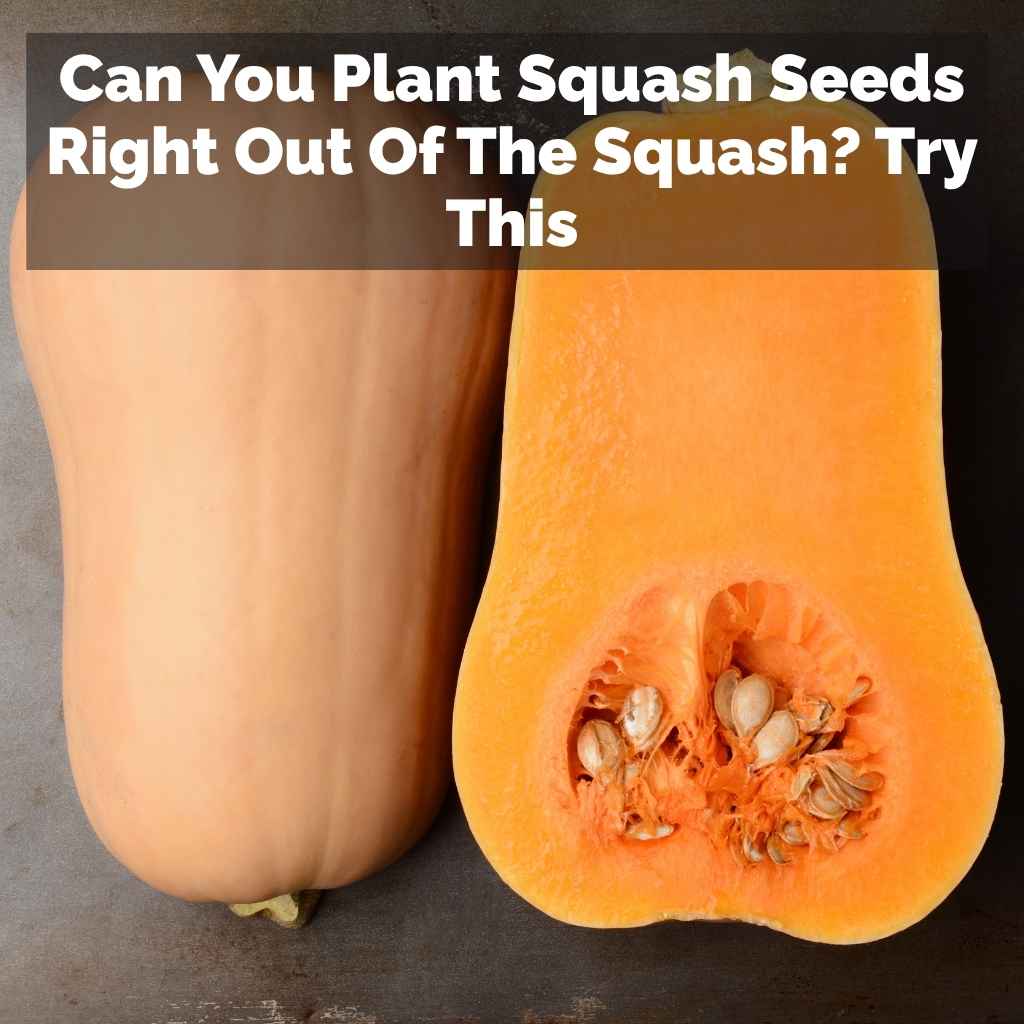
If you cut open a squash and the seeds are tiny, white, and gelatinous, they are likely not mature enough. You want to see plump, tan or brown seeds. They should have a firm outer shell.
So, for the best seed-saving results, always think “fully mature.” That’s the golden rule.
Can You Plant Squash Seeds in Different Seasons?
Squash seeds are sensitive to temperature. They really love the warmth. Planting them too early in the spring is a common mistake.
If you plant squash seeds when the soil is still cold, they might not sprout at all. Even if they do sprout, the seedlings will be weak. They will struggle to grow.
Cold, wet soil can also cause the seeds to rot.
In most of the United States, this means waiting until late May or early June for direct sowing. This is after the last frost date. The soil temperature should be consistently warm, around 70°F (21°C) or higher.
This warm soil is a signal to the seed that it’s time to wake up and grow.
You can get a head start by starting seeds indoors. Do this about 2 to 3 weeks before your last expected frost. Use good quality seed-starting mix in small pots.
Keep them in a warm location. Once they have a few true leaves and the danger of frost has passed, you can transplant them outside.
Remember to harden them off first! This gradual introduction to outdoor conditions is crucial. It helps prevent transplant shock.
Can you plant them in the fall? Not typically for a harvest. If your growing season is very long and warm, you might be able to plant a fast-maturing variety late in the summer for a fall crop.
But for saving seeds, you need the plants to reach full maturity and the fruit to ripen fully.
So, while you can start them indoors early, the main planting window for getting a harvest and saving seeds is late spring to early summer, once the weather is reliably warm.
Quick Scan: When to Plant Squash
| Warm Soil Needed? | Yes, at least 70°F (21°C) |
| Frost Danger? | No frost when planting or seedlings emerge |
| Direct Sow Window (Typical US): | Late May – Early June |
| Start Indoors: | 2-3 weeks before last frost |
What If My Squash Seeds Don’t Sprout?
It’s frustrating when you plant seeds and nothing happens. It makes you wonder if you did something wrong. If your saved squash seeds don’t sprout, there are a few likely reasons.
Seed Viability: The seeds might not have been viable to begin with. This can happen if the parent squash wasn’t fully mature. Or if the seeds were damaged during processing.
Maybe they weren’t dried properly and have started to decay.
Improper Drying: If the seeds were not dried completely, they could have molded during storage. Moldy seeds are dead seeds. They won’t sprout and can even spread disease to your soil.
Storage Conditions: Storing seeds in a warm, humid place is bad for them. Moisture causes them to start germinating prematurely or rot. Extreme heat or cold can also damage them.
Planting Too Early: As we’ve discussed, cold soil is a killer for squash seeds. If you planted them before the soil warmed up sufficiently, they may simply refuse to sprout. Or they might rot in the cold, wet earth.
Pests or Disease: Sometimes, tiny creatures like slugs or certain soil-borne diseases can get to the seed or the tiny sprout before it even breaks the surface. This is less common but can happen.
Hybridization Issues: If you saved seeds from a hybrid squash, the seeds might be weak or produce plants that aren’t vigorous. While they might sprout, they may not grow well.
Don’t get discouraged! Gardening is a learning process. If your seeds don’t sprout, take note of what might have gone wrong.
Try again next year with better preparation.
A good practice is to always save more seeds than you think you’ll need. And do a germination test on a small batch before you plant your main garden. This way, you’ll have a better idea of what to expect.
Is It Worth Planting Seeds from Your Own Squash?
So, the big question: Is it worth the effort to save seeds from your own squash? My answer is a resounding yes, but with a few important caveats.
It’s Economical: If you have an open-pollinated or heirloom variety, saving seeds saves you money on buying new seeds each year. It’s a fantastic way to become more self-sufficient in your garden.
It Preserves Varieties: By saving seeds from your favorite varieties, you help keep those specific types of squash going. You can select for plants that do particularly well in your own garden’s conditions, adapting them over time.
It’s an Educational Experience: Understanding the lifecycle of a plant, how pollination works, and the process of seed saving is incredibly rewarding. It deepens your connection to your food and your garden.
It Can Lead to New Discoveries: As my “mystery squash” story shows, sometimes planting saved seeds can lead to exciting, unexpected results. You might develop a new variety tailored to your taste!
However, it’s important to manage your expectations. If you’re growing hybrid varieties, you likely won’t get plants true to the parent. And even with open-pollinated types, success isn’t 100% guaranteed.
You need to follow best practices for harvesting, cleaning, drying, and storing.
Ultimately, the joy of gardening is in the journey. Trying to grow plants from your own saved seeds is a deeply satisfying part of that journey. It’s about connection, learning, and the magic of nature.

Frequently Asked Questions About Planting Squash Seeds
Can I plant squash seeds directly from a fresh squash without drying them?
While you can try, it’s not recommended. Fresh seeds are still wet and covered in slime, which can cause them to rot in the soil before they can sprout. Proper drying is essential for successful germination.
What is the best way to clean squash seeds?
Scoop the seeds and pulp into a bowl, add water, and swish your hands through it. The pulp will break down. The good seeds will sink, and the bad seeds and pulp will float.
Skim off the floaters and rinse the sinking seeds thoroughly in a strainer until all the slime is gone.
How long can I store saved squash seeds?
When stored properly in a cool, dry, dark, and airtight place, squash seeds can remain viable for several years. Some sources say up to 4-6 years for squash seeds, though germination rates will decrease over time.
Will seeds from a store-bought squash grow true to the original?
It’s highly unlikely. Most store-bought squash are F1 hybrids. Seeds saved from hybrids often do not produce plants that are true to the parent plant.
They may revert to parent traits or produce unpredictable results.
Why are my saved squash seeds not sprouting?
There could be several reasons: the seeds weren’t fully mature, they weren’t dried properly, they were stored incorrectly, they were planted in cold soil, or they may have lost their viability over time. A germination test can help identify viability issues.
How do I prevent cross-pollination when saving squash seeds?
To ensure seeds grow true to type, you need to isolate the plant. For summer squash, grow only one variety of its species. For winter squash, you can plant different species together (e.g., butternut and Hubbard, which are different species) as they won’t cross.
Or, physically distance different varieties of the same species by at least 50 feet, ideally much more, and rely on hand-pollination.
Conclusion
It’s absolutely possible to plant squash seeds straight from the squash, but success is much more likely with a little preparation. By properly harvesting, cleaning, drying, and storing your seeds, you give them the best chance to thrive. Whether you aim for familiar varieties or embrace the surprise of a new hybrid, saving seeds is a rewarding part of gardening.
Happy planting!
Related pick: Check today's price on Amazon