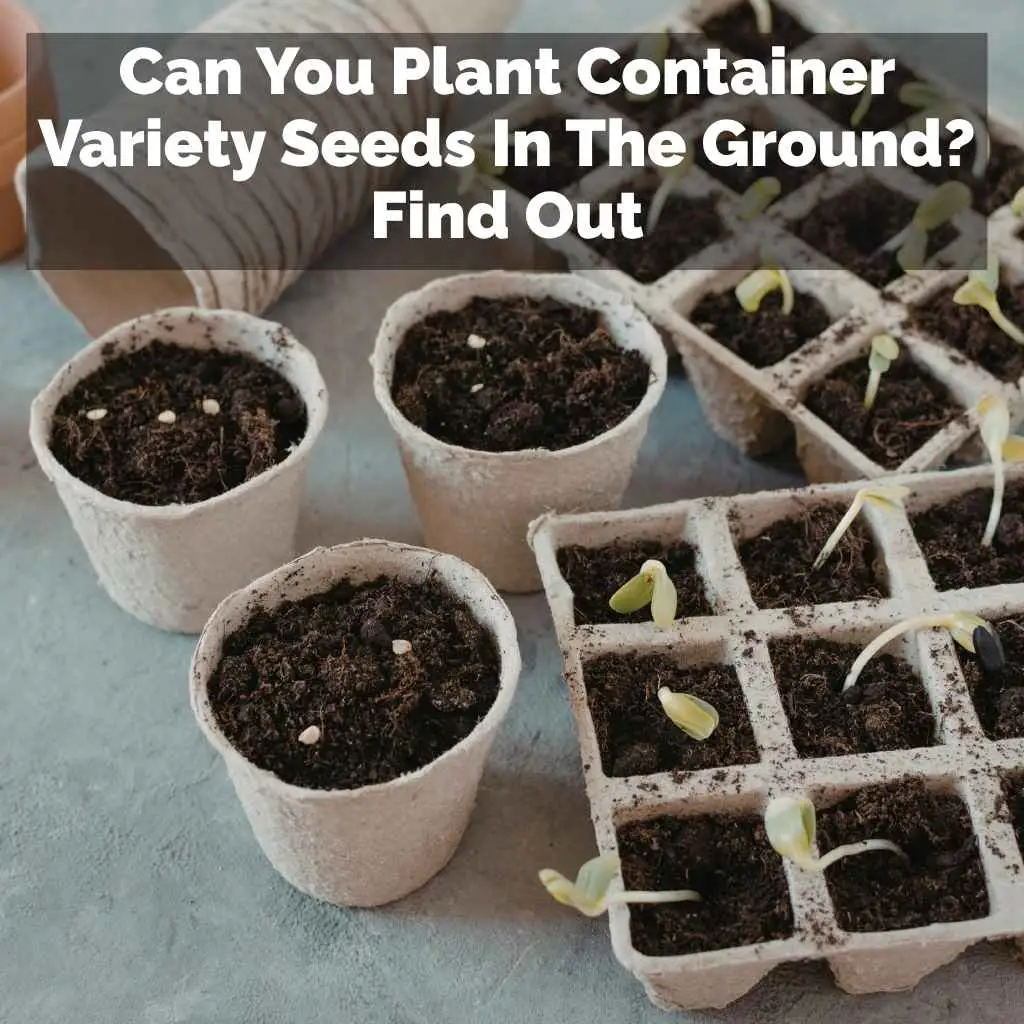
Can You Plant Container Variety Seeds In The Ground? Find Out
Many seeds are labeled for containers. This means they are bred to grow well in smaller spaces. Think of flowers like petunias or herbs like basil.
For a related plant-care question, Can I Plant Grass Seeds Even If It's Cold Outside? gives readers a more focused follow-up.
These often start their lives in pots. But what happens when you want them in the wide-open earth?
Seeds are pretty amazing. They have a built-in plan to grow. Most seeds, whether from a packet or a fruit, have the same basic needs.
They need the right soil, water, and sun. They also need a safe place to start.
So, is there a big difference between a seed meant for a pot and one meant for the garden bed? It comes down to how the plant grows. Some plants just do better in the open ground.
Others might be fine in either spot. It really depends on the plant itself.
The Basics of Seed Germination
Before we plant, let’s talk about what makes seeds sprout. This is called germination. Every seed needs a few things to wake up.
First, they need moisture. Water softens the seed coat. It also tells the seed it’s time to grow.
Next, seeds need the right temperature. Some like it warm, others prefer it cool. Too cold or too hot, and they might not sprout at all.
The soil or growing mix is also key. It holds moisture and nutrients. It also anchors the young root.
Light is another factor. Some seeds need light to sprout. Others need darkness.
Most seeds planted in the ground get enough darkness. For seeds that need light, you plant them just on top of the soil. You’ll often find these instructions on the seed packet.
The seed itself holds the food for this first stage. It’s called the endosperm. This food helps the seedling grow its first leaves.
Once those leaves appear, the plant can start making its own food. It does this using sunlight. This process is called photosynthesis.

Can You Plant Container Variety Seeds in the Ground?
The simple answer is yes, often you can plant container variety seeds in the ground. Think about it this way: many plants that are sold as “container plants” were grown from seeds. These seeds were likely started in nurseries.
Then, they were planted into pots for sale.
The genetics of the seed are more important than its intended use. A seed for a marigold meant for a pot is still a marigold seed. It has the same potential as a marigold seed for the garden.
The plant might be bred to be more compact. This makes it fit better in a pot. But it’s still a plant that can grow larger.
In fact, planting them in the ground can be a great idea. The ground offers more space for roots to grow. This often leads to a bigger, healthier plant.
There’s more room for nutrients and water. The soil also helps regulate temperature better than a small pot.
However, there are a few things to keep in mind. Some plants bred for containers are designed to stay small. They might not grow very tall or wide in the ground either.
But they will likely be more robust. You won’t have to water them as often as you would a pot.
Key Considerations for Ground Planting
So, you’ve decided to try planting those container seeds in the ground. Great! Here’s what you need to think about.
First, check the seed packet. It usually tells you the best way to plant. It might say “start indoors” or “sow directly outdoors.”
If it says “sow directly outdoors,” you’re good to go. Just follow the depth and spacing guides. If it says “start indoors,” you have two choices.
You can start them inside in pots and then transplant them. Or, you can try sowing them directly outside after the last frost. This is when the weather is warm enough.
Soil is important. Your garden soil needs to be ready. It should be loose and not too hard.
You might want to add some compost. Compost helps the soil drain well. It also adds good stuff for the plants to eat.
This is called feeding the soil.
When you plant the seeds, think about sunlight. Most flowering plants and many herbs need a lot of sun. They like at least 6 hours of direct sun each day.
Some vegetables need full sun too. Others can grow in partial shade. Know what your specific plant likes.
Watering is also crucial at the start. Keep the soil moist but not soggy. Young seedlings are delicate.
They need consistent water to get established. Once they are bigger, they might be more forgiving. But that first few weeks are important.
What Does “Container Variety” Really Mean?
Plants labeled “container varieties” are often bred for specific traits. Breeders select plants that have certain qualities. These qualities make them good for pots.
One common trait is a more compact growth habit. This means they don’t get too big or sprawling.
Another trait might be faster flowering or fruiting. This lets you enjoy the plant sooner in its pot. Sometimes, they are bred for better branching.
This makes them look fuller in a small space. They might also be bred for strong stems that hold up well in a pot.
Think about petunias. Many are bred to trail or mound neatly in hanging baskets. In the ground, they might spread wider.
They could become more like ground cover. They will likely produce even more blooms because they have more space.
Herbs like basil or mint are often sold in small pots. These are usually young plants. The seeds themselves are just regular herb seeds.
You can plant them in the garden. They will likely grow much larger than they did in the small pot.
So, “container variety” is more about how the plant performs in a pot. It doesn’t mean the seed is fundamentally different. It’s still a seed of that plant species.
The potential for growth in open soil is usually there.
Container Seed Myths vs. Reality
Myth: Seeds for containers will always stay small, even in the ground.
Reality: While bred for compact growth, they often thrive with more space. They might spread wider or grow taller than in a pot.
Myth: Container seeds have weaker genetics and won’t do well outdoors.
Reality: The genetics are for specific traits like size, not overall plant health. They can be very vigorous.
Myth: You can’t save seeds from container plants for next year.
Reality: If the plant is open-pollinated, you can save seeds just like any other variety.
Pros of Planting Container Seeds in the Ground
There are definite benefits to giving these seeds more room. The biggest pro is plant health. Roots have more freedom to explore.
This means they can find more water and nutrients. This leads to a stronger plant overall.
You’ll often see more blooms or a better harvest. Because the plant is healthier, it can put more energy into producing flowers or fruit. This is true for both flowers and vegetables.
The ground also offers better temperature control. A pot can heat up or cool down quickly.
The soil in the ground stays more stable. This protects the roots from stress. Watering becomes less of a daily chore.
While you still need to water, the ground holds moisture much longer than a pot. This means less frequent watering for you.
Larger root systems also mean a sturdier plant. It can handle wind and rain better. It’s less likely to tip over or break.
This is especially true for plants like tomatoes or peppers that can get quite heavy when full of fruit.
Potential Challenges and How to Handle Them
While it’s usually a good idea, there can be a few hiccups. One challenge is understanding the plant’s true mature size. A seed packet might not show how big it gets in the ground.
It might only show how it looks in a pot. So, do a little research on the plant variety itself.
Another issue is pest and disease pressure. Open ground can have more bugs and soil-borne diseases. Pots can sometimes limit this exposure.
If you know your soil has problems, amend it well. Add compost and organic matter. This can improve soil health.
Weeds are also a bigger factor in garden beds. Pots have fewer weeds. In the ground, you’ll need to manage them.
Keep them from competing with your seedlings for water and nutrients. Mulching around your plants can help suppress weeds.
Make sure you are planting at the right time. Some plants that do well in pots might be sensitive to cold. You don’t want to put them in the ground too early.
Wait until the danger of frost has passed. Check the seed packet or plant tag for specific timing.
Quick Scan: Container Seed to Garden Bed
| Aspect | In a Pot | In the Ground |
|---|---|---|
| Root Space | Limited | Ample |
| Watering Needs | Frequent | Less Frequent |
| Soil Temperature | Variable (heats up/cools fast) | More Stable |
| Nutrient Availability | Relies on added fertilizer | Can access more from soil |
| Pest/Disease Risk | Can be lower | Can be higher |
| Mature Size Potential | Often smaller/compact | Can be larger/more vigorous |
Soil Preparation for Ground Planting
Getting your garden soil ready is super important. It sets the stage for success. First, you need to loosen the soil.
Dig it up with a shovel or tiller. You want to break up any hard clumps. This helps roots grow down easily.
Adding compost is a game-changer. Spread a few inches of good compost over the area. Then, mix it into the top 6–8 inches of soil.
Compost adds nutrients. It also improves the soil’s structure. It helps sandy soil hold water.
It helps clay soil drain better.
Consider a soil test. This tells you if your soil is missing any key nutrients. It also tells you its pH level.
Most plants like a pH close to neutral. You can get test kits at garden centers or through your local extension office.
If your soil is very compacted or poor, you might need more than just compost. You could add aged manure. You might also add other organic matter like peat moss or coconut coir.
The goal is to create a rich, loose environment.
Avoid walking on the prepared soil. This compacts it again. Use a board to distribute your weight if you need to work on it.
You want the soil to be airy and inviting for roots.
Planting Techniques
Once your soil is prepped, it’s time to plant. Read the seed packet carefully. It will tell you how deep to plant the seeds.
It will also tell you how far apart to space them. These instructions are usually based on the plant’s mature size.
For seeds that need light to germinate, just sprinkle them on top. Then gently press them into the soil surface. For most other seeds, make a small hole or furrow.
Drop the seeds in. Then cover them with soil to the recommended depth.
A general rule of thumb for planting depth is about 2–3 times the width of the seed. Tiny seeds are planted shallower. Larger seeds go deeper.
Water the area gently after planting. You don’t want to wash the seeds away. A light spray from a hose or a watering can works well.
Keep the soil consistently moist until you see seedlings emerge.
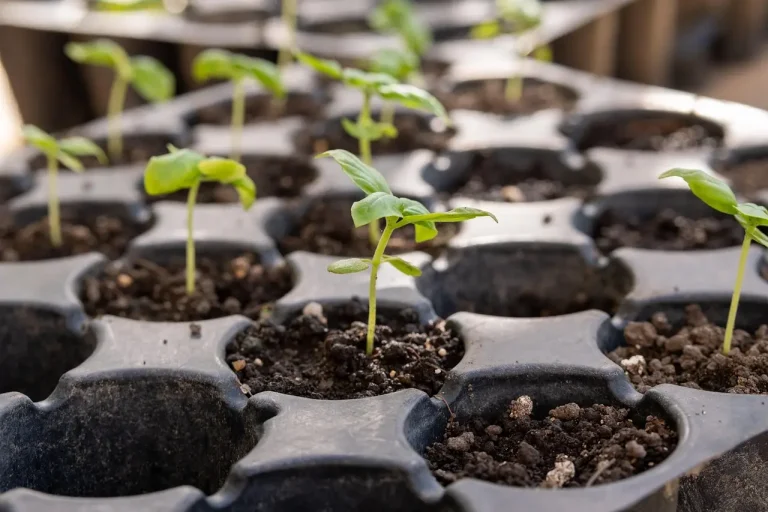
If you are transplanting seedlings that you started indoors, be gentle. Water them well before you take them out of their pots. Dig a hole in the garden that’s big enough for the root ball.
Carefully place the seedling in the hole. Fill in the soil around it.
Water the transplanted seedlings thoroughly. This helps settle the soil around the roots. It also reduces transplant shock.
For the first week or so, keep an eye on them. Make sure they are getting enough water.
When to Plant Outdoors
Warm-Season Plants (e.g., Tomatoes, Peppers, Basil): Plant after all danger of frost has passed and the soil has warmed up. This is typically late spring or early summer in most of the U.S.
Cool-Season Plants (e.g., Lettuce, Spinach, Peas): Plant in early spring as soon as the soil can be worked. Some can also be planted in the fall for a late harvest.
Check your local frost dates! This is the most crucial step for timing outdoor planting.
Choosing the Right Location in Your Garden
Location, location, location! It’s just as important in the garden as it is anywhere else. Most plants, especially flowers and vegetables, love sunshine.
Look for a spot that gets at least 6 to 8 hours of direct sunlight each day. This is called full sun.
If you have shady areas, don’t worry. Some plants, like certain leafy greens or hostas, prefer partial shade. They do better with less direct sun.
Read plant tags or seed packets to know your plant’s needs.
Think about wind. Very windy spots can dry out plants quickly. They can also damage delicate stems.
If your garden is windy, consider planting taller plants on the side that faces the wind. This can create a natural windbreak. Or, you might need to use stakes or cages for support.
Also, consider drainage. You don’t want water to pool around your plants. If you have an area where water sits after rain, it might not be the best spot for most plants.
Raised beds are a great solution for poor drainage. They allow water to flow away more easily.
Finally, think about how you’ll water them. Make sure your chosen spot is easy to reach with a hose or watering can. You don’t want to be struggling to get water to your plants.
What Does This Mean for Your Gardening Plans?
This knowledge opens up a lot of possibilities. You aren’t limited to only planting seeds specifically marked “for garden beds.” Many of those pretty flowers or useful herbs you see in pots are perfect candidates for your garden. You might even get a more impressive display!
It means you can be more flexible with your seed purchases. If you find a variety you love that’s labeled for containers, don’t hesitate. You can often use it in your main garden beds.
Just remember to adjust your expectations slightly for its potential size.
For gardeners with limited space who usually rely on pots, this is great news. You can still enjoy the benefits of ground planting. You might find your favorite “container plants” thrive even better outside of their small confines.
Ultimately, it empowers you to make more informed choices. You can look at seed descriptions and understand what they mean for your garden. You can experiment more freely.
The goal is always a healthier, happier plant.
Observational Flow: From Pot to Plot
Step 1: Seed Selection. You pick seeds, perhaps for their compact look in pots.
Step 2: Initial Thought. You wonder if they’ll work outside your pots.
Step 3: Research/Knowledge. You learn that genetics matter most, and “container” refers to growth habit in small spaces.
Step 4: Garden Prep. You prepare your soil, adding compost for richness.
Step 5: Planting. You sow the seeds directly into the prepared soil, following packet depth and spacing.
Step 6: Growth & Bloom. The seeds sprout, and the plants grow, possibly larger and more robust than they would have in a pot.
When to Be Cautious
While the answer is usually yes, there are a few times to pause. If a plant is described as a dwarf variety, it will likely stay small even in the ground. That’s okay if that’s what you want!
Some plants are bred to have very specific root systems for containers. These might not be as robust in different soil types. However, this is less common with standard annual flowers and herbs.
Also, consider the climate. If you live in an area with very harsh winters, and the “container variety” is an annual that struggles with cold, planting it out early might be risky. But this is true for any annual.
The biggest caution is understanding the plant’s true potential. Don’t expect a plant that naturally grows 3 feet tall to stay 1 foot tall just because it was sold in a pot. It will grow to its genetic potential when given the right conditions, which often means more space.
If you are unsure about a specific plant, a quick online search for its scientific name will give you a wealth of information on its typical growth habits in open ground.
Tips for Success
Here are some final tips to help you succeed:
- Read the Seed Packet: Always start here. It’s your primary guide.
- Amend Your Soil: Good soil is the foundation for healthy plants. Add compost!
- Know Your Sunlight: Match the plant’s light needs to the spot you choose.
- Water Wisely: Keep soil moist when young. Water deeply less often as plants grow.
- Mulch: This helps retain moisture, suppress weeds, and regulate soil temperature.
- Observe Your Plants: Watch for signs of stress, pests, or diseases. Act early.
- Don’t Be Afraid to Experiment: Gardening is a learning process. Try new things!
Seed Packet Decoder: Key Terms
Sow directly outdoors: Plant seeds right into your garden bed.
Start indoors: Begin seeds in pots or trays inside your home.
Transplant: Move young plants from indoor pots to the garden.
Full sun: Needs at least 6–8 hours of direct sunlight daily.
Partial shade: Needs protection from hot afternoon sun; morning sun is usually fine.
Compact habit: Plant is bred to stay smaller and more bush-like.

Frequently Asked Questions
Will container seeds produce fewer flowers than garden seeds?
Not necessarily. While bred for compact growth in pots, giving them more space in the ground often leads to even more blooms because the plant is healthier and has better access to resources like water and nutrients.
Can I save seeds from container variety plants to plant next year?
Yes, if the variety is open-pollinated. Many “container varieties” are simply selected for traits like compact size or faster flowering, not for being hybrids that don’t produce true-to-type seeds. Check the seed packet for information on whether it’s a hybrid (F1).
What is the main difference between seeds labeled for containers versus gardens?
The main difference is often the breeding for specific growth habits. Container varieties are usually bred to be more compact, bushy, or to flower earlier in limited space. Garden varieties might be bred for larger size, higher yield, or different adaptability.
Are container seeds weaker or less healthy?
No, they are not inherently weaker. They are bred for desirable traits for container growing, such as size and flowering time. Their genetics are just as strong as garden varieties for producing a healthy plant when given proper conditions.
How deep should I plant container seeds in the ground?
Follow the general rule of thumb: plant seeds at a depth about 2–3 times their width. Tiny seeds go very shallow, often just pressed onto the surface if they need light. Larger seeds can go a bit deeper.
Always check the seed packet for specific depth recommendations.
Will my container flowers spread a lot in the garden?
They might spread more than they would in a pot. If the variety is naturally inclined to spread, having more root space in the ground will allow it to do so. This can be a good thing for filling garden beds, but it’s worth knowing the plant’s potential spread.
Conclusion
So, can you plant container variety seeds in the ground? Absolutely! It’s often a fantastic way to get bigger, more robust plants.
With a little soil prep and attention to planting needs, you can transform those little seeds into a thriving garden display. Enjoy the journey of growing!
Related pick: Check today's price on Amazon