When to Plant Bluebonnet Seeds in Texas (Exact Timing)
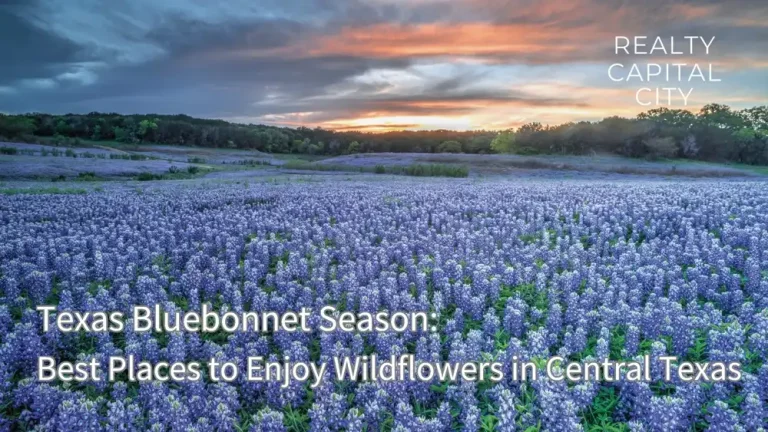
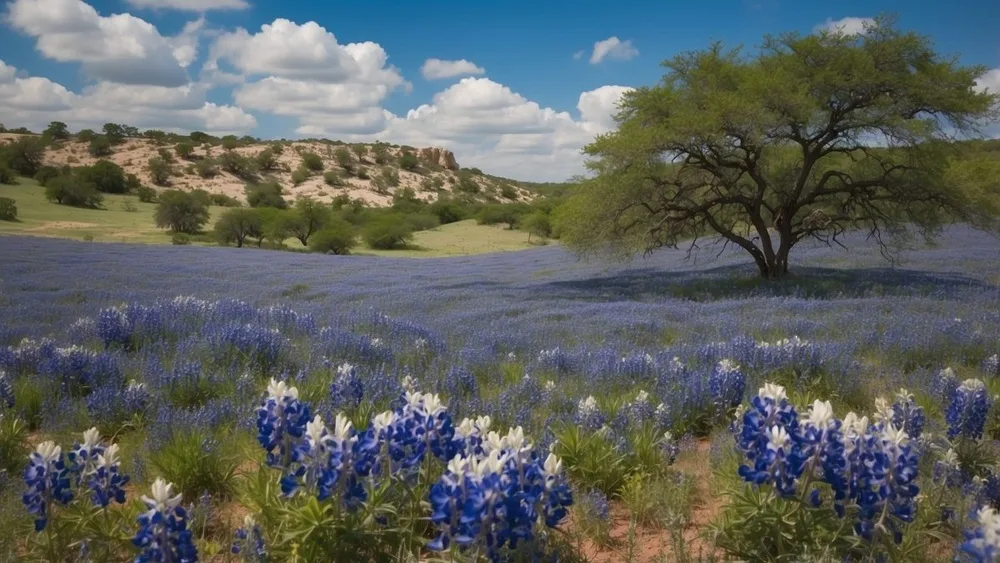
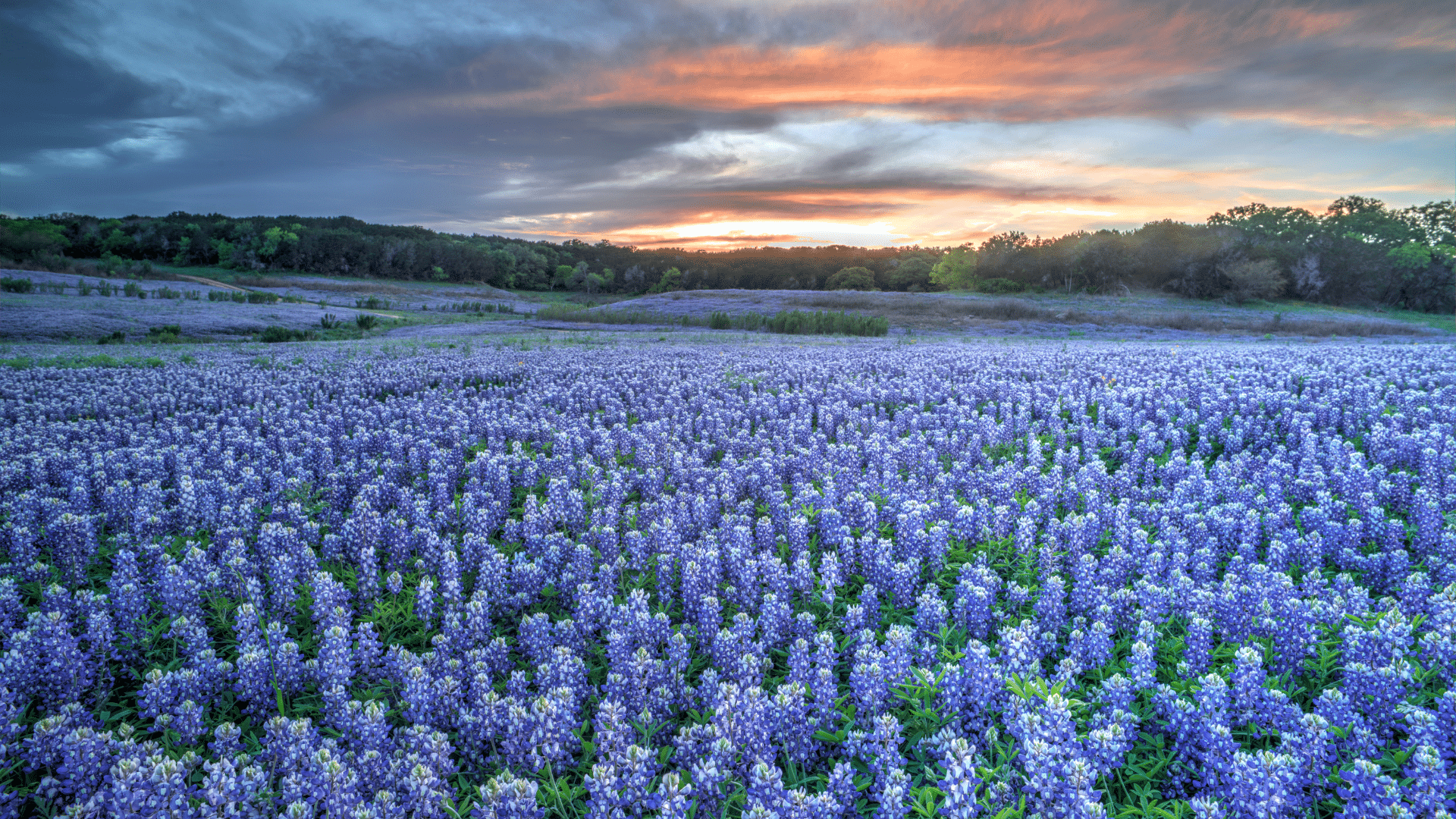
Bluebonnets, the iconic wildflowers of Texas, paint vast landscapes with vibrant blue every spring, drawing visitors from across the country and igniting a sense of pride among locals. But behind those breathtaking fields lies a science of timing—planting bluebonnet seeds at just the right moment is essential for a spectacular bloom.
Whether you’re a home gardener, land manager, or simply a wildflower enthusiast, understanding when to plant bluebonnet seeds in Texas is the first step toward a stunning display.
The timing isn’t just about tradition or convenience; it’s rooted in the bluebonnet’s biology and Texas’s unique climate patterns. The difference between a field bursting with blooms and a patchy, disappointing turnout often comes down to the simple question: Did you plant your bluebonnets at the optimal time? This comprehensive guide dives deep into the exact timing for planting bluebonnet seeds in Texas, exploring regional variations, weather considerations, soil preparation, and more—ensuring your wildflower dreams become reality.
Key Takeaways
- Optimal bluebonnet seed planting in Texas is late September through mid-November, with exact timing varying by region.
- Soil temperature, rainfall, and local climate are critical factors influencing successful germination and bloom.
- Proper soil preparation and seed treatment significantly boost germination rates and healthy growth.
- Delayed or early planting can lead to poor germination and weak blooms, making timing crucial.
- Regional Texas climate differences mean there’s no one-size-fits-all date—local adaptation is key.
- Data, examples, and expert advice in this guide help home gardeners and land managers maximize bluebonnet success.
Credit: www.txdot.gov
Understanding Bluebonnet Biology And Growth Cycle
The Life Cycle Of Bluebonnets
Bluebonnets (Lupinus texensis and related species) are annual wildflowers that complete their life cycle within a single year. Their journey begins with germination in the fall, followed by slow winter growth, rapid spring development, and finally, spectacular blooms from late March through April. By early summer, plants set seed and die back.
Bluebonnets emerge as small rosettes during the winter, a stage in which they focus on root development rather than above-ground growth. This period is crucial because it allows the plants to build a strong foundation to support the burst of growth that occurs as temperatures warm.
As daylight increases in spring, the bluebonnets shift energy from root development to producing flower stalks, culminating in the iconic blue blooms. Once pollination occurs, the plants devote their resources to forming seed pods, which mature and eventually burst, dispersing seeds for the next generation.
This complete lifecycle relies on precise environmental triggers—a testament to their adaptation to Texas’s climate.
Why Timing Matters For Bluebonnet Seeds
Unlike many garden plants, bluebonnets require a period of cool winter growth to develop strong root systems and prepare for spring flowering. Planting too early can expose seedlings to harsh summer conditions, while late planting often results in weak plants and sparse blooms. The seeds possess a hard outer coat that responds best to cooler, moist conditions for germination.
The timing of planting also influences how well bluebonnets can compete with weeds. Seeds sown in the fall establish ahead of many spring weeds, giving them a competitive advantage. If the bluebonnet seedlings are small or underdeveloped due to late planting, they may be overtaken by aggressive weeds, further reducing flower density.
Native Adaptation To Texas Climate
Bluebonnets have evolved to thrive in Texas’s variable climate, from the arid west to the humid east. Their natural cycle aligns with fall rains and mild winters, making them resilient but also highly dependent on seasonal cues. This adaptation means that planting time must be tailored to local weather patterns for best results.
For instance, in the Hill Country and Central Texas, bluebonnets often take advantage of the region’s reliable fall rains and temperate winters. In contrast, in West Texas, where droughts are common, bluebonnets have adapted to “wait” for the right moisture conditions, sometimes delaying germination until adequate rainfall arrives—even if this means blooming later than usual.
Germination Requirements
For bluebonnet seeds to germinate successfully, three main conditions must be met:
- Soil temperature in the optimal range (typically 55°F–70°F)
- Adequate moisture from fall rains
- Pre-scarified seeds or natural weathering to break seed dormancy
Soil temperature is a vital consideration. If the soil is too warm—above 75°F—seeds may remain dormant and miss the optimal window for establishing before winter. Rainfall patterns also play a role; bluebonnets can survive brief periods of drought once established, but they require consistent moisture during germination and early growth.
These factors underscore the importance of precise timing—planting too early or too late can mean missed opportunities for robust bluebonnet fields.
Credit: greatstaysoftexas.com
Best Time To Plant Bluebonnet Seeds In Texas
Statewide Planting Window
The consensus among experts and agencies like the Lady Bird Johnson Wildflower Center is that the best time to plant bluebonnet seeds in Texas is from late September through mid-November. This window allows seeds to take advantage of cooler soil temperatures and increased fall rainfall, giving seedlings ample time to establish before winter.
| Texas Region | Recommended Planting Dates | Average First Frost Date |
|---|---|---|
| Central Texas | Oct 1 – Nov 15 | Nov 27 |
| North Texas | Sep 20 – Oct 31 | Nov 15 |
| South Texas | Oct 15 – Nov 30 | Dec 8 |
| West Texas | Sep 15 – Oct 31 | Nov 2 |
| East Texas | Oct 1 – Nov 20 | Nov 23 |
Regional Variations Across Texas
Central Texas
Central Texas, home to the famous Hill Country bluebonnet trails, enjoys a moderate climate ideal for bluebonnets. The sweet spot for planting is early October through mid-November, with peak germination typically occurring after the first significant fall rain.
Because the Hill Country receives a relatively predictable pattern of autumn precipitation, bluebonnet enthusiasts in this region can usually plan their planting around annual events like Oktoberfest or the start of the school year. This predictable weather, coupled with the region’s well-draining, calcareous soils, provides an ideal environment for bluebonnet establishment.
In addition, local horticultural organizations often host bluebonnet festivals and planting days during this window, further reinforcing the tradition of fall planting.
North Texas
With cooler falls and earlier frosts, North Texas gardeners should aim for late September to late October. Planting after Halloween risks seedling exposure to hard freezes, which can stunt or kill young plants.
North Texas is also prone to unpredictable weather swings, including sudden cold snaps or lingering warm spells. Monitoring local forecasts and being prepared to adjust planting by a week or two can make a significant difference. For instance, in years with an unusually warm early fall, gardeners might delay planting by a few days, but should still aim to finish before the average first frost.
South Texas
South Texas’s warmer climate extends the planting window. Mid-October through late November is ideal, giving seeds time to germinate and seedlings to establish before the mild winters.
In South Texas, the risk of planting too early is that bluebonnet seeds might sprout during a late heat wave, which can stress young seedlings and reduce survival rates. Conversely, the generally mild winters offer flexibility—if conditions remain warm and moist, bluebonnets can establish later than in other regions.
However, it’s still important to avoid planting after December, as seedlings need some winter dormancy to thrive.
West Texas
West Texas’s arid conditions and unpredictable rain make timing more challenging. Plant as soon as fall rains arrive, usually between mid-September and late October, to capitalize on available moisture.
In drought years, seeds may not germinate until winter or even spring rains arrive. This unpredictability means that West Texans often overseed—planting extra seeds to account for low germination rates in dry years. The strategy pays off when rains do arrive, ensuring at least some coverage.
East Texas
Higher humidity and rainfall in East Texas allow for a slightly later planting. The recommended period is early October to mid-November.
East Texas gardeners benefit from consistent moisture but must be wary of poorly drained soils, which can cause seed rot. Planting after a heavy rain, when the soil is moist but not saturated, helps prevent this issue.
Microclimates And Urban Considerations
Urban areas or microclimates—such as shaded yards, low-lying fields, or areas with unique wind patterns—can influence soil temperature and moisture. Home gardeners should monitor local weather forecasts and soil temperatures, adjusting planting times accordingly.
For example, in a city like Houston, paved surfaces and buildings can create heat islands that keep soil temperatures elevated into the fall. In these cases, it may be better to wait until consistent cool nights arrive before sowing seeds.
In contrast, rural sites with open exposure may cool off more quickly, allowing for earlier planting.
Risks Of Planting Outside The Ideal Window
- Too early: Seeds may sprout during lingering summer heat, leading to weak, stressed seedlings.
- Too late: Plants may not have sufficient time to establish before winter, resulting in sparse blooms or no flowers at all.
Late-planted bluebonnets also have less time to develop resistance to pests and diseases that become more prevalent in winter and spring. Early planting may also encourage fall weed growth, which outcompetes young bluebonnet seedlings.
Expert Recommendations
According to the Texas A&M AgriLife Extension, planting bluebonnet seeds in fall maximizes the chance of success. The agency notes that “seeds planted in spring rarely produce flowers that year and often fail to establish.” Experts further recommend adjusting planting based on 10-day weather forecasts, aiming for a window with expected rainfall and declining temperatures.
Preparing For Planting: Soil, Site, And Seed Selection
Choosing The Right Location
Bluebonnets thrive in full sun (at least 8 hours daily) and require well-drained soils. Poor drainage or excessive shade can lead to root rot and poor flowering.
Key Site Criteria
- Open, unshaded areas—Bluebonnets need direct sunlight for photosynthesis and healthy growth.
- Sandy or gravelly soils preferred—Clay soils can be amended, but bluebonnets naturally prefer soils that allow for quick drainage.
- Good air circulation helps reduce fungal diseases.
- Minimal competition from turfgrass or aggressive weeds—Bluebonnets grow best when not crowded by established plants.
In urban and suburban areas, bluebonnets can often be seen thriving in neglected lots, along roadsides, and in spaces where grass is not well-established—demonstrating their resilience and preference for less competitive environments.
Soil Preparation Techniques
Testing And Amending Soil
Conduct a soil test to determine pH and nutrient levels. Bluebonnets prefer a neutral to slightly alkaline pH (6.5–7.5). Avoid rich, heavily fertilized soils, as these encourage leafy growth at the expense of blooms.
- Remove weeds and grass by hand or with a non-residual herbicide weeks before planting.
- Loosen soil surface (top 1 inch) for better seed-soil contact, which is critical for germination.
- Avoid tilling deeply, which can bring weed seeds to the surface and disrupt soil structure.
If you discover your soil is too acidic, adding a small amount of lime can help raise the pH. However, avoid overcorrecting, as excessively alkaline soils can also limit nutrient availability. Bluebonnets are adapted to Texas’s calcareous soils and often thrive in areas where other plants struggle.
Improving Drainage
If soil is heavy clay or prone to waterlogging, mix in sand or organic matter to enhance drainage. Raised beds or slopes are excellent for bluebonnets.
Installing a simple berm or planting on a slight incline can also help direct excess water away from the planting area. In naturally wet areas, consider planting bluebonnets on the upper side of a slope or mound to reduce waterlogging risks.
Selecting And Treating Bluebonnet Seeds
Seed Source And Quality
Purchase certified seeds from reputable suppliers to ensure purity and high germination rates. Look for seeds labeled as “scarified” or pre-treated for easier germination.
Native seed suppliers often provide region-specific bluebonnet varieties, which can improve establishment and bloom density. For large-scale plantings, bulk seed can be purchased, but always verify freshness and treatment status.
Scarification: Why It Matters
Bluebonnet seeds have a hard, impermeable coat that resists water uptake. Scarification—scratching or nicking the seed coat—improves water penetration and speeds germination.
Scarification methods:
- Mechanical (lightly rub with sandpaper)—This method is effective for small plantings and ensures each seed is ready to absorb water.
- Hot water soak (pour boiling water, let cool, soak seeds overnight)—This mimics natural weathering and is suitable for treating large batches.
- Purchase pre-scarified seeds—The most convenient option for most gardeners.
Additional Tips On Seed Selection
Choose seeds harvested from reputable Texas sources, as these are more likely to be adapted to local conditions. Some bluebonnet varieties, such as the maroon ‘Alamo Fire’ or white ‘Abbott’, offer unique color displays but have similar planting requirements.
Case Study: Hill Country Rancher
A rancher near Fredericksburg, Texas, tested three bluebonnet planting techniques over five years: no scarification, mechanical scarification, and pre-scarified commercial seed. The pre-scarified seed plot consistently yielded 40% higher germination rates and more uniform blooms compared to untreated seeds.
This case study highlights the importance of seed treatment and the potential payoff in terms of both flower density and visual impact. Over time, the rancher also observed that areas with higher germination rates led to more robust reseeding in subsequent years.
Credit: www.texasmonthly.com
Step-by-step Guide To Planting Bluebonnet Seeds
Step 1: Timing And Weather Monitoring
- Check local forecasts for impending fall rain. Planting just before or after a gentle rain can improve seed-to-soil contact and kickstart germination.
- Monitor soil temperatures (ideal: 55–70°F). Use a soil thermometer for best accuracy.
- Plan to plant at least 6 weeks before the average first frost to ensure adequate seedling establishment.
Step 2: Site Preparation
- Mow or clear vegetation to expose bare soil. Remove any debris that could block light or water.
- Rake or lightly till the top 1 inch to create a fine seedbed. Avoid deep disturbance.
- Remove debris and large clods. A smooth surface helps seeds make good contact with the soil.
Step 3: Seeding
- Spread seeds evenly at a rate of 0.5–1.0 pound per 1,000 square feet for dense coverage.
- Press seeds into soil using a roller, board, or by walking over the area.
- Do not bury seeds deeper than 1/8 inch; bluebonnets require light for germination.
- For large sites, a broadcast spreader can speed up the process. Follow up with a light rolling or pressing to ensure soil contact.
Step 4: Watering And Mulching
- Rely on fall rains if possible; irrigate lightly if dry conditions persist.
- Avoid overwatering, which can rot seeds.
- Mulch lightly with straw (optional) to retain moisture, but don’t smother seeds. Thin layers prevent soil crusting and can aid in germination.
Step 5: Maintenance Through Winter
- Minimize foot and vehicle traffic in seeded areas to prevent soil compaction and seed disturbance.
- Control weeds by hand-pulling or careful mowing above seedling height. Avoid using herbicides after seeds are sown.
Germination Timeline
| Event | Typical Timing (Days After Planting) | Notes |
|---|---|---|
| Germination Begins | 10–30 days | Dependent on rainfall and temperature |
| Seedlings Established | 30–60 days | Rosette stage over winter |
| Flowering Starts | 150–180 days | Typically late March–April |
Example: Suburban Austin Garden
A gardener in Austin planted bluebonnet seeds on October 10, after a light rain. By late October, germination was visible. Seedlings overwintered in the rosette stage and bloomed profusely the following April, illustrating the effectiveness of precise fall planting.
This example is typical for much of Central Texas, where consistent autumn rain and mild winter temperatures allow for reliable bluebonnet growth. The gardener also noted that a few seeds sprouted in the second year, demonstrating the species’ natural reseeding ability.
Regional Timing Adjustments And Special Considerations
Coastal Texas
Coastal regions can experience warmer fall temperatures and unpredictable rainfall. Planting later in the fall, closer to early November, can prevent premature sprouting during lingering heat waves.
Salt spray and high humidity are additional considerations in coastal areas. Select well-drained, elevated sites to reduce risks of seed rot and fungal disease. Mulching with a thin layer of straw or pine needles can help stabilize soil temperature and retain moisture without smothering seeds.
Panhandle And High Plains
The Texas Panhandle and High Plains are subject to early frosts and wind. Seeds should be sown in mid-September to ensure adequate establishment before cold sets in. Consider using windbreaks or mulch to protect young seedlings.
Soil in these regions is often sandy or loamy, which benefits bluebonnets, but rapid desiccation from high winds is a risk. Planting just before a forecasted rain event can improve outcomes, as can lightly watering after seeding if dry conditions persist.
Urban And Suburban Lawns
Bluebonnets can be integrated into lawns, but turf competition is fierce. For best results:
- Scalp grass before planting, reducing competition for light.
- Use a higher seed rate to account for losses to grass.
- Avoid fertilization and irrigation typical of lawns, as this favors grass over wildflowers.
- In the spring, delay mowing until bluebonnets have set and dropped their seed.
Agricultural Lands And Roadside Plantings
Large-scale plantings, such as along highways or in agricultural fields, require:
- Larger seed quantities (bulk purchasing)
- Broadcast or drill seeding methods
- Coordination with local rainfall patterns
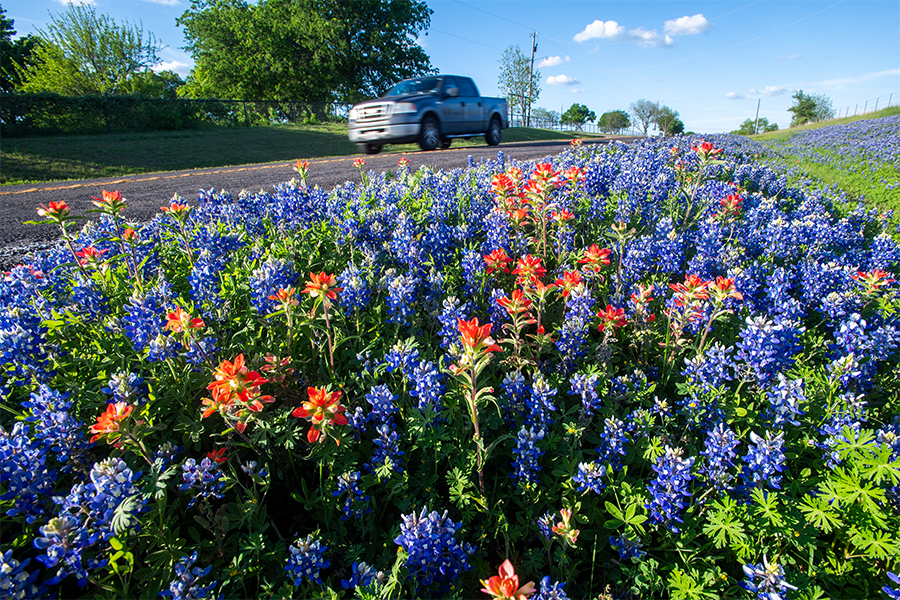
TxDOT (Texas Department of Transportation) plants millions of bluebonnet seeds along highways each fall, timing seeding operations with forecasted rain for optimal germination. Their success has made Texas highways world-famous for wildflower displays (TxDOT Wildflower Program).
Drought And Extreme Weather
In drought years, bluebonnet germination may be delayed until adequate moisture arrives. Seed viability remains high, so seeds may “wait” for favorable conditions, sometimes not sprouting until the following season.
Example: West Texas Drought Year
In 2011, West Texas experienced severe drought. Bluebonnet seeds planted in October failed to germinate until significant rainfall arrived in late winter. The delayed bloom occurred in late April but was still successful, demonstrating the resilience of bluebonnet seeds to weather extremes.
Maximizing Success: Advanced Tips For Bluebonnet Planting
Enhancing Germination Rates
- Double-scarify seeds if using older or non-commercial stock to further break seed dormancy.
- Soak seeds overnight before planting (hot water method) for increased germination.
- Use commercial inoculants to boost nitrogen fixation if soil is depleted. Bluebonnets, being legumes, benefit from the presence of Rhizobium bacteria.
Weed And Pest Management
- Mulch lightly to suppress weeds, but avoid deep coverage that would block sunlight.
- Monitor for pests such as cutworms or snails, especially in wet years. Early intervention can prevent significant losses.
- Avoid herbicides that can damage seedlings. Post-emergent herbicides are particularly risky for bluebonnet stands.
Fertilization And Watering
- Avoid high-nitrogen fertilizers; bluebonnets fix their own nitrogen through symbiotic bacteria.
- Supplemental watering is rarely needed after establishment except in extreme drought. Overwatering can lead to fungal diseases and root rot.
Succession Planting
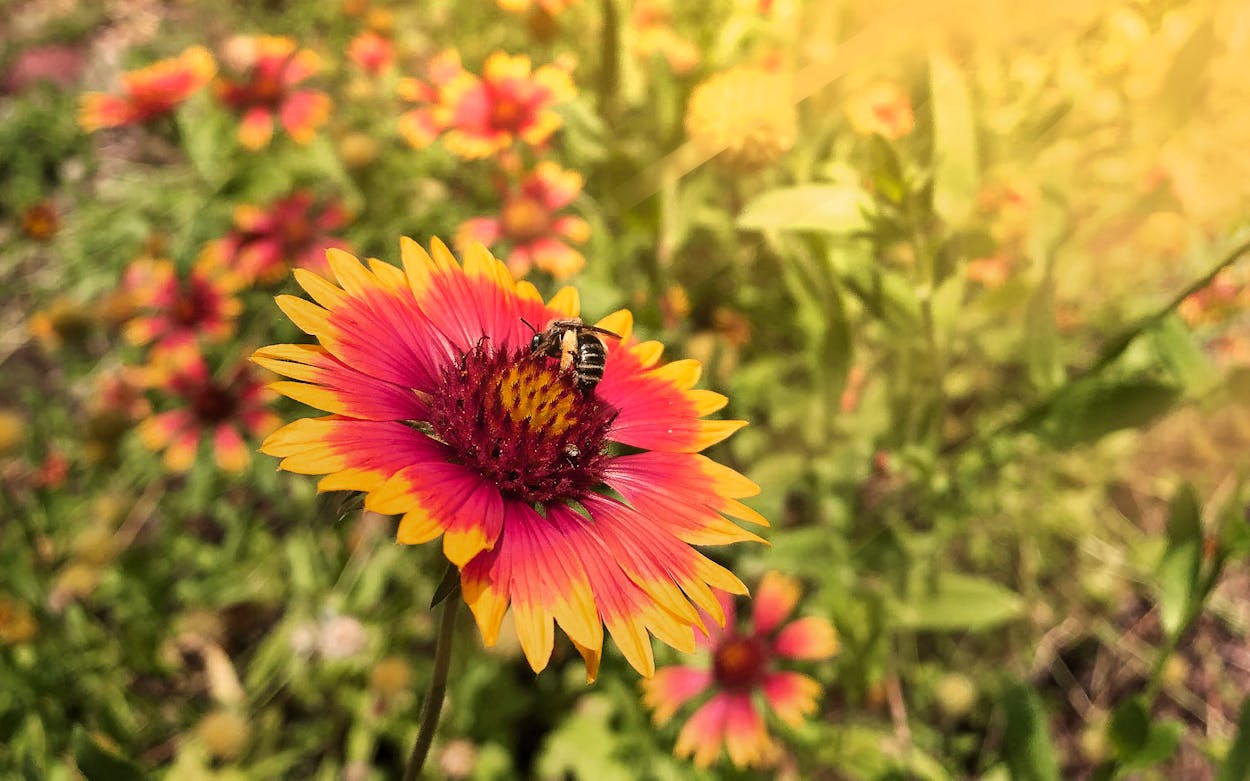
For longer wildflower displays, mix bluebonnet seeds with other Texas natives (Indian paintbrush, coreopsis, etc. ). Ensure all species have compatible planting times and growth habits. This approach not only extends the blooming season but also supports pollinators and increases biodiversity.
Real-world Example: Public Park Wildflower Meadow
A city park in Dallas planted bluebonnets and Indian paintbrush in alternating strips. By following precise fall planting schedules and using native soil amendments, the park achieved 95% germination and vibrant blooms that attracted thousands of visitors.
The park’s wildflower meadow became a local attraction, demonstrating the value of careful preparation and species selection. This success story is often cited by municipal planners and garden clubs as a model for sustainable, low-maintenance landscaping.
Monitoring And Record Keeping
- Track planting dates, rainfall, and bloom outcomes to refine your strategy.
- Adjust timing in future years based on observed results. Keeping a garden journal or digital log aids in long-term success and adaptation.
Common Mistakes To Avoid When Planting Bluebonnet Seeds
Planting At The Wrong Time
Ignoring the regional recommendations and planting outside the optimal window is the leading cause of failure. Seeds planted in spring rarely bloom the same year, while late-fall plantings may not establish before winter.
Over- Or Under-burying Seeds
Bluebonnet seeds require light for germination. Planting too deep (over 1/8 inch) can inhibit sprouting, while surface sowing without pressing seeds into soil leads to poor soil contact. Rolling or lightly pressing seeds after sowing ensures better germination.
Poor Site Selection
Planting in shaded, poorly drained, or heavily fertilized soils results in weak plants and few flowers. Prioritize sun exposure and drainage.
Neglecting Scarification
Unscarified seeds may take years to germinate, missing the desired bloom window. Always use pre-scarified or manually treated seeds.
Overwatering
Bluebonnets are drought-adapted and susceptible to root rot in soggy soils. Limit irrigation to dry periods during germination only.
Allowing Weed Competition
Failing to control weeds before and after planting can choke out young bluebonnet seedlings. Prepare sites thoroughly and monitor weed growth.
Case Study: Beginner’s Mistake
A novice gardener in Houston planted bluebonnet seeds in March, hoping for a spring bloom. Despite watering and fertilizing, no flowers appeared that year. After following fall planting guidelines the next season, the same site produced a lush bluebonnet patch, underscoring the importance of timing.
This experience is common among new gardeners and serves as a reminder that following bluebonnet-specific protocols is crucial for success.
Data-driven Insights: Bluebonnet Planting Success Rates
Bluebonnet Germination By Planting Month
Researchers at the Lady Bird Johnson Wildflower Center conducted a five-year study on bluebonnet germination rates relative to planting date. Results indicated a dramatic difference in success based on timing.
| Planting Month | Average Germination Rate (%) | Bloom Abundance (1–5 Scale) |
|---|---|---|
| September | 60 | 3 |
| October | 85 | 5 |
| November | 78 | 4 |
| December | 30 | 2 |
| March (spring) | 10 | 1 |
Key Takeaways From The Data
- October is the optimal month for bluebonnet seeding in most Texas regions.
- Planting later than November leads to drastically reduced germination and weak blooms.
- Spring plantings almost never produce the desired results.
The research also found that sites with higher bluebonnet density in the first year were more likely to reseed naturally, leading to sustained displays over multiple years with minimal intervention.
External Resources And Research
For further reading and detailed planting guides, consult:
- Lady Bird Johnson Wildflower Center
- Texas A&M AgriLife Extension
- Wikipedia: Lupinus texensis
- National Park Service – Texas Bluebonnet
- US Forest Service – Plant of the Week
Frequently Asked Questions
When Should I Plant Bluebonnet Seeds In Texas For Best Results?
The best time to plant bluebonnet seeds is late September through mid-November, with early October being ideal for most of Texas. Exact dates depend on your region’s climate and first frost date.
Can I Plant Bluebonnet Seeds In The Spring?
Spring planting is not recommended. Bluebonnet seeds require a cool winter period to establish. Seeds planted in spring will usually not bloom until the following year, if at all.
Do Bluebonnets Come Back Every Year?
Bluebonnets are annuals, but they can reseed themselves if conditions are favorable. Allowing seed pods to mature and scatter ensures future blooms, though re-seeding may be needed in some years.
How Deep Should I Plant Bluebonnet Seeds?
Plant bluebonnet seeds no deeper than 1/8 inch. Surface sowing followed by pressing seeds into the soil is effective, as seeds require light to germinate.
Do I Need To Water Bluebonnets After Planting?
In most cases, fall rains provide sufficient moisture for germination. If dry conditions persist, a light watering can help, but avoid overwatering, as bluebonnets are prone to root rot in soggy soils.
The magic of bluebonnet season in Texas begins months before the first bloom, with careful planning and precise planting in the fall. By understanding the unique needs of bluebonnet seeds—especially the importance of timing—you can enjoy vibrant, unforgettable wildflower displays year after year.
Whether you’re cultivating a backyard patch or managing acres of land, following expert advice and local adaptation is the surest way to success. Embrace the process, keep records, and soon, the unmistakable blue of Texas’s state flower will grace your landscape, rewarding your patience and preparation with a springtime spectacle like no other.