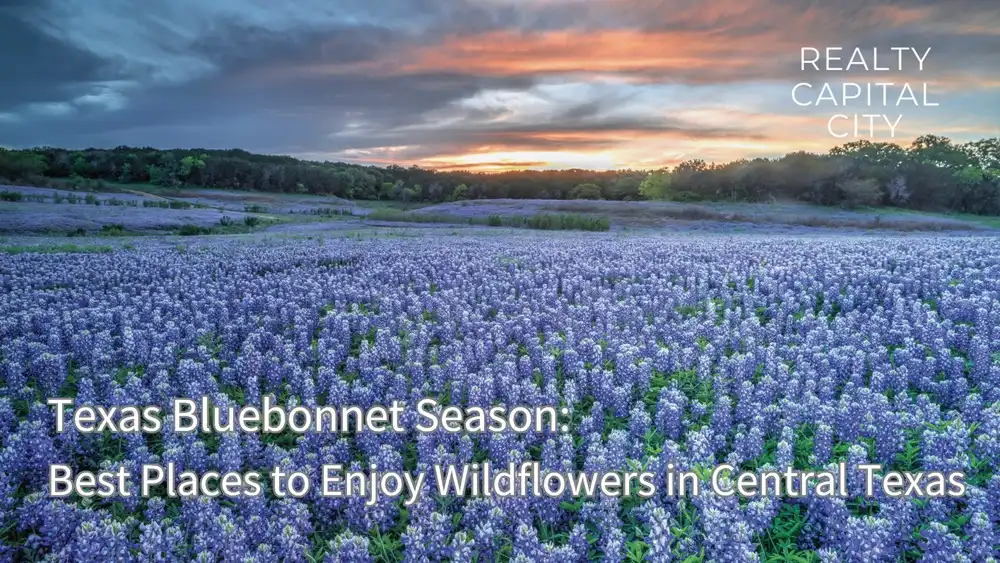
Is It Too Late to Plant Bluebonnet Seeds? Find Out Now
Few sights capture the spirit of Texas more than a field of bluebonnets blooming in spring. These vibrant wildflowers, iconic to the Lone Star State, inspire photographers, families, and gardeners alike. But if you’re yearning to see bluebonnets in your own yard, timing is everything. Many gardeners wonder: is it too late to plant bluebonnet seeds? This question matters, as bluebonnets have unique growth cycles and specific requirements for germination and flowering.
Knowing when and how to plant bluebonnet seeds can make the difference between a lush, unforgettable display and a season of disappointment. This article addresses the best times to sow, what happens if you plant late, and how to maximize your chances for spectacular blooms—even if you’re not starting at the ideal moment.
Whether you’re a Texas native or just want to add a splash of color to your landscape, understanding the bluebonnet’s timeline is critical. Let’s dive into the science, practical tips, and expert insights to help you make the most of your wildflower ambitions.
Key Takeaways
- Bluebonnet seeds need to be planted at the right time for optimal blooms—usually fall in most regions.
- Planting late can lead to reduced or delayed flowering; climate and soil conditions matter.
- There are actionable strategies to improve germination, even if you missed the ideal window.
- Regional climate differences affect planting windows; Texas and southern states offer more flexibility.
- Real-world examples show that with care, late planting can still yield success—though not always as spectacular.
- Proper preparation, scarification, and seed selection are essential for maximizing your bluebonnet display.
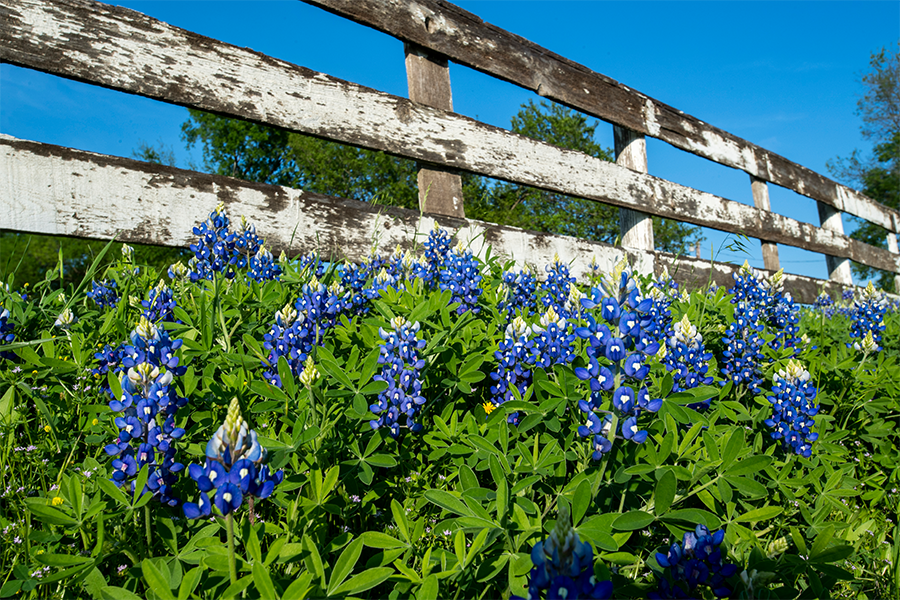
Credit: www.txdot.gov
Understanding Bluebonnet Biology And Growth Cycle
Bluebonnets, especially the Texas bluebonnet (Lupinus texensis), are annual wildflowers native to the southern United States. Their biology and lifecycle play a crucial role in determining the best time to plant seeds.
Annual Lifecycle Of Bluebonnets
Bluebonnets follow a winter annual cycle:
- Germination: Seeds sprout in the fall, usually after the first cool rains.
- Rosette Stage: Plants develop a low, leafy rosette over winter, storing energy.
- Flowering: As temperatures rise in spring (March-April), bluebonnets bloom in spectacular displays.
- Seed Set and Dieback: After flowering, they produce seeds and die back, completing the cycle.
This lifecycle means that bluebonnets must establish roots before cold weather sets in and then rely on winter moisture and cooler temperatures for growth. Planting too late disrupts this cycle and can negatively affect flowering.
Seed Dormancy And Scarification
Bluebonnet seeds possess a hard outer coat that resists moisture, a natural adaptation to unpredictable rainfall. This dormancy can be broken by:
- Scarification: Physically scratching or nicking the seed coat.
- Soaking: Briefly soaking seeds in water to soften the coat.
- Natural weathering: Exposure to soil and rain over time.
Scarification is often recommended to improve germination rates, especially if planting late.
Climate And Regional Adaptation
Bluebonnets are adapted to mild winters and hot springs. While their native range is Texas, they can grow in other southern states with similar climates. Planting windows vary regionally:
- Texas: Late September to early November
- Oklahoma, Louisiana: Early October to mid-November
- California, Arizona: October-November, depending on rainfall patterns
These windows allow seeds to germinate and establish before winter, ensuring robust spring blooms.
Comparison Table: Bluebonnet Vs. Other Wildflowers
| Wildflower | Ideal Planting Time | Growth Cycle | Climate Adaptation |
|---|---|---|---|
| Bluebonnet (Lupinus texensis) | Fall (Sept-Nov) | Winter annual | Mild winters, hot springs |
| California Poppy | Fall-Spring | Winter-spring annual | Mild winters, dry summers |
| Indian Paintbrush | Fall | Winter annual | Mild winters, dry springs |
| Cornflower | Spring | Summer annual | Cool springs, moderate summers |
Ideal Planting Windows For Bluebonnet Seeds
Planting bluebonnet seeds within the optimal window is crucial for maximizing germination and bloom quality. Let’s explore what these windows look like and why they matter.
Best Time To Plant
The ideal planting window for bluebonnet seeds is late September through early November in most of Texas and similar climates. This timing ensures:
- Seeds germinate with cooler temperatures and autumn rainfall.
- Plants develop a strong root system before winter dormancy.
- Flowering occurs at the peak of spring.
Planting outside this window can lead to poor germination, weak plants, or delayed blooming.
Regional Variations
Different regions require slight adjustments:
- Central and South Texas: September–October is best, as winters are mild.
- North Texas and Oklahoma: Early October to early November; colder winters demand earlier establishment.
- West Texas: Late October due to drier conditions.
- Coastal Areas: Planting can extend into November due to moderate winter temperatures.
Check local agricultural extension recommendations for precise planting windows.
Data Table: Regional Planting Windows
| Region | Recommended Planting Window | Expected Bloom Time |
|---|---|---|
| Central Texas | Sept 15 – Oct 31 | Late March – April |
| South Texas | Sept 25 – Nov 5 | Early March – April |
| North Texas | Oct 1 – Nov 10 | April |
| California | Oct 15 – Nov 15 | Late March – May |
The Impact Of Planting Late
If you plant bluebonnet seeds after November, several things may happen:
- Reduced Germination: Cold soils inhibit sprouting.
- Weak Growth: Seedlings may not develop strong roots, making them susceptible to frost.
- Delayed Bloom: Plants may flower later, often less vigorously.
- Missed Cycle: In some cases, seeds remain dormant until the following fall.
However, with proper care, some late-planted seeds may still bloom, especially in warmer climates.
Real-world Example: Texas Hill Country
The Texas Hill Country is famous for its bluebonnet displays. Local gardeners report that planting after November often results in patchy, sparse blooms. One case involved a community garden that sowed seeds in mid-December; only 40% germinated, and the bloom was delayed by three weeks. This underscores the importance of the recommended planting window.
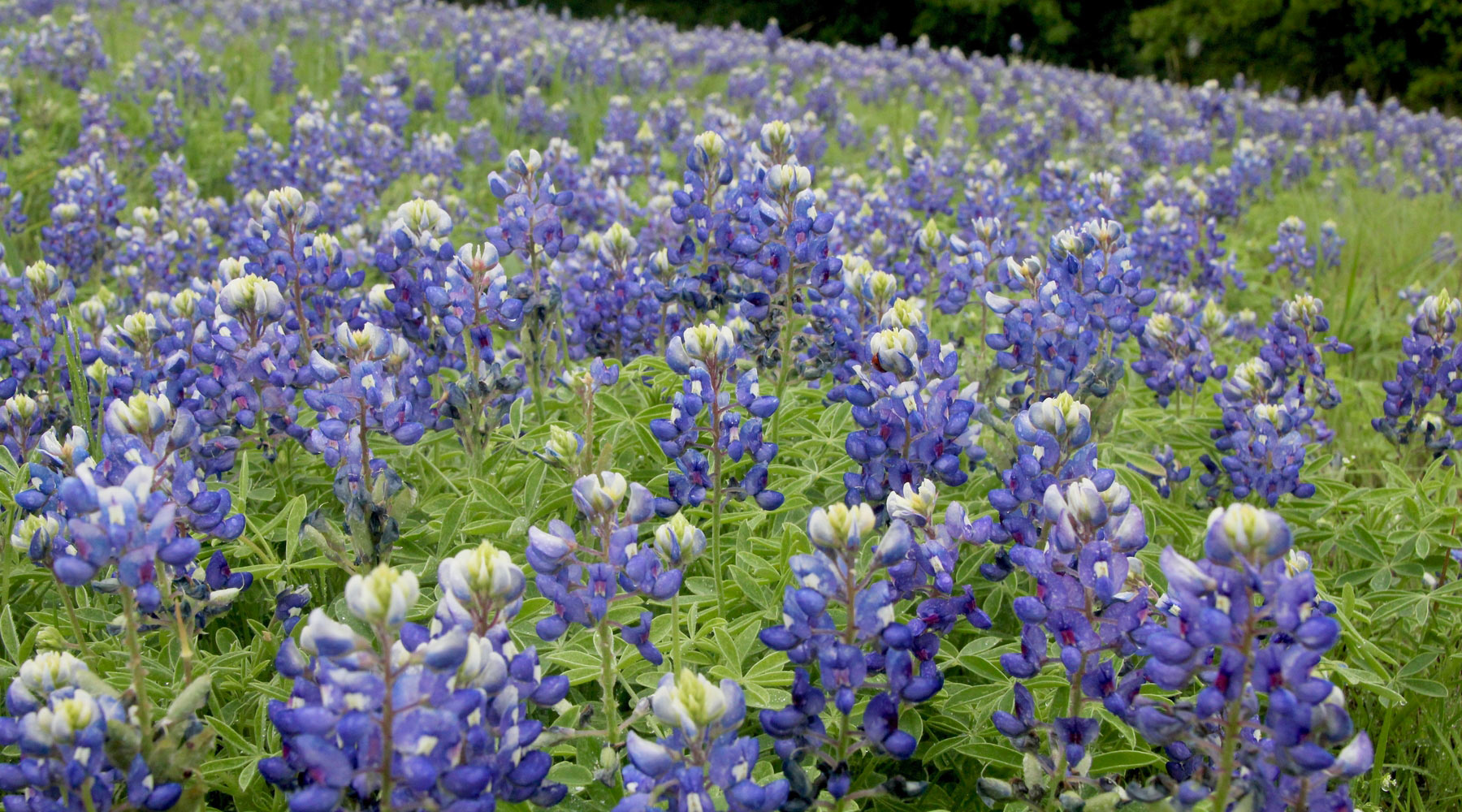
Credit: www.americanmeadows.com
What Happens If You Plant Bluebonnet Seeds Late?
Many gardeners find themselves with seeds in hand after the ideal window has passed. What can you expect if you plant late, and are there ways to improve your odds?
Risks And Challenges Of Late Planting
Late planting exposes seeds and seedlings to several risks:
- Cold soil temperatures: Inhibit germination and root growth.
- Frost damage: Young seedlings are vulnerable.
- Reduced moisture: Winter rainfall may be insufficient for late-planted seeds.
- Delayed or poor flowering: Plants may not mature in time for spring bloom.
A study by the Texas A&M AgriLife Extension found that seeds sown after November had up to 60% lower germination rates compared to those planted in October (Texas A&M AgriLife).
Ways To Improve Late Germination
If you missed the ideal window, you can still maximize your chances:
- Scarify seeds: Use sandpaper or a file to break the seed coat.
- Soak seeds: Overnight soaking in warm water helps soften the coat.
- Choose a sunny, south-facing site: Warmer soil accelerates germination.
- Mulch lightly: Protects seedlings from cold and retains moisture.
- Monitor weather: Plant during a warm spell to boost germination.
These strategies can help overcome some of the disadvantages of late planting.
Case Study: Community School Garden
A school garden in Dallas planted bluebonnet seeds in January, well after the recommended window. By scarifying and soaking seeds, and choosing a protected location, they achieved a 35% germination rate. While blooms were fewer and appeared in late April, the display still delighted students and teachers.
Comparing Early Vs. Late Planting Outcomes
| Planting Time | Germination Rate | Bloom Quality | Bloom Timing |
|---|---|---|---|
| October | 75-90% | Dense, vibrant | Late March – April |
| December | 35-50% | Patchy, sparse | Mid-April – Early May |
| January | 20-40% | Few blooms | Late April – May |
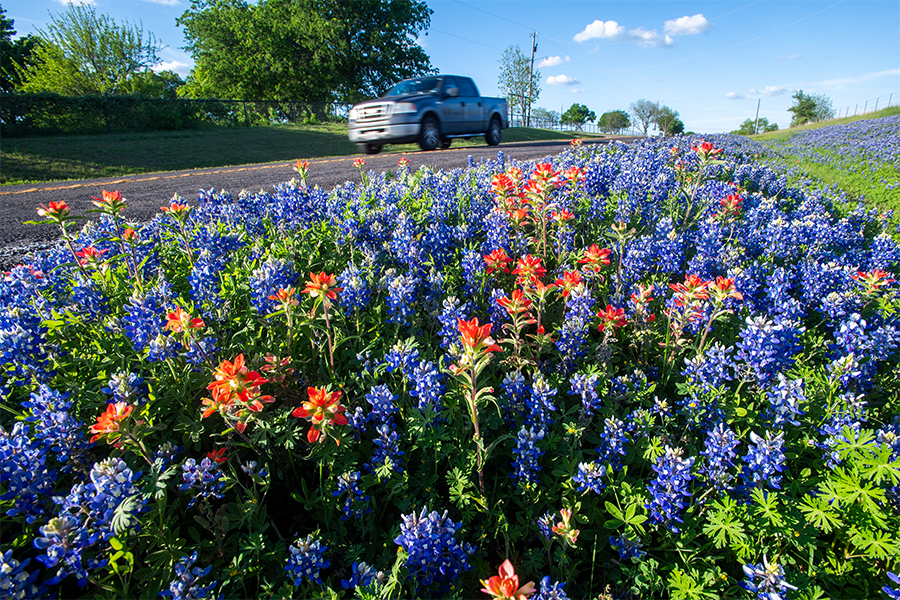
Credit: www.txdot.gov
Preparing Your Site For Bluebonnet Seeds
Whether planting early or late, proper site preparation is essential for bluebonnet success. These wildflowers are picky about soil, sunlight, and competition.
Soil Requirements
Bluebonnets thrive in well-drained, alkaline soils. They dislike heavy clay or waterlogged areas.
- PH Range: 7.0–8.0 (slightly alkaline)
- Texture: Sandy loam or gravelly soils are ideal
- Drainage: Essential to prevent root rot
If your soil is acidic or heavy, amend with lime and organic material or consider raised beds.
Sunlight And Exposure
Bluebonnets require full sun—at least 6-8 hours per day. Shady locations produce weak, leggy plants.
- South-facing slopes offer optimal warmth and sunlight.
- Avoid areas shaded by trees, buildings, or shrubs.
Weed And Competition Management
Bluebonnets compete poorly with aggressive weeds and grasses.
- Remove existing vegetation before sowing seeds.
- Lightly till or rake the surface to expose bare soil.
- Consider pre-emergent weed control for persistent weeds.
Planting Techniques
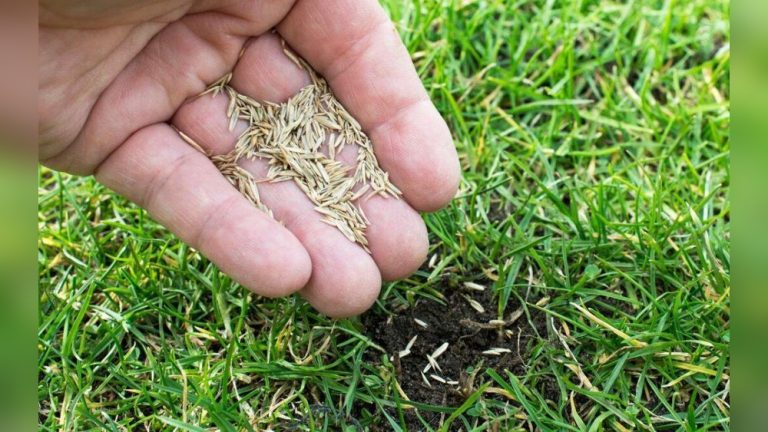
- Broadcast sowing: Scatter seeds evenly across prepared soil.
- Press seeds: Lightly press into soil using a board or roller; do not cover deeply.
- Water lightly: If rainfall is lacking, provide gentle irrigation.
Real-world Example: Home Landscape Success
A homeowner in San Antonio transformed a rocky, sun-drenched slope into a bluebonnet paradise by removing invasive grasses, amending soil, and broadcasting seeds in late October. Their display rivaled local parks, demonstrating the impact of proper preparation.
Maximizing Germination And Bloom With Late Planting
If you must plant late, specific strategies can help ensure you get the best possible results.
Scarification And Soaking
Late-planted seeds benefit greatly from scarification:
- Rub seeds between two sheets of sandpaper.
- Use a sharp knife to nick the coat (carefully).
- Soak seeds overnight in warm water.
These steps break dormancy and speed germination, especially in cold soils.
Microclimate Selection
Choose locations that are naturally warmer:
- South-facing slopes
- Near brick walls or rocks (which retain heat)
- Protected from wind
This can help offset the disadvantage of late planting.
Mulching And Protection
Use a light layer of mulch (straw or pine needles) to:
- Retain soil moisture
- Shield seedlings from frost
- Prevent erosion
Avoid heavy mulching, which can smother seeds.
Supplemental Watering
If winter rainfall is scarce, water gently to maintain moist (not soggy) soil. Consistent moisture is key for germination.
Regional Adjustments
In warmer regions (South Texas, Gulf Coast), late planting is less risky. In colder areas, choose microclimates or consider indoor germination followed by transplantation.
Example: Urban Balcony Bluebonnets
An urban gardener in Houston planted bluebonnet seeds in containers on a sunny balcony in January. By scarifying seeds and providing supplemental warmth, they achieved a modest but colorful bloom in late April—a testament to adaptability.
Common Mistakes And How To Avoid Them
To maximize bluebonnet success, avoid these frequent pitfalls.
Planting Too Deep
Bluebonnet seeds should be pressed into the soil, not buried. Deep planting reduces germination.
- Seed depth: 1/8 inch or less
Overwatering
Too much water promotes fungal diseases and rot.
- Water only as needed; let soil dry slightly between watering.
Poor Soil Preparation
Failure to clear weeds or amend soil results in weak, patchy growth.
- Remove all vegetation, till lightly, and test soil pH before planting.
Ignoring Scarification
Unscarified seeds may remain dormant for months.
- Always scarify, especially for late planting.
Overcrowding
Bluebonnets need space to develop their rosette and flower.
- Sow seeds 6–8 inches apart for best results.
Real-world Example: Avoiding Mistakes
A novice gardener in Austin planted bluebonnet seeds in February, buried them too deep, and neglected scarification. Germination was nearly zero. The following year, they followed expert advice and achieved a stunning display—proof that small adjustments matter.
Bluebonnet Seed Selection And Sourcing
Choosing the right seed variety and source is critical for success, especially if you’re planting outside the ideal window.
Varieties Of Bluebonnets
Several bluebonnet species and cultivars are available:
- Lupinus texensis: Classic Texas bluebonnet, most popular
- Lupinus subcarnosus: Smaller, early blooming
- Lupinus havardii: Big Bend bluebonnet, larger flowers
- Hybrid cultivars: Developed for color or growth habit
Choose varieties suited to your climate and soil.
Reliable Seed Sources
Purchase seeds from reputable suppliers:
- Native American Seed: Specialized in native Texas wildflowers (Native American Seed)
- Texas A&M AgriLife Extension: Offers regionally adapted seed (AgriLife Extension)
- Wildseed Farms: Large producer with proven track record (Wildseed Farms)
- Burpee: Nationwide supplier with regional selections (Burpee)
Avoid generic garden store packets, which may not be regionally adapted.
Seed Quality And Storage
- Look for fresh, clean, untreated seeds.
- Store seeds in a cool, dry place until planting.
- Check expiration dates and batch information.
Real-world Example: Sourcing Success
A community group in Dallas sourced bluebonnet seeds from Native American Seed, planted in early November, and achieved a 90% germination rate. The same group previously used store-bought seeds with poor results, demonstrating the importance of quality sourcing.
Regional Adaptations And Climate Impact
Bluebonnets are famous in Texas, but gardeners across the southern US and beyond can grow them with the right strategies.
Southern States
- Louisiana, Oklahoma, Arkansas: Plant in October–November; choose Lupinus texensis or regional hybrids.
- Florida: Coastal areas may support bluebonnets, but check for salt tolerance.
Western States
- California: Use native lupines or Texas bluebonnet; plant in October–November.
- Arizona, New Mexico: Select drought-tolerant varieties; plant before winter rains.
Northern States
Bluebonnets are less reliable north of Oklahoma, but with microclimate selection and indoor germination, some success is possible.
- Use containers or raised beds.
- Start seeds indoors in fall, transplant in spring.
Data Table: Regional Bluebonnet Success Rates
| State | Success Rate (Early Planting) | Success Rate (Late Planting) | Recommended Varieties |
|---|---|---|---|
| Texas | 80-95% | 30-60% | Lupinus texensis |
| Oklahoma | 70-85% | 25-50% | Lupinus texensis |
| California | 60-80% | 20-40% | Lupinus texensis, native lupines |
| Arizona | 50-70% | 15-30% | Drought-tolerant hybrids |
Real-world Example: Out-of-state Success
A gardener in northern Georgia planted bluebonnet seeds in October, used raised beds, and achieved a modest bloom. Late planting yielded poor results, but with proper adaptation, bluebonnets can be grown outside their native range.
Long-term Management And Bluebonnet Naturalization
Bluebonnets are annuals, but with proper management, they can self-seed and return year after year.
Encouraging Naturalization
- Allow plants to set seed and die back naturally.
- Avoid mowing or removing spent flowers until seeds mature.
- Lightly rake soil each fall to expose seeds.
Controlling Weeds And Grasses
- Mow grasses in late summer to reduce competition.
- Use selective herbicides if necessary (consult extension guidelines).
Soil Fertility
Bluebonnets fix nitrogen, benefiting future plantings.
- Avoid heavy fertilization; excess nitrogen promotes leafy growth but fewer flowers.
Real-world Example: Roadside Restoration
The Texas Department of Transportation maintains roadside bluebonnet displays by allowing natural seeding and controlling grasses. Over decades, these areas have become self-sustaining wildflower meadows (TXDOT).
Frequently Asked Questions
Can I Plant Bluebonnet Seeds In The Spring?
While spring planting is possible, it is not recommended. Bluebonnet seeds require cool fall temperatures to establish roots and undergo winter dormancy. Spring-planted seeds often remain dormant until fall or produce weak, late blooms.
How Do I Scarify Bluebonnet Seeds For Better Germination?
Scarification involves scratching or nicking the seed coat to allow moisture in. Use sandpaper, a file, or a sharp knife. Gently rub seeds or make a small cut, being careful not to damage the embryo. Soak scarified seeds overnight before planting.
Will Bluebonnets Reseed Themselves After The First Year?
Yes, bluebonnets can self-seed if allowed to mature and set seed. Avoid mowing or removing plants until seeds have dropped. Lightly rake soil in fall to help seeds contact bare earth, promoting naturalization.
What Happens If I Plant Bluebonnet Seeds Too Deep?
Planting too deep reduces germination. Bluebonnet seeds should be pressed into the soil surface or covered with no more than 1/8 inch of soil. Deep planting prevents seedlings from emerging and can cause rot.
Where Can I Buy Regionally Adapted Bluebonnet Seeds?
Purchase from reputable sources such as Native American Seed, Wildseed Farms, Texas A&M AgriLife Extension, and Burpee. Avoid generic packets from big box stores, which may not perform well in your region.
Bluebonnets reward patience, timing, and care. While planting late is less than ideal, informed strategies can still yield beautiful blooms. Whether you’re restoring a wild meadow or simply adding a patch to your yard, understanding the bluebonnet’s lifecycle and regional needs ensures success.
Plan ahead, prepare your site, and enjoy the unforgettable beauty these Texas icons bring each spring.