How to Start Seeds Indoors Without Grow Lights: Window Guide
Start seeds indoors without grow lights only if you have a south- or west-facing window with roughly 6 or more hours of direct sun and choose slower, compact crops like lettuce, basil, kale, and many flowers. If you pick the wrong crop or the light is weak, seedlings stretch toward the glass, flop over, and lose weeks before transplanting. This guide covers which seeds work in window light, how to set trays for the most sun, and how to keep seedlings short and sturdy.
This guide is part of our Seed planting guide for beginners series.
Can you start seeds indoors without grow lights?


Yes, some seeds can be started indoors without grow lights, but only when the window light and the crop match. A bright south- or west-facing window can carry small, compact seedlings. A dim room, a north window, or a crop that grows fast and tall usually needs stronger light or a different plan.
When window light is enough
Window light works best for seedlings that stay compact and tolerate slower growth. Think lettuce, basil, kale, parsley, cilantro, chives, and many annual flowers that do not race upward at the first sign of weak light. These are better choices when the space is bright and the trays can sit right against the glass.
When it is not worth trying
If the window is shaded, the sill is narrow, or the room only gets weak indirect light, the odds tilt toward lanky seedlings. That is especially true for crops that need a long indoor lead time or grow fast once they sprout. In that case, a heat mat, a stronger light setup, or buying transplants is usually the smarter call.
What seeds are easiest to start in a window?
The easiest crops for a no-grow-light setup are the ones that germinate steadily and stay fairly compact after sprouting. Fast herbs, leafy greens, and some flowers fit that pattern better than tomatoes or peppers. If the goal is a window-only setup, crop choice matters as much as the window itself.
Best bets for window-only setups
Leaf lettuce, basil, dill, cilantro, parsley, chives, kale, and many easy annual flowers are the strongest candidates. Broccoli, Brussels sprouts, and cauliflower are commonly started indoors too, but they ask for stronger light discipline than herbs and greens if the window is not excellent.
Crops that usually struggle without stronger light
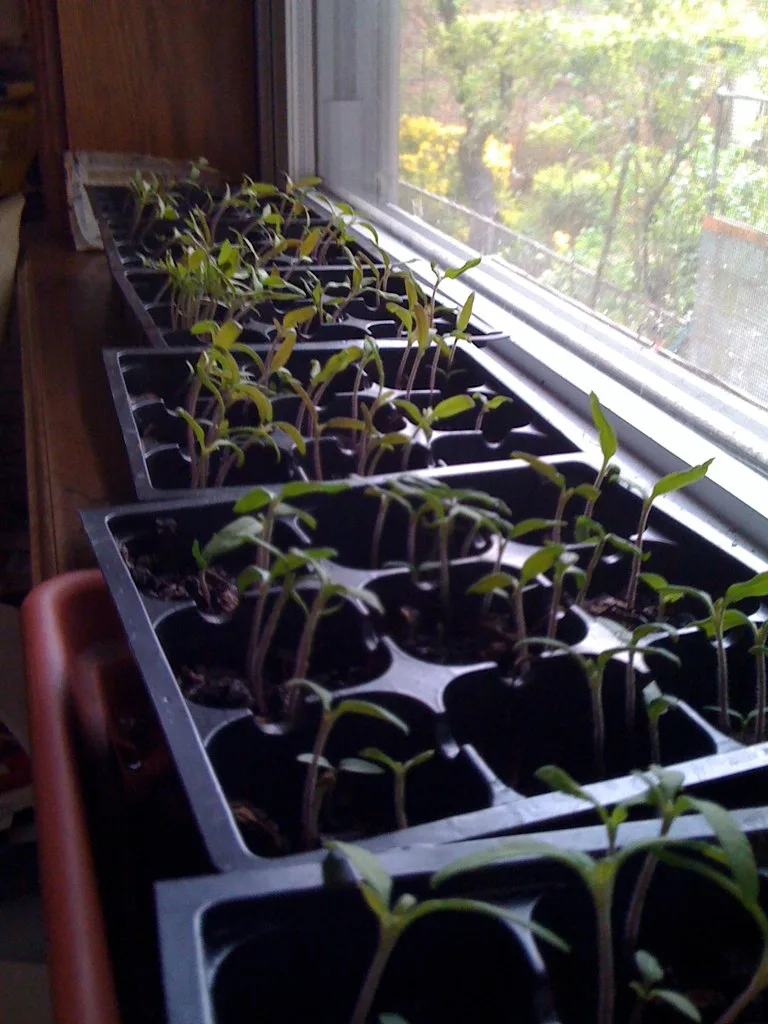
Tomatoes and peppers are the classic troublemakers. Peppers are sensitive to cold spring temperatures, so they often germinate and grow slowly in a cool room. Tomatoes can be started indoors without grow lights in a bright home, but they are high risk for legginess and often do better with brighter light or purchased transplants.
Where tomatoes fit
Tomatoes are not impossible. They are simply unforgiving. If the window is truly bright and the tray can sit inches from the glass, they may grow well enough for a home gardener. If the light is only average, tomatoes stretch fast, get thin stems, and spend the rest of their early life trying to recover.
| Crop type | Window-only fit | Notes |
|---|---|---|
| Lettuce, basil, kale | Good | Best in very bright windows with close monitoring |
| Broccoli, Brussels sprouts, cauliflower | Fair | Start only if the window is strong and timing is on target |
| Tomatoes | Poor to fair | Possible in a very bright window, but legginess risk is high |
| Peppers | Poor | Slow growth and warmth needs make them hard in weak light |
| Carrots | Skip indoors | Best started outdoors |
How to time indoor sowing from your last spring frost date
Use the last spring frost date as the anchor, then count backward from that frost-free date using the seed packet. Seeds are often started indoors about 6 weeks before the last spring frost date, and some packets call for 8 to 10 weeks before frost. Starting too early is a common way to end up with leggy seedlings before transplant time.
Counting backward from the frost-free date
Start by finding the last spring frost date for the location. Then read the packet and subtract the listed indoor sowing window. If the packet says 8 to 10 weeks before frost, the seed should go in that range, not earlier unless the crop is very slow and the light is strong enough to keep growth compact.
Matching seed packet timing to your window setup
Window-only gardeners should lean toward the later end of the packet range unless they are growing a slow crop that truly needs a head start. Faster crops and weaker windows call for less time indoors. Long indoor lead times and weak light are a bad pair.
Why starting too early causes trouble
Seedlings do not stay small just because the window is small. They keep growing toward the light, and that growth gets thin if the light is weak. Early sowing also means the roots fill the tray before outdoor weather is ready, which leaves the gardener with stressed plants and more transplant shock.
What window is best for starting seeds indoors naturally?
A bright south-facing window is usually the best indoor light source for seed starting, with a west-facing window often being the next choice. The window should be unobstructed, with direct sun reaching the tray for much of the day. East-facing light can work for the easiest crops, and north-facing light is usually too weak on its own.
Why south-facing windows usually work best
South-facing glass often gets the strongest natural light for the longest stretch of the day in many homes. That matters because seedlings lean toward the light source. If the tray sits close to an unobstructed south window, the stems stay shorter and straighter than they do in a darker room.
When a west-facing window can work
A west-facing window can be very useful if afternoon sun comes in strong and the room is not shaded by trees, overhangs, or neighboring buildings. It often performs better than east light for compact growth, especially when the trays are placed right at the glass and turned often.
How to use rotation and reflected light
Daily rotation helps even out growth. Turn trays a little each day so seedlings do not bend hard in one direction. A mirror or white wall behind the tray can bounce extra ambient daylight back onto the plants, which helps a little in a bright room. It will not fix a dim window, but it can smooth out weak sides.
No-grow-light setup checklist
A good window-only setup is simple. It needs a fine-textured seed starting mix, clean containers with drainage, steady moisture, and a plan for warmth during germination. The point is not fancy gear. The point is giving seeds the best possible conditions in a limited-light room.
Seed starting mix, containers, and drainage
Use seed starting mix rather than regular potting soil. Seed starting mix is usually finer, cleaner, and better draining than potting soil, which can help reduce the chance of damping-off and keep the surface from staying soggy. Clean trays or pots with drainage holes are the right base for indoor starts.
Humidity dome use and removal
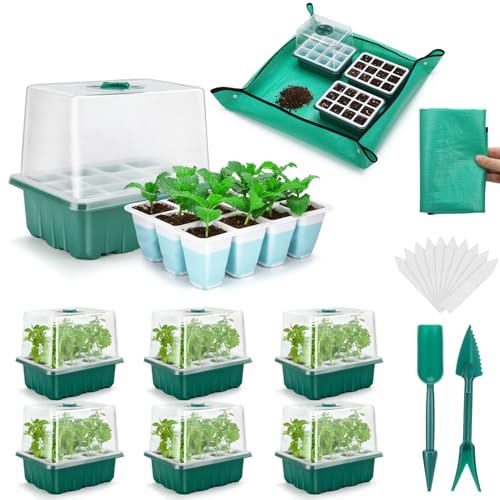
A humidity dome helps hold moisture while seeds germinate. That is useful early on because the surface should stay evenly moist, not dried out. Once the seedlings sprout, remove the dome so air can move around the plants. Leaving it on too long raises fungal risk and can invite soft, weak growth.
Heat mat decisions for warm-season crops
A heat mat is a good add-on for warm-season crops because it keeps the root zone steady before seedlings emerge. A heat mat can help tomatoes, peppers, and eggplant germinate more reliably in a cool room. Once the seedlings are up, the mat usually comes off unless the room is still very cold.
- Fill clean trays with seed starting mix, not garden soil.
- Moisten the mix so it is damp, not dripping.
- Sow according to the packet and cover lightly if needed.
- Place trays in the brightest window available.
- Use a humidity dome until sprouting, then remove it.
- Rotate trays daily and keep the mix evenly moist.
How do you keep seedlings from getting leggy without lights?
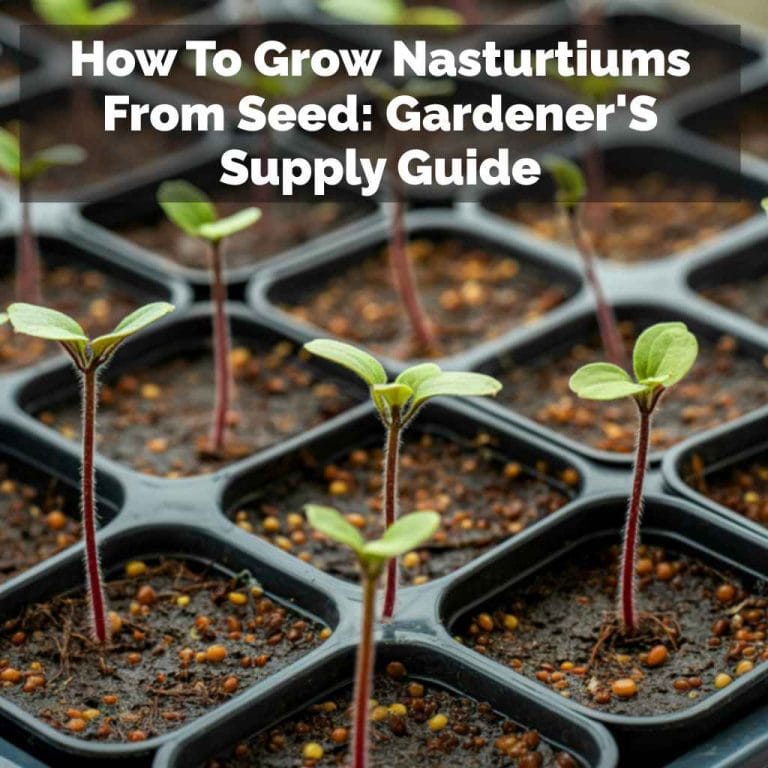
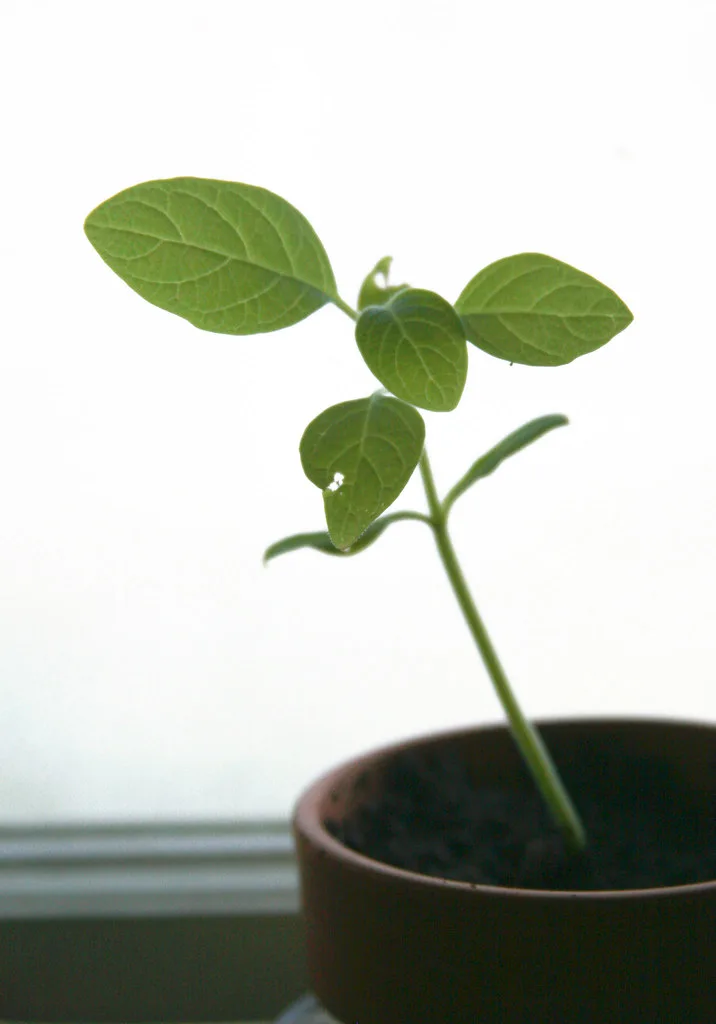
Leggy seedlings are tall, thin plants that stretch toward the light source because the light is not strong enough. The stems weaken, the plants lean, and they often flop over. The fix is to reduce the strain early: stronger window exposure, daily rotation, cooler temperatures if possible, and a better sowing schedule.
What legginess looks like
Leggy seedlings have long internodes, narrow stems, and a bent posture toward the window. Leaves may look small for the height of the plant. If the stem is much taller than it should be for the leaf size, the plant is asking for more light than the window is giving.
Prevention steps that actually help
Place trays as close to the glass as possible. Keep the window clean. Rotate the tray daily. Do not sow too early. If the room is warm, try a cooler spot near the window so the seedlings do not race upward as fast. Stronger light and slower growth work together.
When to rescue or restart seedlings
Small amounts of stretch can be corrected later at transplanting by planting deeper, especially with tomatoes. Very weak seedlings, though, often never recover their shape. If the stems are falling over or the plants are clearly racing upward, restarting in a brighter setup or buying transplants may save time.
How do you decide between a window, a heat mat, or transplants?
Use a simple rule: if the window is bright and the crop is compact, try window-only sowing; if the crop needs warmth but not intense light at germination, add a heat mat; if the crop needs strong light for many weeks and the window is mediocre, buy transplants or use a stronger light source instead. That decision prevents wasted trays and weak plants.
Scoring your window setup
Score each category from 0 to 2. Window direction can be scored higher for south, next for west, and lower for east or north. Daily direct sun can be scored higher for long, unobstructed sun, middle for partial direct sun, and lower for mostly shade. Crop type can be scored higher for herbs and greens, middle for moderate crops, and lower for tomatoes and peppers in weak light.
| Factor | 2 points | 1 point | 0 points |
|---|---|---|---|
| Window direction | South | West | East or north |
| Direct sun | Clear, unobstructed sun most of the day | Some direct sun | Mostly indirect light |
| Crop type | Herbs, lettuce, kale, many flowers | Broccoli, cauliflower, Brussels sprouts | Tomatoes, peppers, long-season crops |
| Extra support | Heat mat only if needed for germination | Need close monitoring and rotation | Better to buy transplants or use stronger light |
Choosing between a heat mat and buying transplants
A heat mat is the right choice when germination is the problem and the crop is warm-season. Buying transplants is the right choice when the problem is not germination but weak indoor light over many weeks. If the seedlings would spend most of their early life stretching, it is usually cheaper in time and frustration to skip the struggle.
When to skip indoor sowing entirely
Skip indoor sowing if the window is dim, the crop is fast and tall, or the sowing window is already tight. Carrots are a good example of a crop best started outdoors. Some crops are simply happier direct-sown once soil conditions are right.
How do I start tomato seeds indoors without grow lights?
Tomatoes can be started indoors without grow lights if the window is very bright, the tray is kept close to the glass, and the gardener watches for stretch every day. Even then, tomatoes are one of the riskiest crops for a no-light setup, so many gardeners do better with transplants or stronger light.
Tomato timing and warmth
Tomatoes are usually started well before outdoor planting, often about 6 weeks before the last spring frost date, though some packets call for 8 to 10 weeks before frost. Warm root temperatures help them germinate, so a heat mat can be useful before sprouting. After emergence, the dome comes off and the seedlings need close light management.
Tomato rescue tactics
If tomatoes begin to stretch, move them closer to the glass, rotate them daily, and keep them from getting overwatered. Deeper transplanting later can help because tomato stems root readily along buried sections. If the stems are already weak and bent, replacing them with transplants may be the better move.
How do you harden off seedlings started without grow lights?
Hardening off is the gradual outdoor acclimation that prepares indoor seedlings for wind, sun, and temperature swings. Seedlings started without grow lights still need it before transplanting. Move them outside in stages so they adjust instead of collapsing from shock after weeks in a protected window.
Practical hardening-off steps
Start in a sheltered spot with a few hours of gentle outdoor light. Increase exposure slowly over several days. Bring plants in if nights are cold or weather turns rough. Once the stems hold firm outdoors and the leaves do not scorch or wilt badly, transplant them into the garden.
Frequently asked questions
Can I start seeds indoors without grow lights?
Yes, but only some crops are good candidates. A bright south- or west-facing window with direct sun can support compact seedlings like lettuce, basil, and kale. Weak windows and tall crops are a poor match because the plants stretch toward the glass and become leggy.
Do you need grow lights to start seeds indoors?
No, not for every crop. Grow lights make the job easier and more reliable, but a bright window can work for a limited set of seedlings. The real test is whether the crop stays compact enough to handle the window light you have.
What window is best for starting seeds indoors naturally?
A south-facing window is usually best because it gets the strongest direct sun. A west-facing window is next best if afternoon sun is unobstructed. East-facing light may work for easy herbs and greens, while north-facing light is usually too weak for most seedlings.
How do I keep seedlings from getting leggy without lights?
Put trays right against the brightest glass, rotate them daily, and avoid starting too early. Cooler room temperatures can slow the stretch a bit. If seedlings are already thin and leaning hard, the best fix may be restarting in better light or buying transplants.
Which seeds are easiest to start indoors without grow lights?
Leaf lettuce, basil, parsley, cilantro, chives, kale, and many flowers are the easiest starting points. Broccoli, Brussels sprouts, and cauliflower can work too if the window is strong. Tomatoes and peppers are harder and need much better light discipline.
How do I harden off seedlings started without grow lights?
Move them outdoors gradually. Start with short visits in a sheltered spot, then increase sun and time over several days. This protects seedlings from shock and helps them adjust to wind, cooler nights, and stronger daylight before planting out.